Embark on a journey to safely experience the transformative benefits of Hot Yoga (Bikram). This comprehensive guide provides a structured approach to navigating the unique challenges and rewards of this intense practice, from preparation to recovery. Understanding the intricacies of pre-class preparation, in-class safety, and post-practice recovery is paramount for a positive and enriching experience.
This guide meticulously details the essentials for a safe and fulfilling Bikram practice. From choosing a qualified instructor and studio to understanding modifications for various fitness levels and potential limitations, this resource empowers you to make informed choices and maximize your well-being.
Introduction to Hot Yoga (Bikram)

Hot Yoga, specifically Bikram Yoga, is a unique style of yoga practiced in a heated room, typically maintained at a temperature of 90-105°F (32-40°C) and a humidity of 40-50%. This environment fosters increased flexibility and stamina, as well as heightened cardiovascular and metabolic function. The sequences of postures are highly structured and repetitive, focusing on specific muscle groups and joint movements.This practice distinguishes itself from other yoga styles through its consistent and precise sequencing, performed within a controlled thermal environment.
Bikram Yoga emphasizes physical and mental well-being, combining physical postures (asanas) with controlled breathing techniques (pranayama). The heat promotes deeper stretches and detoxification, although the intensive nature of the practice means it’s not suitable for everyone.
Characteristics of Hot Yoga (Bikram)
The hallmark of Bikram Yoga is its pre-determined series of 26 postures and two breathing exercises, practiced in a sequence. The postures are designed to target specific areas of the body and work through a range of movement, promoting flexibility and strength. The heat plays a crucial role in enhancing flexibility, allowing muscles to stretch further and potentially reduce the risk of injury.
Class Structure and Environment
A typical Bikram Yoga class typically takes place in a room maintained at a high temperature, as previously mentioned. The class is usually structured with the 26 postures and two breathing exercises performed in a specific order. Students are encouraged to maintain a consistent pace and to listen to their bodies, modifying postures as needed. The environment is often focused on individual practice, emphasizing self-awareness and mindfulness.
Potential Benefits
Hot Yoga, like other forms of yoga, can offer numerous benefits. Improved flexibility and range of motion are common, stemming from the heat-induced relaxation of muscles. Enhanced cardiovascular health and increased metabolism are also potential outcomes, due to the sustained physical exertion and elevated body temperature. Additionally, the practice can contribute to stress reduction and mental clarity.
Potential Drawbacks
Bikram Yoga, with its high-heat environment, may not be suitable for individuals with certain medical conditions, such as heart problems or pregnancy. The intense physical exertion can also lead to dehydration, especially if proper hydration isn’t maintained. Furthermore, the repetitive nature of the sequence may not suit those seeking a more dynamic or varied practice. Individual sensitivities to heat should be carefully considered.
History of the Practice
Bikram Yoga was developed by Bikram Choudhury in the 1970s. He claims to have created the sequence of 26 postures and two breathing exercises based on his understanding of yoga and his experience as a practitioner. Choudhury’s style has become a globally recognized form of yoga, with studios and practitioners around the world.
Comparison to Other Yoga Styles
| Characteristic | Hot Yoga (Bikram) | Vinyasa Yoga | Hatha Yoga |
|---|---|---|---|
| Temperature | Elevated (90-105°F) | Room temperature | Room temperature |
| Sequence | Pre-determined, 26 postures and 2 breathing exercises | Fluid, flowing sequences | More traditional, slower pace |
| Focus | Physical flexibility and strength, detoxification | Strength, flexibility, and mindfulness | Alignment, balance, and mindfulness |
| Typical Pace | Moderate, controlled | Fast-paced, dynamic | Slow, steady |
This table provides a concise overview of the differences in structure, temperature, and focus among these styles of yoga. It allows for a clearer comparison and understanding of the distinct characteristics of each.
Pre-Class Preparation and Safety Considerations

Proper preparation is crucial for a safe and enjoyable hot yoga experience. Understanding your body’s limitations and needs, as well as preparing physically and mentally, will enhance your practice and reduce the risk of injury. This section details the vital aspects of pre-class preparation and safety precautions to consider before entering a hot yoga studio.Careful consideration of your physical state and adherence to safety guidelines are paramount to a positive and injury-free hot yoga practice.
Preparing for a hot yoga session is not just about showing up; it’s about actively participating in your well-being.
Importance of Hydration and Nutrition
Adequate hydration is essential for optimal performance and prevents heat-related complications. Drinking plenty of water in the days leading up to class and maintaining hydration during the session are critical. Consuming a balanced meal that includes complex carbohydrates and protein several hours before class will provide sustained energy without causing digestive discomfort. Avoid heavy meals and high-fat foods immediately before a session.
Listen to your body and adjust your intake according to individual needs and preferences.
Assessing Personal Fitness Levels
Before embarking on a hot yoga practice, it’s important to evaluate your current fitness level. This involves understanding your physical capabilities, limitations, and any pre-existing medical conditions. Consult with your physician or healthcare provider before starting a new fitness routine, especially if you have any underlying health concerns. A gradual approach, starting with fewer classes per week or with shorter durations, is often recommended for beginners.
Progression should be tailored to individual needs and monitored closely for any signs of discomfort.
Essential Equipment for Safe Practice
Appropriate equipment can enhance your comfort and safety during a hot yoga session. A yoga mat provides cushioning and support for your joints. A comfortable and supportive set of workout clothes made of breathable materials will help regulate body temperature. Consider a towel to absorb sweat during practice. These are the basic necessities, but individuals may have additional requirements depending on their specific needs and preferences.
Common Physical Limitations and Modifications
Hot yoga can be challenging, and it’s important to recognize and address potential physical limitations. Modifications to poses are often necessary for individuals with injuries, pain, or specific physical limitations. A qualified instructor can provide guidance on suitable modifications and alternative poses to ensure a safe and effective practice. Communication with the instructor is crucial to receive tailored support and adjust the practice according to individual needs.
Potential Contraindications for Hot Yoga
Certain medical conditions and injuries may pose contraindications to hot yoga. These include but are not limited to heart conditions, pregnancy, recent injuries, or certain medical conditions. Before starting a hot yoga practice, it’s essential to discuss any pre-existing medical conditions or injuries with your physician or healthcare provider. They can provide guidance on whether hot yoga is suitable for you and advise on necessary precautions.
| Medical Condition/Injury | Considerations |
|---|---|
| Heart conditions | Consult a doctor before starting. Pay close attention to any unusual symptoms during practice. |
| Pregnancy | Hot yoga should be avoided during pregnancy. |
| Recent injuries | Avoid hot yoga until the injury is fully recovered. Modifications might be necessary. |
| Certain medical conditions | Consult a physician to determine if hot yoga is suitable for the condition. |
Proper Warm-up and Cool-down Routines
A thorough warm-up and cool-down routine are essential for preparing the body for the demands of hot yoga and promoting recovery afterward. A warm-up prepares the muscles and joints, reducing the risk of injury, while a cool-down allows the body to gradually return to its resting state. These routines should consist of dynamic stretches and gentle movements to enhance flexibility and prevent stiffness.
The specific warm-up and cool-down routines should be tailored to the individual’s needs and physical condition.
Understanding the Poses and Modifications
Hot Yoga, particularly Bikram, emphasizes precise alignment and breathwork within each posture. Understanding modifications and variations allows practitioners of all levels to safely experience the benefits of these poses while respecting their individual needs and limitations. This section details common poses, their advantages, and how to adapt them for diverse body types and skill levels.Understanding the intricacies of each pose, from modifications for beginners to adjustments for advanced practitioners, fosters a safe and enriching yoga practice.
This knowledge allows practitioners to maximize the benefits of each posture, preventing injuries and maximizing the body’s potential for flexibility, strength, and balance.
Common Poses and Their Benefits
Hot Yoga (Bikram) features a series of specific poses designed to target various muscle groups and promote overall well-being. Understanding the benefits of each pose can help practitioners approach their practice with greater intention and awareness. The sequence of poses is designed to gradually increase the intensity and challenge of the practice, allowing for a progressive increase in flexibility and strength.
- Downward-Facing Dog (Adho Mukha Svanasana): This pose strengthens the arms, shoulders, and legs, while also stretching the hamstrings and calves. It promotes circulation and calms the mind. Modifications for beginners include bending the knees to lessen the stretch on the hamstrings, while advanced practitioners can explore variations such as extending the arms further and engaging the core.
- Warrior II (Virabhadrasana II): This pose strengthens the legs, hips, and core while improving balance and coordination. It also opens the chest and shoulders. Beginners can practice the pose with a shorter stance, and advanced practitioners can explore variations such as deepening the bend in the front knee or extending the arms wider. The pose also stretches the hips, shoulders, and hamstrings.
- Triangle Pose (Trikonasana): This pose stretches the hamstrings, hips, and spine while improving balance and lengthening the side body. Beginners can practice the pose with a shorter stance or place a block between their hands and feet to assist with the stretch. Advanced practitioners can explore variations such as extending the arms further or deepening the bend in the torso.
- Cobra Pose (Bhujangasana): This pose strengthens the back muscles, opens the chest, and stimulates the abdominal organs. Beginners can modify the pose by keeping their hands close to their body or by placing their forearms on the floor for support. Advanced practitioners can explore variations by extending the arms further and engaging the core more deeply.
Modifications for Beginners and Advanced Practitioners
Modifications are crucial for ensuring a safe and effective practice for all levels. Beginners may require adjustments to poses to prevent strain or injury. Advanced practitioners can explore variations to deepen the stretch and challenge their flexibility.
- Beginner Modifications: Beginners may need to modify poses by using props like blocks, straps, or blankets. These props provide support and allow for a gentler introduction to the pose, reducing the risk of injury. For example, in Downward-Facing Dog, a block under the hands can alleviate strain on the wrists and forearms.
- Advanced Variations: Advanced practitioners can explore variations in poses to deepen the stretch and challenge their flexibility. For instance, in Triangle Pose, an advanced practitioner might extend the arms further to deepen the stretch along the side body. The depth of the bend in the front knee can also be adjusted to increase the challenge.
Importance of Alignment and Proper Form
Maintaining proper alignment and form in each pose is paramount to maximizing the benefits and minimizing the risk of injury. Accurate alignment ensures that the pose is performed correctly and safely, preventing misalignments and potential discomfort.
Proper alignment in yoga is crucial for injury prevention, maximizing the benefits of the pose, and promoting a harmonious experience.
Correct alignment involves positioning the body in a way that activates the correct muscles and joints, preventing stress on specific areas. This is particularly important in poses like Warrior II and Triangle Pose, where proper alignment ensures the hips, knees, and ankles are aligned for stability and balance.
Breathwork During Each Pose
Breathwork is an integral part of Hot Yoga. The controlled and mindful breathing techniques complement the physical postures, enhancing the practice’s effectiveness. The controlled nature of breathing allows the body to receive oxygen and release tension.
- Incorporating Breath: The conscious integration of breath into each pose can significantly enhance the practice. Consciously engaging the breath can aid in maintaining balance and stability in poses. For example, in Cobra Pose, slow, deep breaths can aid in activating the back muscles and promoting a more profound stretch.
Variations and Alternative Poses
Variations and alternative poses provide options for practitioners with specific needs or limitations. These alternatives offer similar benefits but accommodate different body types and preferences.
- Adaptations for Specific Needs: Variations cater to practitioners with specific needs or limitations. For example, if a practitioner has knee issues, they may need to modify poses that put stress on the knees. An alternative pose could be utilized to achieve similar benefits without strain.
Adapting Poses for Different Body Types
Adapting poses for different body types is crucial for creating a safe and effective practice. Variations can be used to address the unique needs of individuals based on their flexibility, strength, and physical characteristics. Adjustments in posture can help maintain balance and ensure that the pose benefits the individual in a positive way.
Maintaining Safety During Class
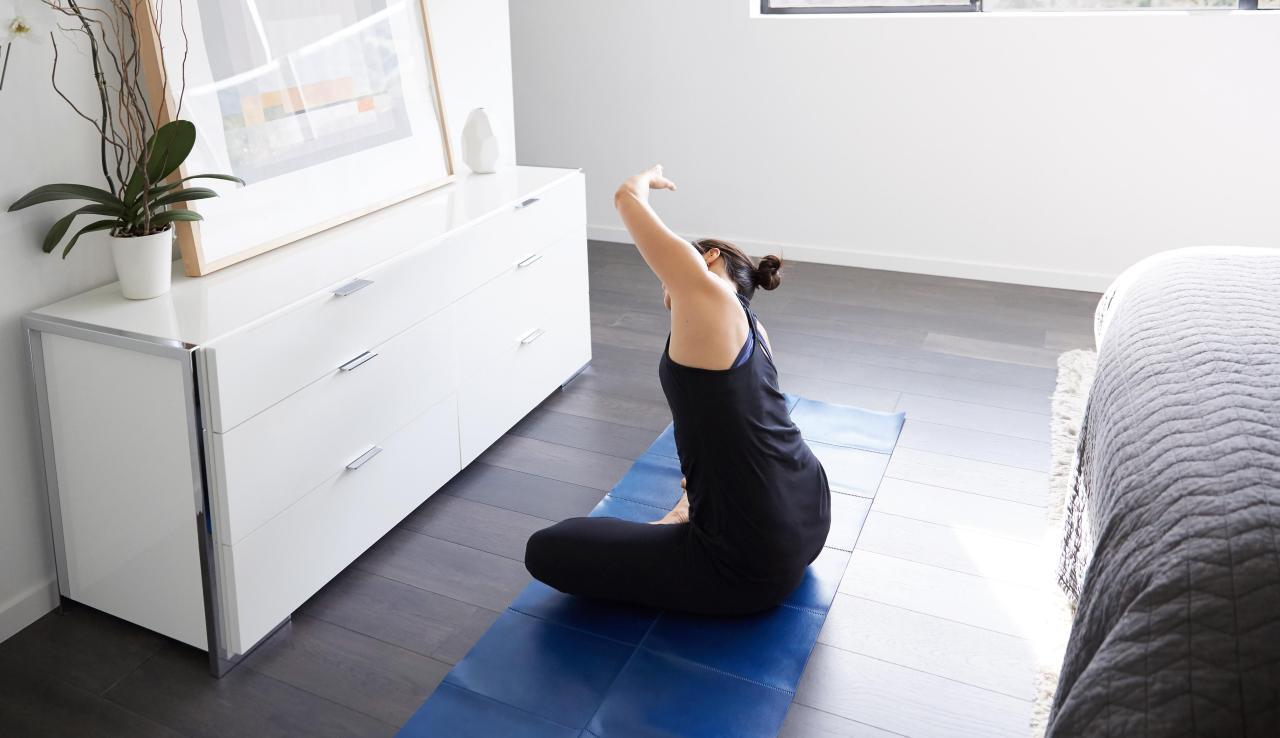
Practicing hot yoga, particularly Bikram, can be incredibly beneficial, but prioritizing safety is paramount. Understanding how to recognize and respond to potential risks is crucial for a positive and injury-free experience. This section details key strategies for maintaining safety throughout your practice.
Listening to Your Body and Recognizing Warning Signs
Recognizing the body’s signals is essential for avoiding overexertion and injury. Pay close attention to any unusual sensations, such as sharp pain, dizziness, or excessive nausea. These signs might indicate a need to modify or stop the pose, or even leave the class. Immediate attention to these symptoms is vital.
Communicating Needs to Instructors
Hot yoga instructors are trained to guide and support students. If you experience discomfort or have concerns, communicate them clearly to your instructor. They can provide adjustments, modifications, or offer advice on how to manage the situation safely. Don’t hesitate to ask for assistance if you need it.
Managing Heat Exhaustion and Heat Stroke
Hot yoga environments can elevate the risk of heat-related illnesses. Symptoms of heat exhaustion include heavy sweating, dizziness, nausea, and rapid pulse. Heat stroke is a more severe condition characterized by high body temperature, confusion, and loss of consciousness. Prompt action is essential. Immediately move to a cooler area, drink cool fluids, and seek medical attention if symptoms persist.
Knowing the warning signs is critical for taking appropriate action.
Preventing Injuries During Practice
Proper warm-up and cool-down routines are critical for injury prevention. Avoid rushing into advanced poses before your body is prepared. Maintaining proper form is essential. If a pose feels uncomfortable, modify it to a more suitable version that does not cause pain. Consistent practice and gradual progression are key to preventing injuries.
Responding to Common Injuries
Common yoga injuries include muscle strains, sprains, and joint pain. If an injury occurs, stop the pose immediately and gently move to a comfortable position. Apply RICE (Rest, Ice, Compression, Elevation) therapy to minimize swelling and pain. Seek medical attention if pain persists or worsens. Knowing how to respond to common injuries allows for appropriate management.
Proper Pacing and Rest Periods
Hot yoga sessions often involve sustained poses and intense physical exertion. Maintain a pace that suits your physical capabilities and fitness level. Incorporate rest periods between poses to allow your body to recover. Taking breaks allows your body to regulate its temperature and prevent fatigue. Remember that rest periods are as important as the poses themselves.
Post-Class Recovery and Maintenance

Following a Hot Yoga (Bikram) session, proper recovery is crucial for maximizing benefits and minimizing potential risks. This phase isn’t just about easing discomfort; it’s a vital component of the overall practice, influencing muscle recovery, injury prevention, and long-term well-being. The strategies discussed here will help you transition smoothly from the heat and intensity of the class into a state of physical and mental rejuvenation.
Importance of Post-Class Recovery
Post-class recovery allows your body to repair and rebuild tissues damaged during the workout. This process involves replenishing fluids, restoring energy stores, and removing metabolic waste products. Adequate recovery also helps prevent delayed-onset muscle soreness (DOMS) and reduces the risk of injury from overexertion. By prioritizing this phase, you create a foundation for continued safe and effective practice.
Proper Cool-Down and Stretching Procedures
A dedicated cool-down period is essential after your Hot Yoga session. This involves gentle stretching of the muscles worked during the class, holding each stretch for 30 seconds to 1 minute. This helps to gradually lower your heart rate and blood pressure, easing your body back to its pre-exercise state. Examples of stretches include hamstring stretches, quadriceps stretches, and chest openers.
Dynamic stretches, which involve controlled movements, are also beneficial for improving flexibility and blood flow.
Maintaining Hydration and Nutrition After Class
Proper hydration and nutrition are fundamental for optimal recovery. Dehydration can hinder muscle repair and increase the risk of soreness. Drink plenty of water throughout the day, especially in the hours following your class. Consuming a balanced meal rich in protein and carbohydrates within an hour or two of your session supports muscle recovery and replenishes energy stores.
Consider foods like lean protein (chicken, fish, tofu), whole grains, and fruits and vegetables.
Long-Term Wellness Strategies for Continued Safe Practice
To ensure sustained well-being and safe practice, consider these long-term strategies. Consistent practice, coupled with proper recovery, leads to improved flexibility, strength, and overall fitness. Regular sleep, stress management techniques, and a healthy lifestyle are crucial components of long-term wellness. Maintaining a consistent yoga practice schedule, coupled with a balanced lifestyle, supports a healthy relationship with your body and the practice.
Preventing Muscle Soreness and Stiffness
Muscle soreness and stiffness are common after a vigorous workout, especially in a heated environment like a Hot Yoga class. Gentle foam rolling or massage can aid in the release of muscle tension and promote blood flow, helping to alleviate soreness. Applying ice packs to affected areas for 15-20 minutes at a time can also help reduce inflammation.
Listening to your body and taking rest days when needed is crucial for preventing overtraining and injuries.
Importance of Rest Days and Listening to Your Body
Rest days are vital for allowing your body to recover and rebuild. They’re not a sign of weakness, but rather a crucial part of a balanced fitness routine. Overtraining can lead to injuries and decrease your overall well-being. Pay attention to any signals your body sends, such as pain, fatigue, or stiffness. Adjust your practice accordingly, and don’t hesitate to take a rest day when needed.
Listening to your body is essential for maintaining safety and maximizing the long-term benefits of your Hot Yoga practice.
Choosing a Qualified Studio and Instructor
Selecting a reputable and qualified Hot Yoga studio is crucial for a safe and effective practice. A well-managed studio with experienced instructors can significantly enhance your overall experience and minimize potential risks. Understanding the studio’s safety protocols and the instructor’s qualifications is paramount to a positive and secure practice.Choosing a studio that prioritizes safety and hygiene is essential for a positive and effective practice.
A thorough evaluation process can help ensure a supportive and clean environment. This involves assessing various factors, including instructor certifications, studio cleanliness, and safety protocols.
Evaluating a Hot Yoga Studio for Safety and Cleanliness
Ensuring the safety and cleanliness of your Hot Yoga studio is vital. A reputable studio prioritizes hygiene and safety protocols. Look for signs of a clean and well-maintained environment to mitigate potential health risks.
- Cleanliness: Inspect the studio’s cleanliness, including the floors, mats, and equipment. Notice the frequency of cleaning and maintenance procedures. A clean environment reduces the risk of spreading germs and infections. The studio should have a visible cleaning schedule and demonstrate regular disinfection of surfaces and equipment, particularly mats.
- Ventilation: A well-ventilated studio is crucial for maintaining a safe and comfortable temperature. Check for adequate ventilation systems, and ensure proper air circulation to prevent overheating and dehydration.
- Water Quality: The water used for the studio’s hot environment should be appropriately treated. A clean water system is crucial for hygiene and to prevent health issues.
- Emergency Preparedness: Look for visible emergency procedures. Assess whether the studio has emergency exits, a first-aid kit, and a plan in case of unexpected situations. This shows that the studio prioritizes the safety of its participants.
Identifying Aspects to Look for When Choosing a Studio or Instructor
Several factors contribute to a positive and safe Hot Yoga experience. Carefully considering these aspects ensures a supportive and controlled environment.
- Instructor Qualifications: Experienced instructors are essential for a safe and effective practice. Look for instructors who hold relevant certifications and have demonstrated experience in Hot Yoga, such as certifications from organizations like the Yoga Alliance. The studio should have clear information about the instructors’ qualifications, including the specific certifications they hold and their experience level. A reputable studio will provide detailed information on their instructors’ credentials.
- Studio Policies and Procedures: Review the studio’s policies on hygiene, safety, and emergency procedures. Clear communication regarding these policies demonstrates the studio’s commitment to safety.
- Studio Environment: Assess the overall atmosphere of the studio. A welcoming and supportive environment encourages a positive practice experience.
- Student-to-Instructor Ratio: A balanced student-to-instructor ratio ensures individual attention and safety during class.
Certification Examples
Several organizations offer certifications in yoga. These certifications demonstrate a commitment to training and expertise.
- Yoga Alliance Registered Yoga Teacher (RYT): A widely recognized certification, the RYT designation signifies a certain level of training in yoga practice and instruction.
- Bikram Yoga Certification: A specialized certification in Bikram Yoga, emphasizing a particular style of practice.
- Other Yoga Certifications: Numerous other organizations offer yoga certifications, reflecting varying levels of training and specializations.
Role of Studio Safety Protocols
Effective safety protocols are crucial for mitigating risks in a Hot Yoga studio. The studio should have clear policies and procedures to ensure a safe environment.
- Hydration Protocols: A studio with robust hydration guidelines encourages proper fluid intake during and after class.
- Temperature Monitoring: Regular temperature monitoring within the studio helps maintain a safe and controlled environment. The studio should have procedures for adjusting the temperature if needed.
- Emergency Procedures: Well-defined emergency procedures, including first aid protocols and emergency contacts, contribute to a safe environment.
Checklist for Evaluating a Studio
A checklist can help you evaluate a Hot Yoga studio’s safety and quality.
| Criteria | Evaluation |
|---|---|
| Cleanliness of the studio | (Good/Fair/Poor) |
| Adequate ventilation | (Good/Fair/Poor) |
| Instructor qualifications | (Detailed/Limited/None) |
| Studio policies and procedures | (Clear/Vague/Missing) |
| Emergency preparedness | (Present/Absent) |
Illustrations and Visual Aids
Visual aids are crucial for safe and effective hot yoga practice. Clear visual representations of poses, modifications, and safety procedures enhance understanding and reduce the risk of injury. They provide a tangible reference for practitioners to ensure correct alignment and technique, particularly in a dynamic and demanding environment like a hot yoga studio.Visual aids, when well-designed, serve as powerful tools for both instructors and students.
They help instructors communicate complex information concisely and students grasp the nuances of postures and safety protocols more readily.
Proper Alignment and Modifications in Poses
Understanding proper alignment in each pose is fundamental to maximizing benefits and minimizing risk. Visual aids depicting the key anatomical landmarks and the correct positioning of body parts, like hands, feet, and spine, are essential. Clear illustrations should showcase the subtle variations required for different body types and flexibility levels. Detailed images should accompany textual descriptions, emphasizing crucial points like spinal elongation, hip placement, and shoulder stability.
Modifications for each pose should be clearly depicted, showing alternative ways to achieve the posture’s benefits without compromising safety. For instance, a visual guide illustrating modifications for a warrior pose, showing how to adjust the stance and hand placement for different levels of flexibility, would be extremely helpful. These visual aids allow practitioners to visualize the intended outcome and adjust their approach accordingly.
Hydration Techniques
Adequate hydration is vital during hot yoga practice. Visual aids, such as infographics or simple diagrams, can effectively communicate hydration strategies. These aids could illustrate the importance of drinking water throughout the day, even before entering the studio. The illustrations should emphasize the quantity and frequency of water intake, using visuals to showcase the ideal amount to consume before, during, and after class.
A visual guide might depict a water bottle with markings indicating appropriate intake at different points.
Identifying and Managing Heat Exhaustion Symptoms
Visual aids are invaluable in recognizing the symptoms of heat exhaustion. A chart or diagram could illustrate the key signs and symptoms, including dizziness, nausea, headache, and excessive sweating. The visual representation should link these symptoms to potential causes and highlight the importance of immediate intervention. The visual aid could include steps to take when recognizing these symptoms, such as moving to a cooler area, resting, and drinking fluids.
A table outlining the symptoms, their potential causes, and recommended actions would be a valuable resource for both instructors and students.
Safe Studio Navigation
A visual guide to studio navigation is helpful, particularly for new students. A floor plan or a series of images could show the location of water stations, restrooms, and exits. A visual representation of common studio equipment, like mats and props, and their placement would help ensure a smooth and safe experience. The visual aid could include arrows or clear markings to guide students to different areas of the studio.
Cool-Down Stretches
A step-by-step guide to cool-down stretches is critical for recovery. Visual aids are highly effective for this. Illustrations should demonstrate each stretch, highlighting the proper alignment and range of motion. A series of images, showcasing each stretch in progressive stages, would facilitate correct execution. The sequence of stretches should also be depicted to illustrate the logical flow from one stretch to the next.
Each illustration should include cues and instructions to aid in understanding the stretch’s focus.
Modifications for Poses
Visual aids should demonstrate various modifications for different poses. These visual aids should showcase the options available for different body types, flexibility levels, and injuries. A series of images depicting modifications for poses like downward-facing dog, warrior poses, and seated forward folds would be very helpful. This comprehensive approach would empower practitioners to tailor their practice to their individual needs and capabilities.
Final Wrap-Up
In conclusion, mastering the art of safe Hot Yoga (Bikram) involves meticulous pre-practice preparation, a deep understanding of poses and modifications, proactive safety measures during class, and a thoughtful approach to post-class recovery. By incorporating these strategies, you can fully realize the physical and mental benefits of this demanding practice while prioritizing your well-being and safety. Remember, listening to your body and seeking guidance from qualified professionals are key components of this journey.