Embark on a journey of self-discovery and well-being through the practice of gratitude, interwoven with the transformative power of yoga. This exploration delves into the profound connection between these two practices, revealing how incorporating gratitude into your yoga routine can lead to a more enriching and fulfilling life experience. By understanding the philosophical underpinnings of gratitude in various yoga traditions, we’ll uncover the numerous benefits for mental and emotional well-being.
This guide will detail specific yoga poses, mindfulness techniques, and breathing exercises designed to foster a sense of appreciation. We will explore the role of visualization and connecting with nature to cultivate gratitude, not only on the yoga mat but also in daily life. Ultimately, this comprehensive approach equips you with the tools to cultivate gratitude and experience its profound impact on your overall well-being.
Introduction to Gratitude and Yoga
Cultivating gratitude is a powerful practice that can enrich our lives in profound ways. It involves acknowledging and appreciating the good things in our lives, from the smallest gestures to the most significant blessings. This appreciation fosters a sense of contentment and well-being, impacting not only our mental state but also our physical and emotional health. Yoga, with its emphasis on mindfulness and self-awareness, provides a fertile ground for cultivating gratitude.
Integrating these two practices can lead to a deeper understanding of ourselves and the world around us.Gratitude, at its core, is the capacity to recognize and appreciate the positive aspects of our experiences. It’s not merely a feeling but a conscious choice to focus on the good, a shift in perspective that reorients our energy and attention. In various yoga traditions, this focus on appreciation resonates deeply with the core tenets of mindfulness, connecting us to the present moment and fostering a sense of contentment.
This connection between gratitude and yoga is particularly valuable for enhancing mental well-being, providing a holistic approach to managing stress and fostering resilience.
Definition of Gratitude and its Benefits
Gratitude is the quality of being thankful; readiness to show appreciation for and to return kindness. This recognition of the positive aspects of our lives leads to numerous benefits. Increased happiness and life satisfaction are frequently reported, along with improved relationships and reduced stress. Studies show a correlation between gratitude and improved physical health, potentially through reduced stress hormones and enhanced immune function.
Gratitude practice is often associated with increased resilience, allowing individuals to bounce back from adversity more effectively.
Philosophical Underpinnings of Gratitude in Yoga
Various yoga traditions emphasize gratitude as a fundamental aspect of spiritual growth. In Hatha Yoga, the focus on physical postures and breathwork cultivates awareness, paving the way for gratitude. In Bhakti Yoga, devotion and appreciation for the divine are central, fostering a profound sense of gratitude for the universe. Similarly, in Karma Yoga, the selfless service and action encourage gratitude for the opportunities to contribute and make a difference.
These traditions underscore the interconnectedness of all beings and the importance of appreciating the blessings in our lives.
Connection Between Gratitude and Mental Well-being
Gratitude is intricately linked to mental well-being. By actively acknowledging the positive aspects of our experiences, we shift our focus away from negativity and cultivate a more positive mindset. This shift in perspective can lead to decreased stress levels, improved emotional regulation, and increased feelings of happiness and contentment. Gratitude can enhance self-compassion, reducing self-criticism and fostering a more nurturing inner dialogue.
This self-compassion fosters resilience, enabling individuals to navigate challenges with greater ease and optimism.
Yoga Poses for Cultivating Gratitude
Embarking on a journey of gratitude through yoga involves not only physical postures but also a profound connection with the mind and spirit. The act of practicing gratitude is intrinsically linked to well-being, and yoga provides a unique framework to foster this appreciation within ourselves and the world around us. By focusing on specific poses and their inherent benefits, we can cultivate a deeper sense of thankfulness.Cultivating gratitude through yoga goes beyond simply feeling thankful; it’s about actively engaging with the present moment and appreciating the positive sensations in our bodies and minds.
The stillness and concentration required in yoga practice can create a space for reflection, allowing us to identify and acknowledge the good in our lives. These mindful movements promote a sense of inner peace and contentment, which are essential components of a grateful disposition.
Specific Yoga Poses for Gratitude
These poses are designed to promote feelings of appreciation and thankfulness. Each posture, when approached with mindfulness, can cultivate a sense of gratitude by connecting us with the present moment and our own inner strength.
Mountain Pose (Tadasana)
Standing tall with feet together, grounding your energy into the earth, is a foundational posture for cultivating gratitude. Feel the weight of your body on your feet, and lengthen your spine, drawing your awareness upward. Notice the stability and strength within your body. This awareness can lead to a profound sense of appreciation for your physical well-being. This pose can help connect you to the earth and create a sense of groundedness, allowing you to recognize the support system around you.
Tree Pose (Vrksasana)
Shifting your weight to one leg, balancing your body, and bringing your other foot to your inner thigh, is a powerful pose that promotes gratitude. Feel the steadiness as you maintain balance, and notice the strength and stability within your core. The mental focus required for balance in this pose can help you appreciate the ability to concentrate and stay present.
The feeling of stability can translate to a feeling of gratitude for your own strength and resilience.
Warrior II Pose (Virabhadrasana II)
Stepping your feet wide apart, extending your arms parallel to the floor, and engaging your core to maintain a strong posture, creates a powerful feeling of strength and gratitude. Feel the stretch in your hamstrings and hips. The posture’s dynamism can inspire appreciation for your body’s range of motion and energy. This pose can encourage a sense of empowerment, allowing you to recognize the power within yourself and the potential for growth.
Child’s Pose (Balasana)
Kneeling on the floor, bringing your forehead to the mat, and gently resting your arms beside your body, fosters a sense of peace and gratitude. Feel the release of tension in your back and shoulders, and the calming effect of the pose. This posture can help you appreciate the importance of rest and rejuvenation, promoting a sense of calm and thankfulness for the opportunity to unwind.
Bridge Pose (Setu Bandha Sarvangasana)
Lying on your back with knees bent and feet flat on the floor, lifting your hips off the ground, engages the muscles of your back and glutes, and creates a sense of gratitude. Feel the stretch in your chest and shoulders, and the strength in your core. The feeling of expansion and support can help you appreciate the interconnectedness of your body and mind.
Comparison of Poses
| Pose | Physical Benefits | Mental Benefits | Gratitude Connection |
|---|---|---|---|
| Mountain Pose | Improved posture, groundedness, enhanced body awareness | Focus, centeredness, appreciation for physical well-being | Recognizing the support of the earth and your body |
| Tree Pose | Improved balance, core strength, increased stability | Focus, concentration, appreciation for inner strength | Recognizing personal strength and resilience |
| Warrior II Pose | Strengthens legs, improves flexibility, enhances energy | Empowerment, determination, appreciation for body’s strength | Recognizing inner power and potential |
| Child’s Pose | Stretches back, hips, and thighs, relieves stress | Relaxation, calmness, appreciation for rest and rejuvenation | Appreciating the importance of rest and self-care |
| Bridge Pose | Strengthens back, chest, and core, improves circulation | Confidence, groundedness, appreciation for interconnectedness | Appreciating the connection between body and mind |
Mindfulness and Gratitude in Practice
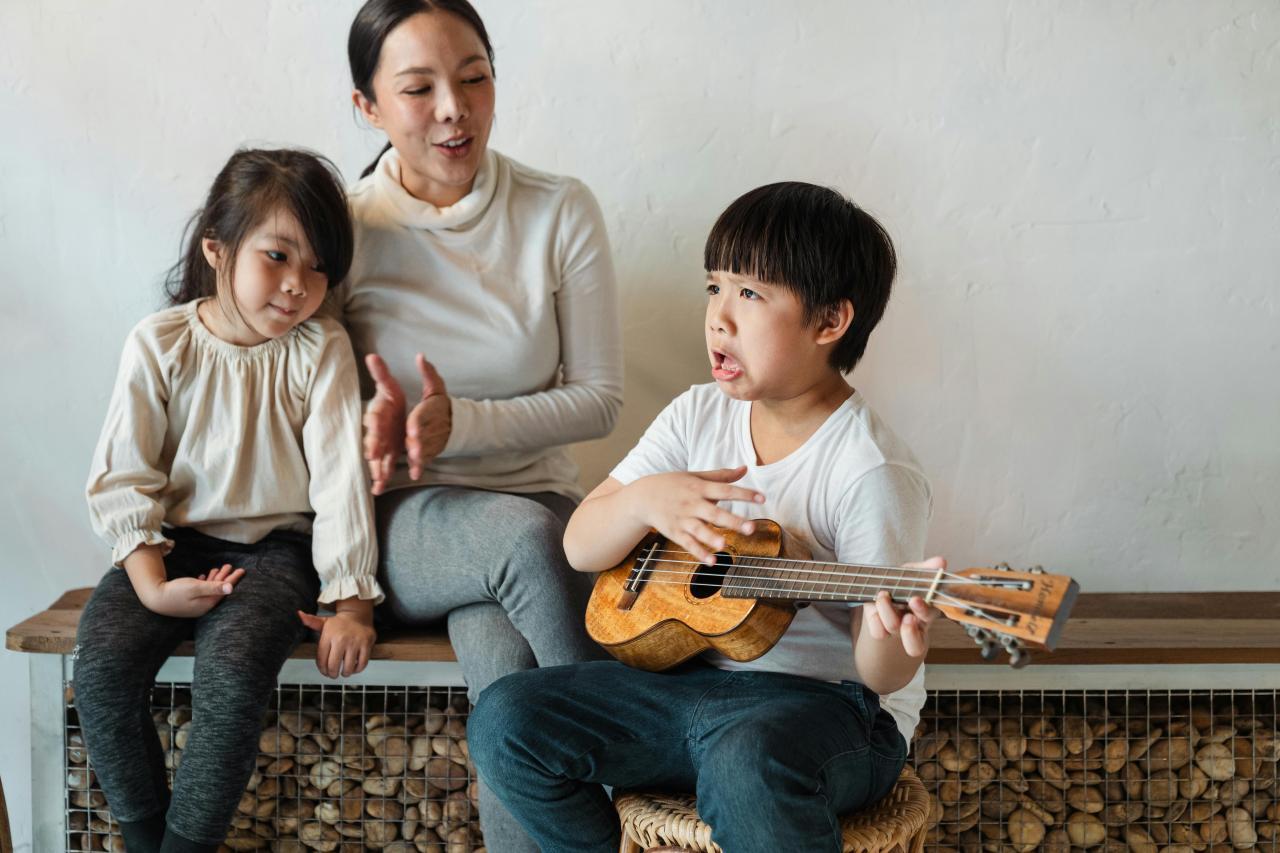
Cultivating gratitude through yoga extends beyond physical postures. Mindfulness, a core element of yoga philosophy, plays a crucial role in deepening our appreciation for the present moment and fostering a grateful heart. This mindful awareness can be applied to daily activities, enhancing our experience of gratitude within and beyond the yoga studio.Mindfulness in yoga is not simply about being aware of our thoughts and feelings; it’s about observing them without judgment.
This non-judgmental observation, when coupled with a focus on gratitude, allows us to recognize the positive aspects of our lives and appreciate the simple moments. This conscious awareness can transform our interactions with the world, shifting our perspective from one of scarcity to one of abundance.
Mindfulness in Daily Activities
Daily life often rushes by, filled with tasks and responsibilities. Mindfulness techniques can be integrated into these activities to cultivate a deeper appreciation for them. By bringing mindful awareness to everyday actions, we can transform mundane tasks into opportunities for gratitude.For example, consider the act of eating. Instead of rushing through a meal, take time to savor the flavors, textures, and aromas of the food.
Notice the sensations in your body as you chew and swallow. This mindful awareness shifts the focus from simply consuming food to experiencing the gift of nourishment. Similarly, engage in mindful movements like walking, cleaning, or interacting with others, noticing the details and appreciating the process.
Mindful Awareness and Gratitude in Yoga Practice
Mindfulness enhances gratitude in yoga practice by helping us to connect with the present moment. As we move through postures, we can observe the sensations in our bodies without judgment. We can appreciate the strength and flexibility we possess, the connection to our breath, and the calming effect of the practice. This awareness fosters gratitude for the benefits of yoga.This mindful connection extends beyond the physical realm.
During meditation, mindful awareness allows us to appreciate the quiet space and the opportunity for introspection. We can be grateful for the stillness and clarity that emerge. By focusing on the present moment and acknowledging the positive aspects of our experience, we strengthen our connection to gratitude.
Mindfulness Exercises for Gratitude
These exercises provide structured methods for cultivating mindful awareness and gratitude.
- Mindful Breathing: Pay close attention to the sensation of your breath entering and leaving your body. Notice the rise and fall of your chest or abdomen. With each breath, acknowledge the gift of life and the breath itself. This simple exercise can be done anywhere, anytime.
- Gratitude Journaling: At the end of each day, write down three things you are grateful for. This practice helps solidify positive feelings and strengthens the connection between gratitude and mindfulness.
- Body Scan Meditation: Bring awareness to different parts of your body, noticing any sensations without judgment. Appreciate the functionality of each part and the overall well-being of your body. This helps cultivate gratitude for your physical form.
- Mindful Walking: Focus on the sensation of your feet touching the ground with each step. Notice the rhythm of your breath and the movement of your body. Observe the details of your surroundings, from the trees to the people you encounter. Appreciate the simple act of walking and the environment around you.
These exercises can be practiced individually or combined to enhance the connection between mindfulness and gratitude in your daily life and yoga practice. By incorporating these techniques, you can cultivate a deeper sense of appreciation for the present moment and all its blessings.
Incorporating Gratitude into Your Yoga Routine

Integrating gratitude into your yoga practice enhances its benefits, fostering a deeper connection with your body, mind, and spirit. This involves weaving moments of appreciation into the various stages of your yoga session, from preparation to reflection. By cultivating gratitude, you transform your yoga practice from a physical exercise into a holistic experience.Gratitude practices, when interwoven with the physical postures and breathwork of yoga, amplify the positive effects of both.
The act of expressing gratitude during yoga can create a profound shift in your mindset, fostering feelings of contentment and well-being that extend beyond the mat.
Pre-Yoga Gratitude Practices
Pre-yoga preparation is an excellent time to cultivate gratitude. Taking a few moments to acknowledge the blessings in your life before beginning your practice can set a positive tone for the entire session. This conscious preparation primes your mind for a more receptive and grateful experience.
- Mindful Reflection: Begin your day by reflecting on three things you are grateful for. These could be small gestures, like a warm cup of tea or a supportive friend, or larger aspects of your life, such as your health or your home. This brief practice grounds you in positivity and sets the stage for your yoga session.
- Gratitude Journaling: If you prefer a more structured approach, jot down a few things you are grateful for in a gratitude journal. Writing them down reinforces the feeling of appreciation and can be a powerful tool to access your inner peace.
- Sensory Awareness: Before beginning your yoga practice, take a moment to notice the sensations around you. Appreciate the feel of the floor beneath you, the air on your skin, the gentle light in the room. This mindful awareness fosters gratitude for the present moment.
Gratitude During Yoga Poses
Throughout your yoga practice, you can incorporate gratitude into your movements and breathwork. This can involve acknowledging the strength and flexibility of your body, or expressing gratitude for the opportunity to practice. This fosters a profound connection with your body, mind, and spirit.
- Mindful Movement: As you move through each posture, acknowledge the effort and flexibility of your body. Express gratitude for the ability to move freely and to experience the sensations in your body.
- Breathwork and Gratitude: During your breathwork, use each inhale to acknowledge a positive aspect of your life and exhale any negativity. This practice can deepen your gratitude and calm your mind.
- Visualization: Imagine yourself surrounded by people or situations you are grateful for. Visualize the positive emotions associated with those relationships or experiences, and hold these positive feelings in your mind during your practice.
Post-Yoga Gratitude Practices
After your yoga session, take a moment to reflect on the experience. Expressing gratitude for the practice itself, and for the positive feelings it generated, can solidify the benefits of your yoga session. This solidifies the connection between your practice and your overall well-being.
- Post-Session Reflection: Take a few minutes after your yoga session to reflect on the physical and mental sensations you experienced. Acknowledge the positive changes in your body and mind. Notice the sense of peace, relaxation, or strength you feel. This mindful reflection can be a powerful tool for reinforcing gratitude.
- Gratitude Affirmations: Repeat gratitude affirmations as you wind down. For example, “I am grateful for my strength,” or “I am grateful for my flexibility.” This practice solidifies the positive feelings and reinforces the benefits of your practice.
- Sharing Gratitude: If you feel comfortable, share your gratitude with someone you love. This act of expressing your appreciation can strengthen your connections with others.
A Sample Gratitude Yoga Flow
This sample flow incorporates gratitude into each stage of the practice:
| Stage | Action | Gratitude Focus |
|---|---|---|
| Pre-Yoga | Mindful reflection on three things you are grateful for. | Personal well-being, relationships, and life circumstances. |
| Posture 1: Mountain Pose | Feel the connection between your body and the earth. | Body’s strength and stability. |
| Posture 2: Warrior II | Visualize a person or situation you are grateful for. | Relationships and supportive figures. |
| Breathwork | Inhale gratitude for a positive aspect of your day. Exhale any negativity. | Daily joys and positive experiences. |
| Post-Yoga | Reflect on the positive feelings from the practice. | The practice itself and the positive changes it brought. |
Step-by-Step Guide to Incorporating Gratitude
- Preparation: Start your day by identifying three things you are grateful for. Write them down if you like.
- Pre-Practice: Take a few minutes before your session to reflect on these gratitudes and your overall well-being. Visualize yourself feeling gratitude.
- During Practice: Acknowledge your body’s strength and flexibility as you move through each pose. Use your breathwork to express gratitude.
- Post-Practice: Reflect on the positive sensations and experiences from your session. Repeat gratitude affirmations to reinforce these feelings.
- Daily Integration: Incorporate these steps into your daily routine to cultivate gratitude consistently.
Gratitude and the Breath
Connecting with gratitude through yoga often involves a deep understanding of the breath. The breath is a powerful tool, capable of shifting our emotional state and influencing our perception of the world around us. In this context, mindful breathing techniques can deepen our appreciation for the present moment and cultivate a sense of gratitude.The act of consciously focusing on our breath can anchor us in the present, allowing us to detach from anxieties and concerns about the past or future.
This anchoring effect creates space for a more profound appreciation for the present moment and all that it offers. Furthermore, the physiological effects of deep, conscious breathing can positively influence our emotional state, promoting feelings of calm and contentment, which are integral to fostering gratitude.
Breathing Techniques for Enhancing Appreciation
Conscious breathing techniques can be instrumental in enhancing feelings of gratitude. Different techniques engage various aspects of the body and mind, allowing for a multifaceted approach to cultivating appreciation. By practicing these techniques, we can cultivate a deeper sense of gratitude.
- Diaphragmatic Breathing: This technique involves engaging the diaphragm, the muscle located beneath the lungs, to facilitate deep, full breaths. By focusing on the rise and fall of the abdomen, practitioners can connect with their bodies and the natural rhythm of breathing. This process allows for a more profound connection with the present moment, fostering appreciation for the simple act of breathing itself.
- Alternate Nostril Breathing (Nadi Shodhana): This ancient yogic practice involves inhaling through one nostril and exhaling through the other. This technique promotes balance and harmony, both physically and mentally. The rhythmic flow of breath and the focus required create a state of calmness, facilitating a deeper connection with feelings of appreciation.
- Ujjayi Breath: Known as the “Victorious Breath,” Ujjayi involves a gentle constriction of the throat, creating a soft, whispering sound during both inhalation and exhalation. This technique promotes relaxation and focus, while also enhancing energy levels. The internal sound and the physical sensation associated with this breathwork technique help create a space for gratitude to flourish.
Conscious Breathing and Increased Gratitude
Conscious breathing directly impacts our physiological and emotional responses. By focusing on the breath, we can calm the nervous system, reducing stress and anxiety. This state of calm and clarity allows for a more receptive attitude toward the positive aspects of our lives, which then promotes gratitude.The very act of noticing and appreciating each breath, recognizing its importance to our well-being, can extend to a broader appreciation of life’s blessings.
This process, in essence, helps to cultivate gratitude as a consistent state of being.
A Step-by-Step Gratitude Breathing Exercise
This exercise combines elements of diaphragmatic breathing with a focus on gratitude.
- Find a comfortable seated position. Allow your spine to lengthen, creating space for your breath to flow freely. A chair or cushion can be used to support your posture. A quiet environment is optimal.
- Begin with diaphragmatic breathing. Place one hand on your chest and the other on your abdomen. As you inhale, feel your abdomen rise while your chest remains relatively still. Exhale slowly, allowing your abdomen to fall.
- Focus on the breath. As you breathe in, acknowledge the sensation of the air entering your body. As you breathe out, notice the sensation of the air leaving your body.
- Cultivate gratitude. With each inhale, silently acknowledge a thing, person, or aspect of your life that you are grateful for. This could be something simple, like the warmth of the sun or the support of a friend. With each exhale, release any tension or negativity.
- Continue for 5-10 minutes. Gradually lengthen the duration of your practice as you become more comfortable with the technique.
Visualizing Gratitude During Yoga

Visualization plays a significant role in yoga practice, extending beyond mere imagery to encompass a powerful tool for emotional regulation and well-being. By engaging in mental imagery, practitioners can tap into the subconscious mind, fostering a deeper connection with the present moment and cultivating positive emotions, including gratitude. This practice can be seamlessly integrated into a gratitude-focused yoga session to amplify its benefits.Visualization, when combined with the physical postures and breathwork of yoga, can create a potent synergy for cultivating gratitude.
By picturing scenes and feelings associated with gratitude, practitioners can evoke those positive emotions within themselves, creating a more profound and lasting impact. This process fosters a shift in perspective, allowing individuals to appreciate the good in their lives more readily.
Techniques for Visualizing Gratitude
Visualization techniques offer a structured approach to cultivate feelings of gratitude during yoga. These methods can be tailored to individual preferences and experiences. A variety of techniques are available, each with its own benefits.
- Gratitude Journaling Visualization: This technique involves recalling positive experiences from the past. Visualize yourself in those situations, noticing the details of the environment, and focusing on the emotions associated with those moments. Engage all five senses, such as the warmth of the sun on your skin, the taste of a favorite food, or the smell of fresh flowers.
These vivid mental images can evoke feelings of gratitude and contentment.
- Future Gratitude Visualization: Visualize yourself in the future, experiencing situations where you are grateful for something. This could be a successful presentation, a loving interaction with a friend, or achieving a personal goal. Visualize the specific emotions of gratitude, joy, and fulfillment that accompany these moments. This technique can foster a sense of anticipation and motivation, further fueling feelings of gratitude.
- Gratitude Manifestation Visualization: Visualize yourself expressing gratitude for the present moment. This could involve seeing yourself offering appreciation to others or recognizing the positive aspects of your surroundings. Imagine yourself receiving gratitude from others in return, highlighting the reciprocal nature of gratitude. This technique can encourage a positive feedback loop, creating a cycle of appreciation.
Integrating Visualization into a Yoga Session
Integrating visualization into a yoga session for gratitude can enhance the overall experience. By weaving these techniques into existing routines, practitioners can amplify the positive effects of both yoga and visualization.
- Starting with a Gratitude Check-in: Begin your yoga session with a brief gratitude check-in. Take a few moments to reflect on three things you are grateful for. Use these elements as seeds for visualization, and continue to visualize those positive moments throughout your session. Allow yourself to feel the emotions associated with those moments.
- Visualization during specific postures: As you move through your yoga poses, visualize specific elements that evoke gratitude. For example, during mountain pose, visualize yourself standing tall and strong, feeling grateful for your body’s ability to move. During child’s pose, visualize yourself nestled in a comforting place, feeling grateful for peace and rest. Incorporate these images into the breath work and postures.
- Concluding with a Gratitude Visualization: As you conclude your session, visualize a positive future outcome. This could be a future interaction, a personal goal, or a positive relationship. Visualize yourself in this future scenario and feel the gratitude and joy associated with it. This practice helps to reinforce the positive feelings generated during the session and set a positive intention for the rest of the day.
Gratitude and the Environment
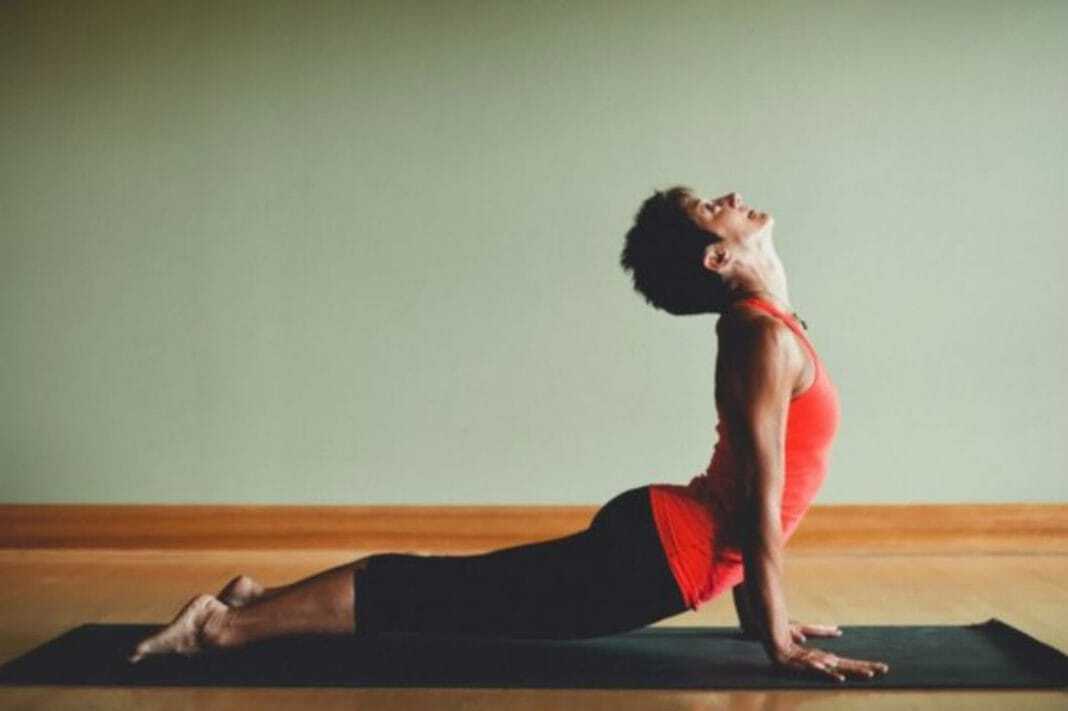
Cultivating gratitude extends beyond personal experiences to encompass the natural world. Connecting with nature’s beauty and abundance can deepen our appreciation for the intricate systems that sustain life. This connection fosters a profound sense of interconnectedness, reminding us of our place within a larger, awe-inspiring ecosystem.Understanding our interdependence with the natural world is crucial for cultivating gratitude. Recognizing the vital role ecosystems play in our well-being, from providing clean air and water to regulating climate, encourages a sense of responsibility and appreciation.
By engaging with nature through yoga, we can strengthen this connection and nurture a profound sense of gratitude for the planet.
Connecting with Nature Through Yoga
Engaging with nature directly during yoga practice can significantly enhance our sense of gratitude. This involves mindful observation of the surrounding environment, from the gentle rustling of leaves to the soaring flight of birds. These sensory experiences can awaken a deep appreciation for the natural world’s beauty and complexity.
Examples of Connecting with Nature
Several approaches can be used to connect with nature to foster gratitude. For instance, practicing yoga in a park or forest offers opportunities to immerse oneself in the sights, sounds, and smells of the natural world. A mindful walk through a garden, observing the vibrant colors and delicate textures of flowers, can also cultivate a sense of gratitude.
Paying attention to the way sunlight filters through the trees or the way the wind moves through the grass can provide a profound connection with nature. Even observing the patterns of clouds in the sky can inspire a sense of wonder and gratitude for the natural world.
Incorporating Nature into Your Yoga Practice
Numerous ways can be implemented to incorporate nature into your yoga practice. Taking your yoga session outdoors in a natural setting like a park, forest, or beach can deepen your connection with the environment. Incorporating elements of nature into your practice can be achieved through visual imagery. For example, envisioning a lush forest or a serene beach while performing yoga postures can deepen the meditative experience and foster gratitude.
Nature’s Elements and Gratitude
A deeper understanding of the natural world can inspire a sense of awe and gratitude. This understanding can be enhanced by recognizing the specific contributions of each element to the overall ecosystem. This table provides examples of how different natural elements can inspire gratitude.
| Natural Element | Connection to Gratitude | Yoga Practice Integration |
|---|---|---|
| Sunlight | Provides energy, warmth, and life. Recognizing the source of life and growth. | Visualize sunlight as a source of energy during sun salutations. Feel the warmth on your skin while practicing poses in the sun. |
| Water | Essential for life. Recognizing the vital role water plays in sustaining life. | Feel the cool water on your skin during a water-based yoga practice. Visualize flowing water while performing flowing poses. |
| Trees | Provide oxygen, shade, and shelter. Appreciating their role in sustaining life. | Find a spot beneath a tree to practice yoga. Notice the texture of the tree bark. Visualize the tree’s roots connecting to the earth. |
| Wind | Symbolises change and movement. Appreciating the dynamic energy of nature. | Feel the wind during outdoor yoga. Incorporate flowing poses and movements to reflect the wind’s energy. |
Gratitude and Daily Life
Cultivating gratitude extends far beyond the confines of a yoga mat. It’s a practice that enriches our daily experiences, fostering a deeper appreciation for the present moment and enhancing our overall well-being. By incorporating gratitude into our daily routines, we can transform mundane tasks into opportunities for reflection and appreciation.Gratitude, when practiced consistently, isn’t just a feel-good exercise; it has a profound impact on our mental and emotional health.
Studies show a strong correlation between gratitude and reduced stress, improved mood, and increased resilience. It’s a powerful tool for navigating life’s challenges with greater composure and optimism.
Extending Gratitude Beyond the Yoga Mat
Gratitude is not limited to yoga practice; it can permeate all aspects of life. Actively seeking opportunities to express appreciation for the people, experiences, and circumstances in our daily lives can significantly improve our outlook. This can involve recognizing the efforts of others, acknowledging positive experiences, and savoring the simple pleasures of everyday life.
Methods for Incorporating Gratitude into Everyday Activities
Several methods can help integrate gratitude into daily activities. These methods can be simple and flexible, fitting into various lifestyles.
- Gratitude Journaling: Regularly recording things you’re grateful for, big or small, can solidify the habit of appreciation. This practice can range from jotting down a few thoughts in a notebook to using dedicated gratitude journaling apps. Reflecting on specific events or interactions, and noting how they made you feel, can enhance the journaling experience. By connecting the feeling of gratitude to specific situations, you strengthen the neural pathways associated with gratitude.
- Gratitude Check-Ins: Schedule brief moments throughout the day to reflect on things you’re grateful for. This could be during your commute, while waiting in line, or even while preparing a meal. These brief check-ins reinforce the practice and remind you of the positive aspects of your life.
- Expressing Appreciation: Expressing gratitude to others is a powerful way to cultivate appreciation in yourself. A simple “thank you” can make a significant difference in someone’s day and reinforce your own feelings of gratitude. This could involve thanking colleagues for their support, acknowledging a friend’s kindness, or expressing appreciation to family members for their help.
- Mindful Observation: Pay attention to the details around you. Notice the beauty in nature, the kindness of a stranger, or the comfort of your home. Focusing on these details can cultivate a sense of awe and appreciation.
Impact of Gratitude on Overall Well-being
Gratitude has a profound impact on overall well-being, influencing physical and mental health. It’s linked to lower levels of stress, anxiety, and depression. Studies have shown a positive correlation between gratitude and improved sleep quality, increased energy levels, and enhanced immune function. Furthermore, gratitude can foster stronger relationships and a more positive outlook on life.
Simple Actions Promoting Gratitude Outside of Yoga
Practicing gratitude extends beyond formal exercises. Small, consistent actions can significantly contribute to a more appreciative lifestyle.
- Acknowledging Acts of Kindness: When someone helps you, take a moment to express your gratitude. This could be as simple as saying “thank you” or writing a heartfelt note. This not only benefits the receiver but also reinforces the positive feeling of gratitude within you.
- Savor Everyday Pleasures: Pay attention to the simple pleasures in life, such as a delicious meal, a beautiful sunset, or a good book. Take time to appreciate these moments, and reflect on the feelings they evoke.
- Helping Others: Acts of service, whether big or small, can foster gratitude. Helping someone in need, volunteering your time, or simply offering a helping hand to a neighbor can cultivate a sense of purpose and appreciation for the positive impact you have on others.
- Practicing Self-Compassion: Acknowledge and appreciate your own strengths and efforts. This practice of self-compassion is essential to maintaining a positive and grateful outlook.
Closing Notes
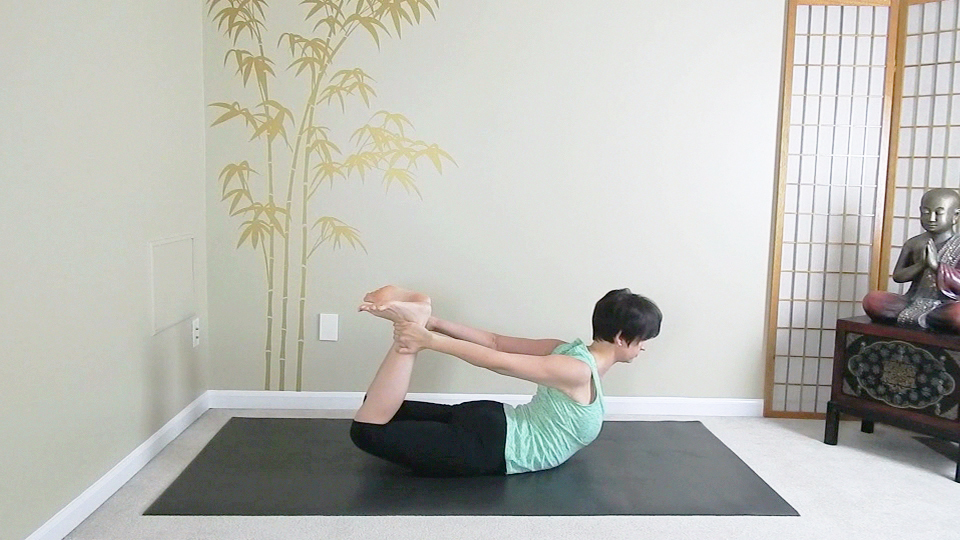
In conclusion, this exploration of How to Practice Gratitude Through Yoga emphasizes the transformative power of incorporating gratitude into your yoga practice. By understanding the interconnectedness of physical postures, mindful awareness, and conscious breathing, you can cultivate a deeper sense of appreciation and enhance your overall well-being. This guide provides a structured framework to integrate gratitude into your daily yoga routine, empowering you to experience the many benefits of this holistic practice.
Remember, gratitude is a journey, not a destination, and each step you take toward cultivating it brings you closer to a more fulfilling and meaningful life.