Embarking on a yoga journey can be daunting, but the fear of your first class doesn’t have to hold you back. This guide offers practical strategies to overcome anxieties, prepare effectively, and confidently navigate your first yoga experience. We’ll explore common fears, provide helpful pre-class preparation tips, and offer strategies for a positive in-class and post-class experience.
From understanding the range of anxieties associated with trying yoga for the first time to mastering essential techniques for a smooth experience, this comprehensive guide will equip you with the tools to embrace this rewarding practice. We’ll cover everything from appropriate attire to managing potential discomfort, and provide insights for ongoing self-improvement and support.
Understanding the Fear
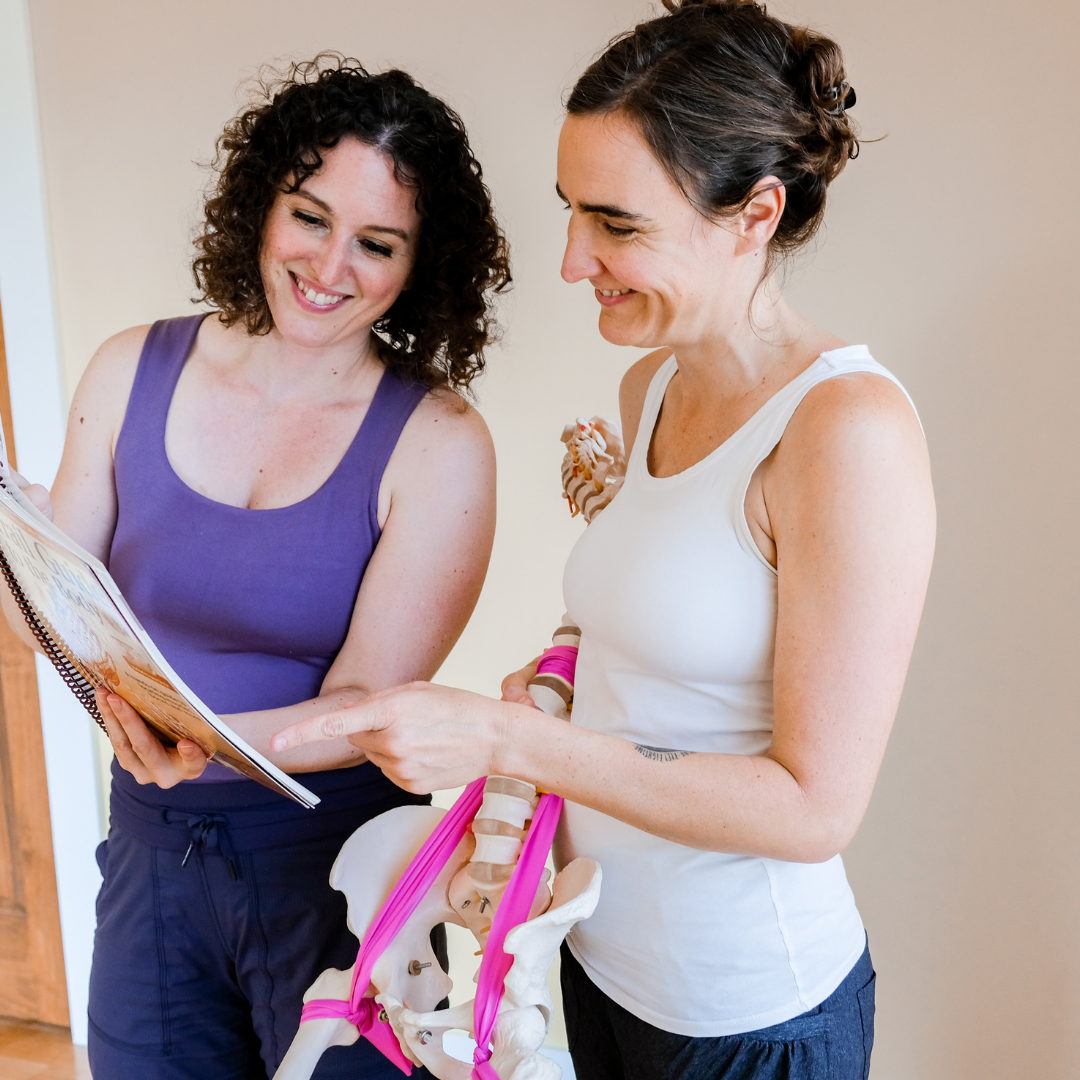
Embarking on a new activity, particularly one as potentially challenging as yoga, can evoke a range of anxieties. Understanding these fears is the first step towards overcoming them and embracing the transformative potential of yoga. This section will delve into common anxieties associated with first-time yoga classes, offering practical coping mechanisms and insights into how past experiences can influence your present feelings.Common anxieties often stem from a perceived gap between expectations and reality, leading to self-doubt and apprehension.
This fear is further amplified by the social aspect of a group class, where the potential for judgment from instructors or fellow participants can be significant.
Common Anxieties in First Yoga Classes
A multitude of anxieties can contribute to the fear of a first yoga class. These anxieties can be broadly categorized into several areas, each requiring specific coping strategies.
- Fear of Judgment: The fear of being judged by others for perceived physical limitations, skill level, or perceived lack of “yoga-worthiness” is a common concern. This fear often stems from a societal pressure to conform to an idealized image of a yogi, leading to feelings of inadequacy. This pressure can be internalized, originating from past experiences or from media portrayals.
- Fear of Physical Limitations: Individuals might worry about their physical abilities, such as flexibility, strength, or balance, preventing them from performing the poses correctly or adequately. This concern can stem from a lack of experience with physical activity or past negative experiences. It’s crucial to acknowledge that everyone progresses at their own pace, and yoga is about progress, not perfection.
- Fear of Not Being Able to Follow Instructions: A fear of misunderstanding or misinterpreting instructions can lead to apprehension. This can be exacerbated by the complexity of some yoga poses or sequences, potentially leading to feelings of frustration or embarrassment. Clear communication and a willingness to ask questions can greatly alleviate this concern.
- Fear of Embarrassment: The fear of making mistakes, appearing clumsy, or not being able to keep up with others can be significant. This is often compounded by the social setting of a group class. It’s essential to remember that everyone is there to learn and improve, and mistakes are part of the learning process. Self-compassion and focusing on personal progress are key to overcoming this fear.
Coping Mechanisms for Addressing Anxieties
Developing coping mechanisms is crucial for managing these anxieties and fostering a positive experience.
- Self-Compassion: Practice self-compassion by reminding yourself that everyone starts somewhere and that progress takes time. Focus on the journey, not the destination. Treat yourself with the same kindness and understanding you would offer a friend.
- Realistic Expectations: Set realistic expectations for your first class. Don’t aim for perfection; focus on participation and enjoyment. Recognize that every body is different and that progress is unique to each individual.
- Preparation: Familiarize yourself with basic yoga poses and terminology beforehand. This can ease your initial apprehension and increase your confidence. Visual aids and online tutorials can be invaluable.
- Communicating with the Instructor: Don’t hesitate to communicate with the instructor about any concerns or questions you may have. Open communication can clarify any doubts and ensure you receive appropriate support and modifications.
Impact of Past Negative Experiences
Past negative experiences with physical activities can significantly contribute to the fear of a first yoga class. These experiences might include feeling judged, inadequate, or embarrassed. Such experiences can create a mental barrier, making it challenging to approach a new activity with an open mind and positive expectations. However, recognizing and addressing these past experiences is crucial for moving forward and building a positive association with physical activity.
The “First-Time Experience”
The “first-time experience” often carries a unique emotional weight. This is especially true when it involves a new activity or social setting. The unknown can be daunting, triggering anxiety and apprehension. It’s important to acknowledge these emotions and focus on creating a positive experience through preparation, self-compassion, and realistic expectations.
Comparing and Contrasting Anxieties
| Anxiety Type | Description | Potential Coping Mechanism |
|---|---|---|
| Fear of Judgment | Worry about being perceived negatively by others. | Remind yourself that everyone is on their own journey and focus on your personal progress. |
| Fear of Physical Limitations | Concern about not being able to perform poses due to physical abilities. | Set realistic expectations, prioritize comfort and listen to your body. |
| Fear of Not Following Instructions | Anxiety about understanding and executing poses correctly. | Ask questions, utilize visual aids, and focus on understanding the fundamental concepts. |
| Fear of Embarrassment | Concern about making mistakes or appearing awkward in front of others. | Acknowledge that mistakes are part of the learning process, focus on the present moment and embrace the experience. |
Preparing for the Class
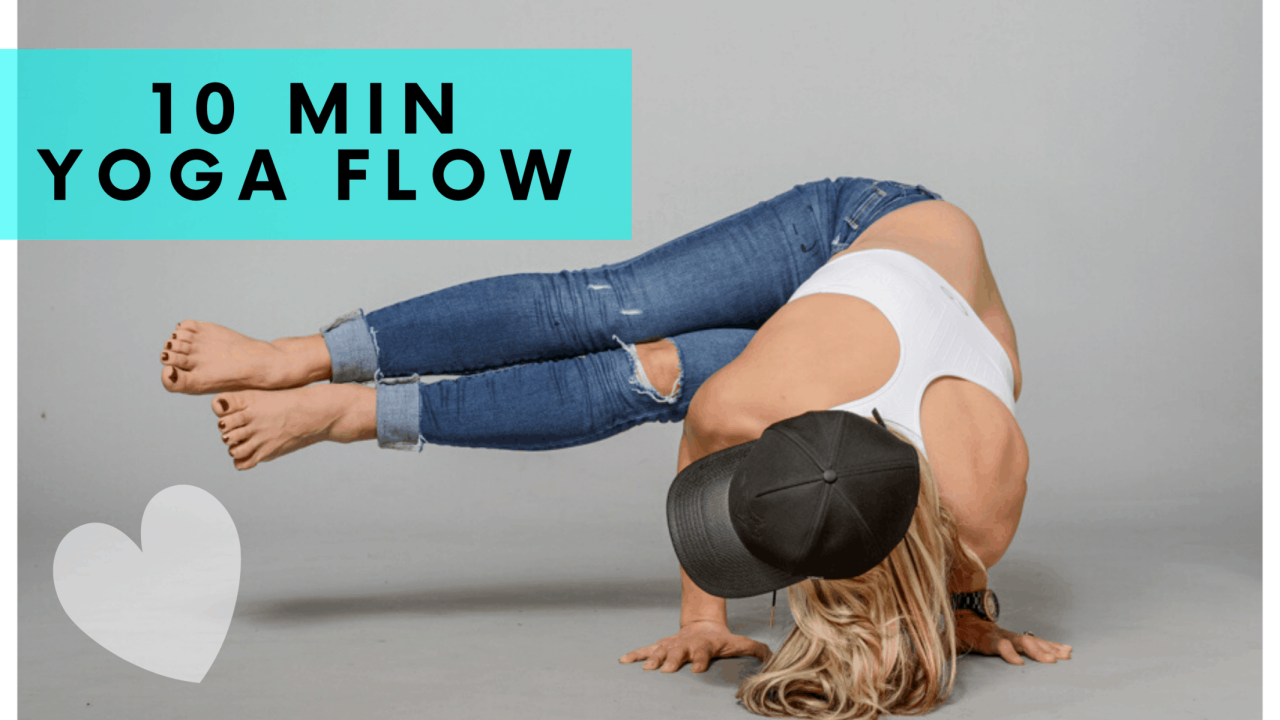
Embarking on your first yoga class can be a rewarding experience, but it’s crucial to approach it with preparation and a positive mindset. Proper preparation can significantly reduce anxiety and enhance your overall experience. This section will guide you through the essential steps to prepare for your first yoga class, ensuring a smooth and enjoyable session.Effective preparation goes beyond simply showing up.
It involves understanding the physical and mental aspects of the class, ensuring you’re comfortable and ready to engage fully. A well-prepared individual is better equipped to manage potential anxieties and focus on the practice.
Choosing the Right Attire
Appropriate attire is fundamental for a comfortable and safe yoga practice. The right clothing allows for full range of motion and prevents distractions. Clothing that restricts movement can hinder your experience and make it challenging to perform poses effectively.
- Yoga attire is typically made of breathable fabrics like cotton, nylon, or blends. These materials allow for proper airflow, keeping you cool and comfortable during the class. Avoid overly restrictive clothing or materials that could restrict movement.
- Comfortable clothing that allows for flexibility is key. Consider athletic wear, yoga pants, or leggings, which are designed to accommodate various movements. Avoid wearing anything too tight or loose, which could cause discomfort or distraction.
- Appropriate footwear is also important, especially for floor poses. Barefoot practice is often preferred, but if you prefer to wear shoes, consider supportive athletic shoes with a good grip.
| Attire Type | Description | Suitability |
|---|---|---|
| Yoga pants/leggings | Stretchy, comfortable pants | Suitable for most styles |
| Yoga shorts/skirts | Lightweight, breathable shorts or skirts | Suitable for warm weather and certain styles |
| Tank tops/sports bras | Breathable tops for support | Suitable for most styles |
| T-shirts/long-sleeved tops | Comfortable tops for layering | Suitable for layering or cooler environments |
| Barefoot | No shoes | Preferred for many styles, especially for better grip and body awareness |
Essential Items for the Class
Having the necessary items readily available ensures a smooth class experience. This helps prevent disruptions and allows you to focus on the practice.
- A yoga mat provides cushioning and stability during poses. It helps protect your joints and ensures a comfortable surface for your practice. A mat also helps maintain hygiene.
- A water bottle is essential to stay hydrated throughout the class. Dehydration can affect your performance and well-being. Remember to refill it before and during the class.
- A towel can be useful for wiping sweat or for additional support during certain poses. It’s a helpful accessory for comfort and hygiene.
- A small, sturdy bag to carry all your belongings can be very helpful to prevent losing things.
Pre-Class Self-Assessment Checklist
A pre-class self-assessment checklist can help manage pre-class jitters and build confidence. This is a proactive approach to acknowledging potential anxieties and creating a positive mindset.
- Review the yoga poses you’ll be learning. This allows you to familiarize yourself with the poses and reduce anxiety about the unknown.
- Visualize a successful class. Mentally rehearse the experience and imagine yourself confidently completing the poses.
- Remind yourself that everyone starts somewhere. Embrace the learning process and focus on your personal progress.
- Practice deep breathing exercises. This helps to calm your nerves and center your mind.
- Engage in light physical activity, such as a short walk or stretching, to increase blood flow and reduce tension.
Importance of Warm-up Exercises
Proper warm-up exercises are crucial before any yoga class. They prepare your body for the physical demands of the poses, reducing the risk of injury and enhancing your overall experience. Warm-up exercises gradually increase blood flow and elasticity in your muscles.
- Light cardio, such as jumping jacks or arm circles, is beneficial to increase blood flow throughout the body.
- Dynamic stretching, such as arm swings or leg swings, improves flexibility and prepares the muscles for more complex poses.
- Gentle static stretches, such as holding a hamstring stretch or a quad stretch, enhance the range of motion in your joints.
Step-by-Step Guide to Preparing for a First Yoga Class
This step-by-step guide provides a comprehensive approach to preparing for your first yoga class, encompassing both physical and mental aspects.
- Choose appropriate attire and gather essential items. This includes selecting comfortable clothing, a yoga mat, a water bottle, and a towel.
- Review the poses you’ll be learning. This helps familiarize yourself with the poses and reduces anxiety about the unknown.
- Practice deep breathing exercises. This helps calm your nerves and center your mind.
- Engage in light physical activity to increase blood flow and reduce tension. This could be a short walk or light stretching.
- Mentally rehearse a successful class. Visualize yourself confidently completing the poses.
- Arrive at the class early to familiarize yourself with the environment. This reduces any potential stress of rushing.
During the First Class
Navigating your first yoga class can feel daunting, but with a few strategies, you can feel more comfortable and confident. This section provides practical guidance for interacting with instructors and fellow students, managing discomfort, and using modifications to tailor the practice to your needs. Embrace the experience, and remember that everyone starts somewhere.
Interacting with the Instructor and Classmates
A positive and supportive environment is crucial to a fulfilling yoga experience. Approach the instructor with respect and clarity if you have questions or require assistance. Fellow students are often fellow travelers on the same journey; be mindful of their space and practice, and maintain a welcoming demeanor.
- Communicating with the Instructor: If you have questions or need clarification, approach the instructor during a break or after the class. Be clear and concise in your query. Avoid interrupting the class unless it is a matter of urgent safety concern. For example, if you are unsure about a pose’s alignment, politely ask the instructor for clarification. Speak clearly and respectfully to ensure they understand your request.
- Interacting with Classmates: Maintain a respectful distance from fellow students during the class. Refrain from distracting others with unnecessary movements or conversations. Respect personal space and encourage a supportive atmosphere. A simple smile or nod of acknowledgment can go a long way in creating a positive environment.
Managing Discomfort and Limitations
Physical limitations or discomfort are common, especially in a beginner class. Crucially, remember that yoga is about listening to your body and modifying poses as needed. Avoid pushing yourself beyond your limits.
- Acknowledging Physical Discomfort: If you experience pain or discomfort during a pose, stop immediately and inform the instructor. They can guide you to a suitable modification or alternative pose. Listen to your body’s cues. Do not hesitate to ask for adjustments.
- Managing Physical Limitations: If you have any physical limitations or injuries, inform the instructor beforehand. They can offer suitable modifications to make the poses accessible. Don’t be afraid to communicate your needs.
Using Modifications and Adjustments
Modifications and adjustments are essential for adapting yoga poses to individual needs and abilities. They allow you to progress safely and comfortably.
- Understanding Modifications: Modifications are changes to the standard pose that make it more accessible. They often involve using props like blocks, straps, or blankets to support the body and reduce strain. For example, in Downward-Facing Dog, using blocks under your hands can ease the pressure on your wrists.
- Utilizing Adjustments: Adjustments are subtle cues or physical assists from the instructor to enhance alignment and support. They help you deepen your practice and refine your understanding of the pose. Adjustments are not about fixing your body, but about assisting you in finding the optimal alignment.
Positive Self-Talk and Affirmations
Cultivating a positive mindset can significantly impact your yoga experience. Use positive self-talk and affirmations to build confidence and encourage self-compassion.
- Building Confidence: Remind yourself that you are learning and growing. Focus on your progress, not perfection. For example, instead of dwelling on perceived shortcomings, acknowledge your effort and celebrate small victories.
- Affirming Self-Compassion: Acknowledge that every body is different, and every journey is unique. Embrace the process of learning and adapting. Use affirmations to reinforce your strength and resilience. For example, “I am strong. I am capable.
I am worthy.”
Example Modifications Table
| Pose | Modification | Benefit |
|---|---|---|
| Downward-Facing Dog | Place blocks under hands for support. | Reduces wrist strain, allows for better alignment. |
| Warrior II | Use a chair or wall for balance support. | Improves balance and stability, reducing risk of falling. |
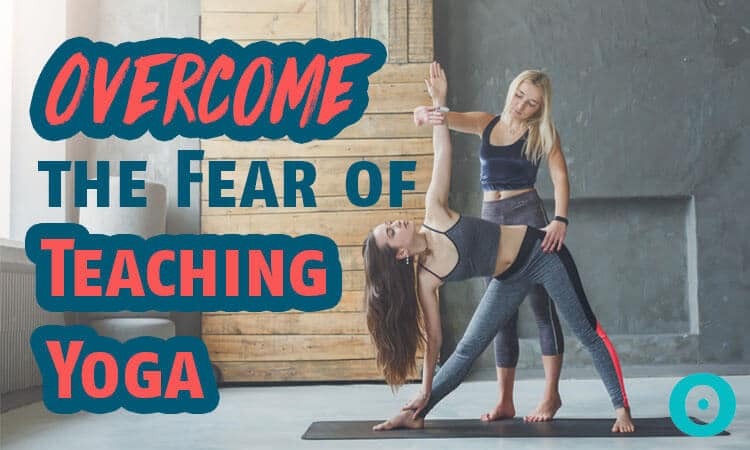
| Triangle Pose | Use a block for support under the hand on the floor. | Increases flexibility and depth in the stretch, especially for beginners. |
| Seated Forward Bend | Place a blanket or cushion under the hips for support. | Reduces strain on the lower back, improves flexibility. |
Post-Class Reflections
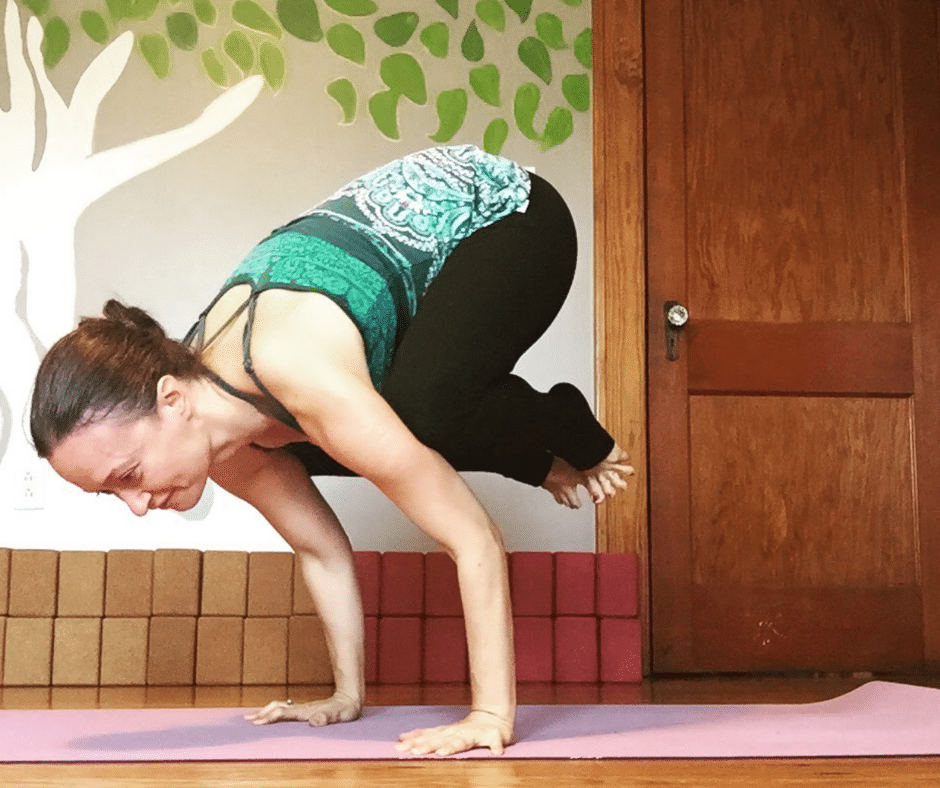
Following your first yoga class, taking time for reflection is crucial for maximizing the experience and fostering a positive relationship with the practice. This period allows you to process emotions, assess your progress, and adjust your approach for future sessions. Understanding your experience, both positive and challenging, empowers you to continue your journey with greater intention and awareness.Reflecting on your first yoga class goes beyond simply feeling good or bad.
It’s about acknowledging the whole spectrum of your experience – the physical sensations, mental clarity, and emotional responses. By actively engaging in this reflection, you can transform your first class from a fleeting event into a valuable learning opportunity.
Celebrating Progress and Acknowledging Effort
Recognizing and celebrating progress, regardless of perceived outcomes, is paramount for cultivating a positive mindset. A key strategy is to focus on the effort you put into the class, rather than solely on the outcome. Did you try new poses? Did you hold a pose longer than last time? Did you listen to your body and modify poses when needed?
Acknowledging these aspects of your practice reinforces a growth mindset and builds confidence. This approach helps to cultivate self-compassion and reinforces the idea that progress is a journey, not a destination.
Processing Emotions and Experiences
Effective processing of emotions and experiences is crucial for maintaining a healthy relationship with yoga. Journaling can be a valuable tool. Write down your feelings, physical sensations, and thoughts. Consider the mental and emotional challenges you faced and how you navigated them. Acknowledging these feelings allows you to better understand your responses and build coping mechanisms for future sessions.
Talking to a trusted friend or family member can also provide a supportive space for processing and sharing your experience. Alternatively, you can find online communities or support groups specifically designed for yoga practitioners.
Setting Realistic Goals and Expectations
Setting realistic goals and expectations is essential for long-term engagement with yoga. Don’t compare yourself to others; focus on your personal progress. Start with small, achievable goals for each subsequent class, such as holding a pose for a few more seconds, trying a new pose, or simply focusing on your breath. Gradually increase the difficulty and complexity as your comfort level grows.
Remember that each class is a unique opportunity for learning and growth.
Self-Acceptance and Non-Judgmental Practice
Embrace self-acceptance and cultivate a non-judgmental approach to your yoga practice. Recognize that every body is different, and there is no “right” or “wrong” way to practice. Be kind to yourself, acknowledge your limitations, and celebrate your strengths. Yoga is not about achieving perfection; it’s about connecting with yourself and cultivating self-awareness. Don’t get discouraged by perceived imperfections; focus on the journey of growth and self-discovery.
Resources for Continued Support and Learning
Numerous resources are available to support your yoga journey. Online communities, such as dedicated yoga forums or social media groups, can provide a platform for connecting with fellow practitioners and sharing experiences. Support groups, led by yoga instructors or therapists, offer structured environments for learning and connecting with like-minded individuals. Consider joining a local yoga studio or attending workshops to deepen your knowledge and expand your practice.
Key Takeaways and Actionable Steps
| Takeaway | Actionable Step | Benefit |
|---|---|---|
| Focus on effort, not outcome. | Acknowledge the effort put into the class, even if the outcome doesn’t match expectations. | Builds confidence and fosters a growth mindset. |
| Process emotions and experiences. | Journal about your feelings and experiences. | Enhances self-awareness and coping mechanisms. |
| Set realistic goals. | Establish achievable goals for each class, focusing on personal progress. | Maintains motivation and prevents frustration. |
| Embrace self-acceptance. | Be kind to yourself, acknowledge limitations, and celebrate strengths. | Cultivates a healthy relationship with your body and practice. |
| Seek support from resources. | Connect with online communities, support groups, or local yoga studios. | Enhances learning and fosters a supportive environment. |
Addressing Specific Concerns
Embarking on a new journey, such as your first yoga class, can naturally evoke a range of concerns. Understanding these potential anxieties and developing strategies to address them will empower you to approach the experience with confidence and enthusiasm. Addressing these concerns head-on is crucial for a positive and fulfilling experience.Recognizing that feeling self-conscious is a common human experience, especially when entering an unfamiliar environment, is a first step toward overcoming these concerns.
Yoga classes can often feel intimidating, but remember that everyone starts somewhere. This section will delve into techniques to navigate common anxieties and cultivate a positive mindset, fostering a welcoming and encouraging atmosphere for your first class and beyond.
Feeling Out of Place
Many individuals experience a sense of being out of place when entering a new yoga class. This feeling is perfectly normal and often stems from a fear of judgment or a perception of not measuring up to others. Acknowledging this common experience is the first step toward overcoming it. Remember that every practitioner in the room is on a unique journey of self-discovery and growth, and your presence is valued.
Focus on your own practice, your own progress, and the intrinsic value of the experience itself.
Maintaining Pace and Progress
The pressure to keep up with other practitioners can be daunting, especially in a yoga class. Realistically, each person progresses at their own pace. Yoga is a journey of self-discovery, not a competition. Focus on your own body’s signals and listen to your own needs. Respect your limitations, and don’t hesitate to modify poses to suit your current abilities.
The instructors are there to guide and support you, and they are likely aware of the varying levels of experience in the room.
The Role of a Supportive Community
A supportive community is invaluable in fostering confidence and reducing anxieties. A positive and encouraging environment can significantly impact your experience. Connect with other practitioners, instructors, and even fellow students. A supportive community will help you feel less isolated and more confident in your ability to embrace the journey. Many studios offer introductory classes or welcome sessions designed to make new students feel comfortable and welcome.
Overcoming Negative Self-Talk
Negative self-talk can significantly hinder your confidence and create unnecessary stress. Recognize these negative thoughts as simply that—thoughts. Challenge these thoughts by replacing them with positive affirmations and self-compassion. Focus on your progress, no matter how small. Remember that every practice is an opportunity for growth and learning.
Practicing mindfulness and self-awareness can help you identify and reframe negative thoughts, promoting a more positive self-image.
Exploring Different Yoga Styles
Yoga encompasses a wide range of styles, each with its own unique challenges and benefits. Hatha yoga is a foundational style, suitable for beginners, emphasizing physical postures and breathing techniques. Vinyasa yoga involves flowing sequences of postures linked to breath, providing a dynamic and energetic experience. Restorative yoga focuses on relaxation and deep stretching, perfect for stress reduction and relaxation.
Yin yoga targets deep connective tissues and holds poses for longer periods, promoting flexibility and deep release. Exploring different styles can help you discover what resonates most with you and your needs.
Cultivating a Positive Mindset
Embracing a positive mindset is crucial for navigating the challenges and uncertainties of your first yoga class. View each class as an opportunity for self-discovery and growth. Embrace the journey, not just the destination. Remember that every practice is unique, and you are creating your own personal path. Focus on the process, and celebrate your progress, no matter how small.
Inspirational Quotes
“The journey of a thousand miles begins with a single step.”
Lao Tzu
“Challenges are what make life interesting. Overcoming them is what makes life meaningful.”
Joshua Marine
“The best and most beautiful things in the world cannot be seen or even touched – they must be felt with the heart.”Helen Keller
Summary
Overcoming the fear of your first yoga class is a journey of self-discovery and empowerment. By understanding your anxieties, preparing thoroughly, and embracing the experience with a positive mindset, you can transform your first class into a stepping stone towards a fulfilling yoga practice. Remember, every step, every pose, and every experience is a valuable part of the process.
This guide has provided a framework to help you embrace the journey with confidence.