Yoga and meditation are often practiced together, as the physical postures of yoga can prepare the body for the mental stillness of meditation. This guide provides a structured approach to transitioning from your yoga session into a deeply effective meditation practice. We will explore various techniques, from preparing your body and mind, to selecting the right meditation type, and finding a comfortable posture.
By the end of this comprehensive guide, you will be equipped with the tools to integrate meditation seamlessly into your daily life, enhancing the benefits of your yoga practice.
This comprehensive guide delves into seven key areas, offering practical advice and actionable strategies for achieving a fulfilling meditative experience after your yoga session. Each section is designed to equip you with specific techniques and insights to optimize your meditation practice, ultimately maximizing the positive impact on your mental and physical well-being.
Preparing for Meditation After Yoga
A well-structured transition from the dynamic postures of yoga to the tranquil state of meditation can significantly enhance the benefits of both practices. This process involves carefully preparing the body and mind to facilitate a smooth shift from physical exertion to mental stillness. By understanding and implementing these techniques, individuals can optimize their experience and deepen their connection with themselves.Transitioning from the physical exertion of yoga to the mental stillness of meditation requires mindful attention to the subtle shifts in the body and mind.
This careful preparation is crucial for maximizing the benefits of both practices. The following sections detail specific methods for preparing the body and mind for meditation after a yoga session.
Methods for Transitioning from Yoga to Meditation
A gradual transition from yoga poses to meditation helps integrate the physical and mental aspects of the practices. This integration can lead to a more profound sense of calm and awareness. Different techniques facilitate this transition, catering to individual needs and preferences.
- Gentle Movement and Stretching: After completing a yoga session, engage in gentle stretching and light movement to gradually lower the heart rate and reduce muscle tension. This prepares the body for stillness. For example, gentle arm circles, leg swings, or torso twists can help release physical tension accumulated during the yoga practice.
- Mindful Breathing Techniques: Deep, conscious breathing is paramount in calming the nervous system. Incorporating mindful breathing exercises, such as deep inhalations and exhalations, can ease the transition. This allows the body to naturally shift from a state of activity to a state of relaxation. Pay close attention to the sensation of the breath entering and leaving the body.
- Body Scan Meditation: A body scan meditation involves bringing awareness to different parts of the body, noticing any tension or discomfort, and releasing it. This technique helps to physically ground the practitioner and reduce any residual stress from the yoga session.
- Progressive Muscle Relaxation: Gradually tensing and releasing different muscle groups can help to release physical tension. This method can help to create a sense of physical ease, which promotes mental calmness.
Importance of Mindful Transitions
Mindful transitions between physical activity and mental stillness are crucial for maximizing the benefits of both practices. The process of moving from one state to another can deepen the experience and facilitate a greater sense of integration between body and mind.
- Improved Focus and Concentration: A mindful transition aids in improving focus and concentration during meditation. By allowing the body to settle into a state of relaxation, the mind is better prepared to focus on the present moment.
- Reduced Stress and Anxiety: The transition allows the nervous system to gradually calm down, reducing feelings of stress and anxiety. This process helps to integrate the physical benefits of yoga with the mental benefits of meditation.
- Enhanced Emotional Regulation: A mindful transition promotes a sense of calm and emotional regulation. This is because the body and mind are prepared for the shift from physical activity to mental stillness.
Techniques for Calming the Nervous System
Various techniques can help to calm the nervous system after a yoga session, facilitating a smooth transition to meditation.
- Guided Imagery: Guided imagery can help to calm the mind and reduce stress. Visualizing peaceful scenes, such as a serene beach or a tranquil forest, can create a sense of calmness and relaxation.
- Gentle Yoga Poses: Gentle restorative yoga poses can help to release physical tension and calm the nervous system. These poses often involve holding the body in a passive position to promote relaxation.
- Deep Relaxation Exercises: Exercises such as deep breathing and progressive muscle relaxation can help to calm the nervous system and reduce stress.
Key Aspects of Preparing for Meditation Post-Yoga
| Aspect | Description ||—|—|| Gentle Movement | Light stretching or movement to lower heart rate and release muscle tension || Mindful Breathing | Deep, conscious breathing to calm the nervous system || Body Awareness | Recognizing and releasing tension in different body parts || Mindfulness | Focusing on the present moment during the transition || Relaxation Techniques | Guided imagery, progressive muscle relaxation, and deep relaxation exercises |
Choosing the Right Meditation Technique
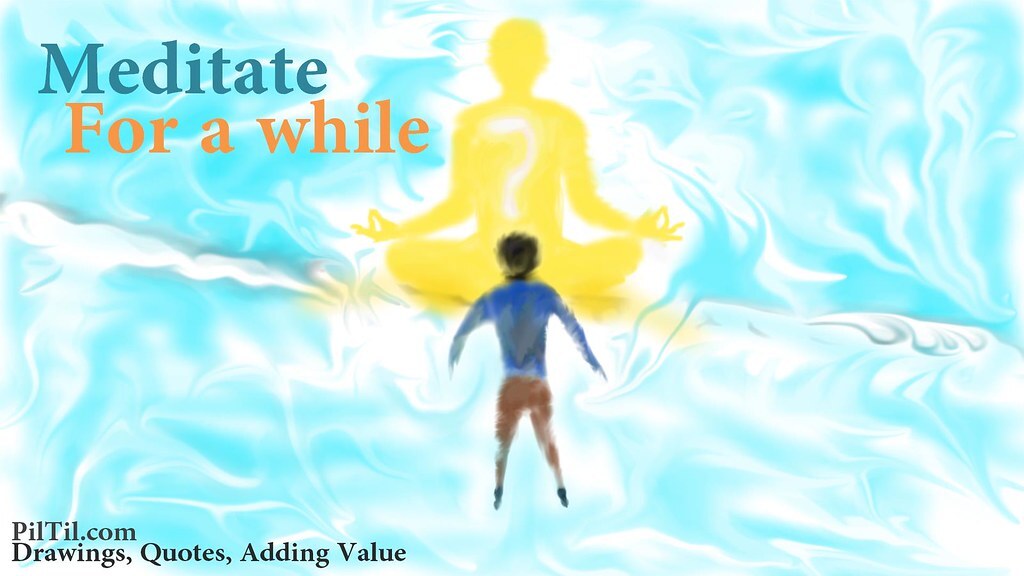
Selecting an appropriate meditation technique after a yoga session can significantly enhance the benefits of both practices. Yoga postures and breathing techniques often leave the body and mind in a state primed for deep relaxation and focused attention. A well-chosen meditation approach can build upon this foundation, fostering greater mental clarity and emotional balance.The effectiveness of a meditation technique depends not only on the technique itself but also on the individual practitioner’s needs and preferences.
Understanding different types of meditation and their unique attributes allows for a more personalized approach, maximizing the post-yoga experience.
Different Meditation Techniques
Various meditation techniques cater to different needs and preferences. Mindfulness meditation, for instance, focuses on present-moment awareness, observing thoughts and sensations without judgment. This approach is well-suited for those seeking to develop a deeper understanding of their mental processes. Other techniques, like loving-kindness meditation, cultivate feelings of compassion and goodwill towards oneself and others. These practices can be particularly beneficial after a yoga session, fostering a sense of inner peace and connection.
Comparing Meditation Types
Different meditation types offer varying levels of relaxation and mental clarity. Mindfulness meditation, with its emphasis on non-judgmental observation, often promotes a state of deep relaxation by reducing the mental chatter that can lead to stress. Transcendental Meditation (TM), a specific technique involving the use of personally assigned mantras, is known for its potential to induce a state of deep rest, potentially leading to reduced stress hormones.
Guided meditation, utilizing verbal cues or imagery, can help guide practitioners to a relaxed state and can be particularly useful for beginners.
Selecting a Technique Based on Personal Preferences
Choosing a meditation technique should align with individual preferences and the specific goals of the practitioner. If someone values a sense of calm and quiet introspection, mindfulness meditation might be a suitable choice. If the practitioner seeks to cultivate feelings of compassion, loving-kindness meditation might be more appropriate. Consider the type of yoga practice as well. A more active yoga session might be better followed by a meditation focusing on deep relaxation, while a more gentle practice could support a technique emphasizing awareness.
Incorporating Breathing Exercises
Breathing exercises are integral to many meditation practices, especially those focused on relaxation and stress reduction. Incorporating specific breathing exercises into post-yoga meditation can enhance the benefits of both practices. Techniques like alternate nostril breathing (Nadi Shodhana) or Ujjayi breathing, commonly used in yoga, can further calm the nervous system and deepen the meditative state.
Table of Meditation Types and Suitability
| Meditation Type | Description | Suitability for Post-Yoga Practice |
|---|---|---|
| Mindfulness Meditation | Focuses on present-moment awareness without judgment. | Excellent for promoting relaxation and mental clarity after a yoga session. |
| Transcendental Meditation (TM) | Uses personally assigned mantras to induce a state of deep rest. | Potentially beneficial for reducing stress and promoting deep relaxation after yoga. |
| Loving-Kindness Meditation | Cultivates feelings of compassion and goodwill. | Can enhance emotional balance and foster a sense of inner peace, complementing the often-calming effect of yoga. |
| Guided Meditation | Utilizes verbal cues or imagery to guide practitioners to a relaxed state. | Helpful for beginners or those seeking a structured approach to meditation after a yoga session. |
Finding a Comfortable Posture
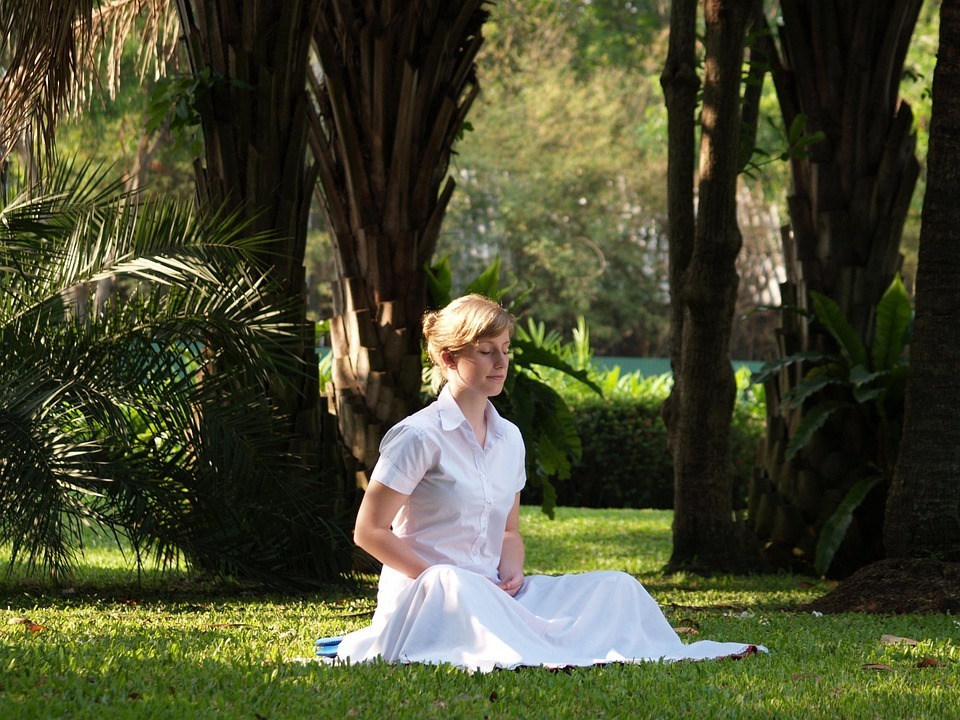
Finding the right posture is crucial for a successful meditation session. A comfortable posture allows the body to relax, reducing physical tension that can distract the mind. This relaxed state facilitates deeper focus and promotes a more profound meditative experience. A well-chosen posture can also significantly enhance the positive effects of your yoga practice by aligning your body for maximum relaxation.Posture selection is highly individualized.
What feels comfortable for one person may not be ideal for another. Understanding various postures and their potential benefits and drawbacks will aid in choosing the most suitable position for your unique needs and preferences. Consider your physical limitations and past experiences, as well as any injuries or sensitivities you may have.
Seated Postures
Selecting a suitable seated posture after yoga involves careful consideration of your physical well-being and the benefits of each position. Common seated meditation postures include the traditional full lotus position, half lotus, Burmese, and chair pose. Each offers distinct advantages and challenges.
- Full Lotus: This advanced posture involves both legs crossed, with the soles of the feet resting on the opposite thighs. It provides excellent stability and a grounded feeling. However, it requires significant flexibility in the hips and knees, which may not be achievable for everyone, especially after yoga practice.
- Half Lotus: This posture is a modification of the full lotus, involving crossing one leg over the opposite thigh. It’s often easier to maintain than the full lotus, offering a balance between stability and accessibility.
- Burmese: In this posture, both legs are positioned flat on the floor, with the ankles close together. It is generally accessible to most individuals and offers a straightforward approach to seated meditation.
- Chair Pose: Sitting upright in a chair, with your feet flat on the floor, is a practical alternative for those who find floor postures challenging. This option is particularly helpful for individuals with mobility limitations or back pain.
Lying-Down Postures
Relaxation and comfort are paramount when considering lying-down postures. These positions are ideal for beginners, those with physical limitations, or those who prefer a more passive approach to meditation.
- Reclining Pose: This involves lying on your back with your legs extended and arms resting comfortably at your sides. This posture promotes complete relaxation and is particularly useful for those who experience discomfort maintaining other postures.
Adapting Postures
Adapting your chosen posture to accommodate individual needs and preferences is essential. Adjusting elements like cushions, blankets, and the angle of your body can enhance comfort and reduce discomfort. Consider using bolsters, cushions, or blankets to support your back, knees, or hips. Careful attention to these details will ensure a pleasant and effective meditation experience.
Modifying Yoga Poses for Meditation
Certain yoga poses can be modified to facilitate a comfortable meditation position. For example, a seated forward fold can be adapted by keeping the legs straight or bent. This approach ensures a smooth transition from yoga to meditation. Experiment with various options until you find a pose that perfectly aligns with your needs.
Significance of Stable and Relaxed Posture
Maintaining a stable and relaxed posture during meditation is vital for focusing on the present moment. Physical discomfort can lead to mental distractions, disrupting the meditative process. A steady posture promotes mental clarity and stability, enabling a more profound and fulfilling meditation experience.
Meditation Postures Table
| Meditation Posture | Advantages | Disadvantages |
|---|---|---|
| Full Lotus | Excellent stability, grounded feeling | Requires significant flexibility, may not be accessible to all |
| Half Lotus | Easier to maintain than full lotus, balance of stability and accessibility | May still be challenging for some |
| Burmese | Generally accessible to most individuals, straightforward approach | May not provide as much support for the spine as other postures |
| Chair Pose | Practical for those with mobility limitations or back pain, accessible for many | May not be as conducive to deep relaxation as floor postures |
| Reclining Pose | Promotes complete relaxation, suitable for beginners or those with physical limitations | May lead to falling asleep if not practiced with alertness |
Focusing on Breath Awareness
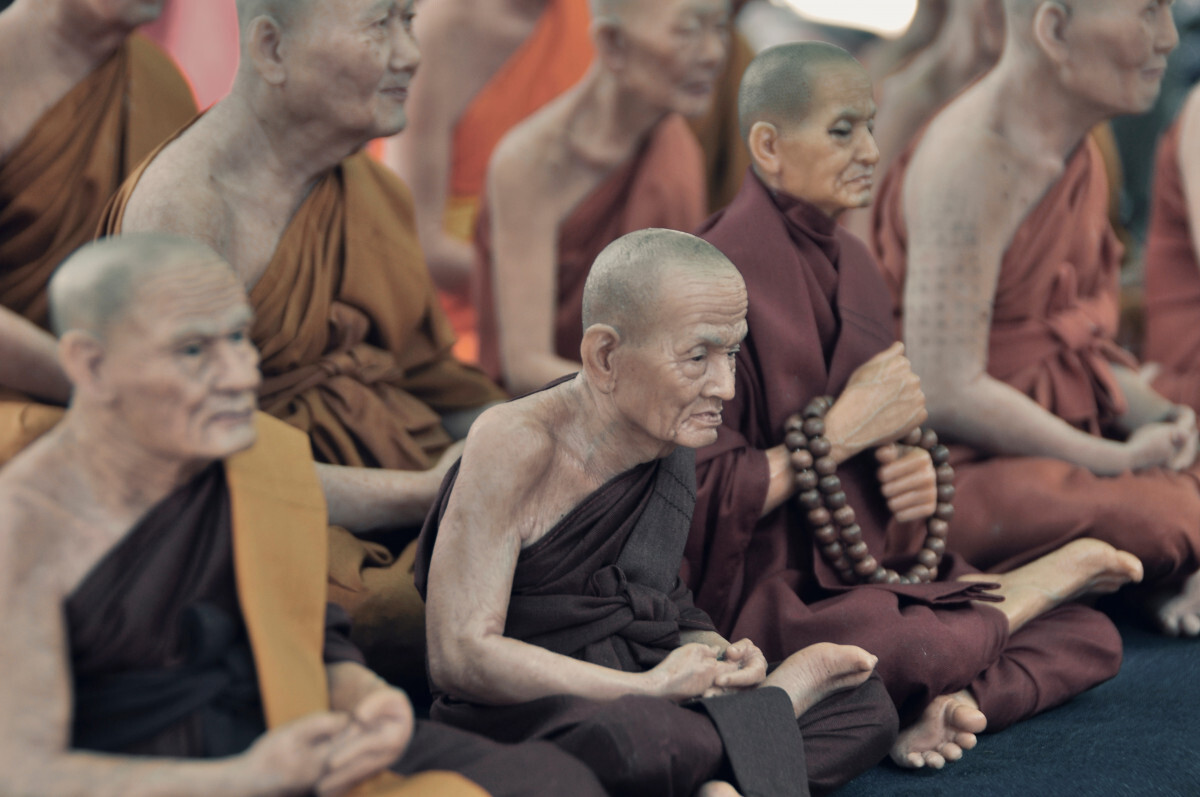
Post-yoga meditation offers a unique opportunity to integrate the physical and mental benefits of your practice. A crucial aspect of this integration is focusing on your breath. By bringing mindful awareness to your breath, you can cultivate a deeper sense of relaxation, clarity, and connection to your inner self. This focused attention anchors your mind, allowing you to release tension and stress accumulated throughout the day and during your yoga session.
Breath as an Anchor
Mindful breath awareness serves as an excellent anchor during meditation, drawing your attention away from distracting thoughts and anxieties. The rhythmic cycle of inhalation and exhalation creates a grounding presence, allowing you to return to the present moment. This focused attention, when practiced consistently, strengthens your ability to observe your thoughts and feelings without judgment, cultivating inner peace.
Breathing Techniques for Deepening Relaxation and Mental Clarity
Various breathing techniques can enhance the benefits of your post-yoga meditation. These techniques are designed to promote relaxation and mental clarity.
- Diaphragmatic Breathing: This technique involves engaging your diaphragm, the primary muscle responsible for breathing. By consciously expanding your belly during inhalation and relaxing it during exhalation, you create a more profound and controlled breathing pattern. This slower, deeper breathing can help reduce stress and promote a sense of calm. Practice deep breaths in and out, focusing on the expansion and contraction of your belly.
- Alternate Nostril Breathing (Nadi Shodhana): This ancient pranayama technique involves consciously breathing through one nostril at a time, while gently blocking the other. This technique is known to balance the energies of the body and mind, fostering a sense of calm and focus. It’s a powerful tool for reducing stress and anxiety.
- Box Breathing: This technique involves inhaling for a count of four, holding the breath for a count of four, exhaling for a count of four, and holding the breath again for a count of four. This rhythmic pattern creates a sense of stability and control, promoting a state of calm awareness.
Mindful Breathing Exercises for Post-Yoga Practice
The following mindful breathing exercises can be easily integrated into your post-yoga practice:
- Focusing on the Sensation of Breath: Bring your attention to the sensation of the air entering and leaving your nostrils, the rise and fall of your chest or abdomen. Notice the coolness of the air as it enters and the warmth as it leaves. Allow yourself to feel the subtle movements without judgment. This exercise is about observing, not controlling, your breath.
- Counting Breaths: Gently count each inhalation and exhalation. You can count from one to ten or use any other count that feels comfortable. When your mind wanders, gently redirect your focus back to your breath and the count. This technique helps to train your mind to stay present.
- Mindful Deep Breathing: Inhale deeply, feeling your lungs fill with air. Hold the breath for a few seconds, and then exhale slowly, noticing how your body relaxes with each exhale. Repeat this process several times, focusing on the sensation of each breath.
Integrating Breath Awareness with Yoga Postures
Conscious breathing can be integrated into your yoga postures to enhance their benefits. For example, while holding a standing posture like Tadasana (Mountain Pose), focus on your breath, and observe the sensations in your body. Feel the stability and grounding provided by the breath. Similarly, while in a seated posture like Sukhasana (Easy Pose), pay attention to the rhythmic flow of your breath, noting the expansion and contraction of your abdomen.
This integration deepens your connection to your body and enhances your awareness.
Breath Awareness Exercises Table
| Exercise | Description | Benefits |
|---|---|---|
| Diaphragmatic Breathing | Focus on expanding the belly on inhalation and relaxing it on exhalation. | Reduces stress, promotes relaxation. |
| Alternate Nostril Breathing | Inhale through one nostril, exhale through the other, alternating. | Balances energies, fosters calm and focus. |
| Box Breathing | Inhale, hold, exhale, hold, in a 4-4-4-4 count. | Creates stability, promotes calm awareness. |
Managing Thoughts and Emotions
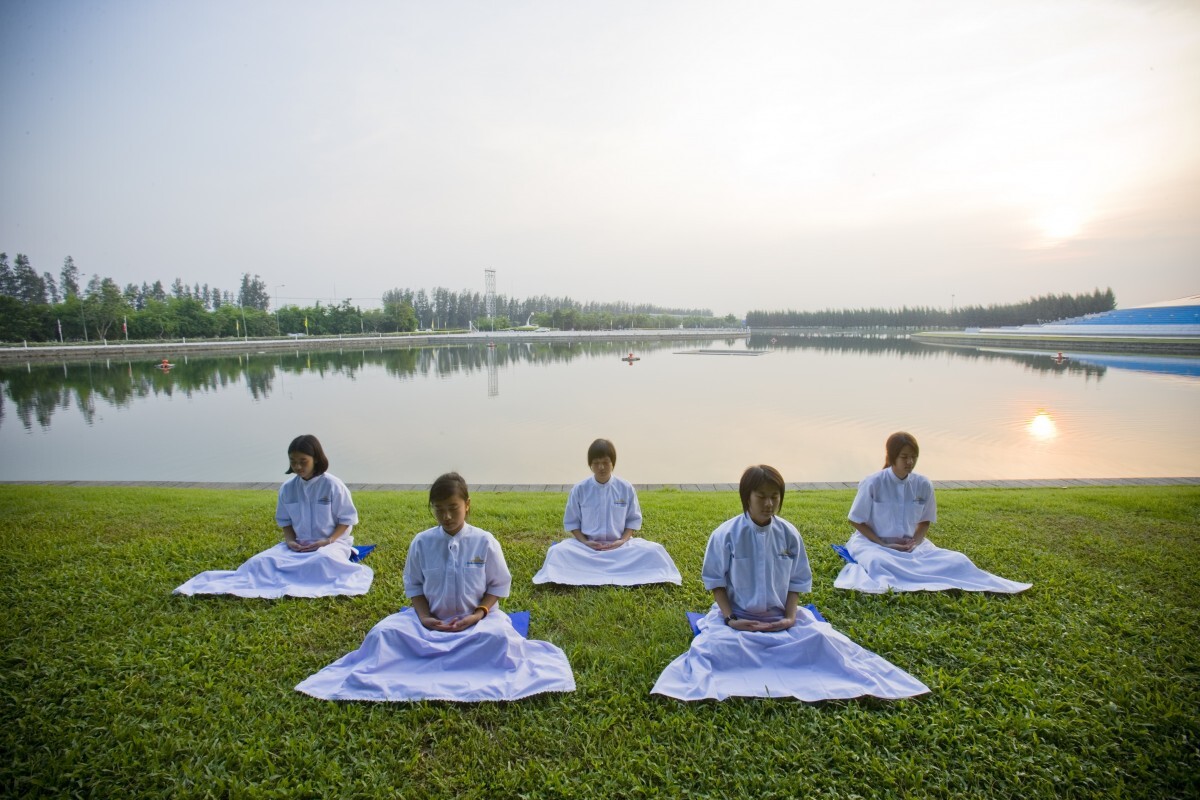
Integrating mindfulness practices into your post-yoga routine can significantly enhance your emotional well-being. This section explores how to effectively navigate the often-chaotic stream of thoughts and emotions that arise during meditation, particularly after a yoga session, to deepen your experience and cultivate greater peace.Understanding that thoughts and emotions are natural occurrences, this section will equip you with strategies to observe them without judgment, thereby allowing a more profound connection with yourself and a more effective meditative practice.
Acknowledging and Releasing Distracting Thoughts
Thoughts are inevitable during meditation. Instead of resisting them, acknowledging their presence is a crucial step. Recognize that a wandering mind is a normal part of the process. Simply observe the thought, label it (e.g., “thinking about work”), and gently redirect your focus back to your breath or chosen meditation anchor. This practice of non-judgmental observation helps detach from the thought’s content, preventing it from consuming your attention.
Observing Thoughts Without Judgment
A key aspect of effective meditation is the cultivation of non-judgmental awareness. This involves observing thoughts and emotions as they arise, without labeling them as “good” or “bad.” Thoughts are like clouds passing through the sky; they come and go. By adopting a detached perspective, you allow thoughts to pass without getting entangled in their content or emotional implications.
This detachment fosters a sense of spaciousness and clarity, enabling a more profound connection with the present moment.
The Role of Emotional Regulation in Deepening Meditation
Emotional regulation plays a vital role in deepening meditation. A calm and stable emotional state creates a conducive environment for mindfulness. Recognizing and accepting difficult emotions, such as anxiety or stress, without judgment, is a powerful tool for emotional regulation. This approach allows you to observe these emotions without getting swept away by them, fostering a sense of emotional balance.
A balanced emotional state fosters a deeper connection to the present moment during meditation.
Managing Stress and Anxiety After a Yoga Session
Yoga and meditation often facilitate stress reduction. However, sometimes lingering anxieties or stress may arise after a session. Techniques like progressive muscle relaxation, where you consciously tense and release different muscle groups, can be helpful. Mindful body scans, where you systematically bring awareness to different parts of your body, can also alleviate stress by grounding you in the present moment.
Deep breathing exercises, a cornerstone of both yoga and meditation, can calm the nervous system and reduce feelings of anxiety.
Strategies for Managing Thoughts and Emotions in Meditation
| Method | Description |
|---|---|
| Breath Awareness | Focus on the natural rhythm of your breath. When thoughts arise, gently redirect your attention back to your breath. |
| Body Scan Meditation | Bring awareness to different parts of your body, noticing sensations without judgment. |
| Mindful Walking | Pay attention to the sensations of your body as you walk. This technique can be especially helpful for releasing stress and anxiety. |
| Loving-Kindness Meditation | Cultivate feelings of love and compassion for yourself and others. This can help regulate emotions and foster a sense of peace. |
| Guided Meditation | Guided meditations can offer support and structure, helping to manage thoughts and emotions more effectively. |
Maintaining Focus and Presence
Post-yoga meditation offers a unique opportunity for deepening inner peace and connecting with the present moment. Maintaining focus and presence during this time is crucial for maximizing the benefits of the practice. By employing specific techniques, you can cultivate a deeper sense of groundedness and awareness, transforming your meditation into a powerful tool for self-discovery and well-being.Sustained focus is vital for experiencing the full potential of meditation.
A wandering mind can hinder progress and prevent the meditative state from manifesting. Strategies for anchoring attention and dealing with distractions are key to maintaining a clear and focused mind. This section explores these strategies, providing you with practical tools to cultivate lasting presence during your post-yoga meditation sessions.
Anchoring Attention During Meditation
Maintaining a consistent focus during meditation requires anchoring your attention. This can be achieved through various methods, each with its unique approach to grounding you in the present moment. These techniques provide a framework for redirecting your attention and re-establishing your connection with the present.
- Breath Awareness: Deepening your breath awareness is a powerful anchor for your attention. By focusing on the sensation of each inhale and exhale, you can gently redirect your mind away from distracting thoughts and emotions, drawing your attention back to the present moment. Notice the rise and fall of your chest or abdomen, the coolness of the air entering your nostrils, or the warmth of your breath as it leaves your body.
This anchors your focus in the tangible experience of breathing.
- Sensory Anchors: Utilizing your senses can provide powerful anchors for your attention. Focusing on the subtle sensations of touch, sound, or even light can help bring your mind back to the present. For example, you might notice the gentle pressure of your clothing on your skin, the sound of birds chirping outside, or the subtle warmth of the room.
These sensory anchors serve as constant reminders to stay present and grounded.
- Guided Imagery: Visualizing a calming scene, a serene environment, or a peaceful image can be incredibly helpful. This process helps to create a mental anchor, allowing you to gently return your attention to the image when your mind wanders. Picture a peaceful landscape, a soothing body of water, or a calming inner space. This visual anchor helps you stay grounded.
Techniques for Dealing with Distractions
Distractions are an inevitable part of the meditative process. Recognizing these distractions and developing strategies to manage them is key to maintaining focus and presence.
- Acknowledge and Release: When a thought arises, acknowledge its presence without judgment. Simply observe the thought as it arises, and then gently release it, returning your attention to your chosen anchor (breath, sensation, visualization). This non-reactive approach helps to minimize the impact of distractions on your meditative state. Acknowledge the distraction and then gently redirect your attention to your anchor.
- Mindful Observation: Instead of resisting or suppressing thoughts, observe them with a detached awareness. Notice the thought’s form, its content, and its emotional tone. By observing without judgment, you create space between yourself and the thought, allowing it to pass without disrupting your focus. Treat the thoughts like clouds passing by in the sky.
- Create a Meditation Space: A dedicated meditation space can create a conducive environment for focus and minimize distractions. Designate a quiet, comfortable space where you can meditate without interruptions. This will make it easier to maintain presence and focus.
Methods to Enhance Focus and Presence in Meditation
This table summarizes the methods discussed for enhancing focus and presence in your post-yoga meditation.
| Method | Description |
|---|---|
| Breath Awareness | Focusing on the sensations of inhaling and exhaling to anchor attention. |
| Sensory Anchors | Utilizing touch, sound, or light sensations to ground the mind. |
| Guided Imagery | Visualizing a calming scene to create a mental anchor. |
| Acknowledge and Release | Observing distracting thoughts without judgment and returning focus. |
| Mindful Observation | Observing thoughts with detachment to minimize disruption. |
| Dedicated Meditation Space | Creating a quiet, comfortable space to minimize distractions. |
Post-Meditation Integration
Integrating the calm and clarity achieved during post-yoga meditation into daily life is crucial for maximizing its benefits. This transition isn’t about clinging to a fleeting state but about cultivating a mindset that reflects the mindfulness and focus developed during the practice. It’s about applying the principles learned during meditation to navigate the challenges and opportunities of everyday life.
The Importance of Maintaining Post-Meditation Calmness
Maintaining the sense of calm and focus cultivated during meditation requires conscious effort. This isn’t about replicating the exact meditative state, but rather about carrying the underlying principles of awareness and acceptance into everyday actions. By nurturing this mental state, individuals can approach stressful situations with greater equanimity and make more considered decisions. The practice of mindfulness, learned during meditation, can significantly improve emotional regulation and reduce reactivity to triggers.
Strategies for Incorporating Meditation into Everyday Routines
Integrating meditation into daily life can be achieved through various strategies. Consistency is key, and the chosen approach should align with individual preferences and lifestyles. Finding methods that seamlessly integrate into existing routines, rather than feeling like an additional chore, is crucial for long-term success.
- Mindful Moments: Incorporating short mindful moments throughout the day can be beneficial. For instance, taking a few minutes before a meeting to focus on the breath, or pausing during a busy workday to acknowledge the present moment. These brief exercises can effectively anchor the mind in the present and prevent mental wandering. Examples include a few moments of mindful eating, acknowledging the feeling of gratitude for a specific detail in a moment, or taking a few slow breaths while walking.
- Mindful Activities: Engaging in daily activities with heightened awareness can be another effective strategy. This involves paying attention to the sensory details of an activity, such as the feel of the food on your tongue, the sound of your footsteps, or the feeling of the sun on your skin. This awareness enhances the experience and reduces distractions.
- Setting Intentions: Establishing intentions for the day, grounded in values and mindful awareness, can be powerful. These intentions can serve as anchors for making mindful decisions and responding to situations with greater clarity. For example, you could decide to approach each interaction with kindness and compassion, or to respond to challenges with patience and understanding.
Practical Application of Meditation After Yoga
A table outlining practical ways to apply meditation after yoga to daily life can be extremely helpful. It demonstrates how different aspects of the meditative state can be integrated into various daily tasks.
| Daily Activity | Meditation Application |
|---|---|
| Morning Routine | Begin the day with a few minutes of mindful breathing. Use this time to set intentions for the day. |
| Work Meetings | Practice mindful listening during meetings, paying attention to the speaker’s words and body language. |
| Social Interactions | Use mindful awareness during conversations to truly listen to others, and to express yourself with empathy. |
| Driving | Focus on your breath while driving to reduce stress and improve focus on the road. |
| Eating | Pay attention to the taste, texture, and smell of your food during meals. |
| Rest Time | Use relaxation techniques learned in meditation during downtime to foster calmness and prevent overthinking. |
Wrap-Up
In conclusion, this guide has explored the multifaceted process of effectively meditating after your yoga session. From mindful transitions and choosing the right technique, to finding a comfortable posture and focusing on breath awareness, we’ve covered essential elements for a successful practice. By understanding and applying these strategies, you can deepen your meditation experience and integrate its benefits into your daily life.
We hope this guide empowers you to cultivate a profound sense of calm and clarity after each yoga session.