This guide provides a comprehensive exploration of the delicate balance between pushing your limits and prioritizing rest in your yoga practice. Understanding your body’s signals, recognizing personal boundaries, and incorporating restorative practices are crucial for a safe and fulfilling yoga journey. This in-depth approach will equip you with the knowledge and tools to cultivate a practice that enhances your well-being.
By acknowledging both physical and mental limitations, and integrating strategies for gradual progression, you can unlock the full potential of yoga while safeguarding your physical and mental health. Furthermore, this discussion will consider various factors influencing your practice, including body type, experience level, and environmental conditions.
Understanding the Body’s Signals
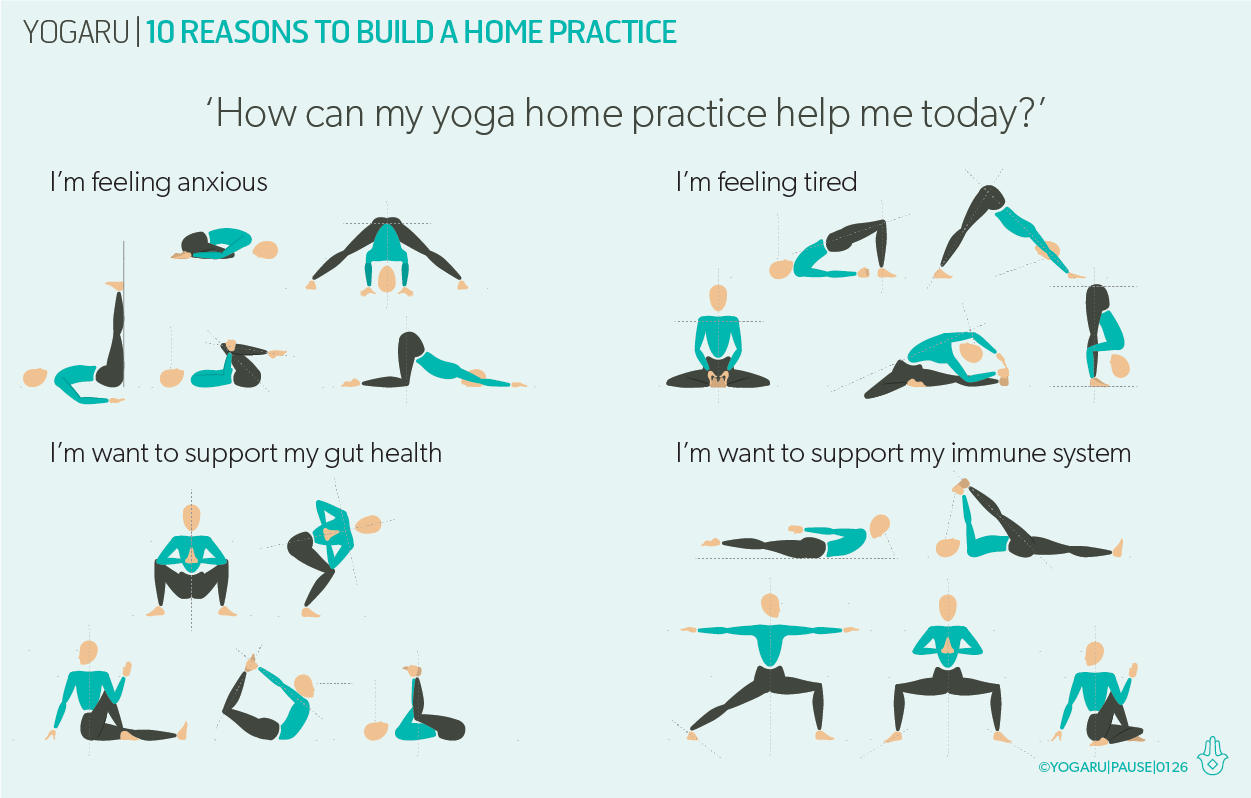
Recognizing the subtle cues our bodies provide during a yoga practice is crucial for both achieving progress and preventing injury. Paying attention to these signals allows practitioners to modify poses, adjust intensity, and ultimately cultivate a safe and fulfilling practice. Understanding the difference between healthy pushing and potentially harmful strain is paramount to long-term well-being.Effective communication between the mind and body is essential in yoga.
Learning to discern the body’s signals, whether indicating fatigue, pain, or discomfort, allows practitioners to make informed decisions about when to push their limits and when to rest. This understanding is not just about avoiding injury; it’s about optimizing the practice to maximize benefits and minimize risks.
Physiological Cues Indicating When to Push Limits
Various physiological cues can signal when it’s appropriate to challenge oneself further in yoga. These cues often manifest as subtle sensations that can be easily overlooked if not actively monitored. For example, a slight increase in heart rate or breathing during a challenging pose can be a sign of the body’s natural response to exertion. However, a rapid and significant increase in these vital signs may indicate the body is working too hard.
Different Ways the Body Communicates Fatigue, Pain, and Discomfort
The body employs various methods to communicate fatigue, pain, and discomfort. Muscle fatigue might manifest as a gradual loss of strength or endurance in a particular posture. Joint discomfort can manifest as a dull ache or stiffness. Pain is a more significant signal, often characterized by a sharp or throbbing sensation.
Differentiating Healthy Pushing and Harmful Strain
Healthy pushing in yoga involves gradually increasing the intensity and complexity of poses over time, while acknowledging the body’s feedback. This is characterized by a feeling of effort, but not pain. Harmful strain, on the other hand, often involves forcing the body into positions that cause sharp pain or discomfort.
Identifying Different Types of Pain
Different types of pain necessitate varying responses. The intensity of the pain and the specific location within the body provide valuable information.
| Pain Type | Intensity Level | Recommended Actions |
|---|---|---|
| Muscle Soreness | Mild, localized, temporary | Continue practice with modifications or rest as needed. Gentle stretching and light movement can aid recovery. |
| Muscle Soreness | Severe, persistent, radiating | Stop the practice immediately. Consult a healthcare professional for evaluation and treatment. |
| Joint Pain | Mild, intermittent, positional | Modify the pose, reduce the intensity, or rest. Apply gentle heat or ice as appropriate. |
| Joint Pain | Severe, constant, sharp | Stop the practice immediately. Consult a healthcare professional for evaluation and treatment. |
| Nerve Pain | Sharp, shooting, tingling | Stop the practice immediately. Consult a healthcare professional for evaluation and treatment. |
Identifying Personal Limits
Establishing personal boundaries is paramount in yoga, fostering a safe and effective practice. Understanding your limitations is not a sign of weakness, but rather a crucial step toward achieving optimal results and preventing injury. This involves recognizing both your physical and mental capabilities and respecting the signals your body sends. By acknowledging and honoring these boundaries, practitioners can cultivate a deeper connection with themselves and experience the transformative benefits of yoga without undue strain.Honoring your body’s unique needs and limitations is fundamental to a healthy yoga practice.
Each individual possesses a unique physical makeup, past injuries, and current health conditions. What might be manageable for one practitioner may be excessively challenging or even harmful for another. Listening attentively to these subtle signals is essential to prevent injury and optimize progress. This proactive approach to self-care allows for a more sustainable and fulfilling yoga journey.
Importance of Establishing Personal Boundaries
Personal boundaries in yoga practice are vital for avoiding injuries and promoting a safe and effective experience. They safeguard against pushing beyond one’s physical capabilities, preventing strain, and promoting long-term well-being. Respecting these boundaries enables a mindful approach, allowing practitioners to connect with their bodies and develop a profound understanding of their limitations. This awareness fosters a safer and more beneficial practice.
Listening to Your Body’s Unique Needs and Limitations
Recognizing and responding to the subtle signals your body sends is crucial. Pain, discomfort, or feelings of unease during a pose should be taken seriously. These sensations are often your body’s way of communicating potential risks. Disregarding these signals can lead to injuries, hindering progress and potentially causing long-term issues.
Exercises to Improve Body Awareness and Mindfulness
Developing body awareness is a continuous process, requiring dedicated practice. Regular mindfulness exercises can significantly enhance this connection.
- Body Scan Meditation: This involves systematically bringing awareness to different parts of your body, noticing sensations without judgment. Begin with your toes, gradually moving up to your head, noting any tension, relaxation, or other sensations.
- Yoga Poses with Focus on Alignment: Concentrate on the precise alignment of your body in each pose. This attention to detail helps you become more aware of your physical limitations and capabilities. Pay close attention to how your body responds to different variations within a pose.
- Gentle Movement and Stretching: Incorporate gentle stretches and movements into your daily routine. This regular engagement with your body can increase its flexibility and sensitivity to your needs.
- Yoga Nidra: This guided relaxation technique encourages deep body awareness, allowing you to tune into the sensations within your body without any movement.
Differentiating Physical Limits from Mental Blocks
Physical limits are inherent constraints imposed by your body’s structure, strength, flexibility, and current health status. These limitations are often objectively measurable. Mental blocks, on the other hand, are internal barriers stemming from self-doubt, fear of failure, or perfectionistic tendencies. They can significantly impact your ability to push your physical boundaries.
Identifying and Overcoming Mental Blocks
Mental blocks in yoga practice can manifest as a reluctance to challenge yourself, a fear of judgment, or a lack of confidence in your abilities. Identifying these blocks is the first step toward overcoming them.
- Self-Reflection: Engage in honest self-reflection to identify the specific mental blocks hindering your progress. Journaling can be a helpful tool to articulate these thoughts and feelings.
- Positive Affirmations: Cultivate a positive mindset by regularly repeating affirmations that support your practice. For instance, “I am capable,” “I am strong,” or “I am worthy of this practice.” Repeating these affirmations can help combat negative thoughts and build self-confidence.
- Seeking Support: Connect with experienced yoga instructors or fellow practitioners for guidance and support. Sharing your struggles and successes can provide encouragement and motivation.
- Breaking Down Goals: Instead of aiming for significant leaps, break down your goals into smaller, achievable steps. This gradual progression builds confidence and reduces the feeling of overwhelming pressure.
Gradual Progression and Modifications
A key aspect of a successful yoga practice is understanding how to progress gradually and safely. This involves listening to your body, acknowledging your limits, and gradually increasing the intensity of your practice. Proper progression prevents injuries and maximizes the benefits of yoga. Modifications are essential tools for accommodating different physical abilities and limitations, ensuring everyone can participate and experience the positive effects of yoga.A structured approach to increasing the intensity of yoga poses is vital for injury prevention and maximizing results.
Modifications and adjustments allow individuals to practice safely, regardless of their current level of flexibility, strength, or experience. This gradual progression is key to maintaining motivation and preventing frustration, crucial elements for long-term adherence to a yoga practice.
Structured Progression of Poses
A gradual progression from basic to advanced poses is crucial for safe and effective practice. Rushing through the stages can lead to injury and hinder progress. Beginners should start with foundational poses, building strength and flexibility gradually. As your body adapts, you can incorporate more challenging variations and progressively increase the duration and intensity of the poses.
This approach fosters a sense of accomplishment and encourages consistent practice.
Benefits of Modifications
Modifications in yoga are invaluable for adapting poses to individual needs. They help prevent injuries by reducing stress on specific joints or muscles, allowing you to work within your current capabilities. Furthermore, modifications cater to a diverse range of physical limitations, such as injuries, pregnancies, or age-related limitations. This inclusive approach ensures everyone can participate in the practice.
Modifications also enhance the understanding of the pose’s alignment and benefits, fostering a deeper connection with the practice.
Modifying Poses for Different Needs
Understanding how to modify poses is crucial for inclusive practice. Modifications address diverse needs, ensuring everyone can benefit from the practice. For example, in a forward fold, a block placed under the hands can reduce the strain on the back and allow individuals with limited flexibility to achieve a deeper stretch. Similarly, in warrior poses, a modification could involve moving the front knee slightly inward to accommodate varying knee conditions.
This individualized approach allows individuals to work towards their goals without compromise.
Example Progression Sequence
This sequence illustrates a gradual progression from basic to advanced poses:
- Standing Forward Fold (Uttanasana): A foundational pose, focusing on stretching the hamstrings and spine. Modifications may include using blocks under the hands or keeping the knees slightly bent for increased comfort.
- Chair Pose (Utkatasana): Building strength and balance. Modifications include keeping the feet hip-width apart or placing hands on the chair for support.
- Warrior II (Virabhadrasana II): Improving balance and strengthening legs. Modifications involve reducing the distance between the feet or using blocks under the hands for support.
- Triangle Pose (Trikonasana): Stretching and lengthening the sides of the body. Modifications include using blocks to support the extended arm.
- Extended Side Angle Pose (Utthita Parsvakonasana): A deeper side stretch. Modifications involve using blocks for support or keeping the front knee slightly bent for comfort.
Pose Modifications Table
This table Artikels common modifications for various needs:
| Pose | Modification for Limited Flexibility | Modification for Knee Issues | Modification for Back Pain |
|---|---|---|---|
| Forward Fold | Blocks under hands | Bent knees | Slight backbend |
| Warrior II | Shorter stance | Knee modifications | Reduced depth |
| Triangle Pose | Block under extended hand | Adjusting knee position | Gentle twist |
| Chair Pose | Feet wider | Slight knee bend | Modified seat position |
Restorative Practices and Recovery
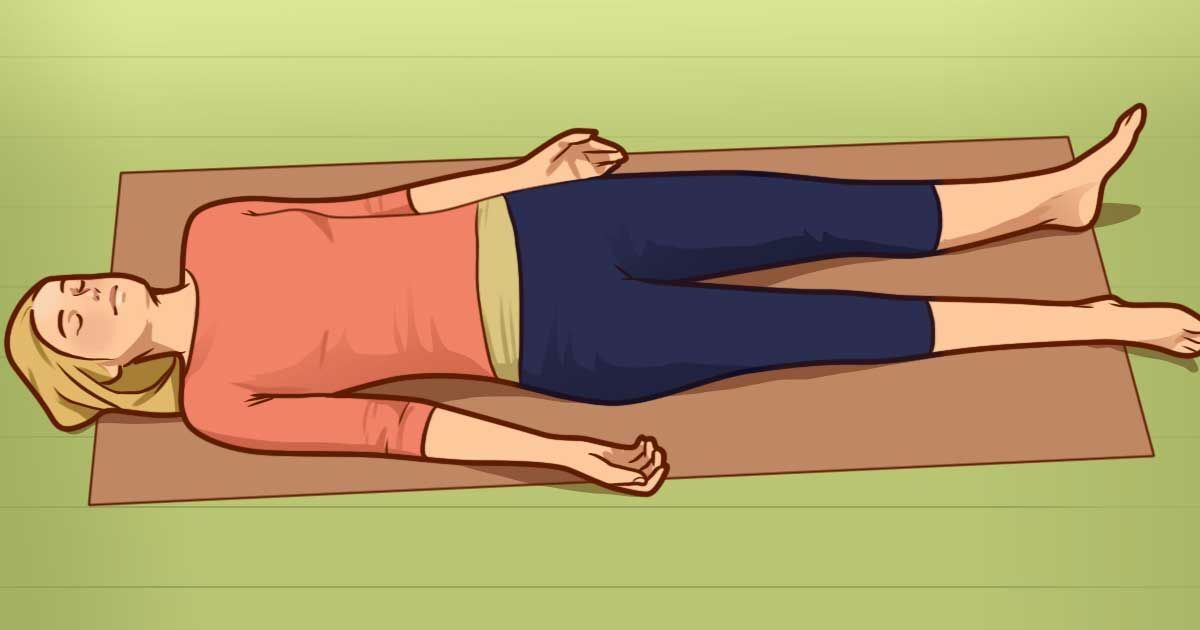
Restorative yoga practices are an essential component of a well-rounded yoga practice. They focus on deep relaxation and rejuvenation, allowing the body and mind to recover from the demands of physical postures and daily life. This approach complements active practices by nurturing the parasympathetic nervous system, promoting healing, and increasing overall well-being. It is crucial to understand that rest and recovery are not a sign of weakness, but rather a vital aspect of a sustainable yoga journey.Restorative yoga differs from other styles by emphasizing comfort and support.
The goal is not to achieve a particular pose with perfect alignment, but to allow the body to settle into a relaxed and supported state, promoting deep relaxation and healing. This approach is especially beneficial for individuals experiencing stress, tension, or injuries. The practice encourages letting go of control and surrendering to the present moment, promoting self-care and stress reduction.
Importance of Rest and Recovery in Yoga
Rest and recovery are fundamental to the overall progress and well-being in yoga. Regular rest allows the body to repair tissues, rebuild energy stores, and adapt to the physical and mental demands of practice. Adequate rest is vital for preventing injuries, promoting muscle growth, and optimizing performance in all areas of life. Neglecting rest can lead to burnout, reduced motivation, and increased risk of injury.
Restorative Poses and Their Benefits
Restorative poses are characterized by their use of props such as blankets, bolsters, and blocks to support the body in a relaxed and comfortable position. These poses allow for deep relaxation of the muscles, release of tension, and a reduction in stress.
- Supported Reclined Spinal Twist: This pose gently twists the spine, releasing tension in the back and shoulders. The use of a bolster or blanket under the knees creates a sense of support and comfort, allowing for deeper relaxation in the hips and lower back. This pose can be particularly helpful for those experiencing lower back pain or stiffness.
- Supported Child’s Pose: This pose is excellent for releasing tension in the hips, thighs, and lower back. The use of a bolster or blanket under the belly and chest creates a deeper stretch and promotes relaxation. This pose is soothing for the nervous system and encourages a sense of calm.
- Supported Forward Fold: This pose gently stretches the hamstrings, calves, and lower back. Using a bolster or blanket under the upper body promotes a deeper release of tension in the spine and hips. This pose can be beneficial for relieving stress and promoting a sense of calm.
- Legs Up the Wall Pose: This pose is exceptionally calming and restorative. It promotes circulation to the core, aiding in stress reduction and deep relaxation. Using a blanket or bolster under the hips provides further comfort and support, deepening the sense of relaxation. This pose is excellent for relieving tired legs and feet.
Breathwork in Restorative Yoga
Conscious breathwork is a cornerstone of restorative yoga. Diaphragmatic breathing, or deep belly breathing, helps to calm the nervous system, reduce stress, and promote relaxation. By focusing on the breath, practitioners can create a sense of groundedness and presence in the moment.
Restorative Sequence Focusing on Specific Areas
This sequence focuses on releasing tension in the back, shoulders, and hips. It is designed to be a gentle and supportive experience.
| Pose | Duration | Benefits | Props |
|---|---|---|---|
| Supported Reclined Spinal Twist | 5-10 minutes | Releases tension in the back, shoulders, and hips | Bolster, blankets |
| Supported Child’s Pose | 5-7 minutes | Releases tension in the hips, thighs, and lower back | Bolster, blankets |
| Supported Forward Fold | 5-7 minutes | Stretches hamstrings, calves, and lower back | Bolster, blankets |
| Legs Up the Wall Pose | 10-15 minutes | Promotes circulation to the core, reduces stress | Wall, blankets |
Mental and Emotional Well-being
A crucial aspect of a successful yoga practice is recognizing and managing the interplay between mental and emotional states and physical postures. Understanding how our inner world impacts our practice allows us to approach it with greater awareness and compassion, fostering a more profound connection to ourselves. This section explores the significance of mental and emotional well-being in yoga, offering insights into managing stress, cultivating a positive mindset, and leveraging mindfulness.
The Link Between Mental and Emotional States and Yoga Practice
Mental and emotional states directly influence our ability to push physical limits in yoga. Anxiety, stress, or low self-esteem can manifest as stiffness, tension, and difficulty concentrating on the postures. Conversely, a positive mindset, emotional balance, and a sense of calm can unlock greater flexibility, strength, and focus. This interconnectedness underscores the importance of attending to both the physical and mental aspects of the practice.
Managing Stress and Anxiety During Yoga Practice
Stress and anxiety are common experiences, and their management is vital for a safe and effective yoga practice. Recognizing these feelings as a natural part of the human experience is the first step. Yoga techniques such as deep breathing, meditation, and mindful movement can help calm the nervous system and reduce stress responses. These techniques provide tools to navigate challenging emotions and cultivate a sense of inner peace, thus enhancing the overall practice experience.
Cultivating a Positive Mindset in Yoga
Cultivating a positive mindset in yoga involves fostering self-compassion, acceptance, and gratitude. This mindset allows us to approach our practice with a sense of curiosity and openness, rather than striving for perfection. Focusing on progress, rather than outcomes, and appreciating the present moment are key elements. Affirmations, visualizations, and journaling can also be valuable tools in building a positive inner dialogue.
The Role of Mindfulness in Recognizing and Responding to Mental and Emotional Cues
Mindfulness plays a pivotal role in recognizing and responding to mental and emotional cues during yoga practice. By cultivating present moment awareness, we become more attuned to our internal experience. This awareness allows us to notice feelings of discomfort, pain, or emotional distress without judgment. We can then choose responses that support our well-being, whether that means modifying a posture, taking a break, or simply acknowledging the feeling.
Table: Mental and Emotional States and Corresponding Responses
| Mental/Emotional State | Potential Response During Yoga Practice |
|---|---|
| Anxiety, stress | Focus on deep breathing exercises, mindful movement, and adjusting postures to avoid pushing too hard. Acknowledge the feeling without judgment. |
| Boredom, lack of motivation | Adjust the intensity or style of practice, try a different pose, or focus on connecting with the present moment through mindful movement. |
| Frustration, impatience | Practice patience with oneself. Focus on the breath and the process of the practice, not the outcome. Adjust the practice to a pace that feels comfortable. |
| Happiness, contentment | Continue the practice with enthusiasm, embracing the feeling of well-being. |
| Discomfort, pain | Listen to the body’s signals. Modify the pose, take a break, or rest. Do not push through pain. |
Specific Considerations for Different Body Types and Levels
Yoga practice should be adapted to individual needs and capacities. Understanding your body type, flexibility, and experience level is crucial for safe and effective practice. This involves recognizing personal limitations and gradually increasing the intensity of poses.Individual differences in flexibility, strength, and injury history necessitate tailored approaches. By recognizing these nuances, practitioners can ensure a positive and injury-free yoga journey.
Flexible Body Types
Flexible individuals often find poses easier to access. However, pushing boundaries safely is still paramount. Instead of solely focusing on achieving a deep stretch, the focus should shift towards maintaining proper alignment and engaging core strength to prevent overstretching. Exploring variations of poses that challenge balance and stability can also provide beneficial engagement for this body type.
For instance, a flexible individual in a forward bend could engage core muscles to increase the challenge and improve spinal mobility.
Stiff Body Types
Individuals with a stiff physique benefit greatly from a mindful approach. Rather than forcing positions, the emphasis should be on gradual progression, holding poses for shorter durations, and prioritizing proper alignment. Using props like blocks or blankets to support the body in various poses can ease the transition and improve the posture. Warm-up exercises and preparatory stretches are crucial for easing into poses, gradually increasing flexibility over time.
For example, in a seated forward bend, a stiff individual might use a block under their hips to decrease the stretch and gradually increase the flexibility of the spine and hamstrings.
Injury-Prone Body Types
Individuals with pre-existing injuries or susceptibility to injuries should be particularly cautious in their yoga practice. The priority should be on modifying poses to avoid exacerbating pain or risking further injury. Listening to the body’s signals is critical. If a pose triggers pain, it should be avoided or modified. Consult with a healthcare professional or a qualified yoga instructor experienced in working with injury-prone individuals to tailor a safe practice plan.
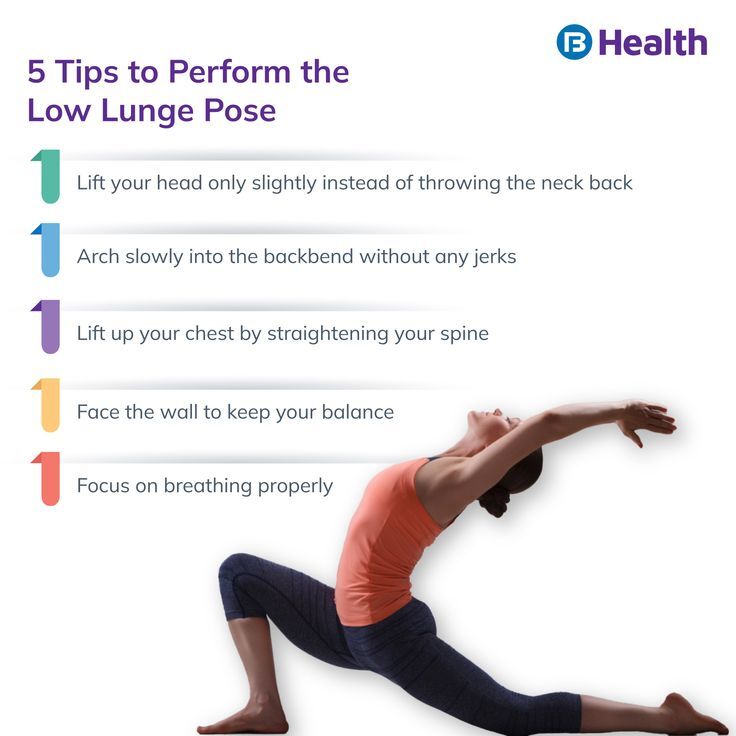
For instance, an individual with a knee injury might need to modify a lunge by placing a blanket under their knee for support and reducing stress on the joint.
Beginner Level
Beginners should focus on building a strong foundation in basic postures, correct alignment, and breath control. Concentrating on mastering fundamental poses with precise alignment and proper breathing techniques is key. Using props like blocks, straps, and blankets to support the body and maintain alignment can make a significant difference. Slowly and gradually increasing the duration and intensity of poses is essential.
Intermediate Level
Intermediate practitioners can gradually introduce more challenging poses and variations. Focus should be on refining alignment, deepening stretches, and enhancing strength and balance. Exploring deeper stretches and more complex poses can be incorporated gradually. Experimenting with more advanced variations of existing poses is a valuable strategy.
Advanced Level
Advanced practitioners can focus on more intricate postures and complex variations. Their primary focus should be on maintaining alignment, controlling movements, and building strength and endurance. Exploring challenging inversions, arm balances, and dynamic sequences should be performed with extreme care, attention to detail, and proper alignment to prevent injuries. They should concentrate on subtle nuances of alignment and strength to enhance the quality and depth of the practice.
Proper Alignment in Avoiding Injuries
Proper alignment is fundamental to injury prevention in yoga. It involves positioning the body in a way that distributes weight evenly, minimizes strain on joints, and maintains the integrity of the spine. Aligning the body correctly in each pose is essential to avoid injury and to enhance the practice’s benefits. Consistent attention to alignment is crucial to avoid misalignments.
Environmental Factors Influencing Practice
Yoga practice is significantly influenced by the environment. Optimal conditions foster a deeper connection with the body and enhance the experience. Understanding how environmental factors impact our practice allows for safer and more effective sessions.Environmental factors, such as temperature and humidity, can profoundly affect a yoga practitioner’s experience and the safety of the practice. A mindful approach to adjusting the practice based on these factors is crucial.
Impact of Temperature
Temperature significantly impacts the body’s ability to regulate heat and maintain a comfortable internal temperature. High temperatures can lead to dehydration and heat exhaustion, while low temperatures can cause stiffness and muscle tension, potentially increasing the risk of injury. Adjusting postures and modifying intensity is essential to maintain safety and well-being. For instance, in a hot environment, sun salutations may need to be shortened, or certain inversions may need to be avoided altogether.
Conversely, in a cold environment, warm-up routines should be lengthened, and more supportive props may be necessary.
Impact of Humidity
Humidity, often combined with temperature, further affects the body’s ability to regulate temperature. High humidity can make the body retain heat, exacerbating the risk of heat exhaustion and discomfort. It’s crucial to be particularly cautious during intense sequences in high-humidity environments. Moisture can also impact the grip on surfaces, which is particularly important in balancing postures.
Creating a Supportive Environment
A conducive environment for yoga practice promotes focus, relaxation, and safety. A well-ventilated space, with appropriate temperature and humidity control, is essential. Adequate lighting and noise reduction further contribute to a calm and serene atmosphere. The room should be free of distractions, allowing for deep concentration.
Adjusting Practice Based on Conditions
Adjusting the intensity and type of poses is critical in response to environmental conditions. Modifying postures, reducing the number of repetitions, and incorporating rest periods are necessary adjustments. For example, if the room is excessively hot, one might choose to perform poses on a mat that allows for airflow.
Hydration and Nutrition
Proper hydration and nutrition are paramount for maintaining energy levels and optimal performance during yoga practice. Hydration is especially crucial in hot and humid conditions. It is recommended to drink plenty of water before, during, and after the practice. A balanced pre-practice meal, rich in carbohydrates and proteins, can provide sustained energy throughout the session. Eating light, easily digestible meals is advisable during the practice itself, to avoid digestive discomfort.
Factors for a Safe and Supportive Environment
A safe and supportive yoga environment considers multiple factors, which are Artikeld below.
- Temperature Regulation: Maintaining a comfortable temperature is crucial for preventing overheating or hypothermia. Using fans or air conditioning, or strategically placing fans, may be necessary in warm conditions. Conversely, using blankets or additional layers can be helpful in cooler environments.
- Humidity Control: Monitoring and controlling humidity levels is important to prevent excessive moisture, which can affect the body’s ability to regulate temperature and create slippery surfaces.
- Ventilation: Adequate ventilation is vital to maintain fresh air and prevent stagnant air, which can reduce the overall comfort level during practice.
- Lighting: Appropriate lighting, ideally soft and diffused, promotes relaxation and reduces eye strain. Avoid harsh, flickering lights.
- Noise Reduction: Minimizing noise disruptions helps maintain focus and concentration. Soundproofing or using calming music can enhance the overall practice experience.
- Cleanliness: A clean environment contributes to a healthier and more hygienic yoga practice, reducing the risk of allergies or infections.
- Proper Flooring: A suitable yoga mat and flooring contribute to the comfort and safety of practitioners during poses.
- Accessible Props: Having easily accessible props like blankets, blocks, and straps allows for modifications and adjustments based on individual needs and environmental conditions.
Final Conclusion
In conclusion, achieving a harmonious balance between pushing your limits and prioritizing rest in yoga is essential for a safe and rewarding practice. This guide provides a roadmap for understanding your body’s signals, identifying personal boundaries, and integrating restorative practices. By consistently applying the principles Artikeld in this guide, you can cultivate a yoga practice that fosters physical and mental well-being, allowing you to experience the transformative benefits of this ancient discipline fully.