Finding the perfect beginner-friendly online yoga class can be a transformative experience, unlocking a world of physical and mental well-being. This guide provides a structured approach, covering essential aspects from platform selection to understanding class formats and ultimately choosing a class that aligns with your needs and goals. It’s a practical resource designed to empower beginners to embark on their yoga journey with confidence and ease.
The guide will walk you through evaluating yoga instructors’ qualifications, assessing different class formats and levels, understanding class structure, and choosing the right class for your needs. Practical tips for setting up your home yoga space and strategies for success will also be provided. Illustrative examples of beginner-friendly classes will round out this comprehensive guide, providing tangible examples of what to look for.
Identifying Online Yoga Platforms
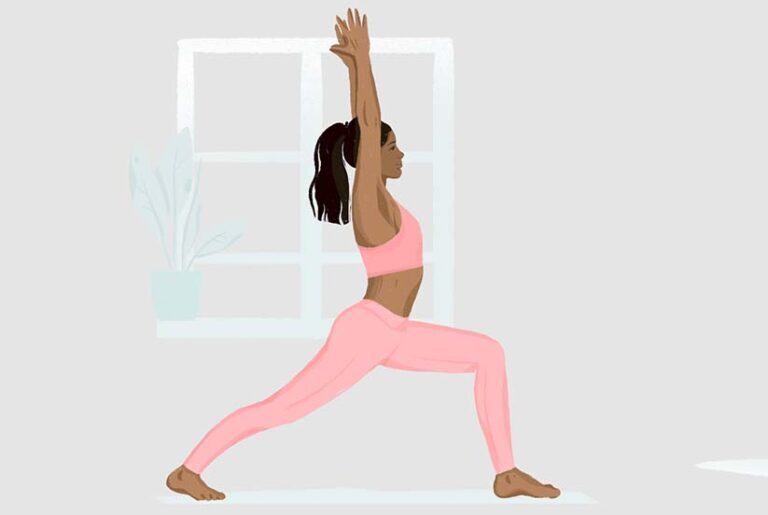
Discovering the ideal online yoga platform for beginners is a crucial first step. Choosing a platform that aligns with your learning style, budget, and desired yoga type is essential for a positive and effective experience. Beginners often benefit from structured programs and personalized guidance.Finding the right online platform ensures a smooth transition into the world of yoga. Numerous platforms cater to different preferences, enabling beginners to discover various styles and teachers.
This section will detail popular online yoga platforms, highlight their offerings, and compare their features and pricing models.
Popular Online Yoga Platforms for Beginners
Several platforms provide a wide array of yoga classes accessible to beginners. This list features some of the most popular choices, catering to different budgets and preferences.
- Yoga International: This platform offers a vast library of yoga classes, including diverse styles like Hatha, Vinyasa, and Yin. It also features a selection of restorative yoga classes designed for relaxation and stress reduction. Their pricing structure generally involves a subscription model with varying tiers for access to different features and content.
- Glo: Glo is known for its comprehensive online yoga classes. It offers a variety of yoga styles, focusing on accessibility and diverse skill levels. It also provides a range of other fitness classes. Their pricing often includes a monthly or annual subscription fee.
- Peloton: While primarily known for cycling and other fitness classes, Peloton also includes a significant yoga offering. It caters to both beginners and experienced practitioners, featuring different yoga types, including Vinyasa and Yin. Peloton’s pricing model is typically based on a monthly subscription fee, offering access to various workout classes.
- YogaGlo: This platform is particularly dedicated to yoga and meditation. It features a variety of yoga styles and instructors, along with a growing library of guided meditations. Their pricing is typically a monthly subscription model.
- Daily Burn: Daily Burn combines yoga with other fitness classes in a comprehensive package. They offer various yoga types and levels, with options for beginners. Their pricing is a subscription model with different packages.
Comparison of Online Yoga Platforms
A comprehensive comparison of these platforms can aid in making informed decisions. This table provides a concise overview of features, pricing, and instructors’ qualifications.
| Platform | Features | Pricing | Instructor Qualifications |
|---|---|---|---|
| Yoga International | Extensive class library, diverse styles, restorative options | Subscription-based, varying tiers | Information on instructor qualifications may vary by class. |
| Glo | Comprehensive yoga library, variety of styles, accessibility features | Monthly/annual subscription | Detailed information on instructor qualifications is usually available. |
| Peloton | Variety of yoga classes, beginner to advanced options, integration with other fitness classes | Monthly subscription | Instructor credentials may be listed on class descriptions or profiles. |
| YogaGlo | Yoga and meditation classes, variety of styles and instructors | Monthly subscription | Instructor backgrounds may vary by class; generally includes information on certifications. |
| Daily Burn | Comprehensive fitness platform, including yoga, diverse styles and levels | Subscription-based | Instructor information may vary by class. |
Evaluating Instructor Qualifications
Finding a beginner-friendly online yoga class requires careful consideration beyond just the platform’s features. Crucially, evaluating the instructor’s qualifications and experience is essential for a safe and effective learning experience. A qualified instructor can provide guidance tailored to beginners, preventing potential injuries and fostering a supportive environment.A well-structured yoga class is built on a strong foundation of knowledge and experience.
The instructor’s understanding of proper alignment, modifications, and pacing are key to a beginner-friendly class. This understanding is directly related to the instructor’s qualifications and training.
Criteria for Evaluating Instructor Qualifications
Careful evaluation of instructor qualifications is crucial for selecting a suitable online yoga class for beginners. This involves considering factors beyond just a name or title. A thorough assessment allows beginners to confidently choose a class that meets their specific needs.
- Certification: A recognized yoga certification demonstrates a minimum level of training and knowledge. This signifies the instructor has undergone a structured curriculum encompassing various aspects of yoga practice. This is a vital criterion for a safe and effective learning environment. It ensures the instructor possesses the necessary knowledge to guide beginners and to modify poses to suit individual needs.
- Experience: The instructor’s experience level, particularly with teaching beginners, significantly impacts the quality of the class. Experience with different body types and learning styles allows instructors to tailor their approach to meet diverse needs. Experienced instructors often demonstrate a deeper understanding of modifications and adjustments crucial for beginners.
- Specializations: Some instructors may specialize in areas like prenatal yoga, restorative yoga, or yoga for specific injuries. These specializations can be valuable indicators of their expertise in a particular area, but not all beginners need such a specialized class. For beginners, a general yoga class taught by a qualified instructor is often sufficient. A class tailored to the specific needs of the beginner is often preferable.
Importance of Certifications and Training
Certifications and rigorous training programs play a critical role in ensuring the safety and effectiveness of a yoga class, especially for beginners. These programs provide a structured learning environment that encompasses the theory and practical application of yoga.
- Safety and Alignment: Proper training equips instructors with the knowledge to guide students on correct alignment and posture. This knowledge is critical to preventing injuries and maximizing the benefits of the practice.
- Modification and Adjustments: Experienced instructors can modify poses to suit different body types and abilities, ensuring accessibility and inclusivity for all students. This is a critical skill for beginner-friendly classes.
- Creating a Supportive Environment: A well-trained instructor can foster a supportive and encouraging learning environment where students feel comfortable exploring their practice and asking questions. This is crucial for a positive and effective learning experience.
Examples of Yoga Certifications
Various organizations offer yoga certifications. The following are examples of common certifications. Recognized certification bodies ensure a standard of knowledge and skill, and are crucial when selecting a qualified instructor.
- RYT (Registered Yoga Teacher): This certification, often from Yoga Alliance, is a widely recognized credential demonstrating a certain level of training in yoga.
- E-RYT (Experienced Registered Yoga Teacher): This signifies more extensive training and experience in teaching yoga.
- Other Certifications: Other organizations and schools may offer specialized certifications in areas like prenatal yoga, restorative yoga, or yoga for specific conditions. These certifications indicate a deeper focus and specialized training.
Qualifications to Consider When Choosing an Online Class
The following table summarizes key qualifications to consider when selecting an online yoga class for beginners. A comprehensive evaluation allows for a confident choice.
| Qualification | Description | Importance for Beginners |
|---|---|---|
| Yoga Certification (e.g., RYT) | Indicates completion of a structured yoga training program. | Ensures a basic level of knowledge and safety. |
| Experience with Beginners | Experience teaching beginners, understanding their needs, and providing modifications. | Improves accessibility and learning experience. |
| Specializations (if applicable) | Areas of focus, such as prenatal yoga or yoga for injuries. | Important for specific needs, but not always essential for beginners. |
| Clear Communication Skills | Ability to clearly explain poses, modifications, and safety instructions. | Critical for understanding and following instructions. |
Assessing Class Formats and Levels
Choosing the right online yoga class involves more than just instructor qualifications. Understanding the format and level of the class is equally crucial for a positive and effective learning experience. Different formats cater to varying needs and preferences, while specific levels ensure a suitable challenge for your current abilities.A thorough evaluation of class formats and levels allows you to select a class that aligns with your learning style and fitness goals.
A beginner-friendly class should offer clear guidance, gradual progression, and a supportive environment for new practitioners. This assessment will equip you with the knowledge to confidently choose a class that best suits your needs.
Online Class Formats
Different online platforms offer various class formats. Understanding these distinctions will help you select the best fit. Live streaming classes provide real-time interaction with the instructor and other participants, fostering a sense of community. Pre-recorded videos offer flexibility and self-paced learning, allowing you to practice at your convenience. Hybrid formats combining live and pre-recorded elements are also available, offering a balance between real-time interaction and independent practice.
Beginner-Specific Class Levels and Descriptions
Beginner-level classes are specifically designed for individuals with little to no yoga experience. Clear descriptions of the class level are essential for making informed decisions. These descriptions should accurately reflect the class’s content and pace, ensuring a suitable challenge for beginners. Look for classes explicitly marked as “beginner-friendly” or “introductory,” as these designations often indicate a supportive and accessible learning environment.
Key Elements in a Beginner-Friendly Class Description
Class descriptions should contain specific details that clarify the class’s suitability for beginners. Look for details like “gentle flow,” “modified poses,” “alignment cues,” “breathing techniques,” and “supportive guidance.” These indicators suggest a beginner-focused approach that prioritizes proper form and gradual progression. A class description emphasizing modifications for different physical abilities is also a strong sign of a beginner-friendly class.
Table: Class Formats and Beginner Suitability
| Class Format | Beginner Suitability | Explanation |
|---|---|---|
| Live Streaming | High | Real-time interaction and instructor support are beneficial for beginners. Q&A sessions provide immediate clarification on poses and techniques. |
| Pre-recorded Videos | Medium | Offers flexibility but may lack immediate feedback. Look for videos with clear instructions and ample demonstration of modifications. |
| Hybrid | High | Combines the benefits of live interaction and pre-recorded content. This format allows for a combination of real-time support and self-paced practice. |
Understanding Class Structure and Content
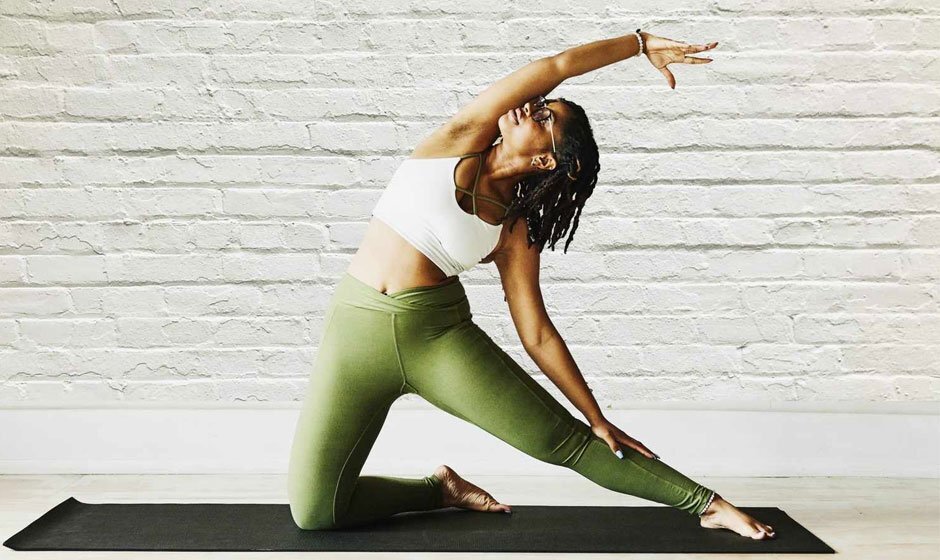
Finding a beginner-friendly yoga class online requires careful consideration of the class structure and content. This involves understanding the essential components of a beginner-level session, recognizing beginner-appropriate sequences, and appreciating the typical structure of a class. A well-structured class provides a supportive and effective learning environment for beginners.A well-designed beginner yoga class is meticulously crafted to guide students through the practice safely and effectively.
This is achieved through the strategic incorporation of key elements, including warm-ups, various poses, and cool-downs. These components work together to promote physical and mental well-being.
Essential Components of a Beginner-Friendly Class
Understanding the core elements of a beginner yoga class is crucial for selecting a suitable practice. These elements are carefully designed to build strength, flexibility, and mindfulness. A comprehensive class typically includes:
- Warm-up: A dedicated warm-up phase is essential for preparing the body for the poses. It involves gentle movements, stretches, and breathing exercises that gradually increase the heart rate and body temperature. This prepares the muscles for the subsequent physical demands and helps to reduce the risk of injury.
- Yoga Poses (Asanas): The core of the class focuses on a series of postures designed to enhance flexibility, strength, balance, and mindfulness. Beginner classes generally avoid complex or advanced poses, opting for foundational asanas that are accessible to all levels. Sequences often include standing poses, seated poses, and floor poses, all carefully chosen for their benefits and accessibility.
- Cool-down: A cool-down phase is equally important for gradual recovery and relaxation. It involves restorative poses and deep breathing exercises to lower the heart rate, calm the mind, and promote a sense of well-being. This helps the body transition back to a resting state.
Identifying Beginner-Appropriate Sequences and Modifications
A crucial aspect of selecting a beginner-friendly class is recognizing beginner-appropriate sequences. Experienced instructors understand the limitations and needs of beginners. They will often offer modifications for poses, making them accessible and safe.
- Modifications: Experienced instructors often demonstrate modifications for each pose, enabling students to adapt the practice to their individual needs and limitations. These modifications might include adjusting the posture, using props like blocks or blankets, or modifying the intensity of the stretch.
- Sequencing: Beginner-friendly classes typically present poses in a gradual and progressive sequence. This means that more challenging poses are often introduced after foundational poses have been established. Poses are introduced in a way that progressively builds strength, flexibility, and endurance. The sequence is carefully constructed to allow for adequate preparation and recovery between poses.
Breakdown of a Typical Beginner Yoga Class Structure and Content
A typical beginner yoga class usually follows a structured format, which often includes a warm-up, a series of poses, and a cool-down. The structure and content can vary, but a common structure is as follows:
| Component | Description |
|---|---|
| Warm-up | Gentle movements, stretches, and breathing exercises to prepare the body for practice. Examples might include arm circles, leg swings, and sun salutations (modified versions). |
| Yoga Poses | A sequence of poses, ranging from standing to seated to floor poses, building gradually in intensity. Modifications are frequently demonstrated. |
| Cool-down | Restorative poses, deep breathing, and relaxation exercises to calm the body and mind. Examples might include child’s pose or corpse pose. |
Choosing the Right Class for Your Needs
Finding the perfect online yoga class requires careful consideration of your individual needs and preferences. This involves evaluating factors such as your schedule, desired style, budget, and fitness level. Matching these elements with the offerings of various platforms will significantly enhance your experience and ensure you achieve your yoga goals.
Factors to Consider When Selecting a Class
Several key factors influence the suitability of an online yoga class. Understanding these aspects will empower you to make informed decisions.
- Schedule and Availability: Consider your daily schedule and commitments. A class that fits seamlessly into your routine will increase your likelihood of consistent participation. Prioritize classes that align with your work hours, family obligations, or personal time slots. Flexibility in scheduling is often a valuable feature, offering options for live or recorded sessions. For example, a class available at 7 am might suit someone with a morning routine, whereas an evening class would better accommodate those who prefer to practice after work.
- Yoga Style: Different yoga styles cater to varying needs and preferences. Some styles are more physically demanding, while others emphasize relaxation and mindfulness. If you’re new to yoga, consider gentle styles like Hatha or Yin. If you’re seeking a more vigorous workout, styles like Vinyasa or Power Yoga might be better choices. Researching different styles and trying sample classes can help you identify your preferred approach.
- Price and Value: Online yoga classes vary significantly in price. Consider your budget and the value proposition of different platforms. Free trials, introductory packages, or subscription models are options to explore. Compare features like the number of classes included, instructor quality, and access to additional resources to determine the best value for your investment. For example, a monthly subscription might offer greater flexibility and access compared to a single, one-time purchase.
- Instructor Qualifications and Experience: While online platforms vary in their verification processes, ensuring your instructor possesses appropriate qualifications can provide peace of mind. Look for certifications, experience levels, and any additional training that adds credibility to their teaching. A certified instructor can offer tailored guidance and modifications to suit your needs, especially if you have any specific physical limitations or conditions.
Matching Your Fitness Level and Goals
Finding classes that match your current fitness level and desired outcomes is essential. This will contribute to a more effective and satisfying practice.
- Beginner-Friendly Classes: These classes cater to individuals with limited or no prior yoga experience. Look for classes specifically designed for beginners, often emphasizing fundamental postures and modifications. These classes provide a supportive environment to learn the basics and build confidence.
- Intermediate and Advanced Options: As your practice progresses, you can explore classes geared towards intermediate and advanced practitioners. These classes will challenge you further, introducing more complex poses and sequences. Ensure that the class aligns with your current level of flexibility, strength, and balance.
- Specific Goals: Whether your goal is stress reduction, improved flexibility, or increased strength, choose classes that support those objectives. Look for classes that explicitly mention the benefits they offer. For example, if you want to improve flexibility, search for classes emphasizing stretching and lengthening exercises. This will help you select classes that specifically target your desired outcomes.
Considering Personal Preferences and Needs
Understanding your individual preferences and needs is vital for selecting the right online yoga class. Factors such as the learning environment, instructor personality, and your personal preferences contribute to a fulfilling practice.
- Learning Environment: Consider whether you prefer a structured or more flexible learning environment. Some platforms offer live classes with real-time interaction, while others provide recorded sessions for self-paced learning. Determine which learning style best suits your personality and learning needs.
- Instructor Style: Different instructors have unique teaching styles. Observe sample videos or read reviews to understand the instructor’s personality and approach to teaching. A supportive and encouraging instructor can enhance your experience and motivation.
- Community and Support: Some online platforms offer a sense of community through forums or chat features. If you value community engagement, look for platforms that foster connections among participants.
A Guide to Choosing the Right Class
This table provides a framework for selecting a class based on your needs and preferences.
| Need/Preference | Class Selection Criteria |
|---|---|
| Beginner | Beginner-friendly classes, clear instructions, modifications, supportive instructors |
| Intermediate | Classes with intermediate-level poses, challenging sequences, adjustments |
| Advanced | Classes with advanced postures, sequences, and challenging modifications |
| Flexibility | Classes emphasizing stretching and lengthening poses |
| Strength | Classes focusing on strength-building poses and sequences |
| Stress Reduction | Classes emphasizing relaxation, mindfulness, and breathwork |
| Schedule Flexibility | Classes with various times, live and recorded options |
| Budget | Consider price points, discounts, and subscription models |
| Instructor Qualifications | Look for certified instructors, experience levels, and training |
Practical Tips for Online Yoga Practice
Embarking on your online yoga journey requires thoughtful preparation and a supportive environment. This section details crucial elements for creating a safe and comfortable practice space at home, along with essential equipment and considerations for proper alignment and modifications. These practical tips will ensure your online yoga experience is both enjoyable and beneficial.Creating a dedicated yoga space, even in a smaller area, significantly enhances your practice.
A designated space fosters focus and a sense of calm, making the transition into your practice smoother. Equally important is ensuring the space is well-lit and free of distractions.
Setting Up a Comfortable and Safe Home Yoga Space
A comfortable and safe home yoga space is essential for a positive and productive practice. Prioritize a clear, uncluttered area, free from potential tripping hazards. Ensure adequate lighting to enhance visibility and prevent strain on your eyes. Choose a surface that’s supportive and comfortable, such as a yoga mat. Consider the temperature and ventilation of the space to maintain a comfortable body temperature throughout your session.
Soundproofing the space, if possible, can help minimize external disturbances.
Essential Equipment for Online Yoga Practice
Selecting the right equipment can significantly improve your online yoga practice. These tools provide support, stability, and enhance your experience. A quality yoga mat is a fundamental piece of equipment, offering cushioning and traction. Props such as blocks and straps can be invaluable for adjusting poses and achieving proper alignment.
Importance of Proper Alignment and Modifications
Understanding proper alignment is crucial for maximizing the benefits of online yoga while minimizing the risk of injury. Pay close attention to the instructor’s cues and adjust the poses to fit your body’s capabilities. Modifications are essential to adapt poses to your current flexibility and strength. Using props like blocks or straps can assist you in maintaining alignment and achieving the desired benefits.
Remember to listen to your body and avoid pushing yourself beyond your limits.
Essential Equipment and Their Uses
| Equipment | Description | Uses in Online Yoga ||—————–|———————————————————————————————————————————————————————————–|———————————————————————————————————————————————————————————————————————————|| Yoga Mat | A cushioned surface for practicing on.
| Provides cushioning and traction, reducing impact on joints, promoting stability, and improving comfort during poses.
|| Yoga Blocks | Rectangular blocks made of foam or wood.
| Assist in achieving proper alignment in poses that require elevating the hips, hands, or feet.
Helpful for modifications in postures like Warrior poses, Triangle poses, and forward folds. || Yoga Straps | Fabric straps, typically made of cotton or a similar material, used to enhance flexibility, support, and alignment in poses.
| Provide support for reaching further in stretches, assist with balance in challenging poses, and help maintain proper alignment in backbends, twists, and other poses.
|| Bolster/Pillow | A supportive cushion used to elevate certain parts of the body or provide extra comfort.
| Used to support the hips, back, or neck in restorative poses, creating comfort and relaxation.
Can be placed under the knees or along the spine to enhance spinal alignment and support. |
Strategies for Success with Online Yoga
Embarking on an online yoga journey requires a proactive approach to cultivate consistent practice and achieve desired outcomes. Understanding strategies for motivation and overcoming challenges is crucial for long-term success. This section Artikels practical steps to enhance your online yoga experience.Sustained engagement with online yoga hinges on a thoughtful strategy. Realistic goals, proactive problem-solving, and a supportive environment contribute significantly to a positive and fulfilling experience.
By acknowledging potential hurdles and developing coping mechanisms, individuals can navigate the online space effectively.
Staying Motivated and Consistent
Maintaining motivation and consistency is key to reaping the benefits of online yoga. A well-structured approach, incorporating a supportive routine and positive reinforcement, is essential for achieving long-term adherence.
- Establish a Dedicated Practice Space: Designate a quiet, comfortable area specifically for your online yoga sessions. This dedicated space fosters a sense of ritual and enhances focus, making it easier to transition into a mindful practice.
- Create a Consistent Schedule: Integrate your online yoga sessions into your daily or weekly schedule, treating them as important appointments. Consistency is crucial for building a habit.
- Set Realistic Goals: Avoid overwhelming yourself with ambitious targets. Start with achievable goals, such as practicing for a set duration each session, and gradually increase the intensity or duration as you progress.
- Incorporate Variety: Explore different online yoga classes to maintain interest and prevent boredom. Variety keeps the practice engaging and prevents monotony.
- Reward Yourself: Acknowledge and celebrate your progress. This could involve a small reward after each session or a larger reward after achieving a specific milestone.
Setting Realistic Goals and Expectations
Understanding the realistic expectations associated with online yoga practice is vital. This involves recognizing the time commitment, potential challenges, and the need for gradual progress.
- Recognize Gradual Improvement: Yoga is a journey, not a sprint. Expect gradual improvement over time. Focus on the process rather than immediate results. Celebrate small victories along the way.
- Acknowledge the Importance of Consistency: Consistent practice is more impactful than occasional intense sessions. Aim for regularity over intensity.
- Embrace Imperfection: Acknowledge that not every session will be perfect. There will be days when you might not feel motivated or energized. Allow for flexibility and accept these moments as part of the process.
- Don’t Compare Yourself to Others: Focus on your own progress and journey. Avoid comparing your practice to others. Comparison can lead to frustration and a negative mindset.
Overcoming Common Challenges
Online yoga, like any practice, presents certain challenges. Understanding these challenges and developing strategies to address them is crucial for sustained participation.
- Maintaining Focus and Motivation: Online distractions can sometimes make it challenging to maintain focus. Strategies such as creating a dedicated practice space, turning off notifications, and setting a timer can assist in maintaining focus.
- Dealing with Technical Issues: Internet connectivity problems or software glitches can disrupt a yoga session. Troubleshooting these issues proactively and having a backup plan can minimize disruption.
- Maintaining Alignment and Correct Form: Self-correction can be challenging in an online setting. Consider utilizing online resources, such as instructional videos, or seeking guidance from a qualified yoga instructor to maintain proper alignment.
- Adapting to Different Class Formats: The structure and pace of online classes can differ from in-person classes. Understanding the nuances of different formats and adapting your practice accordingly is crucial for success.
Tips for Maintaining Motivation and Consistency
Practical tips for maintaining motivation and consistency in online yoga practice are presented below.
- Establish a Routine: Schedule your online yoga sessions as you would any important appointment.
- Track Your Progress: Maintain a journal or use an app to track your practice duration, level of difficulty, and any noticeable improvements.
- Find a Supportive Community: Connect with fellow online yoga practitioners for motivation and encouragement.
- Incorporate Mindfulness Practices: Practice mindfulness techniques such as meditation or deep breathing before and after your online yoga sessions.
- Stay Hydrated and Nourished: Maintain proper hydration and nutrition to support your physical and mental well-being.
Illustrative Examples of Beginner-Friendly Classes

Discovering the right beginner-friendly online yoga class can be a transformative experience. This section provides concrete examples of various beginner-friendly classes, highlighting different styles and platforms, to assist you in your search. Choosing a class that aligns with your preferences and goals is key to a positive and effective online yoga journey.
Restorative Yoga for Beginners
Restorative yoga is an excellent entry point for beginners. It emphasizes relaxation and gentle poses held for extended periods, allowing the body to deeply release tension and stress. This style is particularly beneficial for those seeking a calming and restorative experience, promoting a sense of deep relaxation and improved well-being. The practice often involves using props like blankets, bolsters, and blocks to support the body in comfortable and passive poses.
The slow pace and focus on deep relaxation are perfect for beginners seeking a gentle introduction to yoga.
- Example 1: “Beginner’s Restorative Yoga Flow” on Yoga with Adriene. This class is known for its clear instructions and calming music. Adriene’s gentle voice guides you through restorative poses, ensuring a safe and comfortable experience for beginners.
- Example 2: “Restorative Yoga for Beginners” on Glo. This platform often features classes specifically designed for beginners, providing a structured and supportive environment.
Gentle Yoga for Beginners
Gentle yoga is another excellent choice for beginners. It focuses on moving slowly and mindfully through a series of poses, with an emphasis on mindful movement and breath awareness. This style of yoga is particularly helpful for beginners who are new to physical activity or have physical limitations. It promotes body awareness and helps build a foundation of strength and flexibility.
- Example 1: “Gentle Yoga for Beginners” on Yoga International. This platform often offers a variety of gentle yoga classes, tailored to different levels of experience. The instructors are known for their clear instructions and patient approach.
- Example 2: “Beginner Gentle Flow” on Alo Moves. This class provides a gentle introduction to yoga poses, focusing on alignment and breathwork. It’s a suitable option for beginners to gain confidence and build a solid foundation in yoga practice.
Hatha Yoga for Beginners
Hatha yoga is a foundational style, ideal for beginners. It blends physical postures (asanas) with breathwork (pranayama). Hatha yoga classes for beginners often include a comprehensive introduction to basic asanas and the importance of breathwork. It emphasizes a balance between strength, flexibility, and relaxation.
- Example 1: “Hatha Yoga for Absolute Beginners” on YouTube. Many certified yoga instructors share beginner-friendly Hatha yoga videos on YouTube, offering accessible and comprehensive guidance.
- Example 2: “Beginner Hatha Yoga” on a platform like YogaGlo. This class typically features clear instructions, anatomical descriptions, and modifications for beginners, providing a safe and supportive learning environment.
Benefits of Different Styles
Different styles of beginner yoga classes cater to various needs and preferences. Restorative yoga promotes relaxation and stress reduction. Gentle yoga focuses on mindful movement and body awareness. Hatha yoga provides a solid foundation in asanas and breathwork. Choosing a style that aligns with your personal goals and preferences is crucial for a fulfilling yoga experience.
Closing Notes
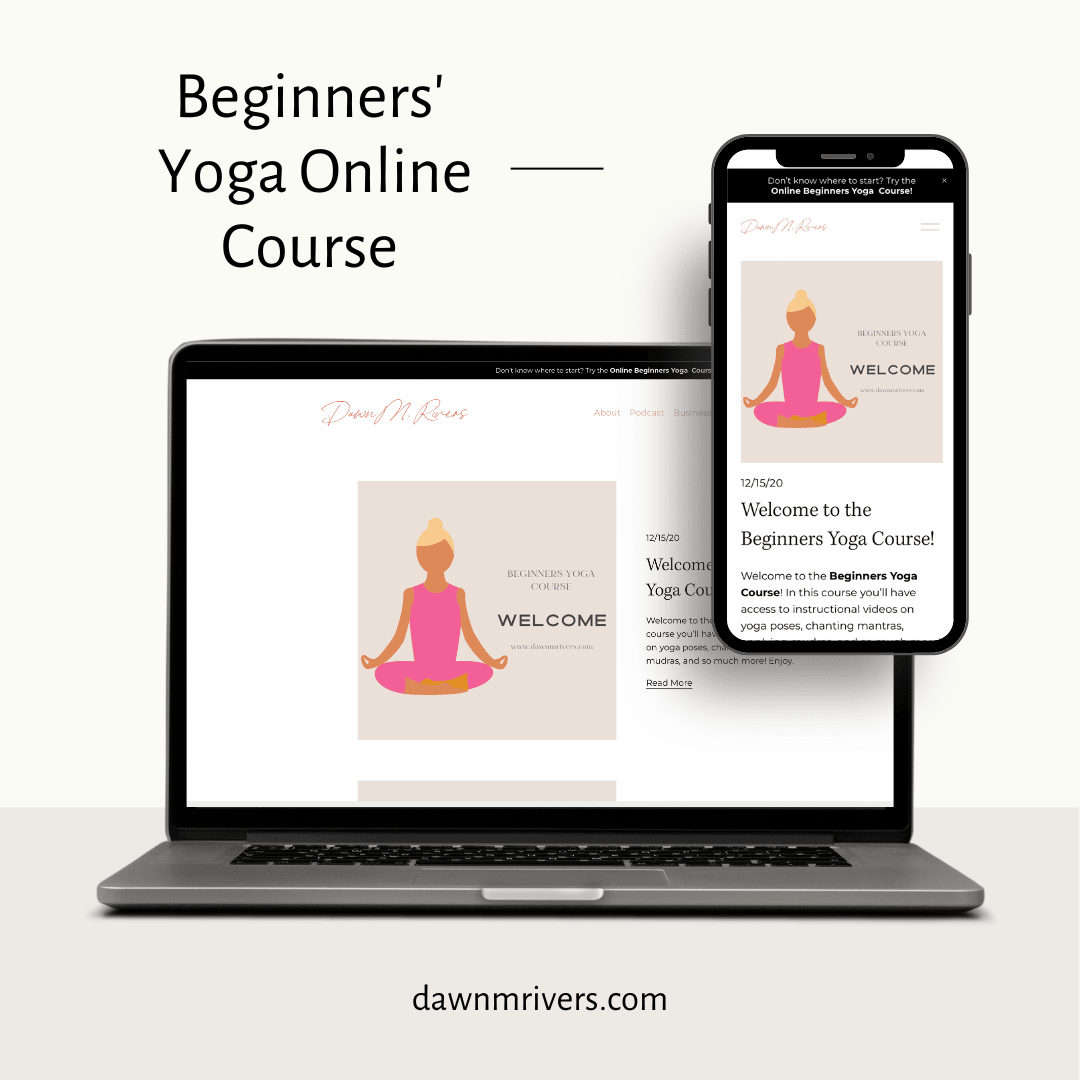
In conclusion, this comprehensive guide has provided a structured approach to finding the perfect beginner-friendly online yoga class. By considering online platforms, instructor qualifications, class formats, and practical tips, you can embark on your yoga journey with confidence and a clear understanding of what to look for. Remember to prioritize your needs, preferences, and goals to ensure a positive and fulfilling online yoga experience.
Ultimately, this guide aims to empower you to find the right class that fits your journey.