Unlock the transformative power of Yoga Nidra, a practice deeply rooted in ancient yogic traditions. This comprehensive guide unveils the secrets to achieving profound relaxation and deep rest, empowering you to cultivate inner peace and well-being. Learn how to harness the physiological benefits of Yoga Nidra, preparing you for a journey of self-discovery and rejuvenation.
Discover the distinct stages of Yoga Nidra, from initial preparation to the profound depths of rest. Explore a range of techniques for deepening relaxation, from mindful breathing to guided imagery, and discover how to integrate this practice into your daily routine for lasting stress reduction and improved sleep quality.
Introduction to Yoga Nidra for Deep Rest
Yoga Nidra, a profound state of conscious relaxation, facilitates deep rest and rejuvenation. It is a guided meditation technique that gently guides the practitioner into a state of deep relaxation without falling asleep. This practice is unique in that it connects the body and mind for holistic well-being.Yoga Nidra is not simply lying down and resting; it is a structured process that engages the mind and body, promoting deep relaxation and restoring balance.
By systematically releasing tension and stress, practitioners experience a multitude of physiological benefits, including improved sleep quality, reduced anxiety, and enhanced overall well-being.
Physiological Benefits of Yoga Nidra
Yoga Nidra’s effects extend beyond simply feeling relaxed. The practice actively influences the body’s physiological systems. It can lead to a reduction in blood pressure, heart rate, and muscle tension. This physiological relaxation promotes a state of deep rest, allowing the body to repair and rejuvenate. Furthermore, studies suggest improvements in immune function and stress hormone regulation, leading to better overall health.
Historical Context and Origins of Yoga Nidra
Yoga Nidra, rooted in the ancient yogic traditions, is a powerful technique for achieving deep rest. Its origins are intricately linked to the broader practice of yoga, which emphasizes the integration of body, mind, and spirit. While specific origins remain somewhat shrouded in history, its foundational principles stem from the profound understanding of the human mind and body.
Ancient texts and practices emphasize the importance of both physical and mental well-being.
Overview of Different Types of Yoga Nidra Practices
Yoga Nidra is a versatile practice with various approaches. Different practitioners and teachers may tailor their practices to specific needs and goals. These adaptations can include variations in the language used, the imagery employed, and the focus of the practice itself. Some practices focus on specific benefits, such as reducing anxiety, improving sleep, or enhancing creativity.
Yoga Nidra Practice Overview
Understanding the various types of Yoga Nidra practices can help one choose a suitable practice for their needs. This overview presents a range of practices, detailing their duration, focus areas, and benefits.
| Practice Name | Duration | Focus Area | Benefits |
|---|---|---|---|
| Relaxation and Stress Reduction | 20-30 minutes | Physical and mental relaxation, stress reduction | Reduced muscle tension, improved mood, lowered blood pressure |
| Sleep Enhancement | 20-40 minutes | Promoting better sleep quality | Improved sleep cycles, reduced insomnia, increased energy |
| Emotional Healing | 30-45 minutes | Addressing emotional challenges | Increased self-awareness, emotional regulation, reduced anxiety |
| Energy Enhancement | 20-30 minutes | Boosting energy levels | Increased vitality, reduced fatigue, improved focus |
Preparing for a Yoga Nidra Session
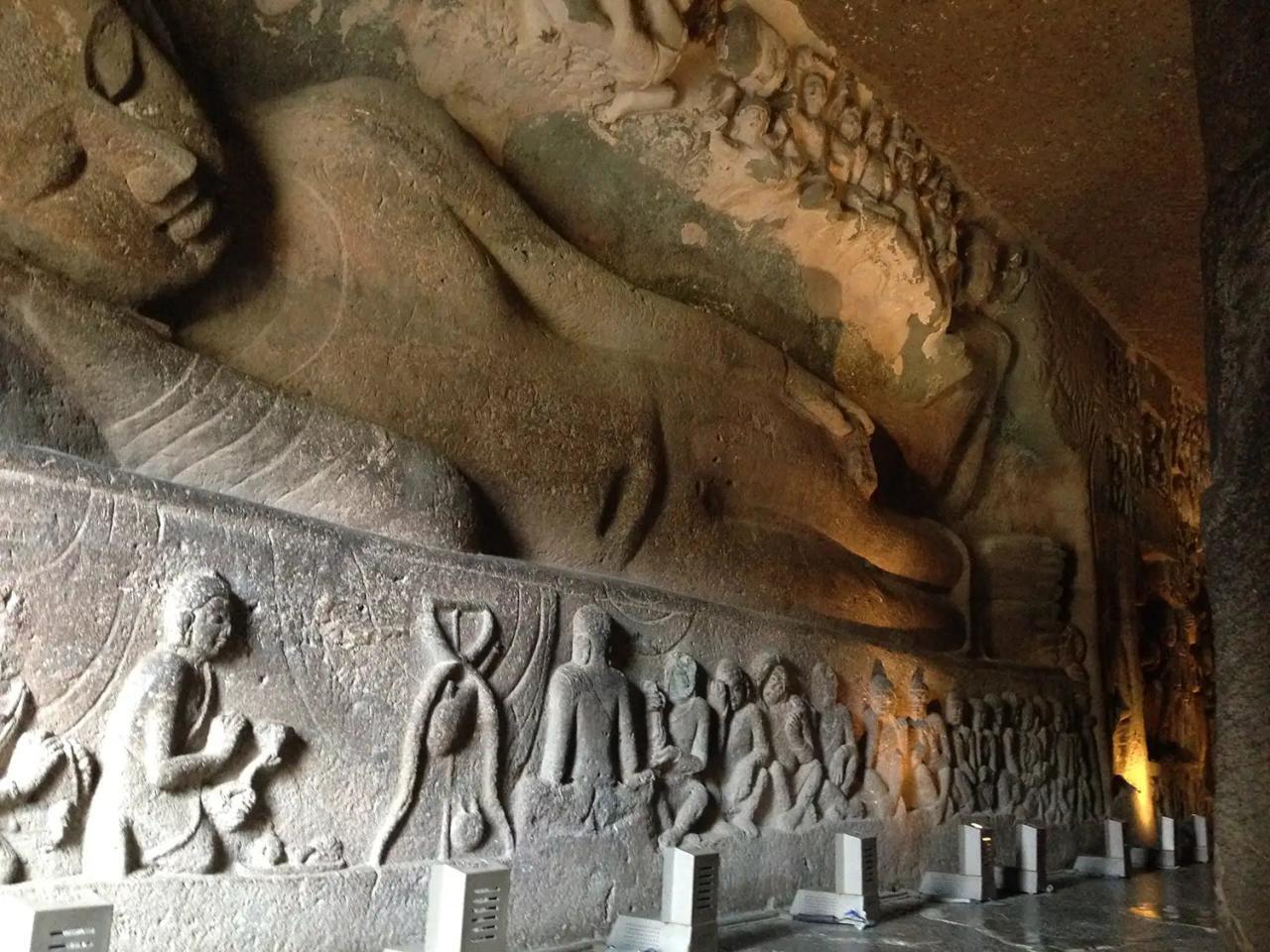
Embarking on a Yoga Nidra journey begins with careful preparation. This meticulous approach ensures a deeper connection with the practice and maximizes its restorative benefits. By creating a conducive environment and setting the right mental state, you can fully immerse yourself in the transformative experience of Yoga Nidra.
Physical Preparations
Physical comfort is paramount during a Yoga Nidra session. Find a space where you can lie down without being disturbed. Ensure the area is free of any obstructions or potential distractions. A supportive surface, like a yoga mat or a soft blanket on the floor, is ideal. Comfortable clothing that allows for freedom of movement is essential.
Remove any restrictive jewelry or accessories.
Creating a Quiet and Comfortable Environment
A quiet and comfortable environment is crucial for achieving deep relaxation during Yoga Nidra. Minimize external stimuli. This might involve turning off electronic devices, closing doors, or using earplugs. The temperature of the room should be pleasant, neither too hot nor too cold. Ensure adequate lighting to facilitate a sense of security and calm, but avoid overly bright lights.
Mental Preparation
Mental preparation is equally vital for a successful Yoga Nidra session. It involves quieting the mind and releasing any anxieties or worries. Take time to acknowledge and release any tension or stress that may be present. Cultivate a sense of acceptance and non-judgment towards your thoughts and feelings.
Preparatory Exercises or Activities
These activities can help prepare your mind and body for the restorative experience of Yoga Nidra. Consider a short period of gentle stretching or light yoga poses. Deep, conscious breathing exercises, like pranayama, can also be helpful in calming the nervous system. Listening to calming music or engaging in mindfulness exercises can further assist in the transition to a relaxed state of mind.
- Gentle Stretching: Gentle stretching or a few light yoga poses can help loosen muscles and increase flexibility, reducing physical tension that may hinder relaxation.
- Deep Breathing Exercises: Deep breathing exercises, like pranayama, calm the nervous system and create a sense of inner peace, preparing the mind for the stillness of Yoga Nidra.
- Mindfulness Exercises: Mindfulness exercises can help quiet the mind, allowing thoughts to pass without judgment. This promotes a sense of calm and readiness for deep rest.
Aromatherapy and Music
Incorporating aromatherapy or calming music can enhance the relaxation process. Certain scents, like lavender or chamomile, are known for their calming properties. Soft instrumental music or nature sounds can also create a soothing ambiance, further deepening relaxation.
Preparation Steps
| Preparation Step | Description | Importance |
|---|---|---|
| Physical Comfort | Ensure a comfortable and supportive surface, loose-fitting clothing, and removal of restrictive items. | Physical comfort minimizes distractions and allows for a deeper state of relaxation. |
| Quiet Environment | Minimize external stimuli by turning off electronic devices, closing doors, and using earplugs, if needed. | A quiet environment is essential for minimizing distractions and promoting mental stillness. |
| Mental Preparation | Acknowledge and release any tension or stress, cultivate acceptance, and create a sense of readiness for the practice. | Mental preparation allows the mind to enter a state of receptiveness and facilitates a deeper connection with the practice. |
| Gentle Movement | Engage in gentle stretching, light yoga poses, or breathing exercises to prepare the body and mind. | Gentle movement helps release physical tension and calm the nervous system. |
| Aromatherapy/Music | Use calming scents (e.g., lavender) or soft instrumental music to enhance the relaxing atmosphere. | Aromatherapy and music can further enhance the ambiance and promote a deeper state of relaxation. |
Understanding the Stages of Yoga Nidra
Yoga Nidra, a profound state of conscious rest, unfolds through distinct stages. Each stage builds upon the previous one, culminating in a deeply relaxed and rejuvenated state. Understanding these stages allows practitioners to better navigate the experience and maximize its benefits.
Stages of Yoga Nidra
Yoga Nidra’s journey is not a linear progression but a cyclical process, where the practitioner moves between states of awareness and deep relaxation. A skilled practitioner can guide you through these stages with specific techniques to enhance the experience and facilitate transitions. The journey through the stages is not rigid; transitions between them can be fluid and often overlap.
Relaxation and Sensory Awareness
The initial stages of Yoga Nidra focus on a gentle and progressive relaxation of the body and mind. This initial relaxation is vital for preparing the mind and body for deeper states of rest. Through conscious relaxation, the practitioner becomes aware of sensations in their body, thoughts, and emotions, without judgment. Techniques like progressive muscle relaxation and guided visualization are commonly employed to facilitate this phase.
Mental Silence and Internal Exploration
As relaxation deepens, the mind quiets, and thoughts subside. This stage is characterized by a transition from conscious awareness to a state of internal exploration. The practitioner may experience a sense of detachment from thoughts and emotions, allowing a deeper connection with their inner self. This stage often includes the use of specific visualizations and affirmations.
Integration and Reorientation
The final stages of Yoga Nidra involve a conscious reintegration into wakefulness. The practitioner is gently guided back to a state of full awareness. This reorientation stage is crucial as it facilitates the assimilation of the benefits of the practice into daily life. Techniques such as anchoring and re-establishing awareness in the body are used. This stage can be crucial for managing stress and anxiety by creating a bridge between the deeply relaxed state and the present moment.
A Table of Stages
| Stage | Description | Key Characteristics |
|---|---|---|
| Relaxation and Sensory Awareness | Gentle physical relaxation, conscious awareness of sensations without judgment. | Progressive muscle relaxation, guided visualization. |
| Mental Silence and Internal Exploration | Quieting of the mind, transition to internal exploration, detachment from thoughts. | Guided visualizations, affirmations, mental quietude. |
| Integration and Reorientation | Conscious return to wakefulness, assimilation of benefits, grounding. | Anchoring, re-establishing awareness in the body, mindful return. |
Techniques for Deepening Rest during Yoga Nidra
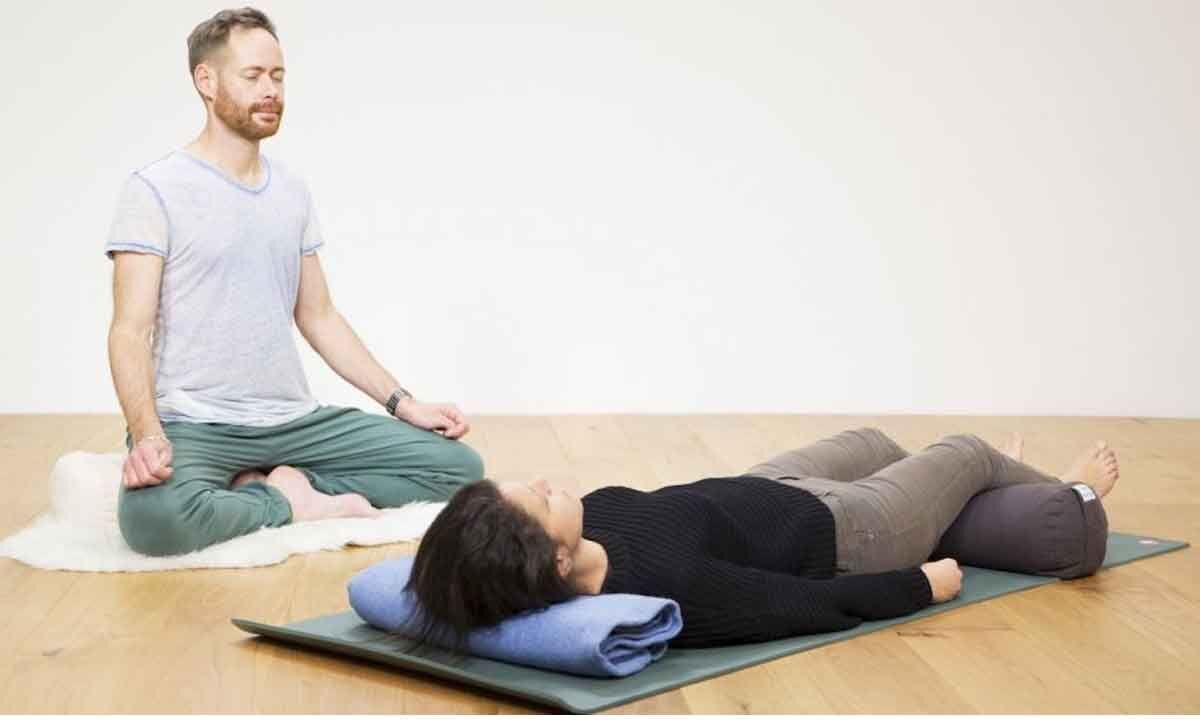
Yoga Nidra, a practice of deep relaxation, offers a pathway to profound rest and rejuvenation. By employing specific techniques, practitioners can move beyond simple drowsiness and experience a state of profound relaxation, conducive to healing and well-being. These techniques work synergistically to cultivate a state of mental and physical ease.
Breathing Techniques for Relaxation
Effective breathing techniques play a pivotal role in inducing deep relaxation during Yoga Nidra. Different breathing patterns can influence the parasympathetic nervous system, promoting a calming response. Understanding and applying these techniques enhances the overall experience of deep rest.
- Diaphragmatic Breathing: This technique focuses on the rhythmic expansion and contraction of the diaphragm, the primary muscle of respiration. Consciously engaging the diaphragm during inhalation and exhalation creates a gentle, calming rhythm that soothes the nervous system. This technique is particularly useful for reducing anxiety and promoting a sense of groundedness. For example, practitioners might place one hand on the belly to feel the natural rise and fall of the diaphragm during each breath.
- Ujjayi Breath: This technique, often translated as “victorious breath,” involves a subtle constriction of the throat, creating a gentle, oceanic sound during inhalation and exhalation. This conscious effort to create a whisper-like sound helps to slow down the breath, reduce the heart rate, and induce a calming state. It is a powerful tool for quieting the mind and promoting relaxation.
- Alternate Nostril Breathing (Nadi Shodhana): This ancient technique involves rhythmically inhaling through one nostril, exhaling through the other, and then reversing the process. The controlled breathing pattern helps balance the energies of the body, promotes mental clarity, and facilitates a deep state of relaxation. It’s frequently used in meditation and yoga to regulate the nervous system.
Visualization for Deep Rest
Visualization plays a significant role in deepening relaxation during Yoga Nidra. Creating vivid mental images can distract the mind from racing thoughts and anchor it in a peaceful state. Guided imagery is a particularly useful tool to induce a profound sense of calm.
- Nature Scenes: Imagine yourself in a serene natural setting, such as a tranquil forest, a sun-drenched beach, or a lush meadow. Visualize the sights, sounds, and smells of this chosen environment to evoke a sense of peace and tranquility.
- Relaxing Environments: Visualize a cozy cabin, a sun-drenched patio, or a warm, inviting space where you feel utterly safe and at ease. Notice the details of the environment, and allow yourself to immerse in the scene, feeling the sense of relaxation envelop you.
- Healing Journeys: Imagine yourself on a healing journey, perhaps traveling through a landscape of vibrant colors and serene vistas. Visualize the journey as a path towards inner peace and healing, allowing the imagery to support your emotional and physical well-being.
Body Awareness and Scan
A thorough body scan is an essential element in Yoga Nidra. By bringing conscious attention to different parts of the body, practitioners can release tension and promote relaxation.
- Systematic Scan: Gradually move your attention through each part of your body, from your toes to the top of your head. Notice any sensations, tensions, or discomfort. With gentle awareness, release any unnecessary tension you find.
- Gentle Awareness: Pay attention to the specific sensations in each part of the body. This might include warmth, coolness, tingling, or simply a sense of weight. Notice the sensations without judgment or trying to change them. This awareness fosters a sense of connection with the body.
- Tension Release: Identify any areas of tension in the body, such as the shoulders, jaw, or back. With conscious intent, release the tension by relaxing these areas and allowing them to soften and release.
Guided Imagery Suggestions
Guided imagery offers a powerful tool for deepening relaxation during Yoga Nidra. These visualizations can help to promote a sense of calm and tranquility.
- Floating on Water: Imagine yourself floating gently on a calm body of water, surrounded by serene natural landscapes. Feel the weightlessness and tranquility of the experience. This imagery evokes a sense of freedom and detachment.
- Falling into a Warm Bath: Visualize yourself sinking into a warm, inviting bath, surrounded by soft, comforting light. Feel the warmth and relaxation wash over your body, releasing any lingering tension.
- Traveling through a Beautiful Landscape: Imagine yourself on a journey through a picturesque landscape, passing by beautiful flowers, cascading waterfalls, and serene valleys. Visualize these scenes in vivid detail to induce a state of deep relaxation.
Maintaining Deep Rest After Yoga Nidra
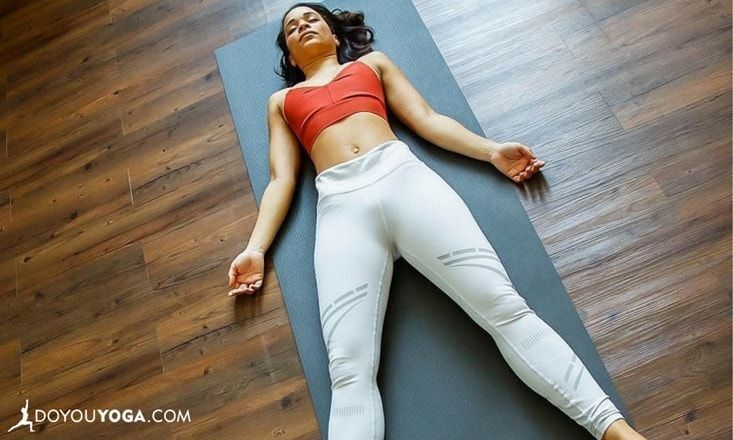
Sustaining the profound relaxation achieved during a Yoga Nidra session requires conscious effort and consistent practice. This involves not only maintaining a calm state of mind but also integrating the principles of relaxation into everyday life. By understanding how to leverage the benefits of Yoga Nidra, individuals can foster a more tranquil and balanced existence.
Strategies for Maintaining Deep Rest
Maintaining the relaxed state after a Yoga Nidra session hinges on mindful awareness and proactive strategies. Deep rest isn’t a fleeting experience but a state that can be cultivated and sustained. Consciously bringing a sense of calm and peace into your daily activities is crucial for this transition. Techniques such as mindful breathing, progressive muscle relaxation, and visualization can be employed to sustain the tranquility experienced during Yoga Nidra.
Incorporating Relaxation Techniques into Daily Life
Integrating relaxation techniques into your daily routine fosters a sense of calm and well-being, mirroring the deep rest achieved during Yoga Nidra. This proactive approach involves incorporating practices into your daily schedule to cultivate a relaxed mindset. Simple activities like taking slow, deep breaths throughout the day, practicing mindful movement, or engaging in calming activities like listening to soothing music or spending time in nature can effectively maintain a state of relaxation.
Regular practice of these techniques strengthens your ability to access deep relaxation whenever needed.
Utilizing Yoga Nidra for Stress and Anxiety Reduction
Yoga Nidra’s profound relaxation response can significantly mitigate stress and anxiety. By fostering a state of deep rest, Yoga Nidra helps to regulate the body’s stress response, reducing the physiological and psychological effects of stress and anxiety. The techniques practiced during Yoga Nidra, such as focused attention and deep relaxation, can be employed to manage stressful situations and anxiety triggers in everyday life.
Applying Yoga Nidra Principles to Other Activities
The principles of deep relaxation cultivated through Yoga Nidra can be applied to a variety of activities. Techniques like focused attention and mindful awareness, central to Yoga Nidra, can enhance performance and focus in tasks like studying, working, or engaging in creative endeavors. The sense of calm and clarity fostered during Yoga Nidra can positively impact various aspects of life, promoting a more balanced and productive approach to daily activities.
Table of Yoga Nidra Techniques and Applications
| Technique | Application |
|---|---|
| Mindful Breathing | Reduces stress, calms the mind, and promotes relaxation in various situations, from everyday tasks to stressful encounters. |
| Progressive Muscle Relaxation | Releases physical tension, promoting relaxation and reducing anxiety. Can be applied before important meetings or presentations. |
| Visualization | Creates a sense of calm and well-being. Can be used to mentally prepare for a task or to manage difficult emotions. |
| Focused Attention | Enhances concentration and focus during study, work, or other activities. Promotes a more productive and mindful approach. |
Common Challenges and Solutions in Yoga Nidra
Yoga Nidra, a practice of deep relaxation, can be transformative. However, some individuals may encounter challenges during their journey. Recognizing these common obstacles and understanding effective solutions can significantly enhance the experience and facilitate deeper relaxation and well-being. Understanding potential difficulties is crucial for maintaining a positive and productive practice.A successful Yoga Nidra practice involves not only the techniques but also a proactive approach to address potential issues.
By acknowledging and understanding these obstacles, practitioners can develop strategies to navigate them effectively. This understanding empowers individuals to approach their practice with greater awareness and resilience, ultimately leading to a more fulfilling experience.
Restlessness and Distracting Thoughts
Restlessness and distracting thoughts are common challenges in Yoga Nidra. These are often rooted in the natural tendency of the mind to wander. The mind may conjure images, memories, or worries, disrupting the state of deep relaxation. To address this, practitioners can employ techniques to gently redirect the mind. Consciously acknowledging the presence of thoughts without judgment, and gently guiding the attention back to the breath or a specific point of focus, such as the body part being scanned, are helpful strategies.
Practicing mindfulness techniques before starting Yoga Nidra can also help to calm the mind and prepare it for the practice.
Difficult Emotions
During Yoga Nidra, suppressed emotions may surface. This is a natural process as the practice allows for a deeper exploration of the inner self. It is important to approach these emotions with acceptance and compassion. Acknowledging the emotion without judgment, and observing it as it arises and subsides, is key. Visualizing a comforting scene or using a guided visualization focusing on acceptance and self-compassion can help process and release these emotions in a healthy manner.
Sleep Disturbances
Sleep disturbances can interfere with the effectiveness of Yoga Nidra. If an individual experiences difficulty falling asleep or staying asleep, establishing a consistent sleep schedule and creating a calming bedtime routine can be helpful. Practicing relaxation techniques, such as deep breathing exercises, before bed can also contribute to better sleep quality.It’s crucial to distinguish between difficulty sleeping and the natural process of awareness during Yoga Nidra.
If the sleep disturbances persist, consulting a healthcare professional is recommended.
FAQ
| Question | Answer |
|---|---|
| Can I practice Yoga Nidra if I have a medical condition? | It is advisable to consult with a healthcare professional before starting any new practice, especially if you have underlying health conditions. Yoga Nidra can be adapted to suit various needs, but it’s always best to proceed with caution and discuss potential modifications with a qualified instructor or practitioner. |
| How long does it take to experience the benefits of Yoga Nidra? | The experience and benefits of Yoga Nidra can vary from person to person. Regular practice is key to experiencing the long-term benefits of deep relaxation, stress reduction, and improved well-being. Some individuals may notice positive effects after just a few sessions, while others may require more consistent practice to fully realize the benefits. |
| What should I wear during a Yoga Nidra session? | Comfortable clothing is recommended. Choose garments that allow for freedom of movement and do not restrict your body. |
| Can I practice Yoga Nidra anytime of the day? | Yoga Nidra can be practiced at any time of day, but it is often recommended to practice it in the evening to promote relaxation and restful sleep. However, if you prefer, you can also practice it in the morning or during the day. |
Yoga Nidra and Other Relaxation Techniques
Yoga Nidra, a powerful technique for deep relaxation, offers a unique pathway to inner peace and well-being. It complements other relaxation methods, and can be effectively integrated into a holistic approach to self-care. Understanding how Yoga Nidra relates to other relaxation practices allows for a more nuanced and personalized approach to stress management and overall wellness.
Comparison with Other Relaxation Techniques
Yoga Nidra distinguishes itself from other relaxation techniques through its unique blend of focused awareness and deep rest. While practices like progressive muscle relaxation target physical tension release, Yoga Nidra delves deeper into the subconscious mind. Mindfulness meditation, while fostering present moment awareness, often involves a degree of active engagement with thoughts and sensations. Yoga Nidra guides the practitioner through a state of effortless awareness, allowing the mind to quiet naturally.
This allows for a profound sense of relaxation and rejuvenation.
Potential Benefits of Combining Yoga Nidra with Other Practices
Combining Yoga Nidra with other relaxation practices can create synergistic effects. For instance, incorporating progressive muscle relaxation before a Yoga Nidra session can prepare the body for deep rest. Similarly, integrating mindful breathing techniques during Yoga Nidra can enhance the experience’s depth and effectiveness. This combination of approaches creates a powerful synergy that addresses both physical and mental well-being.
Complementing Mindfulness and Meditation
Yoga Nidra can significantly complement mindfulness and meditation practices. Mindfulness meditation often focuses on observing thoughts and sensations without judgment. Yoga Nidra takes this further by allowing the practitioner to rest in the awareness of these sensations and thoughts, deepening the experience of acceptance and equanimity. This deeper rest allows for a more profound understanding of the nature of the mind, enhancing mindfulness practices.
Enhancing Self-Awareness
Yoga Nidra provides a powerful framework for enhancing self-awareness. By guiding the practitioner through a systematic exploration of the body and mind, it fosters a deeper understanding of one’s internal states. This awareness extends beyond simple physical sensations, incorporating emotional and mental patterns. The process of recognizing these patterns in a relaxed state can be instrumental in addressing stress and developing coping mechanisms.
Integrating Yoga Nidra into Daily Routines
Integrating Yoga Nidra into daily routines is straightforward. A 15-20 minute session in the morning or before bed can significantly improve overall well-being. Scheduling it as a regular practice, like a daily meditation, can establish a routine that cultivates a sense of calm and promotes mental clarity. This consistency can have profound long-term benefits.
Yoga Nidra vs. Alternative Relaxation Techniques
| Yoga Nidra | Alternative Relaxation Technique (e.g., Progressive Muscle Relaxation) |
|---|---|
| Focuses on deep relaxation and awareness of the subconscious mind. | Focuses on releasing physical tension through conscious relaxation of muscle groups. |
| Promotes a state of effortless awareness. | Requires active engagement in releasing tension. |
| Can be easily integrated into daily routines. | May require more structured scheduling. |
| Potentially enhances self-awareness and emotional regulation. | Primarily targets physical relaxation. |
| Potential for long-term benefits, including stress reduction. | Effective for short-term relief of physical tension. |
Illustrative Examples of Yoga Nidra Practices
Yoga Nidra, a profound state of conscious rest, offers a wealth of possibilities for personal growth and well-being. This section provides practical examples of Yoga Nidra practices tailored to specific needs, showcasing the versatility and effectiveness of this ancient technique.These examples highlight the diverse applications of Yoga Nidra, demonstrating how it can be adapted to various goals, from stress reduction to improved sleep.
The scripts and descriptions provide a clear framework for anyone interested in exploring this powerful practice.
Sample Yoga Nidra Practice for Stress Reduction
This practice focuses on releasing tension and promoting a sense of calm through guided visualization and deep relaxation. It involves progressive muscle relaxation, mental imagery, and positive affirmations to cultivate a state of deep rest.
Script Excerpt:
Bring your attention to your feet. Feel the sensation of the floor beneath you. Notice any tension in your feet, and gently release it. Imagine your feet becoming heavy, sinking into the floor. Now bring your awareness to your ankles…
This script progressively guides the practitioner through the body, releasing tension in each part. The imagery of sinking into the floor and the emphasis on releasing tension directly address stress-related physical and mental discomfort.
Yoga Nidra Practice for Improving Sleep Quality
This practice is specifically designed to prepare the body and mind for restful sleep. It utilizes guided relaxation, visualization, and affirmations to create a conducive environment for sleep onset and maintenance.
Script Excerpt:
Allow your breath to become slow and deep. Imagine yourself lying in a comfortable bed, surrounded by soft, comforting light. Feel the warmth of the sheets enveloping your body. Let your thoughts gently drift away…
This script emphasizes relaxation, imagery of a peaceful sleep environment, and the regulation of breath, elements crucial for inducing a calm state conducive to sleep.
The Role of the Instructor’s Voice
The instructor’s voice plays a critical role in creating a calming environment during a Yoga Nidra session. A soothing, clear, and steady tone, free from distractions, can significantly enhance the effectiveness of the practice. The tone of voice should be supportive and reassuring, fostering a sense of trust and safety. The pace of the voice should be slow and deliberate, allowing participants to fully absorb each instruction and image.
A calming tone can facilitate the transition into deep relaxation.
Structure and Format of Yoga Nidra Practices
Yoga Nidra practices generally follow a structured format, typically beginning with a period of settling into a comfortable posture. The practice often progresses through stages that include progressive muscle relaxation, mental imagery, and positive affirmations. The practice typically concludes with a period of returning to awareness, with gradual movement back to a waking state. The structure varies depending on the specific focus of the practice.
A structured approach helps to guide the practitioner through a complete relaxation process.
Sample Script for a Short Yoga Nidra Session
“Welcome to this short Yoga Nidra session. Lie down comfortably, close your eyes gently. Allow your body to relax, releasing any tension you may be holding. Bring your attention to your breath, noticing the natural rhythm of inhalation and exhalation. Now, visualize a peaceful and serene place. Feel the calmness wash over you. Hold this feeling for a few moments. Gradually return your awareness to your body, feeling the connection between you and the earth. Gently bring your awareness back to the present moment. When you are ready, slowly open your eyes.”
Ultimate Conclusion
In conclusion, this guide provides a complete roadmap to experiencing deep rest through Yoga Nidra. By understanding the stages, techniques, and potential challenges, you can embark on a journey towards greater relaxation and well-being. Embrace the power of Yoga Nidra to cultivate a sense of inner peace and tranquility in your daily life. We hope this guide serves as a valuable resource for your journey to deeper rest.