Backbends, when performed safely and effectively, can unlock a profound sense of freedom and flexibility. This comprehensive guide, How to Deepen Your Backbends Safely, provides a structured approach to safely progress in your backbending practice. It emphasizes the importance of understanding proper alignment, progressive deepening, and the crucial role of mindful listening to your body. By following the detailed steps and guidelines presented, you can embark on a journey to deepen your backbends while mitigating the risk of injury.
The guide covers everything from essential warm-up routines and alignment principles to progressive deepening techniques, the intelligent use of props, and controlled breathing. We’ll explore how to address common challenges and cultivate a safe and supportive practice environment. Prepare to unlock your backbending potential with knowledge and care.
Understanding the Importance of Safety in Backbends
Backbending, while a powerful and aesthetically pleasing yoga posture, carries inherent risks if not approached with mindful awareness and meticulous attention to safety. Thorough understanding of the potential hazards and the implementation of safe practices are crucial for achieving the benefits of backbends without compromising spinal health. A focus on controlled movements and progressive deepening is paramount to avoiding injuries and maximizing the long-term benefits.Proper alignment and controlled movements are fundamental to preventing backbending injuries.
A gradual and progressive approach is vital. Rushing into advanced poses without sufficient preparation and understanding of proper biomechanics can lead to severe injuries.
Potential Risks Associated with Backbends
Backbending poses, if not performed correctly, can put significant stress on the spine, ligaments, and muscles. Common injuries include sprains, strains, and even disc herniations. These injuries can range from mild discomfort to severe and long-lasting pain, impacting daily life. The risk is amplified when attempting complex backbends without proper preparation or guidance from a qualified instructor.
Understanding the anatomy of the spine and the specific demands of each pose is critical for minimizing the risk of injury.
Importance of Proper Alignment and Controlled Movements
Maintaining proper alignment during backbends is crucial for distributing stress evenly across the spine and surrounding tissues. Improper alignment can lead to uneven strain on specific areas, increasing the risk of injury. Controlled movements are equally important; rushing into a deep backbend can strain the muscles and ligaments, potentially causing tears or sprains. The gradual deepening of the posture through controlled movements allows for a more gradual adaptation of the body, mitigating the risk of injury.
Safe vs. Unsafe Backbending Techniques
Safe backbending techniques prioritize controlled movements, proper alignment, and gradual deepening. A qualified instructor can provide guidance on appropriate alignment and progression. Unsafe techniques often involve forceful movements, rushing into deep poses, and neglecting proper warm-up and cool-down procedures. Unsafe techniques increase the risk of injuries such as muscle strains, ligament sprains, and disc herniations. The goal should always be to find a balance between the desire for depth and the necessity for safety.
Benefits of Controlled Movements and Progressive Deepening
Focusing on controlled movements and progressive deepening over rapid improvement yields several benefits. This approach allows the body to adapt gradually to the increased spinal flexion, strengthening the supporting muscles and ligaments. Rapid improvement can lead to improper form and excessive stress on the spine, increasing the likelihood of injury. A progressive approach builds strength and flexibility gradually, reducing the risk of injury and maximizing the potential for long-term back health.
Common Backbending Injuries and Prevention
| Injury | Symptoms | Prevention | Treatment |
|---|---|---|---|
| Sprains | Sharp pain, swelling, tenderness, limited range of motion | Proper warm-up, controlled movements, maintaining proper alignment, listening to your body | Rest, ice, compression, elevation (RICE), physical therapy, pain relievers |
| Strains | Pain, tenderness, stiffness, muscle cramps | Proper warm-up, gradual deepening of poses, using props for support when needed | Rest, stretching, light exercise, pain relievers, physical therapy |
| Disc Herniation | Severe back pain, radiating pain down the leg, numbness, tingling | Avoid forceful movements, maintain proper spinal alignment, listen to your body, use props as needed | Rest, pain relievers, physical therapy, surgery in severe cases |
| Muscle Tears | Sharp pain, swelling, bruising, difficulty moving | Proper warm-up, gradual progression, avoiding sudden movements | Rest, ice, compression, elevation (RICE), physical therapy |
Preparing Your Body for Deepening Backbends

A crucial aspect of safely exploring deeper backbends involves thorough preparation. This preparation goes beyond simply stretching; it encompasses a comprehensive approach that warms up the entire kinetic chain, from the core to the extremities. This ensures the body is ready to handle the demands of a backbend without risking injury. Proper preparation reduces the likelihood of strains, sprains, and other musculoskeletal issues.Thorough warm-up and strengthening exercises are fundamental for anyone seeking to progress in backbending.
By preparing the spine, hips, and shoulders, you build resilience and enhance the safety of your practice. This approach allows you to experience the benefits of backbending while minimizing the risk of potential harm.
Key Warm-up Exercises
A well-rounded warm-up routine should incorporate exercises targeting the spine, hips, and shoulders. This prepares these areas for the increased range of motion demanded by backbends. Dynamic stretches are particularly beneficial, as they promote blood flow and activate the muscles, ligaments, and connective tissues. Static stretches, while important, should be performed
after* a dynamic warm-up to enhance flexibility and prevent injury.
Importance of Flexibility and Mobility
Adequate flexibility and mobility in the spine, shoulders, and hips are essential for safely deepening backbends. Increased flexibility allows the spine to achieve greater ranges of motion, enabling deeper backbends. Mobility, on the other hand, refers to the smooth and controlled movement of joints, crucial for fluid transitions and safe execution of postures. These attributes, when present, create a more stable and adaptable body, reducing the risk of injury.
Importance of Strengthening Core and Back Muscles
Strengthening the core and back muscles is paramount for maintaining stability and control during backbends. A strong core provides the necessary support for the spine, minimizing stress on the joints and ligaments. Strengthening the back muscles, particularly the erector spinae, helps maintain proper spinal alignment and reduces the risk of injury. This contributes to the safety and effectiveness of your backbending practice.
Dynamic Stretches for Back and Surrounding Areas
A sequence of dynamic stretches can effectively prepare the back and surrounding areas for backbends. These stretches should focus on gradually increasing range of motion, improving blood flow, and activating the muscles. Examples include arm circles, torso twists, spinal rotations, and hip circles. The key is controlled movement, focusing on gradual and progressive stretching. These actions increase blood flow and flexibility in the target areas.
Progressive Warm-up Routines
The following table Artikels progressive warm-up routines for different levels of experience. The duration and exercises should be adapted to individual needs and limitations. Listen to your body and avoid pushing beyond your comfort zone.
| Level | Warm-up Duration | Exercises | Focus |
|---|---|---|---|
| Beginner | 5-10 minutes | Arm circles, torso twists, spinal rotations, hip circles, cat-cow pose variations | General mobility and awareness of body alignment |
| Intermediate | 10-15 minutes | Arm swings, leg swings, spinal twists with arm stretches, figure-4 stretches, thread the needle | Increased range of motion and core engagement |
| Advanced | 15-20 minutes | Advanced spinal twists, dynamic back extensions, arm balances, hip openers with spinal articulation, warrior poses with backbend variations | Deepening backbend preparation, enhanced core stability |
Essential Alignment Principles for Safe Backbends
Proper alignment is paramount for safe and effective backbends. Ignoring these principles can lead to injuries, hindering your progress and potentially causing long-term discomfort. Understanding and practicing these techniques will help you achieve deeper backbends while minimizing the risk of strain or injury.Maintaining a neutral spine is crucial for healthy backbending. A neutral spine position is characterized by a natural curve in the lumbar, thoracic, and cervical regions.
This natural curvature allows for optimal spinal flexibility and distributes forces evenly throughout the spine. Maintaining this neutral position throughout the backbend prevents undue stress on specific areas and facilitates a smoother, more controlled movement.
Spinal Alignment in Backbends
Maintaining a stable and aligned spine is essential for safe backbends. A neutral spine, with its natural curves, allows for a more controlled and less stressful movement. This alignment reduces the risk of straining or injuring the spine and promotes a more graceful and efficient backbend. The core muscles play a vital role in stabilizing the spine and pelvis during backbending, preventing unwanted movement and maintaining balance.
Engaging the Core and Pelvic Stability
Engaging the core muscles is vital for maintaining spinal stability during backbends. This involves drawing the abdominal muscles inward, as if bracing for a punch, which helps to create a strong, supportive core. This core engagement also aids in maintaining a stable pelvis, preventing unwanted rocking or tilting during the movement. A stable pelvis ensures even distribution of forces, minimizing stress on the lower back and supporting the overall integrity of the spinal alignment.
Shoulder Blade Positioning
Proper shoulder blade positioning is equally important for safe backbends. Scapular (shoulder blade) stability and proper positioning are key for maintaining a balanced and controlled backbend. The shoulder blades should be drawn down and slightly back, creating a sense of width across the upper back. This engagement prevents excessive strain on the shoulders and upper back, promoting a more controlled and efficient backbending movement.
The shoulder blades must not be allowed to wing out or protrude forward.
Hip Engagement
The hips play a crucial role in facilitating safe backbends. The hip joints act as a crucial pivot point, and their alignment and positioning affect the entire backbending movement. By engaging the hip muscles and maintaining a controlled hip movement, you help to ensure that the spine is the primary mover during the backbend. The hips should not be forced into the movement; instead, they should assist in guiding and controlling the spine’s movement.
Correct Spinal Alignment in Backbending Poses
| Pose | Spinal alignment | Hip position | Shoulder positioning |
|---|---|---|---|
| Urdhva Dhanurasana (Wheel Pose) | Maintain a neutral spine throughout the movement, ensuring that the natural curves are not compromised. | Hips should be engaged and stable, maintaining a connection to the core. | Shoulder blades drawn down and back, preventing excessive pressure on the shoulders. |
| Chakrasana (Full Wheel Pose) | Maintain a neutral spine, with an emphasis on maintaining the natural curves. | Hips engaged, acting as a pivot point for the movement. | Shoulders drawn back and down, maintaining width and stability. |
| Bhujangasana (Cobra Pose) | Maintain a neutral spine, with a focus on spinal extension from the mid-back. | Hips stable and engaged, with a focus on maintaining a connection to the core. | Shoulders drawn back and down, avoiding excessive pressure on the neck. |
| Shalabhasana (Locust Pose) | Maintain a neutral spine, focusing on extending from the lower back. | Hips stable and engaged, with a focus on controlling the movement. | Shoulders drawn back and down, with the focus on a controlled extension of the spine. |
Progressive Deepening Techniques
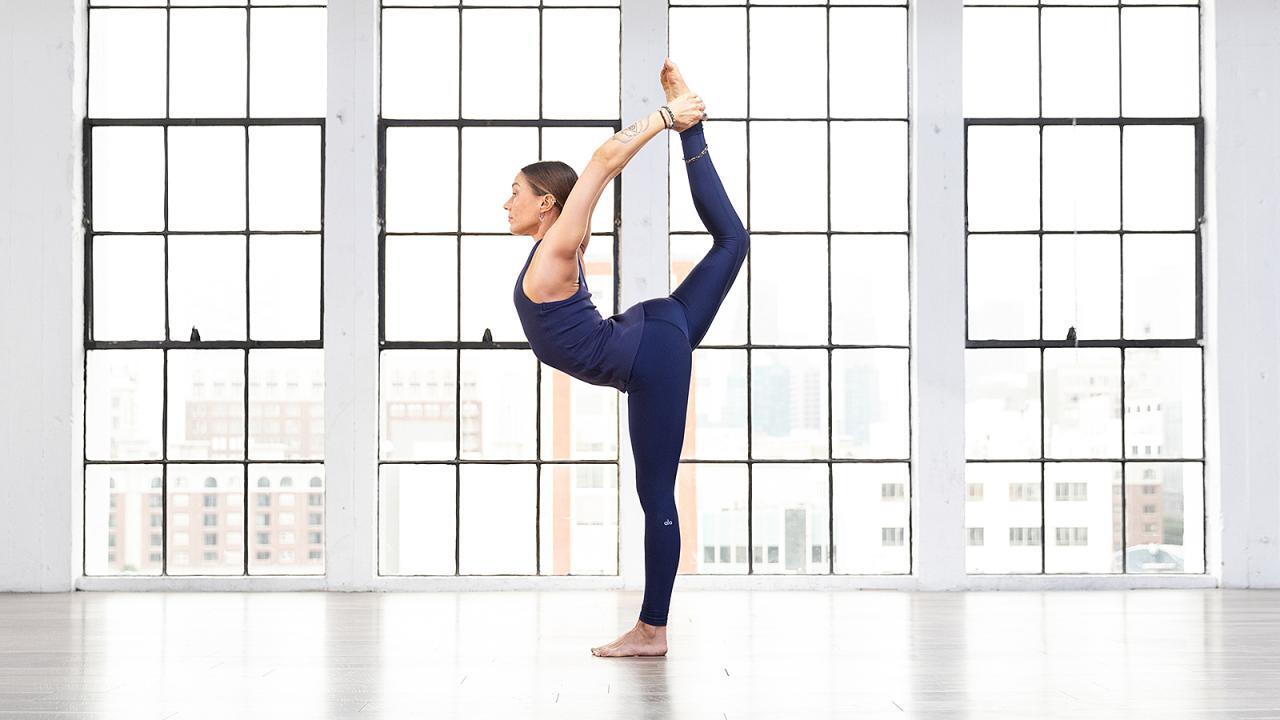
Embarking on a journey to deepen your backbends requires a thoughtful and gradual approach. Rushing into deeper poses can lead to injuries, hindering your progress and potentially causing long-term discomfort. A strategic and mindful progression is crucial for safe and sustainable growth in flexibility and strength. Understanding your body’s limitations and respecting its signals is paramount.Progressive deepening involves incrementally increasing the intensity and range of motion in your backbends, always prioritizing safety and listening to your body.
This approach allows for a smoother transition into more challenging postures, building strength and flexibility gradually. Modification techniques and the use of props play a vital role in tailoring poses to individual needs, ensuring a safe and effective practice.
Step-by-Step Guide for Gradual Deepening
A methodical progression is essential to prevent injury and ensure a positive experience. Begin with foundational poses and gradually introduce variations that progressively increase the bend. This gradual approach builds strength and flexibility, minimizing the risk of strain or injury. Each step should be held for a suitable duration, and you should focus on maintaining proper alignment.
- Start with foundational poses: Begin with poses that allow you to feel the stretch in your back without forcing the movement. Examples include child’s pose, seated forward folds, and spinal twists. These will prepare your body for the more demanding backbends.
- Introduce gentle backbends: Incorporate poses like upward-facing dog (Urdhva Mukha Svanasana) and camel pose (Ustrasana) with modifications, such as using blocks or blankets for support. Focus on maintaining a neutral spine and avoid pushing past your comfort zone.
- Gradually increase the bend: Once comfortable with these poses, gradually increase the depth of the backbend. For example, in camel pose, you could explore bending further backward while maintaining alignment. This gradual increase allows your body to adapt and strengthens the muscles supporting the backbend.
- Incorporate variations: Introduce variations of the backbend poses, such as wheel pose (Urdhva Dhanurasana), which requires greater flexibility and strength. Each variation provides a new challenge while building strength and resilience.
- Listen to your body: Throughout the process, pay close attention to any pain signals. If you experience pain, stop immediately and consult a qualified yoga instructor or healthcare professional.
Importance of Listening to Your Body
Ignoring pain signals can lead to serious injuries. Your body provides valuable feedback about its limits, and it’s essential to respect those signals. Chronic pain can arise from pushing through discomfort, hindering progress and potentially leading to long-term problems.
Methods for Modifying Poses
Modifying poses is crucial for accommodating individual needs and limitations. Adjusting the posture, using props, or modifying the range of motion can make poses accessible to all practitioners. This approach allows individuals to experience the benefits of the pose while prioritizing safety and comfort.
- Adjusting the posture: For example, in a backbend, placing your hands on blocks can help maintain alignment and reduce stress on the lower back.
- Using props: Blocks, straps, and bolsters can support the body in backbends, minimizing strain and allowing for a deeper stretch without forcing the body beyond its limits.
- Modifying the range of motion: If a full backbend is too challenging, you can focus on a partial backbend. This modified approach builds strength and flexibility without putting undue stress on the body.
Comparison of Props and Supports
Various props and supports can enhance the safety and effectiveness of backbends. Understanding their specific applications can help individuals choose the most appropriate support for their needs. This selection process is vital for achieving optimal results while minimizing the risk of injury.
- Blocks: Blocks can provide support for hands or feet, altering the posture and making the pose accessible. They help maintain alignment and distribute weight evenly.
- Straps: Straps can assist in maintaining alignment and providing support during backbends. They help in guiding the body into the pose and prevent forcing movements.
- Bolsters: Bolsters can support the body, especially in deeper backbends, providing cushioning and support for sensitive areas.
Progressive Backbending Poses and Modifications
This table Artikels progressive backbending poses, their levels of difficulty, modifications, and supporting props.
| Pose | Level | Modifications | Props |
|---|---|---|---|
| Child’s Pose | Beginner | None | None |
| Upward-Facing Dog | Intermediate | Hands on blocks | Blocks |
| Camel Pose | Intermediate | Hands on blocks, knees slightly wider | Blocks, blanket |
| Wheel Pose | Advanced | Hands on blocks, knees bent | Blocks, bolster |
Using Props and Supports for Backbends
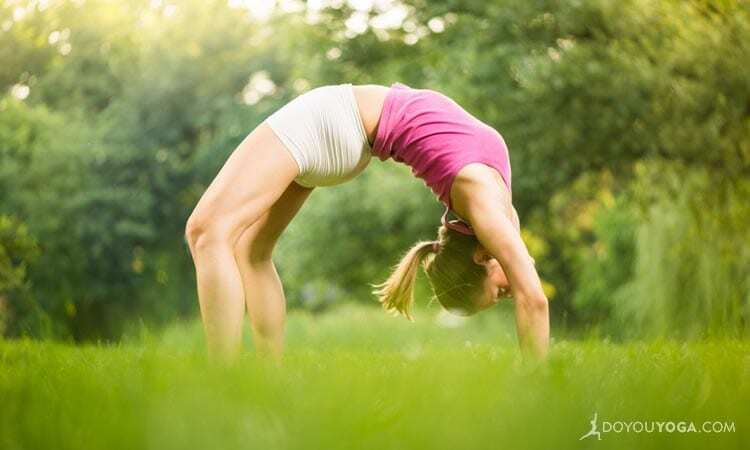
Props, such as blocks, straps, and bolsters, play a crucial role in deepening backbends while prioritizing safety and comfort. Proper utilization of these tools allows practitioners to explore the full range of motion in their backbends without compromising spinal health. By strategically positioning props, individuals can find support and guidance, facilitating the development of strength and flexibility in a controlled environment.Employing props effectively is not merely about achieving a deeper bend; it’s about establishing a supportive framework that allows for a mindful and controlled exploration of the backbend.
This approach ensures that the spine is properly aligned and supported, preventing potential injuries and encouraging a safe and positive experience. This section will Artikel the effective use of blocks, straps, and bolsters, demonstrating how to modify various backbend poses for greater safety and comfort.
Utilizing Blocks for Support
Blocks are versatile tools that provide a foundation for backbends. They can be used to elevate the hips, support the hands, or create a gentle opening in the chest. Using blocks to modify backbends helps maintain proper alignment, encouraging a controlled progression toward deeper poses. Positioning blocks strategically allows practitioners to work on specific areas of the backbend, addressing limitations and improving comfort.
For instance, in a backbend like Urdhva Dhanurasana (Wheel Pose), blocks under the shoulders can elevate the chest and upper back, reducing strain on the neck and shoulders, while allowing a safer exploration of the backbend.
Employing Straps for Guidance and Support
Straps are invaluable tools for guiding the spine and limbs during backbends. They provide a gentle pull and support, allowing practitioners to lengthen the spine and maintain proper alignment. Straps are particularly useful for those experiencing tightness or limitations in their back or shoulders. By using straps, practitioners can experience the full range of motion without forcing the body into a position that may lead to injury.
For example, in a backbend like Pasasana (Boat Pose), straps around the feet can help maintain alignment and length in the spine, encouraging a deeper backbend.
Leveraging Bolsters for Comfort and Support
Bolsters are excellent for providing a soft and supportive surface to rest the body. They are particularly helpful for supporting the lower back and promoting comfort in deeper backbends. By strategically positioning a bolster, practitioners can distribute weight evenly and maintain a sense of ease in the backbend. A bolster can also be used to support the hips or chest, encouraging a controlled and supportive approach to deepening the backbend.
For instance, in a supported backbend like Supta Bitilasana (Supine Cow Pose), a bolster placed under the chest and hips can create a gentle curve in the spine, encouraging flexibility and comfort.
Prop Application in Backbends
| Prop | Pose | Description | Benefits |
|---|---|---|---|
| Blocks | Urdhva Dhanurasana (Wheel Pose) | Place blocks under the shoulders to elevate the chest and upper back. | Reduces strain on the neck and shoulders, promotes safer exploration of the backbend. |
| Straps | Pasasana (Boat Pose) | Use straps around the feet to maintain alignment and lengthen the spine. | Encourages a deeper backbend while maintaining proper spinal alignment. |
| Bolsters | Supta Bitilasana (Supine Cow Pose) | Place a bolster under the chest and hips to create a gentle curve in the spine. | Provides comfort and support for the lower back and promotes flexibility in the spine. |
Breathing Techniques for Deepening Backbends
Controlled breathing is essential for deepening backbends safely and effectively. Proper respiration not only enhances relaxation, but also provides crucial stability and support during the postures. Understanding how to coordinate breath with movement is paramount to achieving greater focus and control, minimizing risk of injury.Effective breathing techniques play a significant role in backbending practice. Deep, conscious breaths facilitate a more relaxed and stable posture.
They help to manage the physical demands of the stretch and create a greater awareness of the body’s response. By coordinating breath with movement, practitioners can improve focus and maintain control, ensuring a safer and more rewarding backbending experience.
Importance of Controlled Breathing
Proper breathing techniques are crucial for safely deepening backbends. Controlled respiration allows for greater relaxation and stability within the posture, reducing the risk of strain or injury. The rhythmic nature of breathing can help regulate the nervous system, promoting a sense of calm and focus during challenging poses.
Breathing to Enhance Relaxation and Stability
Breathing deeply and consciously can significantly enhance relaxation in backbends. Inhale deeply, filling the lungs completely, and exhale slowly, releasing tension. This process helps to calm the nervous system, allowing the body to relax into the stretch. The controlled, rhythmic nature of breathing also provides stability, as the core muscles are engaged and supported by the breath.
A steady breath anchors the body and reduces the risk of collapsing or losing control during the backbend.
Breathing Techniques Suitable for Backbending
Various breathing techniques can be integrated into backbending practice. The selection of the most appropriate technique will depend on the individual’s comfort level and the specific posture being performed. Choosing the right breathing style will help practitioners achieve greater control and focus.
Coordinating Breathing with Movement
The coordination of breath with movement is essential for deepening backbends safely. Inhaling can often be associated with the preparatory phase of the movement, while exhaling can be linked to the deepening or holding phase. Finding a rhythm that works for the individual is key. This synchronization helps to maintain focus and control, enhancing the overall experience.
This practice builds body awareness and assists in maintaining stability.
Breathing Techniques Table
| Technique | Description | Benefits | Practice |
|---|---|---|---|
| Diaphragmatic Breathing | Focuses on the movement of the diaphragm, expanding the belly on inhalation and contracting it on exhalation. | Promotes relaxation, improves core engagement, and enhances stability. | Inhale deeply, feeling the belly expand. Exhale slowly, contracting the belly. Repeat throughout the backbend. |
| Ujjayi Breath (Victorious Breath) | Involves a slight constriction of the throat, creating a gentle, oceanic sound with each breath. | Reduces stress, increases focus, and creates a sense of calm. | Inhale and exhale slowly, feeling the gentle constriction in the throat. Maintain a steady rhythm. |
| Alternate Nostril Breathing (Nadi Shodhana) | Involves alternating the flow of breath between the nostrils. | Calming, balancing, and energizing. | Practice inhaling through one nostril, exhaling through the other. Repeat rhythmically. |
| Circular Breathing | Involves a flowing, continuous breath that follows a circular pattern. | Enhances focus, coordination, and a deeper connection to the body. | Inhale deeply, exhale slowly, moving the breath in a continuous circular pattern. |
Troubleshooting Common Backbending Challenges
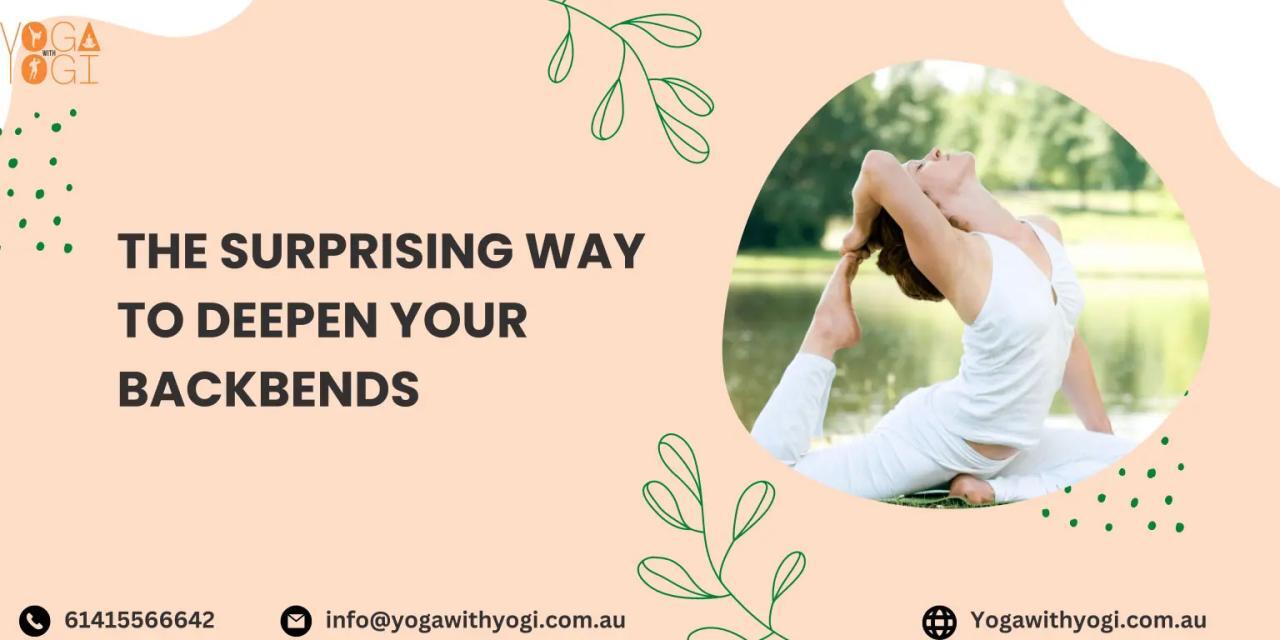
Addressing potential obstacles is crucial for a safe and effective backbending practice. Understanding the reasons behind common challenges and employing appropriate strategies allows practitioners to progress safely and efficiently. This section will detail common hurdles, their underlying causes, and effective solutions to help you navigate your backbending journey.A key aspect of backbending success is recognizing individual limitations and adapting practice accordingly.
Ignoring limitations can lead to injuries and hinder progress. By understanding the reasons behind difficulties and implementing appropriate solutions, you can cultivate a stronger, healthier backbending practice.
Identifying Common Tightness
Many individuals experience tightness in various areas, such as the hips, shoulders, or lower back, which can restrict backbending depth. Understanding the source of this tightness is crucial to developing effective solutions. Addressing these limitations with appropriate stretching and mobility exercises will enhance your overall flexibility and range of motion.
Strategies for Overcoming Hip Tightness
Hip tightness frequently impedes backbending progress. Various stretching and mobility exercises can alleviate this restriction. Yoga poses such as pigeon pose, hip openers, and frog pose can effectively target hip flexors, adductors, and external rotators. Regular practice of these poses can improve flexibility and reduce tightness over time. Furthermore, incorporating dynamic stretches, such as leg swings and hip circles, can enhance mobility and blood flow to the hips.
Strategies for Overcoming Shoulder Tightness
Shoulder tightness is another common constraint in backbending. Addressing this often involves a combination of stretching and strengthening exercises. Open-chain movements, such as shoulder rotations and arm circles, can increase shoulder mobility. Specific yoga poses, such as thread the needle pose and child’s pose, can effectively target the surrounding muscles and promote relaxation. Incorporating scapular mobility exercises, such as wall slides and scapular retractions, can strengthen supporting muscles and improve posture.
Importance of Professional Guidance
While many strategies can be implemented independently, consulting with a qualified yoga instructor or physical therapist can provide personalized guidance and ensure safe practice. They can assess individual limitations and tailor exercises to specific needs, preventing potential injuries and maximizing progress. Seeking professional input, especially for those with pre-existing conditions, is essential for a safe and effective backbending practice.
Recognizing Individual Limitations
Acknowledging individual limitations is paramount in backbending. Progress varies greatly among individuals based on factors like age, physical condition, and flexibility. Instead of striving for immediate deep backbends, focus on gradual improvement and consistency. Progressive deepening techniques, incorporating appropriate supports, and consistent practice are key to achieving optimal results without compromising safety.
Table of Common Backbending Challenges and Solutions
| Challenge | Cause | Solution | Precautions |
|---|---|---|---|
| Hip Tightness | Shortened hip flexors, adductors, and external rotators | Regular hip opening stretches (e.g., pigeon pose, frog pose), dynamic stretches (leg swings), foam rolling | Avoid forceful stretching, listen to body signals, and consult a professional if pain persists. |
| Shoulder Tightness | Tightened rotator cuff muscles, pecs, and upper back muscles | Shoulder stretches (e.g., thread the needle pose), scapular mobility exercises, strengthening exercises | Focus on controlled movements, avoid overstretching, and seek professional guidance for specific conditions. |
| Lower Back Pain | Insufficient core strength, poor posture, or pre-existing conditions | Strengthening core muscles, proper spinal alignment, and mindful backbending practices | Listen to body cues, avoid forceful movements, and seek professional advice for persistent pain. |
| Limited Flexibility | Lack of consistent stretching and mobility work | Regular stretching routine, yoga poses, foam rolling, and mobility exercises | Gradually increase intensity and duration, avoid pushing through pain. |
Maintaining Safety During Practice
Cultivating a safe and supportive environment is paramount to achieving progress in backbending while minimizing the risk of injury. A well-structured practice, guided by awareness and precaution, fosters a positive and rewarding experience. This section emphasizes the critical role of a supportive environment, the importance of guidance, and the significance of respecting individual limits.
Establishing a Safe and Supportive Practice Environment
A safe practice space is more than just a location; it’s a mindset. Clear and unobstructed space is essential, preventing potential falls or collisions. A non-slip surface, such as a yoga mat or a carpeted area, is crucial for stability and to minimize the risk of slips or falls.
Importance of Spotting and Experienced Guidance
Having a spotter or experienced yoga teacher present to monitor your progress is invaluable. They can provide crucial feedback on alignment, preventing potential injuries. Their expertise helps identify areas of weakness or misalignment that might be missed during self-practice, ensuring a safer path toward deepening backbends. Spotters also help with proper sequencing and support during transitions, significantly reducing risk.
Importance of Supportive Surfaces
Using supportive surfaces, such as blocks, blankets, or bolsters, is critical for controlled backbending. These props help maintain proper alignment, gradually increase the depth of the pose, and distribute weight evenly. Properly positioned supports act as a safety net, preventing injury by distributing the weight effectively and safely.
Recognizing and Respecting Personal Limits
Understanding and respecting individual limitations is paramount. Progress should be gradual and measured. Pushing beyond personal limits can lead to strain or injury. Listen to your body’s signals, and modify poses to ensure comfort and safety. If you feel any pain, stop immediately.
Avoid forcing or rushing into deeper poses.
Examples of a Safe Practice Space Setup
A safe practice space setup involves a few key considerations. For example, a yoga mat or a carpeted area should be laid out on a flat surface, ideally away from any obstacles. Blocks, blankets, or bolsters should be strategically placed to provide support during backbends. Ensure adequate space around the practitioner to allow for free movement and prevent collisions.
A spotter should be positioned strategically to observe the practitioner’s posture and provide support as needed.
End of Discussion
In conclusion, How to Deepen Your Backbends Safely provides a roadmap for a safe and fulfilling backbending journey. By prioritizing safety, proper alignment, and progressive deepening, you can unlock your full backbending potential while minimizing the risk of injury. Remember to listen to your body, use props strategically, and practice mindful breathing. This guide empowers you to deepen your practice with confidence and care.