A vigorous yoga session can leave you feeling invigorated and refreshed, but proper cool-down is crucial for maximizing the benefits and preventing post-session discomfort. This comprehensive guide explores the essential steps for a safe and effective cool-down, encompassing everything from targeted stretches and mindful breathing to optimal timing and environmental considerations. Understanding the importance of this often-overlooked phase is key to achieving optimal physical and mental recovery after your yoga practice.
This guide details the physiological benefits of cooling down, from reducing muscle soreness to improving circulation. It also explores various techniques such as stretches, breathing exercises, and restorative practices, offering specific examples and guidelines. Furthermore, the importance of environmental factors like temperature and music is discussed to enhance the overall cool-down experience.
Importance of Cooling Down
Proper cool-down is a crucial, often overlooked, component of any yoga practice, especially after a vigorous session. It’s not simply about relaxing; it’s a period of controlled transition that allows the body to return to homeostasis, preventing injury and maximizing the benefits of the practice. A well-structured cool-down facilitates recovery, reduces muscle soreness, and enhances overall well-being.The cool-down phase is essential for gradually slowing down the body’s physiological responses to exercise.
This controlled deceleration allows the cardiovascular system to adjust to a resting state, preventing sudden drops in blood pressure and potential dizziness. It also facilitates the restoration of normal muscle function and reduces the risk of delayed-onset muscle soreness (DOMS).
Physiological Benefits of Cooling Down
Cooling down after a yoga session allows the body to gradually transition from a heightened state of activity to a resting state. This controlled transition aids in reducing heart rate and blood pressure, preventing a sudden drop that can lead to lightheadedness. Muscles, having been worked, experience a reduction in tension and begin to recover. The cool-down also facilitates the removal of metabolic waste products from the muscles, thereby lessening the likelihood of post-exercise soreness.
How the Body Recovers During Cool-Down
During the cool-down, the body’s physiological systems return to a state of equilibrium. Blood flow, which was directed to the muscles during exercise, begins to redistribute throughout the body. The respiratory rate returns to normal, and the heart rate slows gradually. This gradual transition minimizes stress on the cardiovascular system and reduces the risk of post-exercise complications.
The body’s temperature also lowers, aiding in the relaxation of muscles and the release of tension.
Negative Consequences of Improper Cooling Down
Failing to cool down properly after a vigorous yoga session can lead to several negative consequences. Sudden cessation of activity can cause a rapid drop in blood pressure, resulting in dizziness or lightheadedness. Muscle soreness, stiffness, and even minor injuries are more likely to occur if muscles are not given time to gradually relax and recover. The lack of cool-down also potentially hinders the body’s ability to eliminate metabolic waste, contributing to prolonged muscle soreness.
Comparison of Cooling Down with and without Stretching
The inclusion of stretching during the cool-down period significantly enhances recovery. Stretching actively promotes the lengthening and relaxation of muscles, thereby mitigating the risk of stiffness and soreness. It also improves flexibility and range of motion, which are essential for injury prevention and overall physical well-being. Without stretching, the muscles might remain tense, hindering the body’s ability to fully recover.
Common Mistakes During Cool-Down
- Skipping the cool-down altogether. This is a common mistake, as many individuals rush to other activities or simply don’t realize the importance of this crucial phase.
- Performing static stretches too vigorously or too early in the cool-down process. Gentle, sustained stretches are preferred to avoid straining muscles and potentially causing injuries.
- Not holding stretches long enough. Static stretches need to be held for an adequate duration (typically 20-30 seconds) to allow for proper muscle relaxation and flexibility improvements.
- Not paying attention to the body’s signals. If a muscle feels particularly tight or sore, it is essential to address it gently, rather than pushing through the discomfort.
Infographic on Importance of Cooling Down
(Please note: I cannot create an infographic. However, a well-designed infographic would visually represent the key points discussed above. It might include a diagram illustrating the physiological changes during cool-down, a timeline of the cool-down process, and a comparison of cool-down with and without stretching. Visual aids like icons and colors could enhance understanding.)
Post-Yoga Stretches
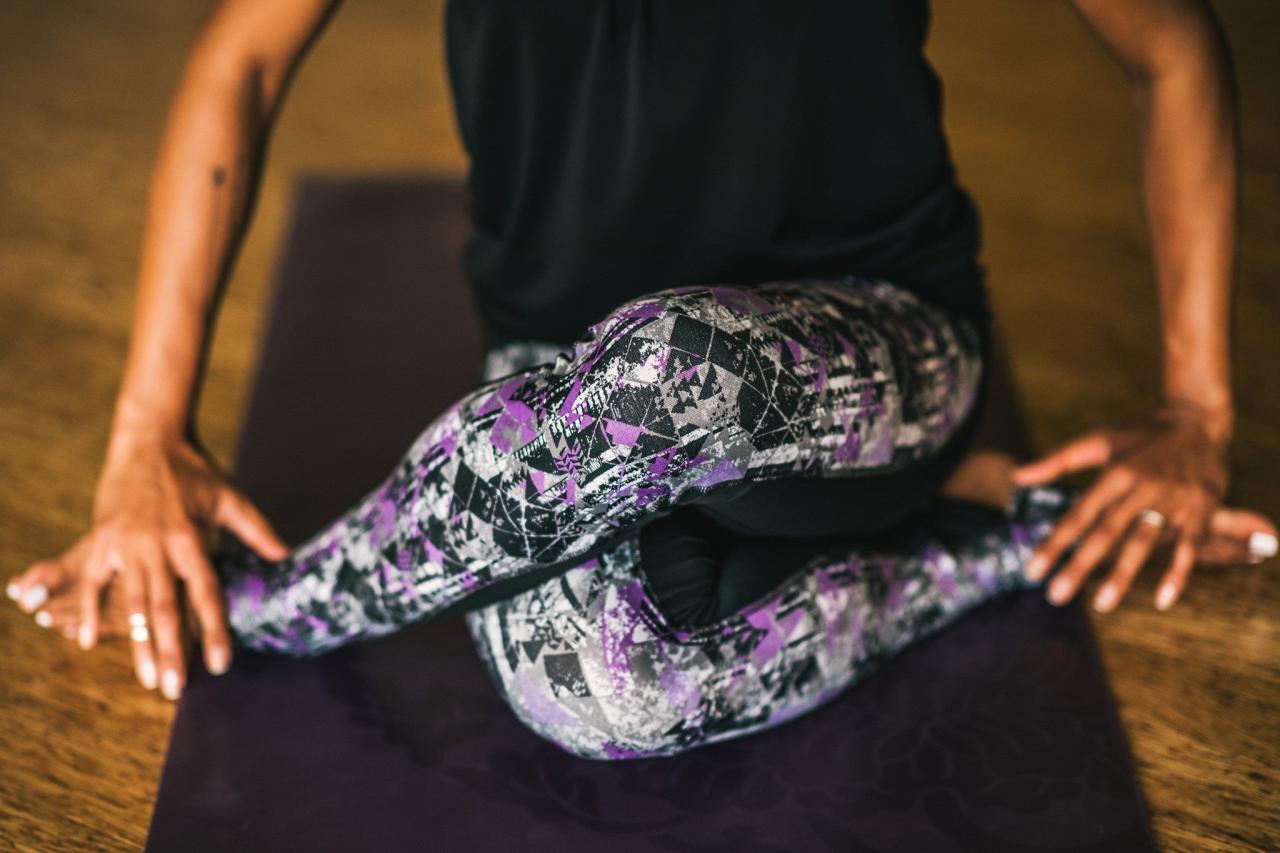
Following a vigorous yoga session, incorporating targeted stretches is crucial for muscle recovery and flexibility. These stretches help alleviate stiffness, reduce soreness, and enhance the overall benefits of your practice. Proper cool-down stretches also improve circulation and promote a sense of calm after the physical exertion of yoga.A well-structured cool-down routine, including specific stretches, contributes to a more complete yoga experience.
This approach supports long-term flexibility and injury prevention.
Various Post-Yoga Stretches
A comprehensive cool-down routine should encompass a range of stretches to target different muscle groups. These stretches, when performed correctly, effectively reduce muscle tension and promote flexibility.
- Quadriceps Stretch: Stand with one leg slightly forward, grab the foot with your hand, and gently pull your heel towards your buttock. Keep your back straight and your core engaged. This stretch targets the quadriceps muscles in the front of your thigh. Proper alignment involves maintaining a straight back and avoiding leaning forward or backward.
- Hamstring Stretch: Sit on the floor with one leg extended straight out in front of you. Reach forward, grasping your foot or lower leg, keeping your back straight. The stretch targets the hamstring muscles along the back of your thigh. Ensure you keep your knee straight and avoid rounding your back. This posture promotes a deep stretch in the hamstring region.
- Calf Stretch: Place your hands against a wall or chair for support, one leg extended back with your heel on the ground and the other leg forward. Keeping your back straight, lean forward to feel the stretch in your calf muscle. This targets the calf muscles in the lower leg. To maintain proper alignment, ensure your front knee is directly above your ankle and your back heel remains grounded.
- Triceps Stretch: Extend one arm overhead, bending your elbow and bringing your hand behind your head. Use your opposite hand to gently push down on your bent elbow, increasing the stretch in your triceps. This stretch targets the triceps muscles in the back of your upper arm. Maintaining a straight back is essential to maximize the stretch while avoiding strain on the shoulder.
- Chest Stretch: Extend your arms out to your sides at shoulder height, and gently push your hands against a wall or doorframe. This stretch targets the chest muscles. Proper alignment involves maintaining a straight back and ensuring that your elbows are in line with your shoulders.
Comparing Stretching Styles
Different stretching styles offer varying degrees of effectiveness in promoting flexibility and recovery.
| Stretching Style | Effectiveness | Description |
|---|---|---|
| Static Stretching | Moderate | Holding a stretch for a set period (typically 30 seconds or more). |
| Dynamic Stretching | High | Moving through a range of motion, gradually increasing the stretch. |
| Proprioceptive Neuromuscular Facilitation (PNF) | High | Incorporates contractions and relaxation to enhance stretch effectiveness. |
Yoga Poses and Cool-Down Stretches
This table provides suggested cool-down stretches for common yoga poses, promoting recovery and preventing muscle soreness.
| Yoga Pose | Suggested Cool-Down Stretches |
|---|---|
| Downward-Facing Dog | Hamstring, calf, and shoulder stretches. |
| Warrior II | Quadriceps, hamstring, and hip stretches. |
| Triangle Pose | Hamstring, side body, and hip stretches. |
| Child’s Pose | Back, hip, and groin stretches. |
Breathing Techniques for Cooling Down
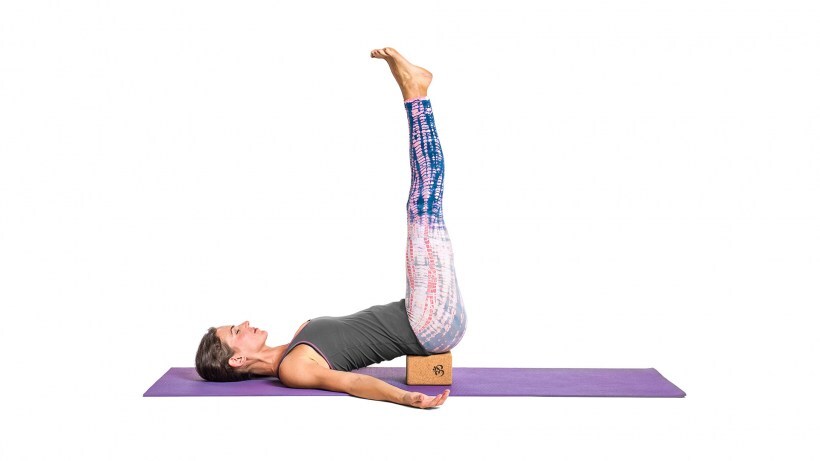
Proper breathing techniques are integral to a complete yoga cool-down. They facilitate a smooth transition from the heightened physical activity of a yoga session to a state of calm and relaxation. By focusing on the breath, practitioners can reduce heart rate, lower blood pressure, and promote a sense of mental clarity. Incorporating specific breathing exercises into the cool-down routine helps to restore the body’s natural equilibrium after a challenging practice.
Different Breathing Techniques
Various breathing techniques, each with unique physiological effects, can be incorporated into a yoga cool-down. These techniques encourage relaxation, reduce stress, and promote a sense of well-being.
Diaphragmatic Breathing
Diaphragmatic breathing, often referred to as belly breathing, is a fundamental technique for relaxation. It involves the conscious engagement of the diaphragm, the primary muscle of respiration. This method helps to calm the nervous system and reduce anxiety. Diaphragmatic breathing can be easily incorporated into a cool-down routine.
- Sit comfortably with your spine straight. Place one hand on your chest and the other on your abdomen.
- Inhale deeply through your nose, allowing your abdomen to rise as your diaphragm expands. Notice the hand on your abdomen moving outward, while the hand on your chest remains relatively still.
- Exhale slowly through your mouth, feeling your abdomen fall as your diaphragm relaxes. Notice the hand on your abdomen moving inward.
- Repeat this process for several minutes, focusing on the smooth, rhythmic flow of your breath.
Ujjayi Breath
Ujjayi breath, also known as the victorious breath, is a technique that creates a gentle constriction in the back of the throat. This constriction produces a soft, whispering sound during both inhalation and exhalation. This method helps to regulate the nervous system and reduce anxiety.
- Sit comfortably with your spine straight.
- Gently constrict the back of your throat, as if you were trying to whisper. This creates a soft, audible sound with each breath.
- Inhale and exhale through your nose, maintaining the subtle constriction.
- Continue for several minutes, focusing on the smooth, rhythmic nature of your breath.
Alternate Nostril Breathing (Nadi Shodhana)
Alternate nostril breathing, or Nadi Shodhana, is a powerful technique for balancing the mind and body. This practice involves inhaling through one nostril and exhaling through the other, in an alternating pattern. It’s known to calm the mind and reduce stress.
- Sit comfortably with your spine straight.
- Use your right hand to gently close your right nostril with your ring and pinky fingers.
- Inhale deeply through your left nostril.
- Close your left nostril with your thumb and exhale through your right nostril.
- Inhale through your right nostril, close it, and exhale through your left nostril.
- Repeat this process for several minutes, maintaining a smooth and controlled rhythm.
Benefits of Deep Breathing in Cool-Down
Deep breathing techniques are beneficial in a yoga cool-down routine because they actively promote relaxation and recovery. They help to lower heart rate, blood pressure, and respiration rate. They also assist in reducing muscle tension and promoting a sense of calm. Incorporating deep breathing into a cool-down sequence can be a crucial element in reducing stress and improving overall well-being.
Comparison of Breathing Techniques
While all three techniques are effective in promoting relaxation, the physiological effects and the specific sensations experienced may differ. Diaphragmatic breathing is excellent for beginners due to its simplicity and focus on core engagement. Ujjayi breath is beneficial for its calming effect and ability to regulate the nervous system. Nadi Shodhana is known for its balancing effect on the mind and body.
The effectiveness of each technique can be assessed individually based on personal experience and the type of yoga practiced.
Best Breathing Exercises for Different Yoga Styles
The best breathing exercises for specific yoga styles depend on the focus and intensity of the practice. For restorative yoga, diaphragmatic breathing or Ujjayi breath may be ideal. For vinyasa flow, Ujjayi breath or alternate nostril breathing might be better suited to maintain focus and energy. The practitioner can choose the techniques that best align with the physical and mental demands of the particular yoga style.
Restorative Practices for Post-Yoga Recovery
Following a vigorous yoga session, restorative practices are crucial for maximizing the benefits of your practice and promoting complete recovery. These techniques go beyond simple stretching, encompassing mindful activities that aid in reducing stress, promoting relaxation, and supporting the body’s natural healing processes. This section will explore various restorative methods, including meditation and gentle movements, and demonstrate their role in the overall recovery process.Restorative practices act as a bridge between the active physicality of the yoga session and the return to daily life.
They encourage a shift from the heightened state of focus and exertion to a state of calm and rejuvenation. By incorporating these practices, you cultivate a deeper connection with your body, enhancing your overall well-being and preparing yourself for optimal performance and recovery.
Meditation Techniques for Post-Yoga Relaxation
Mindfulness meditation, a central component of restorative practices, plays a pivotal role in the recovery process after a yoga session. Integrating mindfulness during the cool-down phase enhances the positive effects of the session. It allows the body and mind to gradually transition from a heightened state to a state of tranquility.
- Mindful Breathing: This simple technique involves focusing on the sensation of each breath as it enters and leaves the body. By directing your attention to the rhythm of your breath, you anchor yourself in the present moment, allowing any lingering stress or tension to dissipate. This fosters a sense of calm and reduces the racing thoughts that can hinder relaxation.
- Body Scan Meditation: In this technique, you systematically bring awareness to different parts of your body, noticing any sensations without judgment. This practice encourages a deep connection with the physical body, identifying and releasing any lingering tension or discomfort. It cultivates a sense of awareness and acceptance, promoting physical and mental relaxation.
- Guided Meditation: A guided meditation provides a structured approach to meditation, providing clear instructions and suggestions for focusing your attention. These sessions often incorporate calming imagery and soothing sounds to enhance relaxation. Guided meditations can be especially beneficial for beginners, offering support and guidance to cultivate a deeper state of peace and stillness.
Examples of Simple Meditation Techniques
These techniques can be easily integrated into your post-yoga cool-down routine:
- Mindful Breathing: Find a comfortable seated position. Close your eyes gently. Bring your attention to the sensation of your breath entering and leaving your nostrils. Notice the rise and fall of your chest or abdomen. If your mind wanders, gently redirect your attention back to your breath.
- Body Scan: Lie down comfortably. Bring your attention to your toes, noticing any sensations without judgment. Gradually move your awareness up your body, through your feet, ankles, calves, knees, thighs, hips, abdomen, chest, back, arms, hands, neck, and head. Notice any tension and release it.
Guided Meditation Script for Post-Yoga Relaxation
This guided meditation is designed for post-yoga relaxation.
“Find a comfortable position, either sitting or lying down. Close your eyes gently. Take a few deep breaths, inhaling deeply and exhaling slowly. Let go of any tension in your body. Bring your awareness to the feeling of the floor or chair beneath you. Allow your body to relax into this support. Now, bring your attention to your breath. Notice the gentle rise and fall of your chest or abdomen. With each inhale, imagine peace and tranquility flowing into your body. With each exhale, release any stress or tension. Feel the weight of your body sinking into the support. Visualize a warm, comforting light enveloping you. Allow yourself to be fully present in this moment. Continue to breathe deeply, and allow yourself to be completely at ease. When you are ready, gently wiggle your fingers and toes. Take a few more breaths before slowly opening your eyes.”
Rest and Recovery
Adequate rest plays a crucial role in the recovery process following a vigorous yoga session. The body needs time to repair and rebuild tissues, replenish energy stores, and integrate the physical and mental benefits of the practice. Ignoring this need for rest can lead to fatigue, decreased performance, and potential injuries. Planning adequate rest time in your schedule is essential for optimal recovery.
Cool-Down Duration and Timing
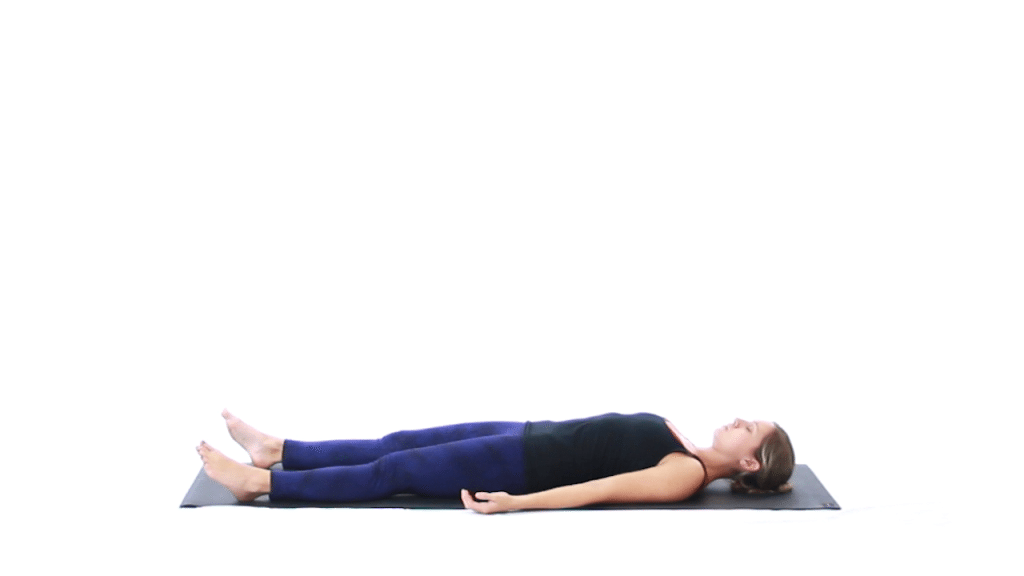
A proper cool-down is crucial for optimizing recovery after a yoga session. It allows the body to gradually transition from the heightened state of activity to a resting state, reducing muscle soreness and promoting overall well-being. Effective cool-down practices involve a combination of gentle stretching, controlled breathing, and restorative poses. This section delves into the optimal duration and timing of cool-downs, considering factors such as yoga style, intensity, and individual body type.
Optimal Cool-Down Duration
A comprehensive cool-down should ideally last between 10 and 20 minutes. This timeframe allows for the gradual return of heart rate and breathing to pre-exercise levels, and for the muscles to release tension accumulated during the practice. A shorter cool-down may not allow for adequate recovery, while an excessively long one might lead to feelings of fatigue. Finding the right duration depends on individual needs and the intensity of the session.
Importance of Timing the Cool-Down
Timing the cool-down immediately after the yoga session is essential. This allows for the most efficient transition between active and resting states, minimizing the risk of muscle stiffness and delayed-onset muscle soreness (DOMS). The cool-down should be performed directly after the final poses, rather than waiting to perform stretches at a later time. This ensures the muscles are still warm and receptive to the stretching process.
Cool-Down Duration and Muscle Soreness
Studies show a correlation between cool-down duration and the incidence of muscle soreness. A thorough cool-down promotes blood flow to the muscles, aiding in the removal of metabolic waste products. This, in turn, reduces the likelihood of post-workout soreness. Individuals who consistently incorporate a cool-down into their yoga routine tend to experience less muscle stiffness and faster recovery times.
Cool-Down Time and Yoga Intensity
The intensity of the yoga practice significantly impacts the recommended cool-down time. A gentle hatha yoga flow might require a 10-minute cool-down, whereas a more vigorous vinyasa or power yoga session might necessitate a 15-20 minute cool-down. Consider the overall duration of the session and the number of challenging postures incorporated when determining the appropriate cool-down duration.
Cool-Down Timing Based on Yoga Styles
Different yoga styles necessitate varying cool-down durations. For restorative yoga, which focuses on stillness and relaxation, a 10-15 minute cool-down might be sufficient. For dynamic styles like Ashtanga or Vinyasa, a 15-20 minute cool-down is often recommended to facilitate proper recovery and prevent muscle soreness.
Cool-Down Time and Body Type
While general guidelines exist, individual factors like age, fitness level, and body type may influence cool-down duration. For instance, a person with a higher fitness level might be able to tolerate a slightly shorter cool-down than someone with a lower fitness level. Age and previous injuries can also play a role, requiring a more cautious and individualized approach.
Consult with a healthcare professional or certified yoga instructor to tailor a cool-down routine to individual needs.
Environmental Factors for a Successful Cool-Down
A successful cool-down after a vigorous yoga session hinges not just on physical stretches and breathing techniques, but also on the environment. Creating a supportive atmosphere can significantly enhance the relaxation process, allowing the body and mind to transition smoothly from exertion to tranquility. This environment fosters deeper relaxation, promoting better recovery and reducing feelings of stress.A conducive environment complements the physical and mental aspects of the cool-down, ensuring a complete and restorative experience.
A calming atmosphere reduces stress hormones, allowing the body to release tension and promote better circulation. This optimal environment is essential for the body to fully benefit from the yoga session.
Importance of a Comfortable Environment
A calming environment is critical for facilitating relaxation after a yoga session. The environment plays a significant role in the body’s physiological response to the cool-down process. A supportive environment allows the body to release tension and promote a sense of peace and well-being.
Examples of Calming Environments for Cooling Down
Creating a tranquil space for cooling down can involve various elements. A quiet room with soft lighting and natural elements like plants or a calming view can be conducive to relaxation. A dedicated yoga space with comfortable seating and soft textures, such as plush rugs, can create a welcoming and relaxing atmosphere. A private outdoor area with natural sounds, such as flowing water or birdsong, can also provide a soothing backdrop.
Role of Temperature and Lighting in Post-Yoga Relaxation
Temperature and lighting significantly influence the cool-down process. A slightly cooler room temperature can promote relaxation and reduce feelings of discomfort after a workout. Dim lighting or natural light filtered through sheer curtains can contribute to a more serene and calming environment. Avoid harsh fluorescent lighting, which can be stimulating and counterproductive to relaxation.
Impact of Music and Aromatherapy on the Cool-Down Process
Music and aromatherapy can enhance the cool-down experience by creating a more immersive and sensory experience. Soft, calming music, such as classical or ambient music, can gently soothe the mind and reduce stress levels. Aromatherapy with calming scents, such as lavender or chamomile, can promote relaxation and improve mood. Consider using essential oil diffusers or candles to create a tranquil atmosphere.
Optimal Environmental Factors for a Cool-Down
| Factor | Description | Optimal Level ||—————–|—————————————————————————————————————————————————————————————————————–|————————————————————————————————————————————————————————–|| Temperature | Room temperature slightly cooler than the usual environment.
| 68-72°F (20-22°C) || Lighting | Soft, diffused lighting, avoiding harsh fluorescent lights.
| Dim or natural light filtered through sheer curtains.
|| Music | Soft, calming music such as classical, ambient, or nature sounds.
| Low volume, unobtrusive background music.
|| Aromatherapy | Use of calming scents such as lavender, chamomile, or sandalwood through essential oil diffusers or candles.
| Subtle scents, not overpowering.
|| Noise Level | Minimal noise, avoiding distractions or loud sounds.
| Quiet, peaceful environment, free from disruptive sounds.
|| Comfort | Comfortable seating and textures, such as plush rugs, in the cool-down space.
| Supportive seating and soft textures to promote comfort and relaxation.
|
Impact of Noise Levels on the Cool-Down Experience
Noise levels significantly affect the cool-down experience. A quiet and peaceful environment allows for better relaxation and reduces stress. Distracting noises can impede the body’s ability to release tension and recover from the yoga session. Consider minimizing external noises, such as traffic or other distractions, during the cool-down period. A quiet space with minimal noise allows for a more focused and restorative experience.
Addressing Specific Needs
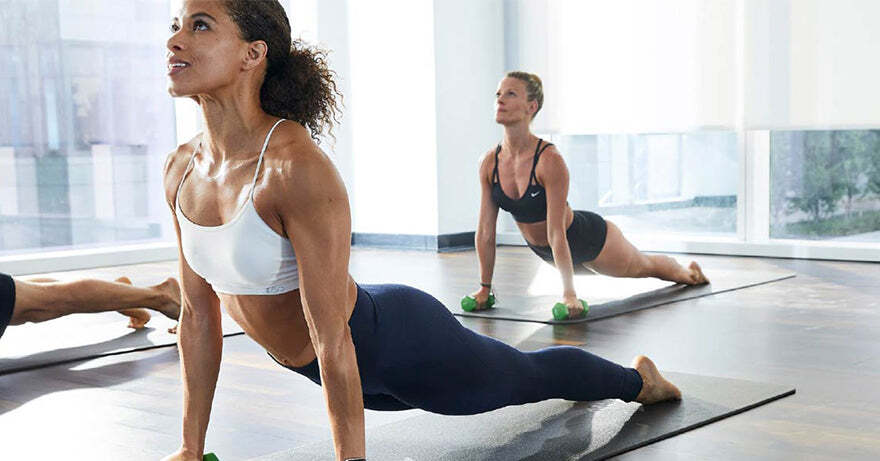
A proper cool-down after yoga is crucial for everyone, but individuals with specific physical conditions or injuries may require tailored approaches. This section Artikels modifications and considerations for various needs, emphasizing the importance of listening to your body and consulting with healthcare professionals when necessary.Understanding your body’s unique responses and limitations is key to a safe and effective cool-down.
Modifications and precautions will help you prevent exacerbating existing conditions and promote healing. This personalized approach ensures a more comfortable and beneficial post-yoga experience.
Stretches for Common Post-Yoga Aches and Pains
Post-yoga soreness is common, especially after challenging sequences. Targeted stretches can alleviate discomfort and promote recovery. Focusing on the specific areas experiencing pain is vital. These stretches should be held for 20-30 seconds, and you should only stretch to the point of feeling a gentle stretch, not pain.
- Neck stiffness: Gently rotate your head in small circles, clockwise and counter-clockwise, maintaining a comfortable range of motion. You can also use your hands to gently massage your neck muscles.
- Shoulder tightness: Perform shoulder rolls forward and backward. You can also gently stretch your shoulder by reaching one arm across your body and using your opposite hand to gently pull it towards your chest.
- Back pain: Gentle spinal twists, child’s pose, or cat-cow stretches can help alleviate back pain. Always maintain a neutral spine and avoid any movements that cause sharp pain.
- Hamstring tightness: Perform seated hamstring stretches by extending one leg straight in front of you and reaching for your toes, maintaining a straight back. If you have tight hamstrings, you might find it beneficial to use a strap or towel to assist you with the stretch.
Modifications for Injuries or Limitations
Individuals with injuries or physical limitations require personalized modifications. The goal is to avoid exacerbating existing conditions while still promoting flexibility and recovery. Consult with a healthcare professional or physical therapist for personalized guidance.
- Knee injuries: Avoid deep knee bends or stretches that put excessive pressure on the affected knee. Consider using props like blankets or blocks to support the knee during stretches. Modifications to poses that involve deep knee bends are essential for maintaining knee health.
- Back injuries: Modify backbends and twists to avoid exacerbating pain. Focus on gentle spinal movements and avoid forceful stretches. It’s crucial to prioritize comfort and avoid any movements that provoke pain.
- Pregnancy: Modify poses to accommodate the changing center of gravity and avoid any stretches that could put pressure on the abdomen or back. Always consult with a prenatal yoga instructor or healthcare provider. Prenatal yoga classes are crucial for pregnant women as they provide modifications and exercises that are tailored to their specific needs.
Poses for Individuals with Specific Physical Conditions
Certain poses may be beneficial for specific physical conditions, but they should be approached with caution and under the guidance of a qualified professional. A qualified professional should provide advice.
- Asthma: Focus on controlled breathing exercises and gentle stretches. Avoid poses that restrict breathing or cause discomfort. Proper breathing techniques are crucial for managing asthma symptoms.
- Arthritis: Choose gentle stretches that maintain a comfortable range of motion. Avoid any movements that cause pain or stiffness. Gentle stretches and exercises are essential for maintaining flexibility and mobility.
Stretches for Various Common Aches and Pains
The table below provides examples of stretches for various common post-yoga aches and pains. Remember to listen to your body and modify stretches as needed.
| Ache/Pain | Suggested Stretch |
|---|---|
| Neck stiffness | Gentle head rotations |
| Shoulder tightness | Shoulder rolls, arm across chest stretch |
| Back pain | Spinal twists, child’s pose, cat-cow |
| Hamstring tightness | Seated hamstring stretch |
Precautions for Specific Physical Conditions
Always prioritize safety and listen to your body. Consult with a healthcare professional or physical therapist before incorporating new stretches or modifying existing ones. Consult with a healthcare provider for any concerns.
- High blood pressure: Avoid sudden movements and maintain a slow and controlled pace. Maintain a consistent rhythm and avoid any sudden movements.
- Heart conditions: Consult with a doctor before performing any vigorous stretches. Listen to your body and stop if you feel any discomfort. Medical advice is vital for individuals with heart conditions.
Importance of Listening to Your Body
During the cool-down, it’s essential to pay close attention to your body’s signals. Discomfort or pain should be addressed immediately. The cool-down is a time for recovery and restoration, not pushing through discomfort. Listening to your body is crucial.
Outcome Summary
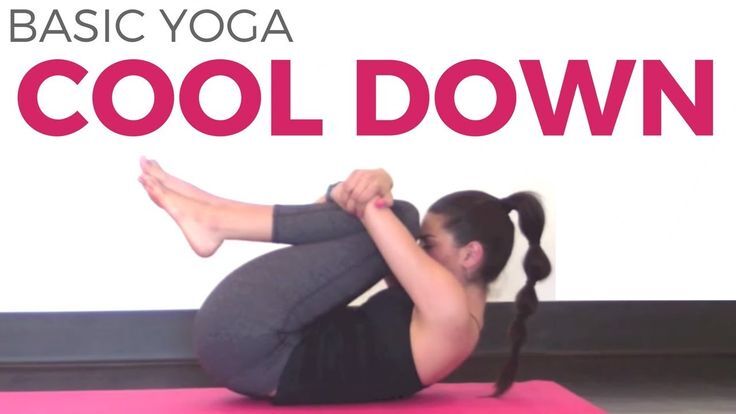
In conclusion, a proper cool-down after a yoga session is not merely a formality, but a vital component of a complete practice. By understanding the importance of stretches, breathing techniques, restorative practices, timing, and environmental considerations, you can significantly enhance your post-yoga recovery. This guide provides a practical roadmap for incorporating a mindful cool-down into your routine, leading to improved flexibility, reduced muscle soreness, and a deeper sense of well-being.
Remember, a well-structured cool-down is key to unlocking the full potential of your yoga practice.