Finding the ideal yoga mat is crucial for a comfortable and effective practice. This comprehensive guide explores the key factors to consider, from material choices and size considerations to grip, cushioning, portability, and budget. Whether you’re a seasoned yogi or a beginner, understanding these aspects will significantly enhance your yoga experience.
The journey to selecting the perfect yoga mat involves understanding your individual needs and preferences. Different materials offer various benefits, such as grip, cushioning, and sustainability. Size and thickness are also vital for comfort and support, depending on your body type and the specific yoga styles you practice. We’ll delve into these details, providing practical guidance and valuable insights to empower you in your choice.
Introduction to Yoga Mats
Yoga mats are an essential piece of equipment for any yoga practitioner. They provide a stable and comfortable surface for various poses, reducing the risk of slipping and injury. A good quality mat also helps maintain proper alignment and enhances the overall yoga experience. Choosing the right mat is crucial for a safe and effective practice.Yoga mats come in a variety of materials, each with its own set of advantages and disadvantages.
Understanding these differences is key to selecting the ideal mat for your needs and preferences. The most common materials include rubber, PVC, and TPE. Factors like thickness, size, and grip are also important considerations.
Types of Yoga Mats
Yoga mats are available in various materials, each with distinct characteristics. Understanding these differences is vital to selecting the right mat for your needs. Common materials include:
- Rubber mats are a traditional choice, known for their durability and excellent grip. They typically provide a firm surface, which can be beneficial for certain styles of yoga. Rubber mats are generally inexpensive and readily available.
- PVC (polyvinyl chloride) mats are another popular option. They often come with a textured surface for good grip. PVC mats are known for their affordability and wide variety of colors and designs. However, they can sometimes be less durable compared to rubber.
- TPE (thermoplastic elastomer) mats are a newer material gaining popularity. They offer a good balance of grip, comfort, and environmental friendliness. TPE mats are often more sustainable and softer than rubber or PVC mats. They are also more likely to have a greater variety of colors and designs.
Factors to Consider When Choosing a Yoga Mat
Several factors influence the selection of a yoga mat. Consider these key elements to ensure you choose the right mat for your needs:
- Material: The material significantly impacts the mat’s grip, comfort, and durability. Rubber mats provide excellent grip, while TPE mats prioritize comfort and sustainability. PVC mats are often a good balance between cost and performance.
- Thickness: Thickness affects comfort and cushioning. Thicker mats offer more cushioning, which can be beneficial for individuals with joint issues or those seeking a more comfortable practice. Thinner mats are more portable and easier to transport.
- Size: The size of the mat should accommodate your body size and the space you have available. A standard size is typically adequate for most practitioners.
- Grip: Grip is essential for preventing slips during practice. Different materials offer varying levels of grip. The texture of the mat’s surface plays a critical role.
- Budget: Yoga mats vary significantly in price. Setting a budget helps narrow down your choices and ensures you don’t overspend.
Comparison of Yoga Mat Materials
The following table summarizes the pros and cons of different yoga mat materials:
| Material | Pros | Cons |
|---|---|---|
| Rubber | Excellent grip, durable, generally affordable | Can be less comfortable than other materials, potentially less environmentally friendly |
| PVC | Affordable, variety of colors and designs, good grip | Potentially less durable than rubber, can contain certain chemicals |
| TPE | Good balance of grip and comfort, often more sustainable, softer | May not have the same level of durability as rubber, potentially more expensive than PVC |
Material Considerations
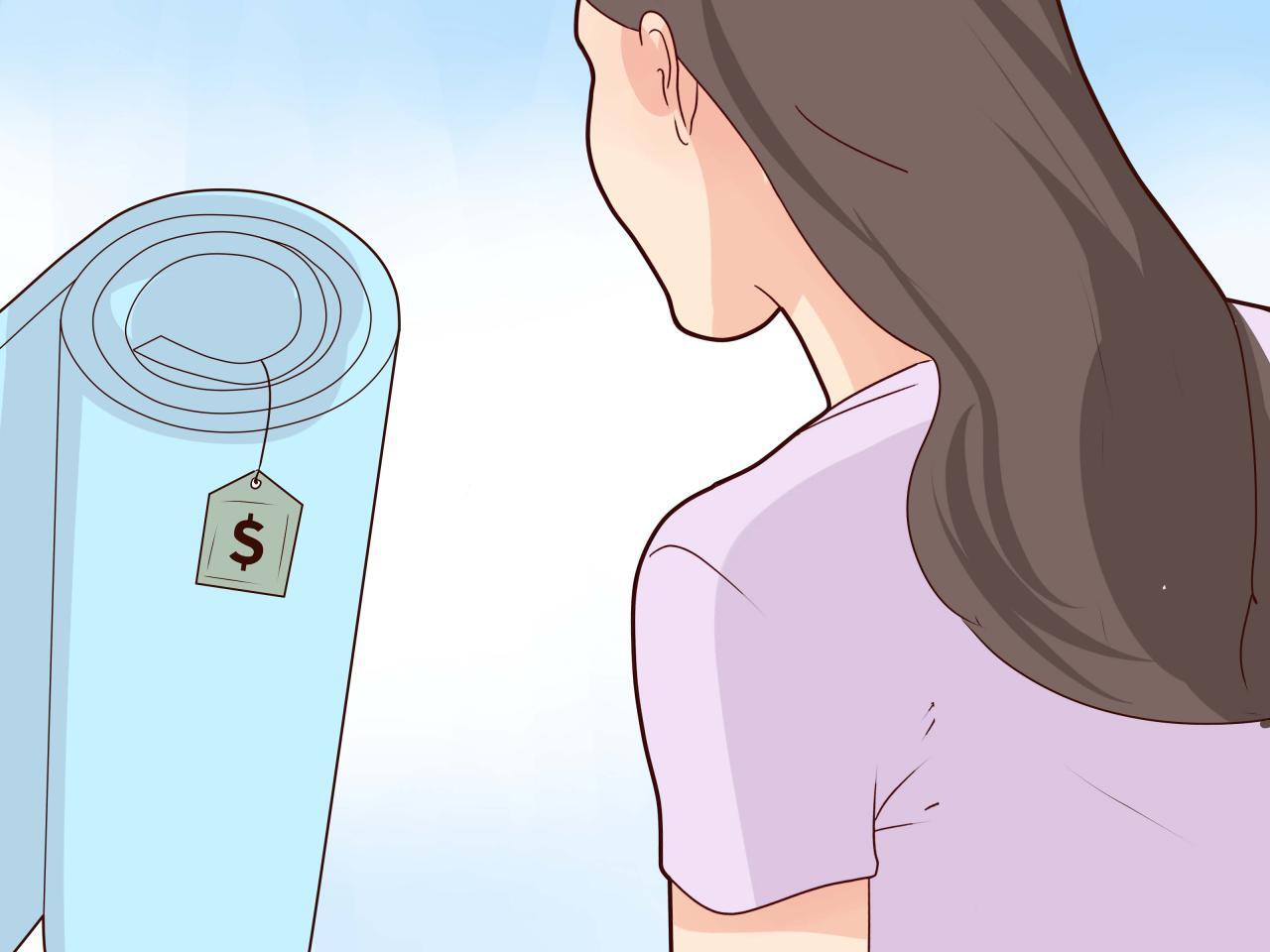
Selecting the right yoga mat material is crucial for a comfortable and effective practice. Different materials offer varying degrees of cushioning, grip, and durability, influencing the overall experience. Understanding these differences allows practitioners to choose a mat that best suits their needs and preferences.Choosing a yoga mat material involves more than just comfort; it also encompasses environmental impact.
The sourcing and manufacturing of materials play a vital role in the mat’s overall sustainability. Consumers are increasingly aware of the ecological footprint of their products, making environmentally friendly materials a significant factor in purchase decisions.
Rubber Yoga Mats
Rubber mats are a classic choice, known for their excellent durability and grip. Their dense structure provides good cushioning, though it may not be as plush as other materials. The high density also makes rubber mats a good option for heavier individuals.
- Durability: Rubber mats are highly resistant to wear and tear, often lasting for several years with proper care. This makes them a cost-effective option in the long run.
- Grip: The textured surface of rubber mats provides exceptional grip, preventing slippage during practice. This is particularly beneficial for more vigorous poses or those requiring stability.
- Cushioning: While durable, rubber mats offer a good balance of support and cushioning, mitigating the impact on joints during practice.
- Environmental Impact: Natural rubber, sourced from trees, can have a significant environmental impact if not harvested sustainably. Synthetic rubber often involves the use of petroleum-based products, contributing to a larger carbon footprint.
PVC Yoga Mats
PVC (polyvinyl chloride) mats are another popular option, often offering a good balance of affordability and performance. Their smooth surface can provide a different feel compared to rubber mats.
- Durability: PVC mats generally demonstrate moderate durability, capable of withstanding regular use but may show wear more quickly than some rubber alternatives.
- Grip: The smooth surface of PVC mats offers less grip than rubber, which may require extra attention to stability, especially for more advanced practitioners.
- Cushioning: PVC mats provide a good level of cushioning, but the feel may be less supportive compared to denser rubber mats.
- Environmental Impact: PVC production relies heavily on petroleum-based chemicals and often results in substantial environmental waste during the manufacturing process. The material is not biodegradable, contributing to long-term pollution issues.
TPE (Thermoplastic Elastomer) Yoga Mats
TPE mats are a popular eco-friendly choice. They combine excellent grip with a soft, cushioned feel. TPE mats are often made with recycled materials, and the production process typically uses fewer harmful chemicals compared to PVC.
- Durability: TPE mats exhibit good durability and can withstand regular use without losing their shape or functionality over time.
- Grip: The surface texture of TPE mats provides good grip, promoting stability and preventing slipping during practice.
- Cushioning: TPE mats typically offer a moderate level of cushioning, providing a balance between support and comfort.
- Environmental Impact: TPE mats are often produced with a reduced environmental footprint, using recycled materials and minimizing harmful chemical emissions. This makes them a sustainable alternative to traditional PVC or rubber mats.
Jute Yoga Mats
Jute mats are a natural fiber option, offering a unique and often earthy feel. They are a more sustainable choice, as jute is a renewable resource.
- Durability: Jute mats are generally less durable than rubber or PVC mats and may show wear more quickly. Proper care and handling are crucial for their longevity.
- Grip: The woven texture of jute mats provides a moderate level of grip, which may not be ideal for advanced practitioners seeking maximum stability.
- Cushioning: Jute mats offer a unique and natural level of cushioning, which can vary based on the thickness and weave of the mat.
- Environmental Impact: Jute is a naturally renewable resource, making it a sustainable choice. The production process is generally less environmentally intensive compared to synthetic alternatives.
Size and Thickness
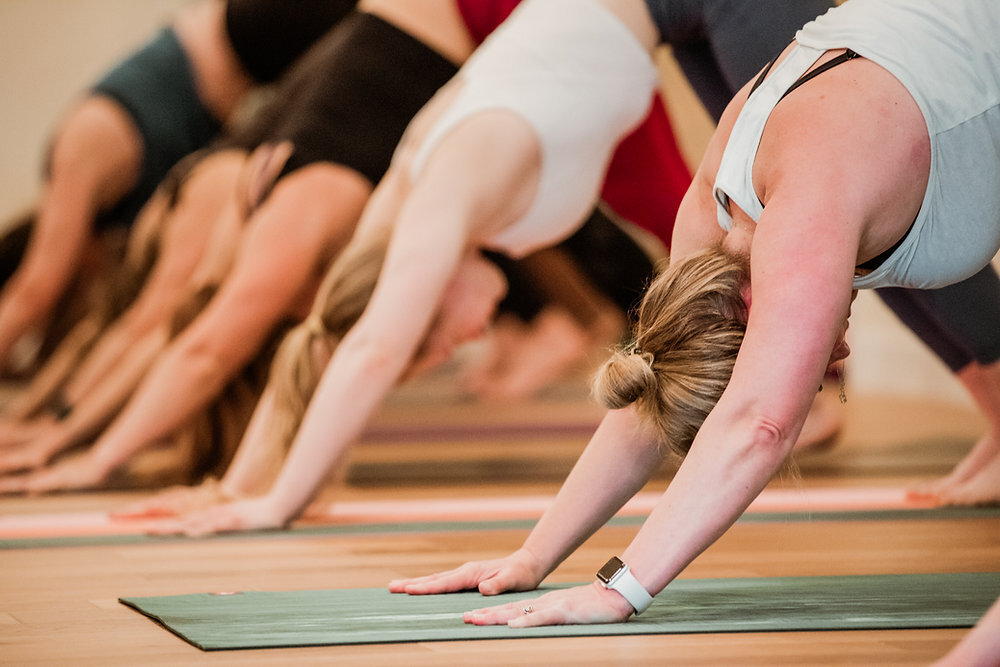
Choosing the right yoga mat size and thickness is crucial for a comfortable and supportive practice. A well-chosen mat can significantly enhance your experience, minimizing discomfort and maximizing the effectiveness of your poses. The ideal mat will accommodate your body type and chosen style of yoga, promoting a safe and enjoyable session.Proper sizing and thickness are paramount in yoga practice, directly impacting comfort and the effectiveness of different poses.
A mat that is too small or thin can lead to discomfort and instability, while one that is excessively large or thick may impede movement and proper alignment. Understanding the relationship between mat dimensions and various yoga styles is key to optimizing your practice.
Impact on Comfort and Support
The size and thickness of a yoga mat directly influence the comfort and support you experience during your practice. A thicker mat provides greater cushioning, which can be particularly beneficial for individuals with sensitive joints or those practicing on hard surfaces. A larger mat allows for more space, enabling a wider stance in poses like Warrior II or Triangle, while a smaller mat may be more appropriate for certain styles or personal preferences.
The thickness and size of the mat influence your posture, balance, and overall comfort during the practice.
Impact on Different Yoga Styles
Different yoga styles necessitate different mat characteristics. Hatha yoga, known for its emphasis on foundational poses, may not require the same level of cushioning as a more dynamic style like Vinyasa. A thicker mat might hinder the fluidity of Vinyasa flows, while a thinner mat may not offer sufficient cushioning for the static postures in Hatha. Ashtanga and Bikram styles, known for their vigorous movements and intense heat, may benefit from a mat that balances cushioning with a secure grip.
In general, the mat selection should be tailored to the specific intensity and characteristics of the chosen style.
Recommendations for Different Body Types and Practice Levels
The ideal mat size and thickness are highly individualized. For individuals with larger body types, a larger and thicker mat may be more comfortable, offering sufficient support and preventing pressure points. Those with smaller frames may find a slightly thinner and smaller mat more suitable, allowing for a greater range of motion and better responsiveness. Beginners often benefit from a thicker mat to ease transition into poses and provide extra support, while experienced practitioners may favor a thinner mat for enhanced mobility and responsiveness.
Ultimately, experimentation and personal preference are key to finding the perfect fit.
Mat Size and Suitability Table
| Size | Thickness | Suitability |
|---|---|---|
| 60cm x 180cm | 4-6mm | Suitable for most yoga styles, particularly beginners and individuals with larger body types. Offers good support and space for wider stances. |
| 60cm x 120cm | 3-4mm | Suitable for individuals seeking a more responsive mat, or those practicing styles like Vinyasa or Ashtanga, where quick movements are crucial. Good for smaller spaces or those who prefer less bulk. |
| 75cm x 180cm | 5-7mm | Ideal for larger individuals or those who prefer extra cushioning and space. Well-suited for a wider range of yoga styles, offering both support and mobility. |
Grip and Cushioning
Choosing a yoga mat involves more than just aesthetics; the grip and cushioning are crucial for a safe and effective practice. A good mat provides the necessary stability and comfort to prevent slips and injuries, enabling deeper stretches and more challenging poses. Understanding the interplay between grip and cushioning is essential for selecting the right mat for your specific needs and yoga style.Different grip technologies and cushioning levels cater to various yoga styles, from gentle restorative practices to vigorous vinyasa flows.
A mat with excellent grip and adequate cushioning can significantly enhance your yoga experience.
Importance of Grip for Balance and Safety
Maintaining balance and preventing slips during yoga poses is paramount for injury prevention. A mat with sufficient grip allows for secure footing, enabling practitioners to execute poses with greater stability and confidence. This translates to a safer and more effective practice, minimizing the risk of falls and injuries. Adequate grip is particularly important during transitions between poses and more dynamic movements.
Types of Grip Technologies and Their Effectiveness
Various grip technologies are employed in yoga mats to enhance stability. Natural rubber, often found in eco-friendly options, provides a textured surface for enhanced traction. Other materials, such as PVC with added textures, are designed to mimic the feel of natural rubber, often at a lower cost. The effectiveness of these technologies varies depending on the material and the individual’s foot placement.
For example, a highly textured mat might provide excellent grip for individuals with sweaty palms, but less grip for individuals with dry skin. The degree of texture on a mat directly correlates with the grip it provides.
Benefits of Cushioning on Joints and Posture
Cushioning is essential for protecting joints and promoting proper posture during yoga. A cushioned mat absorbs some of the impact from the floor, reducing stress on joints like knees, hips, and wrists. This impact absorption is particularly beneficial for individuals practicing more challenging poses or those with existing joint issues. Proper cushioning also helps maintain a more neutral spinal alignment during practice, which can enhance posture and prevent back pain.
The level of cushioning directly impacts the level of comfort during a practice.
How Cushioning Levels Relate to Different Yoga Styles
The ideal cushioning level varies significantly depending on the type of yoga practice. Gentle restorative yoga might benefit from a moderately cushioned mat to provide comfort during prolonged holds, while more dynamic styles like vinyasa or power yoga might require a mat with less cushioning to facilitate movement and transitions. The specific needs of each style should be considered when selecting a mat.
Comparison of Grip and Cushioning of Various Yoga Mat Brands
Different brands employ varying grip and cushioning technologies. For example, one brand might prioritize natural rubber for superior grip, while another brand might focus on a higher density foam core for superior cushioning. Comparing mats across brands is essential to finding the right balance between grip and cushioning. Detailed reviews and user feedback can provide insights into the comparative performance of different mats.
Mat reviews often compare the cushioning and grip of different mats.
| Brand | Grip | Cushioning | Suitable for |
|---|---|---|---|
| Brand A | Excellent | Moderate | Vinyasa, Power Yoga |
| Brand B | Good | High | Restorative, Yin Yoga |
| Brand C | Average | Low | Hatha, Gentle Yoga |
Portability and Maintenance
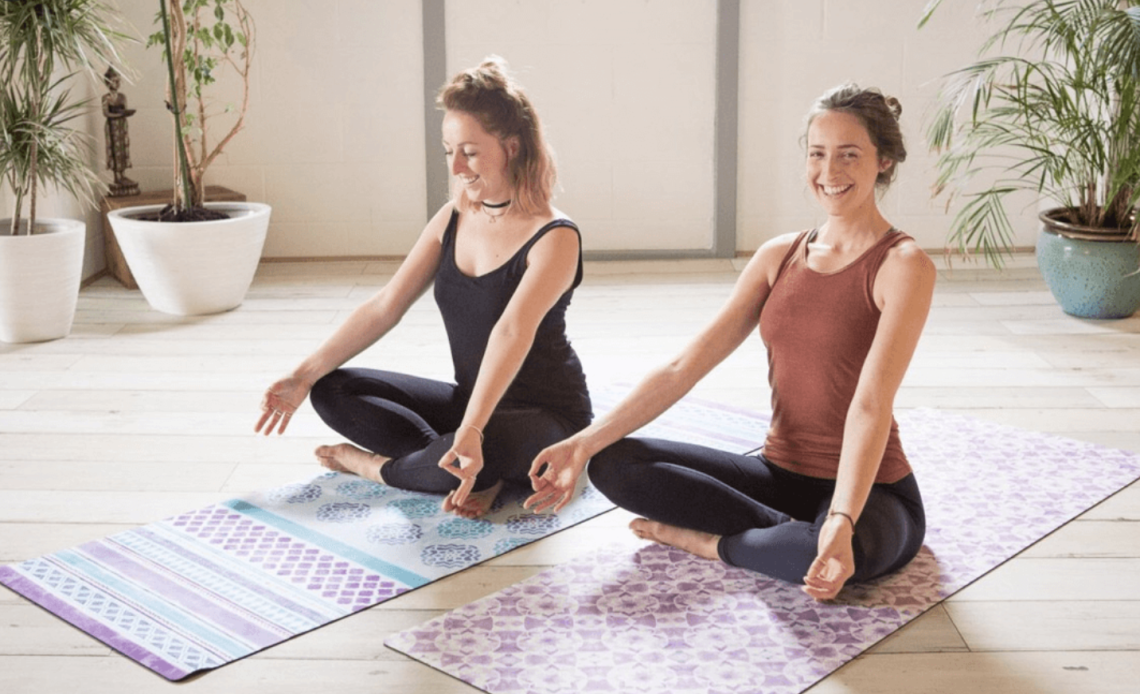
Choosing the right yoga mat involves more than just material and size; portability and ease of maintenance are crucial for consistent practice, both at home and on the go. A well-chosen mat that is easy to transport and maintain will encourage regular sessions, contributing to a positive and sustainable yoga journey.
Importance of Portability
Portability is paramount for both home and travel yoga practice. A lightweight and compact mat facilitates quick setup and breakdown, especially in smaller spaces or when traveling. This ease of transport encourages more frequent practice sessions, as the hassle of setting up or carrying a cumbersome mat can deter individuals from practicing regularly.
Methods of Carrying Yoga Mats
Different yoga mats offer various portability options. Some mats come with carrying straps or are designed to roll up compactly. Others may be smaller and more lightweight in general, allowing for easy carrying. Straps, especially on larger mats, facilitate carrying while reducing the strain on your hands and arms. Rolled mats are more compact, enabling easy storage in bags or compartments, while some mats have handles for easier transport.
Cleaning and Maintaining Yoga Mats
Proper cleaning and maintenance are essential for extending the lifespan of a yoga mat and maintaining hygiene. Regular cleaning prevents the buildup of dirt, sweat, and bacteria. Different materials require specific cleaning methods. A general guideline involves wiping down the mat after each use with a damp cloth and mild soap. For mats with more intricate designs or specific material compositions, refer to the manufacturer’s instructions for optimal care.
Tips for Extending Mat Lifespan
Maintaining a yoga mat’s quality and durability hinges on several factors. Store the mat in a cool, dry place, away from direct sunlight. Avoid placing it on rough surfaces that could cause damage or abrasion. Regular cleaning and gentle handling will contribute to the mat’s longevity. Protecting the mat from moisture and extreme temperatures also contributes to its lifespan.
Using a yoga mat bag or cover when not in use provides additional protection.
Storage and Transportation Guide
Proper storage and transport procedures are crucial for maintaining a yoga mat’s integrity and preventing damage. Rolling the mat tightly and storing it in a dedicated bag or case prevents creases and keeps it protected from the elements. Using a mat bag or cover is highly recommended for protection during transport. When storing, ensure the mat is kept in a clean, dry, and well-ventilated area.
Avoid storing it in damp or excessively hot environments.
Budget Considerations
Choosing a yoga mat often involves balancing quality with affordability. Understanding the price spectrum and the factors influencing it can help you make an informed decision that aligns with your budget and practice needs. This section will explore the different price points, their associated qualities, and how to find a good value for your investment.
Price Ranges and Quality
Yoga mats span a wide range of prices, reflecting variations in materials, construction, and features. Budget-friendly mats often utilize PVC or other synthetic materials, while higher-end mats might incorporate natural rubber, cork, or sustainable alternatives. The quality of the materials and manufacturing processes directly impacts the longevity and performance of the mat. Generally, a higher price often correlates with superior quality and durability.
However, it’s important to note that some well-made, mid-range mats can offer excellent value.
Factors Influencing Yoga Mat Prices
Several factors contribute to the price of a yoga mat. Material costs play a significant role, with natural materials like cork or rubber typically commanding a higher price than synthetic alternatives. Manufacturing processes and labor costs also influence the final price. Advanced features, such as enhanced grip, cushioning, or unique designs, can also add to the overall cost.
Additionally, brand recognition and marketing efforts can contribute to the price point.
Finding Good Value in Yoga Mats
It’s essential to assess the value proposition when selecting a yoga mat. Look for mats that strike a balance between quality and price. Consider the frequency of your practice and your specific needs. A high-end mat might be unnecessary for infrequent practitioners, while a budget-friendly mat may not offer the desired support for intensive routines. Reading reviews and comparing features from various brands and price points can help you make a well-informed choice.
Affordable Yoga Mats
Here are some examples of affordable yoga mats that offer good value:
- Manduka EKO Lite: This mat provides a good balance of grip and cushioning at a reasonable price. It’s a popular choice for its supportive feel and durability. However, the EKO Lite does not offer the same level of eco-friendliness as some higher-end alternatives.
- Gaiam Yoga Mat: Known for its affordable price point, this mat offers a basic level of grip and cushioning, making it a suitable option for beginners or occasional practitioners.
- Liforme Yoga Mat: This mat provides a good balance between budget and quality, featuring a durable design and a good level of grip.
High-End Yoga Mats
High-end yoga mats often incorporate premium materials and advanced features. These mats typically prioritize exceptional grip, cushioning, and durability. However, these enhancements come with a higher price tag.
- Liforme Pro Yoga Mat: This is a high-end mat with an excellent grip, outstanding cushioning, and exceptional durability. The Liforme Pro is known for its excellent construction and longevity. However, the high price point might be a deterrent for some practitioners.
- Manduka Prolite: The Manduka Prolite stands out for its superior grip and cushioning, providing an exceptional experience. However, this exceptional performance comes at a premium price, making it less accessible for some users.
Pros and Cons of High-End Mats
| Feature | Pros | Cons |
|---|---|---|
| Price | Offers exceptional quality and features. | Higher price point might be prohibitive for some. |
| Material | Often crafted from premium, eco-friendly materials. | Materials may be more expensive, potentially influencing the price. |
| Durability | Built to last through extensive use. | The initial investment may be higher compared to budget options. |
| Features | Advanced features enhance practice experience. | Advanced features are often priced accordingly. |
Choosing a Yoga Mat for Specific Practices
Selecting the right yoga mat is crucial for a comfortable and effective practice. Different yoga styles place varying demands on the mat, impacting both the practitioner’s experience and the longevity of the mat itself. Understanding these nuances allows you to make informed decisions and enhance your overall yoga journey.
Yoga Styles and Mat Characteristics
Different yoga styles necessitate different mat characteristics. Consider the intensity and demands of your chosen practice when selecting a mat. For example, a mat designed for hot yoga will have different properties compared to one suited for restorative yoga. Understanding these distinctions will ensure you choose a mat that best supports your needs.
- Hot Yoga: Hot yoga sessions often involve extended periods of sweating and high-intensity movements. A mat with excellent moisture-wicking properties is essential to prevent slipping and maintain a secure grip. High-quality, durable materials are also important for withstanding the repeated use and moisture. A mat designed for hot yoga should provide excellent sweat absorption and have a non-slip surface for safety and stability.
- Power Yoga: Power yoga emphasizes strength, flexibility, and dynamic movements. A mat with exceptional grip and durability is essential to provide stability and prevent slipping during challenging poses. A thick, supportive mat is also beneficial to cushion the joints and absorb impact from the dynamic movements.
- Restorative Yoga: Restorative yoga focuses on relaxation and deep stretches. A mat with a moderate thickness and cushioning is often sufficient to provide comfort and support. The emphasis is on comfort and support during longer, more passive poses. A mat with good grip, while not as crucial as for power yoga, is still desirable to avoid shifting during extended stretches.
- Yin Yoga: Yin yoga emphasizes holding poses for extended periods. A mat with good cushioning and support is vital for maintaining comfort during long holds. A mat that is comfortable and supportive is crucial to allow for extended holds.
Choosing a Mat for Experience Levels
Beginner yogis may prioritize comfort and ease of use over advanced features. Experienced practitioners, on the other hand, may require a mat that provides superior grip, durability, and support. The choice should be tailored to the individual’s experience level and desired practice intensity.
- Beginners: Beginners might find a slightly thicker mat with moderate cushioning and good grip to be ideal. The added cushioning will provide comfort during transitions and poses, while the grip will ensure stability. Consider the size of the mat to ensure adequate space for movements.
- Intermediate: Intermediate practitioners may benefit from a mat with enhanced grip and durability. The mat should provide sufficient support during more advanced poses, and the grip should prevent slipping during challenging sequences. A mat that balances comfort and durability is ideal.
- Advanced: Advanced practitioners often require mats with exceptional grip and durability to handle the demands of complex poses and challenging sequences. The mat should also offer excellent stability to maintain balance during dynamic movements.
Choosing a Mat for Body Type and Needs
Individual body types and needs also play a significant role in mat selection. Consider factors such as joint health, weight, and specific postural needs when selecting a mat.
- Joint Health: Individuals with joint pain may benefit from a thicker mat with more cushioning to provide additional support and reduce pressure on sensitive areas. The cushioning will help alleviate discomfort and enhance the overall practice.
- Weight: A heavier person might find a more substantial mat with greater cushioning and stability to be more supportive during poses. A thicker mat will offer a more stable surface for larger individuals.
- Postural Needs: Those with specific postural needs might require a mat with a particular thickness or cushioning for support in certain poses. The mat’s characteristics should align with any specific postural considerations.
Suitable Mats for Different Yoga Styles
| Yoga Style | Ideal Mat Features |
|---|---|
| Hot Yoga | Excellent moisture-wicking, non-slip surface, durable material |
| Power Yoga | Exceptional grip, durability, supportive thickness |
| Restorative Yoga | Moderate thickness, cushioning, good grip |
| Yin Yoga | Good cushioning, support, suitable for extended holds |
User Reviews and Expert Opinions
Seeking diverse perspectives is crucial when selecting a yoga mat. Understanding how other practitioners and experts perceive a mat’s performance can significantly influence your decision. User reviews offer firsthand accounts, while expert opinions provide valuable insights based on extensive experience and knowledge.Evaluating various perspectives allows for a more holistic understanding of a product’s strengths and weaknesses, leading to a more informed choice.
This helps you determine if a mat aligns with your specific needs and preferences.
Importance of User Reviews
User reviews provide valuable, firsthand accounts of a yoga mat’s performance in real-world scenarios. These reviews offer insights into aspects like grip, cushioning, durability, and overall comfort, helping potential buyers make informed choices. Reading numerous reviews, from various users, provides a comprehensive picture of the mat’s strengths and weaknesses.
Evaluating User Reviews Objectively
Objective evaluation of user reviews requires careful consideration. Look for patterns in feedback, noting recurring themes about grip, cushioning, or durability. Consider the context of the review; for example, a user with a specific practice style might have different expectations and experiences compared to another. It’s essential to differentiate between subjective opinions and factual descriptions of the mat’s characteristics.
Reputable Yoga Mat Review Sites
Several online platforms provide comprehensive yoga mat reviews. Yoga-specific websites and forums often feature in-depth analyses from experienced practitioners. Recognized review websites, dedicated to fitness and wellness products, are another source of valuable information.
Importance of Expert Opinions
Expert opinions, from yoga instructors and physical therapists, can offer invaluable insights into the suitability of a yoga mat. These professionals understand the biomechanics of movement and the potential benefits or drawbacks of different materials and designs. Expert advice can help identify features crucial for specific practice styles or physical needs.
Trusted Yoga Instructors and Their Recommendations
Consulting reputable yoga instructors and physical therapists can offer valuable perspectives. These professionals have a deep understanding of various yoga styles and their corresponding needs.
- Yoga instructors specializing in specific styles (e.g., Ashtanga, Iyengar, or Vinyasa) often recommend mats suited for the specific postures and movements within those styles. They can advise on mats that promote proper alignment and support.
- Physical therapists, especially those specializing in musculoskeletal conditions, may offer recommendations for mats that support specific physical needs, like cushioning for joint pain or providing better stability.
- Yoga studios or gyms often have recommended mats that reflect their overall philosophy and practice style. Their recommendations are based on the collective experience and feedback from their instructors and members.
Concluding Remarks
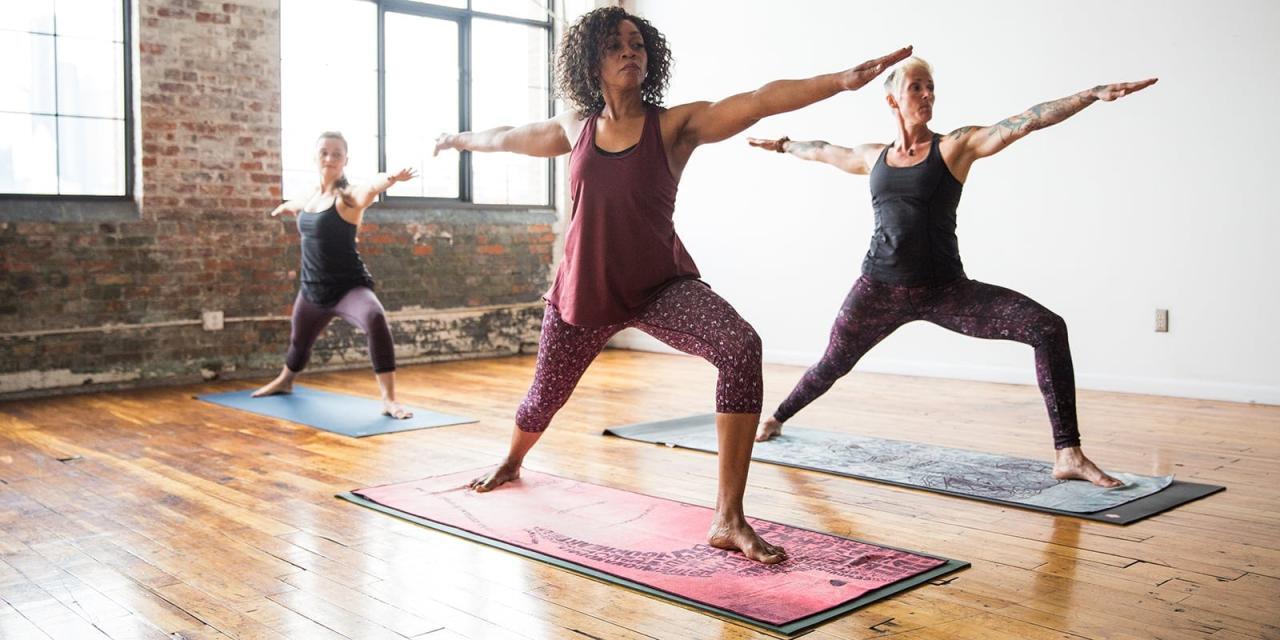
In conclusion, selecting the right yoga mat is a personalized process that involves careful consideration of several key elements. By understanding the nuances of different materials, sizes, and thicknesses, you can find a mat that supports your practice and enhances your comfort. Remember to consider your specific needs, budget, and preferred yoga styles when making your final decision.
This guide provides a solid foundation for making an informed choice that will lead to a more fulfilling yoga experience.