Embark on a journey of mindful movement and well-being with our comprehensive guide to chair yoga. This practice offers a supportive and accessible way to experience the benefits of yoga, regardless of physical limitations. Whether you’re seeking stress relief, improved flexibility, or enhanced mental clarity, chair yoga provides a gentle yet effective path to a healthier lifestyle.
Discover how to integrate this adaptable practice into your routine, exploring essential poses, breathing techniques, and modifications to cater to your individual needs. This guide will equip you with the knowledge and tools to create a supportive environment for your chair yoga practice, ensuring a safe and enjoyable experience every time.
Introduction to Gentle Chair Yoga
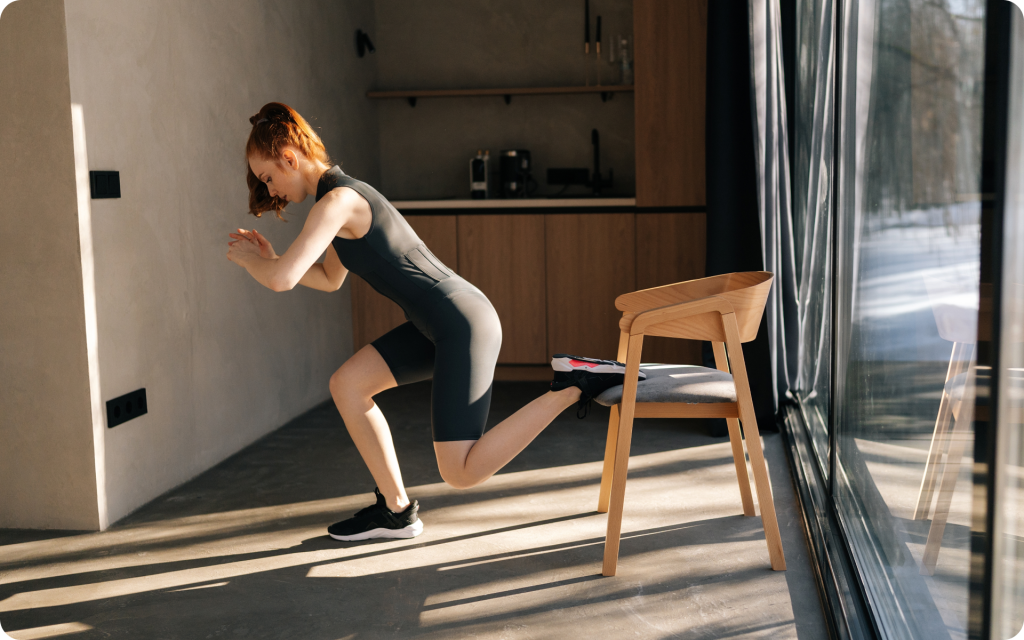
Gentle chair yoga is a mindful practice designed for individuals of all ages and fitness levels who wish to experience the benefits of yoga without the physical demands of standing poses. It emphasizes mindful movement, breathwork, and relaxation, making it suitable for those with physical limitations, injuries, or simply those seeking a gentler approach to yoga. The practice focuses on building strength, flexibility, and balance while promoting stress reduction and overall well-being.This accessible form of yoga provides a safe and supportive environment for cultivating a deeper connection with the body and mind.
By focusing on gentle stretches and controlled movements, chair yoga offers a pathway to improved posture, reduced pain, increased energy, and enhanced mental clarity.
Key Differences from Other Yoga Styles
Chair yoga distinguishes itself from other yoga styles primarily by its accessibility and adaptability. Unlike standing yoga, which often requires a high degree of flexibility and strength, chair yoga modifies poses to accommodate various physical limitations. This allows participants to experience the mental and physical benefits of yoga without the risk of injury. It is also typically slower paced and more focused on breathwork and mindful movement.
Furthermore, chair yoga can be adapted to address specific needs, making it suitable for people with mobility issues, recovering from injuries, or those who simply prefer a seated practice.
Chair Yoga vs. Standing Yoga
The table below highlights key distinctions between chair yoga and standing yoga, outlining their respective postures, benefits, and potential challenges.
| Feature | Chair Yoga | Standing Yoga |
|---|---|---|
| Postures | Seated twists, forward folds, backbends, arm stretches, and leg stretches adapted for a seated position. Modifications are crucial for safety and comfort. | Standing forward folds, backbends, twists, balancing poses, and arm balances. These poses demand a greater degree of strength and flexibility. |
| Benefits | Improved posture, increased flexibility, reduced pain, stress reduction, and enhanced balance (seated). | Improved strength, flexibility, balance, and coordination. Enhanced body awareness and mental focus. |
| Challenges | Maintaining focus and engagement in seated positions, finding the correct modifications, and adapting poses to personal limitations. | Maintaining balance and alignment in standing poses, potential for injury if not practiced correctly, and requiring a higher level of physical fitness. |
| Target Audience | Individuals with physical limitations, recovering from injuries, pregnant women, older adults, or those seeking a gentler approach. | Individuals with good physical fitness and flexibility, seeking to challenge themselves physically and mentally. |
The table effectively illustrates the significant differences in posture, benefits, challenges, and target audience between chair and standing yoga. By understanding these nuances, individuals can select the style most appropriate for their needs and physical capabilities.
Essential Poses for a Gentle Chair Yoga Practice
Chair yoga offers a fantastic way to experience the benefits of yoga while maintaining a safe and supportive environment. This section will delve into five fundamental poses, outlining proper alignment, modifications for diverse body types, and the associated physical and mental well-being advantages. Each pose will be presented with clear instructions, enabling you to confidently incorporate them into your practice.Understanding the benefits of these poses is crucial for a holistic approach to well-being.
Proper alignment ensures that the poses are effective while minimizing the risk of injury. Modifications cater to varying body types and abilities, ensuring accessibility for all practitioners.
Chair Forward Fold
This pose gently stretches the hamstrings and spine, promoting flexibility and reducing stress. Maintaining a balanced posture while seated in a chair is essential. It’s a valuable tool for cultivating a calm and centered mind.
- Starting Position: Sit upright in a chair with your feet flat on the floor, shoulder-width apart. Ensure your back is straight, but not rigid.
- Action: Inhale deeply, then exhale slowly and gently fold forward from your hips, keeping your back straight. Avoid rounding your back or hunching your shoulders. Allow your arms to hang naturally, or place them on your thighs for support.
- Visual Cue: Imagine lengthening your spine as you fold forward. Maintain a relaxed facial expression. If your hamstrings are tight, bend your knees slightly to accommodate.
- Hold: Hold the pose for 5-10 breaths, focusing on your breath.
- Release: Inhale slowly to return to the starting position.
Chair Spinal Twist
This pose gently massages the spine, releasing tension and promoting healthy posture. It also helps to improve digestion.
- Starting Position: Sit tall in a chair with your feet flat on the floor, shoulder-width apart. Maintain a straight spine.
- Action: Exhale and gently twist your torso to one side, keeping your hips square and stable. Extend one arm out in front of you and the other arm behind you. Keep your gaze gently over your shoulder, maintaining a neutral neck position.
- Visual Cue: Maintain a tall spine. Avoid collapsing or hunching over.
- Hold: Hold the pose for 5-10 breaths on each side, and gently twist from your torso. Avoid pulling or forcing the twist.
- Release: Inhale and return to the starting position, repeating on the other side.
Chair Cat-Cow
This gentle flow enhances spinal mobility and flexibility. It is particularly beneficial for relieving stiffness and promoting a sense of calm.
- Starting Position: Sit tall in a chair, feet flat on the floor, shoulder-width apart.
- Action: Inhale and gently arch your back, drawing your shoulders back and down, opening your chest. As you exhale, round your spine, tucking your chin towards your chest, and drawing your shoulder blades together.
- Visual Cue: Feel the movement in your spine, coordinating it with your breath.
- Hold: Repeat the arching and rounding movements 5-10 times, allowing your breath to guide the flow.
- Release: Maintain a relaxed posture.
Chair Leg Raises
This pose strengthens the thighs and core muscles, while also improving circulation. It’s important to focus on proper form for effectiveness and injury prevention.
- Starting Position: Sit tall in a chair, feet flat on the floor.
- Action: Slowly lift one leg off the floor, keeping it straight and slightly above hip height. Hold for a few seconds and lower it back down.
- Visual Cue: Maintain a straight line from your knee to your ankle.
- Hold: Repeat 10-15 times per leg, focusing on controlled movements. If you feel any strain, modify by lifting the leg slightly or not at all.
- Release: Repeat on the other leg.
Chair Shoulder Rolls
This pose improves shoulder flexibility and releases tension in the neck and shoulders. It’s essential to maintain a controlled movement.
- Starting Position: Sit tall in a chair, feet flat on the floor.
- Action: Gently roll your shoulders forward 10 times, then backward 10 times. Keep your movements smooth and controlled. Repeat this 2-3 times.
- Visual Cue: Keep your body relaxed and stable as you roll your shoulders.
- Hold: Feel the stretch in your shoulders as you roll.
- Release: Return to a relaxed seated position.
Table of Poses
| Pose | Modifications | Benefits | Cautions |
|---|---|---|---|
| Chair Forward Fold | Bend knees slightly if needed | Stretches hamstrings, spine; reduces stress | Avoid rounding back; listen to body |
| Chair Spinal Twist | Adjust hand placement for support | Massages spine; improves digestion | Avoid forcing the twist |
| Chair Cat-Cow | Maintain a gentle range of motion | Enhances spinal mobility; reduces stiffness | Listen to your body; avoid overstretching |
| Chair Leg Raises | Keep leg slightly elevated if needed | Strengthens thighs and core; improves circulation | Avoid jerky movements; modify if needed |
| Chair Shoulder Rolls | Use a light touch if needed | Improves shoulder flexibility; releases tension | Avoid any sudden movements |
Breathing Techniques in Chair Yoga
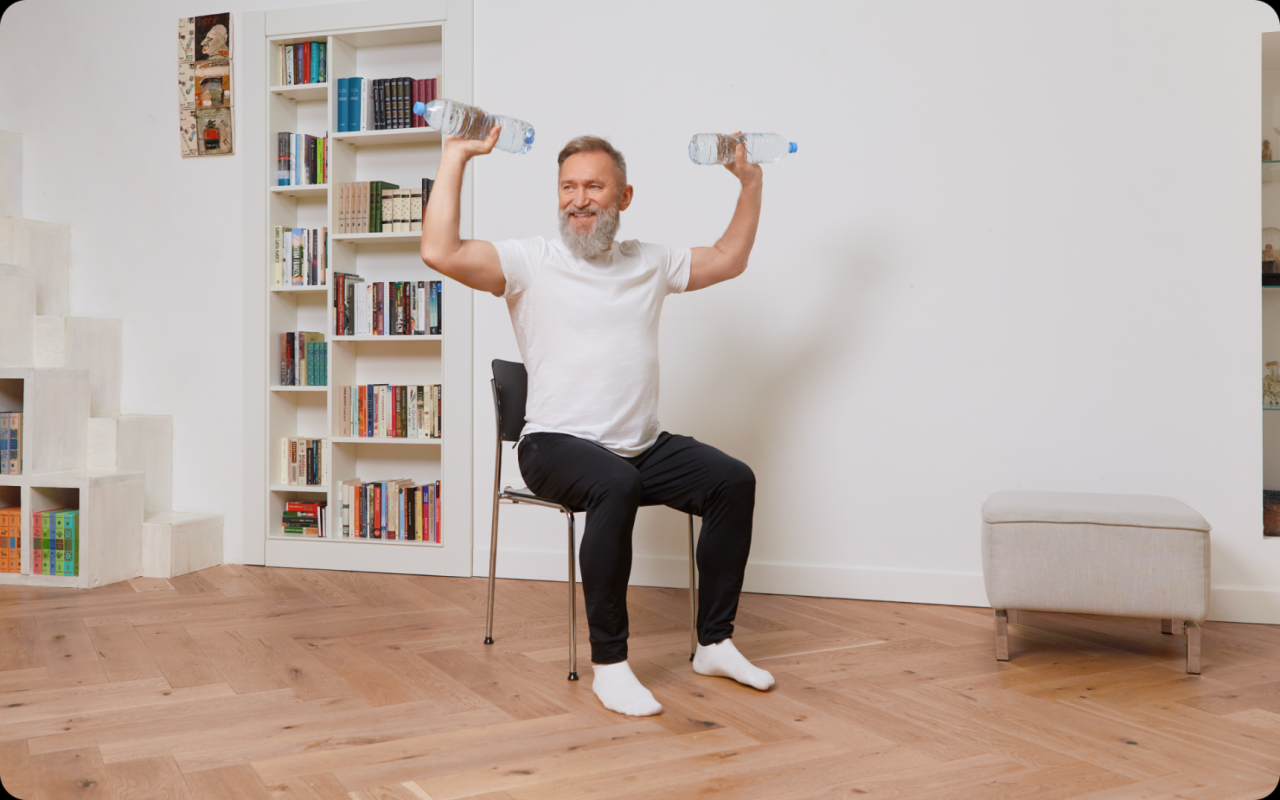
Conscious breathwork plays a crucial role in chair yoga, enhancing the practice’s benefits. Proper breathing techniques promote relaxation, focus, and overall well-being during the poses. By paying attention to the breath, practitioners can deepen their connection with their bodies and cultivate a more mindful experience.Breathing techniques are integral to chair yoga because they regulate the body’s response to stress, allowing for a more profound sense of calm and presence.
This conscious connection with the breath helps practitioners to move through the poses with greater awareness and control, further deepening the benefits of each posture.
Importance of Breathwork in Chair Yoga
Effective breathwork in chair yoga is paramount for several reasons. It helps to regulate the heart rate and blood pressure, easing the transition into a state of relaxation. Furthermore, it allows for greater awareness of bodily sensations, enabling practitioners to listen to their bodies’ needs during each pose. This awareness is key to safely and effectively modifying poses as needed.
Specific Breathing Techniques for Chair Yoga
Conscious breathing techniques are essential to enhance the practice’s benefits. These techniques can be easily incorporated into chair yoga, enhancing the experience.
- Diaphragmatic Breathing: This technique involves using the diaphragm, the primary muscle of respiration, to expand the lungs fully. By focusing on deep, slow inhalations and exhalations, practitioners can activate the parasympathetic nervous system, leading to a state of relaxation and reducing feelings of stress. Diaphragmatic breathing promotes a calm and focused state, which is conducive to a deeper connection with the poses.
- Alternate Nostril Breathing (Nadi Shodhana): This ancient yogic practice involves alternating the breath between the nostrils. It is believed to balance the energies in the body, promoting a sense of calm and focus. Alternate nostril breathing can be especially helpful in chair yoga, as it fosters a greater sense of inner stillness and allows for greater awareness of the breath’s rhythm. It creates a meditative state that complements the physical postures.
- Ujjayi Breath: Often described as the “ocean breath,” this technique involves exhaling fully and then inhaling deeply while gently constricting the throat, creating a soft, whispering sound. Ujjayi breath can be utilized throughout chair yoga to promote physical strength and mental clarity. This type of breath helps practitioners stay grounded and centered in the present moment.
Incorporating Breathing Techniques into Poses
The following examples demonstrate how to integrate breathing techniques into different chair yoga poses.
- Forward Fold: As you gently fold forward from a seated position, inhale deeply through the nose, expanding your belly. Exhale slowly through your mouth, releasing tension in your shoulders and back. Repeat this pattern several times, focusing on the sensation of your breath in your body.
- Chair Twist: Inhale deeply, filling your lungs completely. As you twist your torso, exhale slowly and smoothly, releasing any tension in your spine and abdomen. Maintain the twist while exhaling and inhaling, promoting relaxation and stretching.
- Seated Meditation: Inhale deeply, filling your lungs fully. Hold the breath for a moment, and then exhale slowly, releasing any tension. Repeat this cycle of inhaling, holding, and exhaling, promoting a feeling of grounded presence. This practice fosters a sense of calm and well-being, enhancing the overall chair yoga experience.
Modifications and Adaptations
Chair yoga offers a wonderful way to experience the benefits of yoga without the demands of standing poses. However, individual needs and limitations must be considered. This section details modifications and adaptations to ensure accessibility and safety for all participants.Adapting chair yoga poses for different body types and levels of flexibility is crucial for a positive and productive practice.
This includes modifications for those with physical limitations, injuries, or those seeking to deepen their practice. Understanding these adjustments allows for a more inclusive and effective chair yoga experience.
Common Modifications for Physical Limitations
Chair yoga provides an adaptable practice for individuals with physical limitations. Modifications for those with limited mobility or injuries focus on maintaining proper alignment and reducing strain on affected areas. This often involves utilizing props, adjusting the range of motion, or replacing certain poses with alternatives. This tailored approach helps ensure the practice remains safe and beneficial for everyone.
Adaptations for Different Body Types and Flexibility Levels
Different body types and flexibility levels require adjustments to poses. For example, individuals with tight hips might need to modify poses that stretch these areas, ensuring they are still challenging but not painful. Similarly, those with limited flexibility in the shoulders might benefit from modifications to prevent strain or discomfort. These modifications ensure the poses remain safe and effective for all participants.
Example Modifications for Selected Poses
This table illustrates modifications for three common chair yoga poses, highlighting adjustments for various needs.
| Pose | Modification for Limited Range of Motion | Modification for Tight Hamstrings | Modification for Back Pain |
|---|---|---|---|
| Forward Fold | Lean forward slightly, using a cushion or blanket for support. Avoid forcing the stretch. | Use a bolster or rolled-up blanket beneath the knees for support. | Keep the spine straight, avoid rounding the back. Use a support pillow or rolled blanket against the lower back. |
| Shoulder Stretch | Use a strap or towel to gently assist in the stretch, if needed. | Maintain a neutral posture and focus on gently stretching the shoulders, avoiding over-extension. | Avoid stretching past a comfortable range of motion. Use a cushion or blanket to support the arm. |
| Twist | Maintain a neutral spine and use a cushion or blanket for support. Focus on a smaller twist if needed. | Maintain a neutral posture and use a cushion or blanket to support the hips. Adjust the angle of the twist for comfort. | Keep the spine straight and avoid twisting too forcefully. Use a cushion or blanket for support. |
Using Props for Support and Comfort
Using props can significantly enhance the comfort and accessibility of chair yoga. Blankets, cushions, and bolsters can provide additional support, allowing participants to maintain proper alignment and reduce strain. For example, a folded blanket beneath the knees during a forward fold can offer support and comfort. Cushions can provide a supportive surface for the hips during seated twists.
Using props in chair yoga is a crucial aspect of tailoring the practice to individual needs.
Using these tools thoughtfully ensures that everyone can experience the benefits of chair yoga safely and comfortably.
Sequencing and Flow
A well-structured chair yoga sequence is crucial for a safe and effective practice. Proper sequencing considers the flow between poses, the gradual build-up of intensity, and the integration of breathing techniques. This allows for a smooth transition between postures and promotes a deeper connection with the body and mind.
A 10-Minute Chair Yoga Sequence
This sequence provides a balanced flow of poses, incorporating breathing techniques and modifications. It’s designed to be accessible for most individuals and can be adapted based on personal needs and limitations. Remember to listen to your body and adjust the sequence as necessary.
Sequencing Considerations
A well-sequenced practice progresses gradually in intensity and complexity. Starting with simpler poses and building up to more challenging ones allows the body to adapt and avoids overwhelming the system. This approach enhances the overall effectiveness and safety of the practice. Transitions between poses should be smooth and controlled, allowing for a natural flow.
Visual Representation of the Sequence
| Pose | Duration (seconds) | Transition Description |
|---|---|---|
| Easy seated posture, spine straight | 30 | Begin in a comfortable seated position, maintaining a tall spine. Focus on grounding your feet firmly on the floor. |
| Shoulder rolls forward & backward | 20 | Gently roll your shoulders forward and backward, 10 times in each direction. This helps loosen up the shoulder and neck muscles. |
| Neck stretches (left & right) | 20 | Gently tilt your head to the left and right, keeping your shoulders relaxed. |
| Gentle torso twists (left & right) | 20 | Twist your torso gently to the left and right, keeping your back straight. Use your hands for support if needed. |
| Arm stretches (forward & backward) | 20 | Extend one arm forward, and then bring it back, repeating on the other side. |
| Ankle circles (clockwise & counter-clockwise) | 20 | Slowly circle your ankles in a clockwise and counter-clockwise direction, 10 times in each direction. |
| Deep breathing exercises | 60 | Inhale deeply through your nose, hold for a count of 4, exhale slowly through your mouth, hold for a count of 4. Repeat this pattern 5 times. |
| Final relaxation pose (seated) | 60 | Relax in a comfortable seated position, closing your eyes and focusing on your breath. Feel your body sink into the chair. |
Smooth Transitions Between Poses
Transitions are vital for a safe and beneficial practice. A smooth transition minimizes the risk of injury and allows for a natural flow. For example, when transitioning from a shoulder roll to a neck stretch, take a few deep breaths and maintain a steady rhythm. Avoid jerky movements and maintain a mindful approach to each transition. If a pose requires a specific breath work pattern, maintain that rhythm during the transition to the next pose.
This will enhance the overall experience.
Creating a Supportive Environment
A supportive environment is crucial for a fulfilling chair yoga practice. It fosters relaxation, reduces distractions, and enhances the overall experience. A well-designed space can significantly contribute to your comfort and ability to fully engage with the postures and breathing techniques.A conducive environment promotes a sense of calm and encourages a deeper connection with your body. This is achieved by carefully selecting the appropriate elements, from the chair and attire to the lighting and music.
A comfortable and peaceful space will make your chair yoga practice more enjoyable and effective.
Choosing the Right Chair
The choice of chair is important for a safe and comfortable practice. A sturdy, stable chair with a supportive seat is recommended. Avoid chairs with wheels or those that are easily tipped over. A chair with a backrest is ideal for maintaining good posture. Consider the height and depth of the seat to ensure proper alignment of your body.
If possible, select a chair that allows you to adjust the seat height to accommodate your needs.
Selecting Appropriate Attire
Comfortable clothing is essential for a smooth and uninterrupted practice. Loose-fitting, breathable fabrics are preferable to ensure ease of movement. Avoid anything that restricts your range of motion or creates discomfort. Practical clothing allows you to move through the poses without feeling constrained.
Creating a Quiet and Peaceful Space
A quiet and peaceful environment is conducive to a deeper connection with yourself. Minimize distractions by choosing a space free from interruptions. Turn off electronic devices, close the door, and let others know you’d appreciate some quiet time. Consider using a calming aroma, such as lavender or chamomile, to enhance the atmosphere.
Optimizing Room Conditions
The room temperature should be comfortable, neither too hot nor too cold. A slightly cooler temperature can enhance relaxation and focus. Adequate lighting is also important. Natural light is best, but if using artificial light, use soft, diffused lighting. Avoid harsh or flickering lights.Music, if desired, should be calming and unobtrusive.
Gentle instrumental music or nature sounds can be helpful in creating a relaxing atmosphere. Ensure the volume is low enough not to disrupt your focus or the focus of others. If using music, consider the impact it has on the overall practice.
Safety Considerations and Precautions
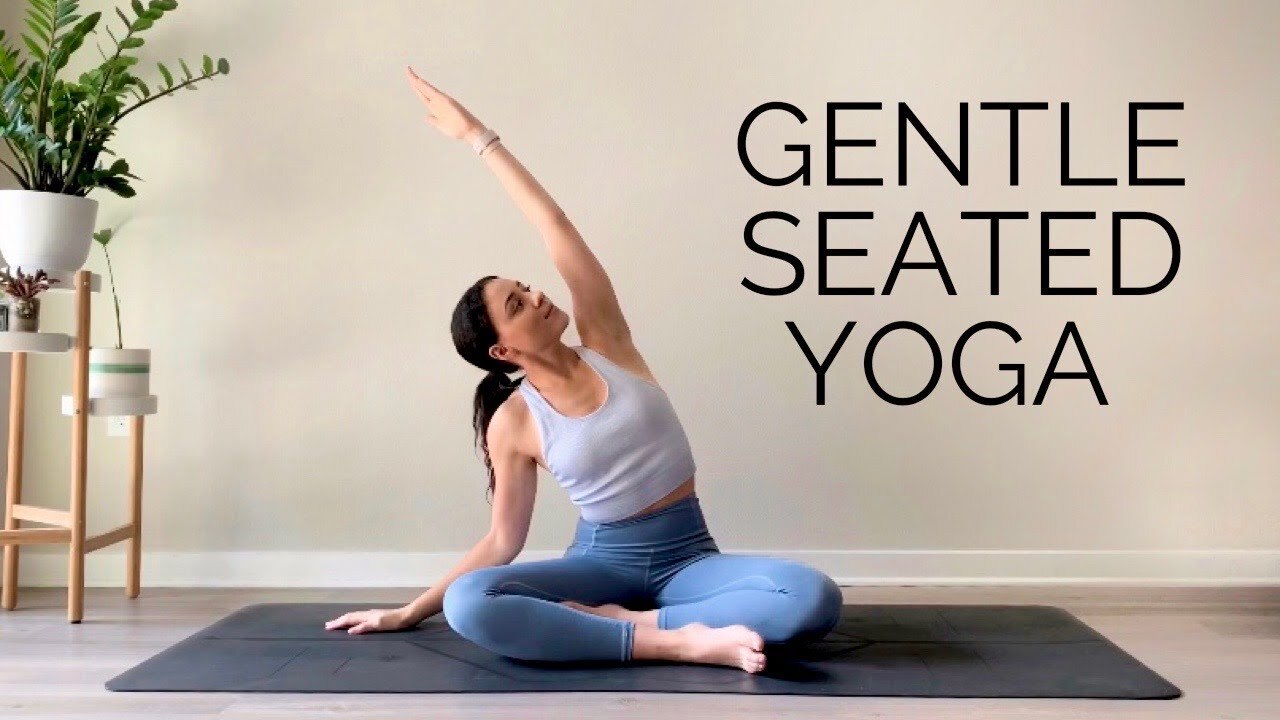
Chair yoga offers a wonderful way to improve flexibility, strength, and balance, but it’s essential to prioritize safety. Understanding potential risks and taking appropriate precautions can ensure a positive and injury-free practice. A mindful approach to listening to your body and knowing when to modify or stop is crucial for a safe and effective chair yoga experience.Careful consideration of individual limitations and potential contraindications is vital.
By acknowledging these factors, practitioners can tailor their practice to suit their unique needs and abilities. This proactive approach minimizes the risk of injury and promotes a more enjoyable and beneficial experience.
Potential Risks and Cautions
Chair yoga, while generally safe, can present some risks if not practiced mindfully. Overexertion, improper alignment, or pushing beyond physical limits can lead to muscle strains, joint pain, or other discomfort. Sudden movements or unsupported stretches can increase the risk of falls. For individuals with pre-existing conditions, certain poses might exacerbate existing issues. Recognizing and mitigating these potential risks is key to ensuring a safe practice.
Important Safety Measures
Following safety measures can significantly reduce the risk of injury during a chair yoga session. Ensure the chair is stable and sturdy, with a firm base to prevent tipping. Wear comfortable, supportive clothing that allows for full range of motion. Avoid distractions during practice to maintain focus and awareness of your body. Start each session with a warm-up and gradually increase the intensity of poses.
Listening to Your Body
A crucial aspect of chair yoga is learning to listen to your body. Pay close attention to any pain or discomfort. If you feel any sharp pain, stop the pose immediately. Do not push through discomfort, as this can lead to injury. Modify poses as needed to maintain a comfortable range of motion.
Gradually increase the intensity and duration of poses over time, according to your physical capabilities.
Precautions and Contraindications
Certain conditions might make chair yoga unsuitable or require modifications. Individuals with recent injuries, severe arthritis, osteoporosis, or balance problems should consult a healthcare professional before starting a chair yoga practice. Those with uncontrolled blood pressure or heart conditions should also consult their doctor before participating. If you experience dizziness, nausea, or any other unusual symptoms during practice, stop immediately and seek medical attention.
This precaution helps prevent potential complications.
- Recent injuries: If you’ve recently experienced a muscle strain, joint sprain, or other injury, consult your doctor before starting a chair yoga practice. They can advise on suitable modifications or suggest alternatives if necessary.
- Severe arthritis: Chair yoga can be beneficial for many with arthritis, but modifications may be necessary. Consult with a physical therapist or healthcare professional to determine suitable poses and modifications to minimize pain and prevent further injury.
- Osteoporosis: Chair yoga can be a gentle exercise for those with osteoporosis, but it’s essential to practice with caution and avoid any poses that could put undue stress on bones. Consult a doctor or physical therapist to learn appropriate modifications.
- Balance problems: If you have balance issues, use assistive devices such as a chair or wall for support during poses. Modifications to balance-oriented postures are often necessary.
- Uncontrolled blood pressure or heart conditions: If you have uncontrolled blood pressure or heart conditions, consult your doctor before participating in any exercise program, including chair yoga. Begin with short sessions and gradually increase the duration and intensity as tolerated.
- Other conditions: Individuals with other medical conditions, such as spinal problems, should consult their doctor or physical therapist before starting chair yoga to ensure it is safe for them.
Deepening Your Practice
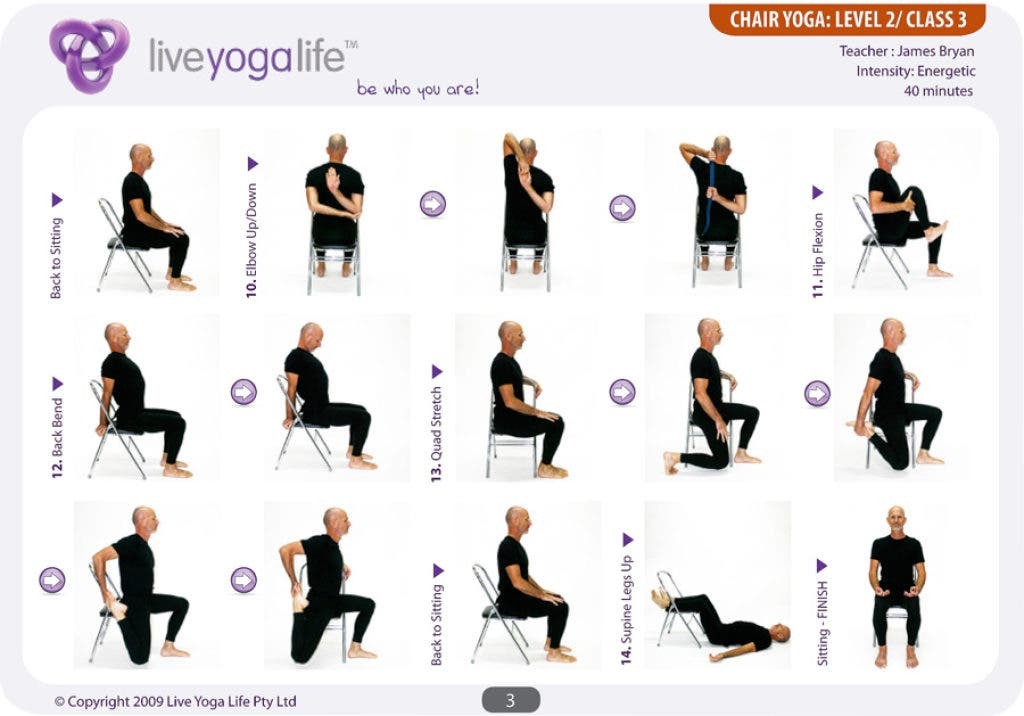
Embarking on a journey of self-discovery and well-being through chair yoga requires dedication and a commitment to consistent practice. This section will guide you on methods to deepen your chair yoga experience over time, including mindful integration and further learning resources.Consistent practice and thoughtful exploration will elevate your chair yoga journey beyond a simple exercise routine, leading to a more profound sense of well-being and self-awareness.
Integrating mindfulness and meditation will amplify the benefits of chair yoga, transforming it into a powerful tool for stress reduction and emotional regulation.
Enhancing Your Chair Yoga Routine
Consistent practice is key to experiencing the full spectrum of benefits chair yoga offers. Gradually increase the duration of your sessions to challenge yourself while respecting your body’s limitations. Incorporate a wider range of poses and variations to target different muscle groups and improve flexibility.
Incorporating Mindfulness and Meditation
Mindfulness practices can greatly enhance the effectiveness of chair yoga. Mindful movement, paying close attention to the sensations in your body as you move, is an essential aspect of this approach. Focus on your breath and the present moment during each pose to create a deeper connection with yourself. Meditation can be seamlessly integrated into your chair yoga practice.
Starting with a few minutes of guided meditation before or after your session can foster a sense of calm and centeredness.
Further Learning and Exploration
Numerous resources are available for those seeking to delve deeper into chair yoga. Books, online videos, and workshops offer diverse perspectives and advanced techniques. These resources can help you expand your knowledge of poses, breathing techniques, and mindful movement. Explore different styles and approaches to find what resonates with you and your goals.
Additional Resources for Deepening Your Practice
- Books: Several books offer comprehensive guides to chair yoga, including detailed descriptions of poses, modifications, and sequencing. Look for titles focusing on specific areas of interest, such as chair yoga for seniors or chair yoga for stress relief.
- Online Videos: Numerous online platforms feature chair yoga instructors leading guided sessions. These videos allow for personalized practice and exploration of different styles, often incorporating mindfulness and meditation elements.
- Workshops and Retreats: Attending workshops or retreats dedicated to chair yoga can provide valuable insights and hands-on learning experiences with experienced instructors. These opportunities often offer a supportive community environment for sharing experiences and learning new techniques.
- Certified Instructors: Finding a certified chair yoga instructor can provide personalized guidance and support in refining your practice. An instructor can offer tailored advice and modifications based on your individual needs and physical limitations.
Closure
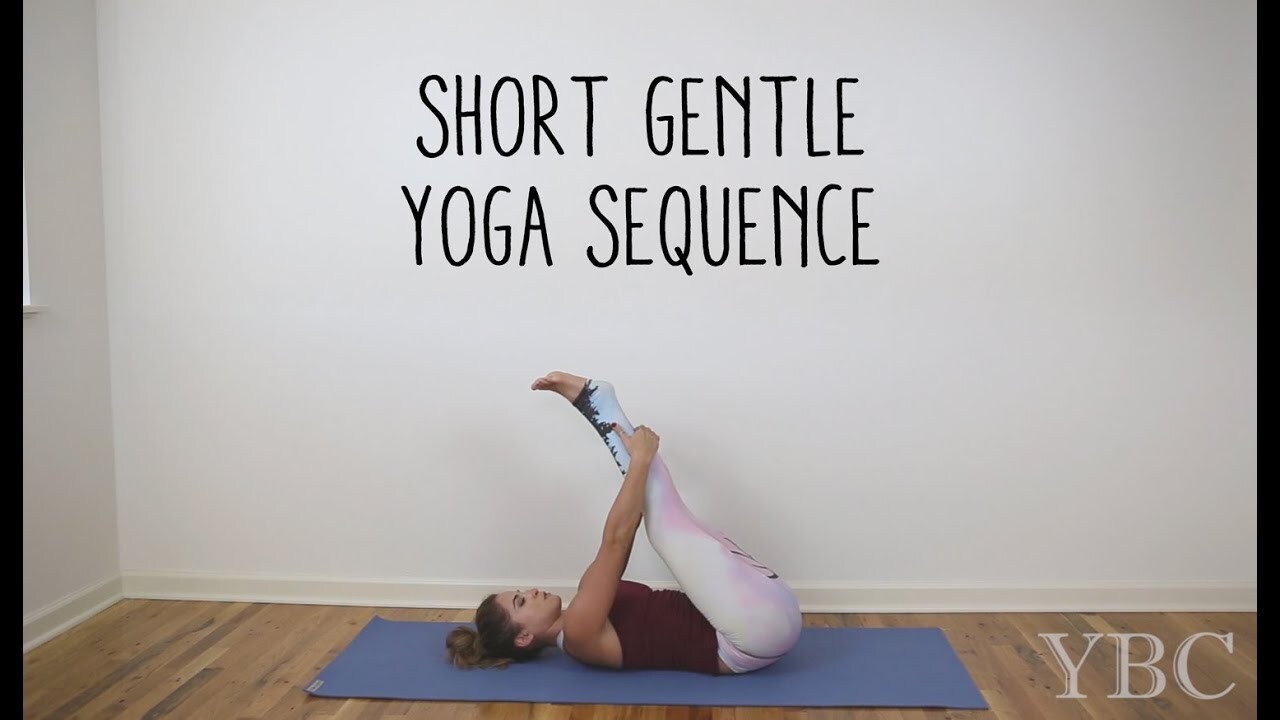
In conclusion, this guide provides a comprehensive roadmap for enjoying a gentle chair yoga practice. By understanding the fundamental poses, breathing techniques, modifications, and creating a supportive environment, you can embark on a journey towards enhanced physical and mental well-being. This accessible practice, perfect for all levels and abilities, is a powerful tool for promoting relaxation, flexibility, and mindful movement.