Embark on a journey to unlock the full potential of your spine with this comprehensive guide on deepening your stretch in Cat-Cow Pose (Marjaryasana-Bitilasana). This pose, a cornerstone of many yoga practices, offers a dynamic interplay of spinal flexion and extension, promoting flexibility and spinal health. We’ll delve into the intricacies of proper alignment, explore advanced techniques, and provide modifications for various body types and experience levels.
Understanding the anatomical alignment, biomechanics, and potential benefits of Cat-Cow Pose is crucial for safe and effective practice. This guide will cover everything from warm-up and cool-down routines to advanced variations and modifications, ensuring a holistic approach to mastering this powerful pose. We will also address potential risks and contraindications, emphasizing the importance of listening to your body.
Understanding Cat-Cow Pose (Marjaryasana-Bitilasana)

Cat-Cow Pose, a fundamental yoga posture, offers a gentle yet profound way to cultivate spinal mobility and awareness. This dynamic flow encourages flexibility, strength, and a connection to the breath, promoting a sense of calm and well-being. It’s a perfect starting point for exploring more advanced yoga postures and developing a deeper understanding of your body’s potential.This exploration delves into the anatomical intricacies of Cat-Cow Pose, outlining the biomechanics behind spinal movement, and identifying common beginner errors.
Understanding these elements will empower you to practice the pose safely and effectively, reaping its numerous benefits for spinal health and overall well-being.
Anatomical Alignment in Cat-Cow Pose
Cat-Cow Pose engages a complex interplay of spinal muscles, joints, and ligaments. The spine’s natural curves, from cervical to lumbar regions, are emphasized and gently stretched. The shoulders are relaxed, drawing the chest slightly upward. The abdominal muscles engage, supporting the spine. The hips maintain a neutral position, avoiding excessive arching or slumping.
The pelvis remains stable throughout the movement, ensuring the lower back is not strained. Arms are aligned with shoulders, wrists, and fingers in a straight line. The gaze is directed straight ahead, maintaining a balanced posture.
Biomechanics of Spinal Flexion and Extension
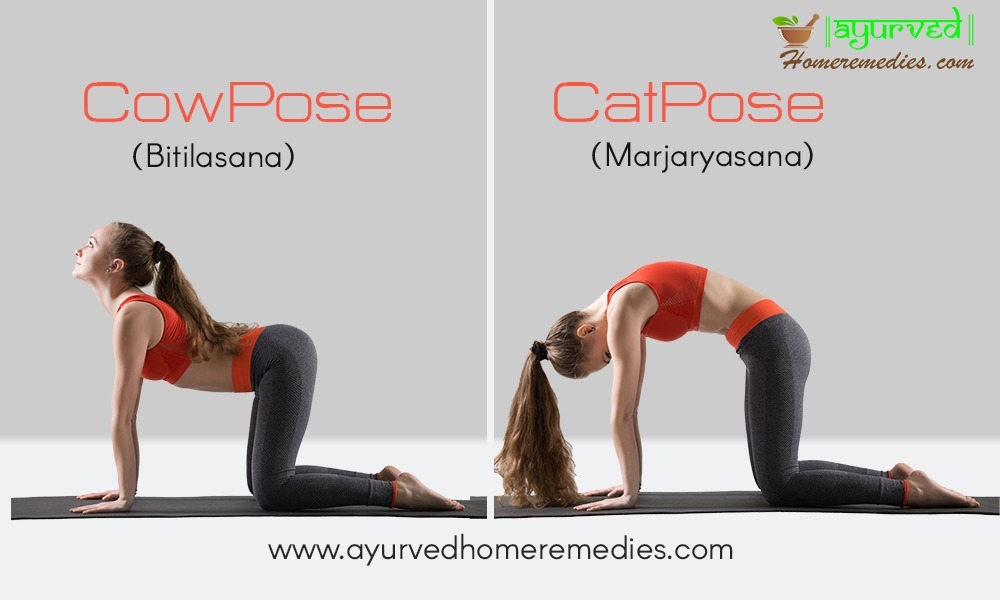
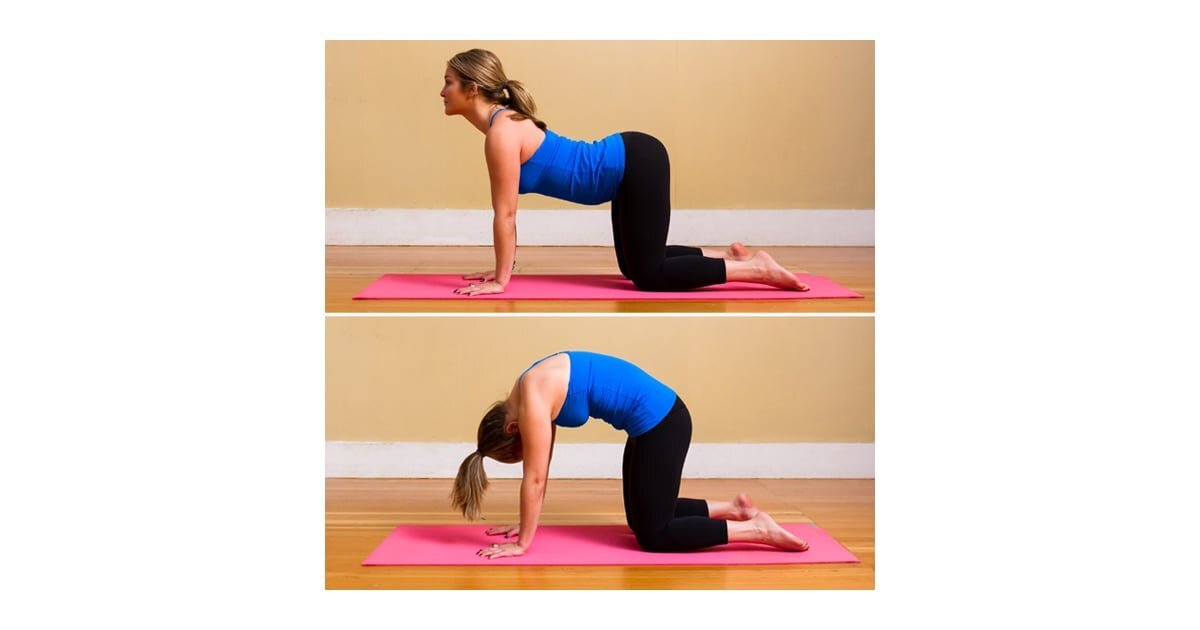
The spinal flexion and extension movements in Cat-Cow Pose are facilitated by the coordinated action of various muscles. During the “cow” pose, the abdominal muscles relax, allowing the spine to extend, and the thoracic spine and lumbar spine stretch. The muscles in the back of the neck and upper back are also engaged to lift the chest and head.
In contrast, the “cat” pose involves contraction of the abdominal muscles, drawing the spine inward. This action compresses the spine and encourages the lengthening of the muscles along the back. This interplay between flexion and extension enhances spinal mobility and promotes a healthy posture.
Benefits for Flexibility and Spinal Health
Regular practice of Cat-Cow Pose offers numerous benefits for spinal health and overall well-being. The dynamic spinal movements improve flexibility, promoting a sense of lightness and ease. It aids in maintaining a healthy spinal curve, which is crucial for proper posture and minimizing back pain. By gently stretching and strengthening the muscles around the spine, Cat-Cow Pose helps to alleviate stiffness and improve range of motion.
The gentle spinal articulation also stimulates the flow of energy throughout the body.
Common Mistakes Beginners Make
Beginners often encounter challenges in maintaining proper alignment and technique. One common mistake is over-arching the lower back during the “cow” pose, potentially straining the lumbar region. Another error involves rounding the upper back excessively during the “cat” pose, neglecting the stretch of the thoracic spine. Some practitioners also fail to coordinate the movement with the breath, which can diminish the pose’s effectiveness.
Furthermore, neglecting to maintain a neutral pelvis often leads to misalignment, compromising the benefits of the exercise.
Proper Starting Position
Begin by kneeling on the floor with knees hip-width apart and feet tucked behind you. Ensure your hips are stacked directly over your knees. Place your hands on the floor, directly beneath your shoulders. Your fingers should be spread wide, and your palms should be flat on the ground. The spine should be in a neutral position, neither overly arched nor rounded.
Ensure the neck is aligned with the spine, and the gaze is directed forward. This fundamental position lays the groundwork for a safe and effective Cat-Cow practice.
Deepening the Stretch
Expanding your range of motion in Cat-Cow Pose (Marjaryasana-Bitilasana) requires mindful attention to spinal articulation and core engagement. Proper technique, combined with mindful breathing and strategic use of props, can significantly enhance the stretch, promoting flexibility and spinal health. This section delves into specific techniques and strategies to maximize the benefits of this fundamental yoga posture.
Techniques for Deepening Spinal Flexion and Extension
Various methods can be employed to deepen the spinal flexion and extension in Cat-Cow Pose. Careful attention to these techniques allows for a more profound stretch and greater spinal articulation.
| Technique | Description | Considerations |
|---|---|---|
| Increased Spinal Curvature | Consciously exaggerate the arch in the back during the cow pose and the rounding in the cat pose. This involves engaging the muscles that facilitate these movements. | Ensure the movement is controlled and not forced. Avoid jerking or sudden movements. |
| Shoulder Blade Engagement | Actively drawing the shoulder blades together during the cow pose and gently separating them during the cat pose can enhance spinal movement. | This requires awareness and focus on the shoulder girdle and its interaction with the spine. |
| Pelvic Tilt Variations | Experiment with different pelvic tilts to explore the interplay between the pelvis, spine, and core. | Careful awareness of the pelvic floor and abdominal muscles is crucial. |
| Hip Extension/Flexion | Deepen the spinal extension by engaging the hip flexors during the cow pose and the hip extensors during the cat pose. | Ensure the movement originates from the hips and not just the lower back. |
Engaging Core Muscles for Spinal Articulation
The core plays a vital role in stabilizing the spine and facilitating smooth transitions between flexion and extension. A strong core provides support for the spinal movements and prevents unnecessary strain.Proper core engagement involves drawing the navel towards the spine, creating a subtle contraction in the abdominal muscles. This engagement should be maintained throughout the entire pose. This technique supports a more profound stretch and prevents strain.
Breathing Techniques in Cat-Cow Pose
Breathing techniques play a crucial role in deepening the stretch and enhancing the overall experience in Cat-Cow Pose. Coordinating breath with movement fosters a more mindful and effective practice.
- Inhale-Exhale Coordination: Inhale into the cow pose and exhale into the cat pose, synchronizing the breath with the spinal movements. This technique helps to deepen the stretch and promote relaxation.
- Diaphragmatic Breathing: Focusing on diaphragmatic breathing during the pose allows for a more thorough expansion of the ribcage and enhances the stretch.
- Controlled Breathing: Consciously regulate the breath, ensuring a smooth and even flow, which can improve focus and awareness during the practice.
Utilizing Props for Modification and Deepening
Props like blocks or blankets can be employed to modify and deepen the stretch in Cat-Cow Pose, catering to individual needs and limitations.
- Blocks under the Hands: Placing blocks under the hands during the cow pose can enhance the spinal extension by providing support and allowing for a deeper stretch in the chest and shoulders.
- Blankets under the Knees: Positioning blankets under the knees can offer comfort and support, especially for individuals with knee sensitivity or stiffness. This modification can help relax the lower back and allow for a more comfortable spinal stretch.
- Blocks under the Forearms: Blocks can be used under the forearms during the cat pose for a gentle support and a deeper stretch in the spine.
Enhancing Flexibility
Cat-Cow Pose (Marjaryasana-Bitilasana) offers a dynamic way to improve spinal flexibility. However, maximizing its benefits requires a well-structured warm-up and cool-down routine to prepare the body and prevent injury. This approach will not only deepen the stretch in Cat-Cow but also enhance overall flexibility and body awareness.A comprehensive warm-up and cool-down routine complements the practice of Cat-Cow Pose, preparing the body for deeper stretches and restoring the spine’s natural alignment.
This approach prevents potential injuries and maximizes the benefits of the asana.
Warm-up Routine
A proper warm-up routine prepares the muscles and joints for the demanding stretches of Cat-Cow Pose. This involves gentle movements that gradually increase the range of motion. Starting slowly and progressively increasing the intensity is key to prevent injury.
- Gentle Spinal Rotations: Begin with slow, controlled rotations of the spine, moving from side to side. This loosens the spinal muscles and prepares the spine for more intricate movements. This action enhances the spine’s range of motion.
- Neck Stretches: Gently rotate the head, bringing the ear towards the shoulder, one side at a time. These stretches ease tension in the neck muscles and improve blood flow, thus promoting flexibility and reducing stiffness.
- Shoulder Rolls: Perform forward and backward shoulder rolls to loosen the shoulder joints. This improves mobility and reduces stiffness in the shoulder region. Regular shoulder rolls increase range of motion.
- Arm Circles: Make small circles with your arms, forward and backward, to warm up the shoulder joints. This prepares the arms for a deeper stretch and reduces stiffness. Arm circles increase shoulder flexibility and reduce pain.
- Cat-Cow (Marjaryasana-Bitilasana) – Light Version: Perform several rounds of a less intense Cat-Cow to further warm the spine. This allows the body to get used to the movements and gradually prepares the spine for a deeper stretch. Starting with a lighter version prepares the body.
Sequence of Poses to Prepare the Spine
This sequence of poses will further prepare the spine for the deeper stretches of Cat-Cow. These poses are selected to progressively increase spinal mobility and flexibility.
- Child’s Pose (Balasana): This pose gently stretches the back, hips, and thighs. Holding the pose allows for a comfortable stretch and prepares the spine for more demanding poses. This pose opens the hips and stretches the lower back.
- Downward-Facing Dog (Adho Mukha Svanasana): This posture strengthens and lengthens the spine. Maintaining the pose will help improve spinal mobility. Downward-facing dog stretches the hamstrings and calves.
- Thread the Needle Pose (Urdhva Mukha Pasasana): This pose stretches the shoulders, chest, and spine. This action further enhances spinal flexibility.
Cool-down Routine
A cool-down routine is crucial to restore the spine’s natural alignment and release tension after practicing Cat-Cow Pose.
- Savasana (Corpse Pose): Lie down and relax completely, allowing the body to release tension. This allows the body to recover and release tension. Savasana allows the body to fully relax and recover.
- Supported Spinal Twist: Sit with a bolster or blanket behind you and gently twist your spine from side to side. This releases tension and restores spinal alignment. Supported spinal twists help to release tension in the spine and promote flexibility.
- Neck Rolls: Gently roll your neck in a circular motion, clockwise and counterclockwise, to release any remaining tension. This action releases tension in the neck and improves blood circulation.
- Shoulder and Hip Stretches: Perform gentle stretches targeting the hips and shoulders to release any accumulated tension. This helps to release tension in these areas.
Integrating Cat-Cow into a Broader Yoga Practice
Cat-Cow Pose can be effectively integrated into various yoga sequences. It can be used as a transitional pose between different postures or as a standalone practice.
- Transitional Pose: Use Cat-Cow as a transitional pose between poses like Downward-Facing Dog and Cobra Pose. This enhances the flow and prepares the body for the next asana.
- Standalone Practice: Dedicate a specific time for Cat-Cow, performing multiple rounds to improve spinal mobility and flexibility. This helps to improve spinal flexibility and mobility.
Advanced Variations and Modifications
Expanding upon the fundamental Cat-Cow pose, practitioners can explore variations tailored to individual needs and goals. These modifications and advanced variations allow for deeper stretches, enhanced flexibility, and a more personalized yoga experience. By understanding these options, individuals can safely and effectively progress their practice while mitigating potential risks.
Variations for Different Body Types
Different body types may benefit from specific variations to maximize the stretch in Cat-Cow. For example, those with tight hamstrings or lower backs may require modifications to prevent strain. Conversely, those with greater flexibility may benefit from deepening the spinal flexion and extension to enhance the pose. Finding the right balance between challenge and comfort is key.
- Enhanced Spinal Mobility: For individuals with a greater range of motion, extending the arch in Cow pose and deepening the flexion in Cat pose can further target the spinal muscles. Carefully controlled movements are paramount to avoid injuries. Incorporating slow, deliberate transitions between the poses, while maintaining a steady breath, is essential for achieving this variation.
- Tight Hamstring Modification: If hamstrings are tight, placing blocks or blankets under the knees during Cat-Cow can help to alleviate tension and deepen the stretch without forcing the hips into an unnatural position. This modification allows the individual to maintain a comfortable posture while experiencing a deeper stretch in the targeted area.
- Increased Spinal Extension: Individuals with a naturally elongated spine might explore variations that further enhance spinal extension in the Cow pose. This can be achieved by extending the arms overhead while maintaining the spinal arch. This variation helps to build upon the natural flexibility and strengthens the back muscles, but requires careful monitoring of posture.
Modifications for Injuries or Limitations
Understanding and adapting the pose to individual needs is crucial. Modifications are essential for individuals with injuries or limitations to prevent exacerbation of pain or discomfort. These adaptations allow for safe and effective practice, focusing on the individual’s current physical condition.
- Lower Back Pain: For individuals with lower back pain, performing Cat-Cow with a gentle curve in the spine, avoiding exaggerated movements, is recommended. Holding each pose for a shorter duration and focusing on controlled breathing can minimize stress on the back. Using a bolster or cushion under the abdomen can also provide added support and comfort.
- Neck Issues: If experiencing neck pain, maintain a neutral neck position throughout the pose. Avoid tilting the head excessively. Maintaining the gaze forward or slightly downward during the transitions between poses can alleviate pressure on the neck muscles. A gentle, controlled movement is important to prevent straining the neck.
- Knee Pain: For individuals with knee pain, ensure the knees remain aligned with the hips throughout the pose. Modifications such as keeping the knees on a blanket or bolster, or performing the pose with the knees bent, are possible options. The practitioner should prioritize comfort and avoid positions that exacerbate knee pain.
Advanced Poses Integrating Cat-Cow
Advanced poses can build upon the principles of Cat-Cow, further exploring the range of motion and strengthening core stability.
| Variation | Description (including modifications) |
|---|---|
| Thread the Needle | From Cat-Cow, transition into a Thread the Needle variation by extending one arm overhead while rotating the torso to the opposite side. The other arm can extend in front of the body for support. This can be modified by placing a block or blanket under the bent knee for support. The depth of the twist should be adjusted to accommodate the individual’s comfort level and avoid any strain. |
| Downward-Facing Dog | Cat-Cow can be seamlessly incorporated into a flow leading into Downward-Facing Dog. By transitioning through a series of controlled movements, the spine can be further stretched and strengthened. Modifications for this transition might include using a chair or wall for support to ease the transition if necessary. |
| Child’s Pose | Following a sequence of Cat-Cow, a transition to Child’s Pose can offer a restorative counter-stretch. This can be modified by bringing the knees wider apart for greater hip opening. Placing a bolster or blanket under the abdomen can further enhance comfort. |
Incorporating Cat-Cow into Yoga Flows
The principles of Cat-Cow can be seamlessly integrated into various yoga sequences. This dynamic interplay of spinal flexion and extension can be a foundational element in numerous flows, fostering a deeper understanding of the body’s alignment and movement. The fluidity and controlled transitions between poses create a smooth, flowing sequence that can be integrated into various styles of yoga.
Visualizing and Maintaining Proper Form
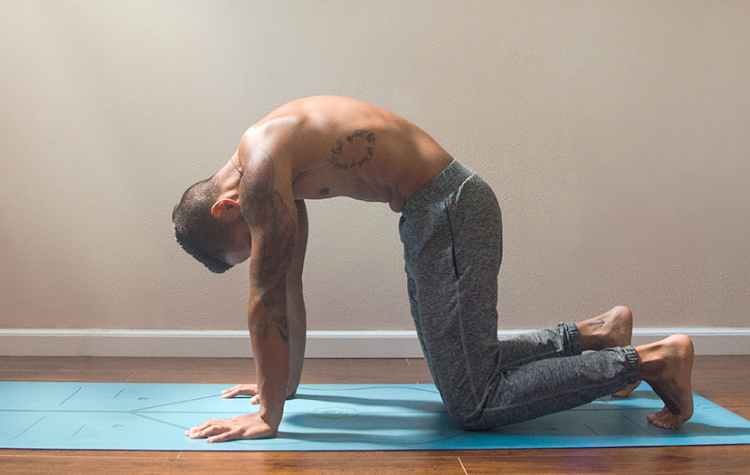
Proper form is crucial in Cat-Cow Pose (Marjaryasana-Bitilasana) for maximizing its benefits and minimizing the risk of injury. Visualizing the ideal posture and understanding how to identify and correct alignment errors are essential components of a safe and effective practice. This section will guide you through visualizing the correct spinal curvature and provide tools for maintaining proper alignment during the pose.Accurate visualization and mindful execution of Cat-Cow Pose are paramount for reaping the full benefits of the asana.
By understanding the nuances of spinal movement and alignment, practitioners can avoid potential injuries and develop a deeper connection with their bodies. The subsequent sections will detail visual aids and practical strategies to ensure proper form.
Illustrations of Cat-Cow Pose Stages
Accurate visualization of the pose is facilitated by understanding the different stages. Illustrations are valuable tools for learning and refining your technique. These illustrations, while not directly displayed here, would depict the following:
- Starting Position (Marjaryasana): The spine is rounded, similar to a gentle arch. The shoulder blades are drawn together, and the chest is open. The gaze is directed slightly forward or downward. The hands are placed firmly on the floor.
- Transition to Cow Pose (Bitilasana): The spine begins to lengthen and curve upward, creating a convex shape. The chest expands, and the shoulders roll away from the ears. The gaze is directed upward, with the eyes looking slightly ahead.
- The Cow Pose (Bitilasana): The spine is fully arched in a gentle curve, with the tailbone tilting slightly upward. The abdominal muscles are engaged, but not tense. The shoulders are relaxed and away from the ears.
- Transition back to Cat Pose (Marjaryasana): The spine begins to round, mirroring the movements of the previous transition. The head is slightly tucked in and the shoulders are drawn toward the ears.
- The Cat Pose (Marjaryasana): The spine is rounded into a gentle curve, like a backward arch. The tailbone tilts downward, and the abdominal muscles are engaged. The gaze is directed slightly forward or downward.
Visual Cues for Spinal Curvature
Visual cues can be invaluable in maintaining the correct spinal curvature during Cat-Cow. These cues help develop a kinesthetic sense of the movements.
- Imagine a string pulling the crown of your head upward: This visual cue helps to lengthen the spine and maintain an upright posture, preventing the neck from rounding excessively during the cow pose.
- Visualize your tailbone as a pendulum swinging: This helps to understand the subtle movement of the pelvis and how it influences the spine. It also ensures the spine maintains its natural curves.
- Visualize the shoulder blades as wings: Keeping the shoulder blades down and away from the ears helps maintain the natural curvature of the spine and prevents unnecessary tension in the neck and shoulders.
Different Spinal Curves and Their Relation to Cat-Cow
The spine naturally has three curves (cervical, thoracic, and lumbar). Understanding these curves is crucial to maintaining proper form in Cat-Cow.
| Spinal Curve | Normal Curvature | Relationship to Cat-Cow |
|---|---|---|
| Cervical | Inward curve | Should maintain this natural curve, avoiding excessive extension or rounding. |
| Thoracic | Outward curve | This curve should be emphasized during the cow pose, maintaining its natural rhythm. |
| Lumbar | Inward curve | Should be maintained in both the cat and cow poses, avoiding flattening or excessive rounding. |
Spotting and Correcting Alignment Errors
Practicing self-awareness is critical in identifying and correcting alignment errors.
- Excessive rounding in the lower back during the cow pose: This often occurs when the abdominal muscles are not engaged enough. Engage the core and ensure the lower back maintains its natural curve.
- Neck strain during the cat pose: This happens when the chin is tucked too deeply. Keep the neck relaxed and aligned with the spine, looking slightly forward or downward.
- Uneven weight distribution: Uneven weight distribution can cause the hips to tilt, affecting the natural spinal curves. Ensure both sides of the body are engaged equally.
Importance of Awareness and Mindfulness
Mindfulness in Cat-Cow is vital for developing a deep connection with your body and optimizing the stretch.
- Focusing on the breath: Allowing the breath to guide the movement helps deepen the stretch and create a smoother transition between poses.
- Acknowledging sensations: Pay attention to any sensations in the spine, shoulders, or other areas. This promotes body awareness and helps you identify any discomfort or strain.
Exploring the Pose’s Benefits and Cautions
Deepening your stretches in Cat-Cow (Marjaryasana-Bitilasana) can unlock a wealth of benefits for your physical and mental well-being. However, it’s crucial to understand the potential risks and listen to your body to avoid injury. This section will explore the advantages and cautions associated with this practice, empowering you to safely and effectively integrate it into your routine.Understanding the potential benefits and risks allows for a more mindful and effective practice.
A balanced approach, combining mindful stretching with awareness of your limitations, is key to maximizing the benefits and minimizing the risks of this practice.
Potential Benefits of Deepening Stretches
Deepening stretches in Cat-Cow can significantly improve posture by strengthening the back muscles and lengthening the spine. This enhanced flexibility can contribute to a more upright and balanced posture, reducing back pain and improving overall body alignment. Furthermore, improved flexibility promotes better blood flow to the muscles and joints, leading to increased energy levels and reduced muscle tension.
Regular practice can also contribute to a sense of calm and well-being, aiding stress reduction and promoting relaxation.
Potential Risks and Contraindications
While Cat-Cow is generally considered safe, certain individuals might experience discomfort or injury if they push beyond their limits. Pre-existing conditions like spinal injuries, herniated discs, or recent back surgeries may necessitate modifications or avoidance of the pose. Individuals experiencing acute back pain should consult with a healthcare professional before attempting deeper stretches in Cat-Cow. Proper guidance from a qualified yoga instructor can help to identify suitable modifications and prevent potential injuries.
Listening to Your Body and Avoiding Overexertion
It is essential to listen to your body’s signals during the practice. Sharp pain or discomfort should immediately signal a need to modify or stop the pose. Pay attention to subtle sensations, and if you feel any pinching, pulling, or radiating pain, adjust your posture or stop the stretch entirely. Avoid pushing past your comfort zone, as this can lead to injury.
Progressive deepening of the stretch should be done gradually over time, allowing your body to adapt and adjust.
Modifications and Avoidance
Modifications are crucial for individuals with specific needs or limitations. If you experience pain in your neck, shoulders, or hips, adjust your posture accordingly, or modify the pose entirely. For example, if you experience pain in your lower back, you might consider performing the pose with a slightly less pronounced arch or a gentle rounding of the spine.
If you experience significant discomfort, avoid the pose entirely. Always prioritize your well-being and consult with a healthcare professional or qualified yoga instructor if you have any concerns.
Potential Causes of Pain and Discomfort
Pain and discomfort during Cat-Cow can arise from various factors. Poor alignment, improper sequencing, or rushing through the movements can strain the muscles and joints. Inadequate warm-up before the stretch can also increase the risk of injury. Furthermore, holding the pose for too long or pushing beyond your current flexibility can lead to pain. Underlying medical conditions, such as arthritis or spinal stenosis, may also contribute to discomfort during the practice.
If pain persists, seek guidance from a qualified professional to address the root cause.
Last Recap
In conclusion, this guide provides a comprehensive roadmap for deepening your stretch in Cat-Cow Pose, equipping you with the knowledge and techniques to enhance your flexibility, spinal health, and overall well-being. Remember to practice with mindfulness, listen to your body, and gradually progress through the various techniques and variations. By incorporating the insights and strategies presented, you can seamlessly integrate this fundamental yoga pose into your routine, unlocking a new level of spinal articulation and body awareness.