Embark on a journey to enhance your yoga practice with the versatile tools of yoga blocks. This comprehensive guide will illuminate the various ways these supportive props can transform your poses, from foundational adjustments to advanced techniques. Discover how to select the right block, position it effectively, and safely incorporate them into your routine.
This guide dives deep into the practical applications of yoga blocks. It explores how different block types, sizes, and placements cater to various needs and body types. You’ll gain insights into modifying poses for improved accessibility, deeper stretches, and optimal alignment.
Introduction to Yoga Blocks
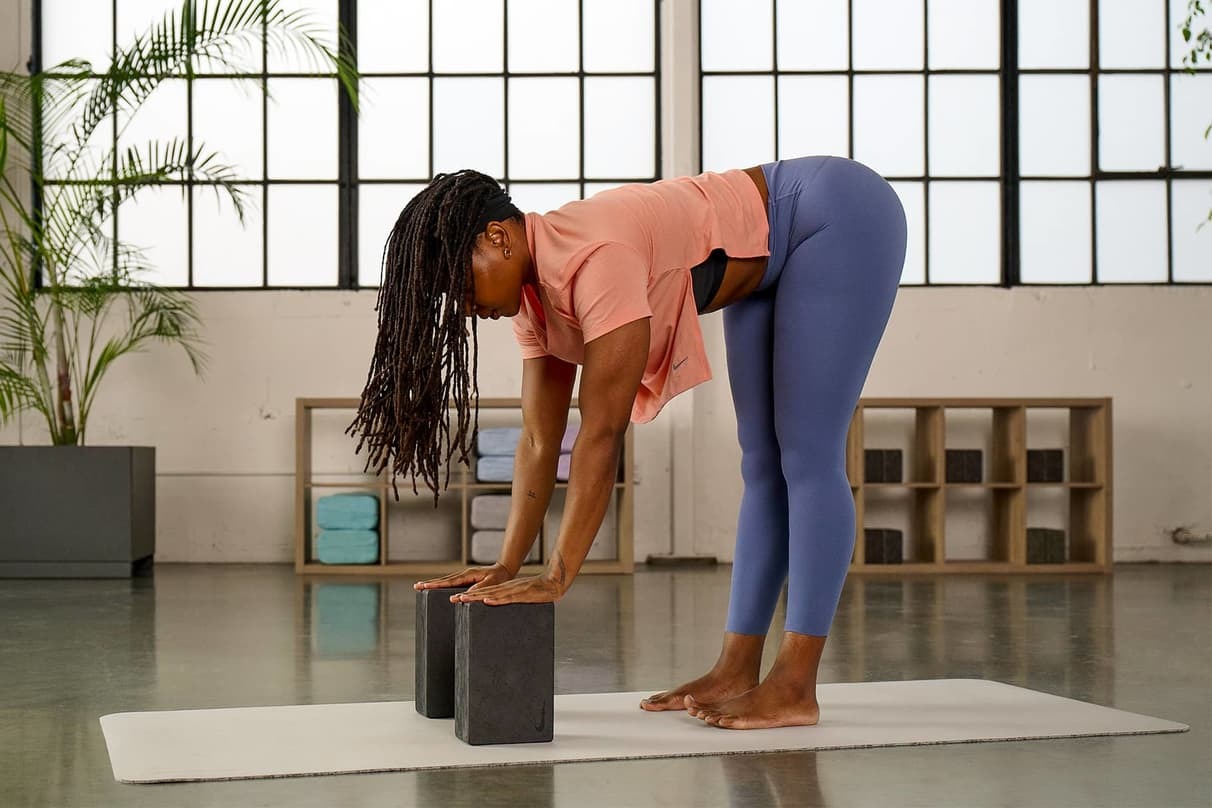
Yoga blocks are versatile tools that provide support and enhance alignment in yoga practice. They offer a way to modify poses, deepen stretches, and make them more accessible to practitioners of all levels and body types. They can be especially beneficial for those with limited flexibility, injuries, or physical limitations. By carefully selecting and positioning blocks, practitioners can tailor poses to their individual needs and achieve a greater sense of comfort and well-being.Blocks are simple, yet powerful props that can significantly improve the experience and outcomes of yoga practice.
They allow for greater precision and control, facilitating a deeper connection with the body and the breath.
Types of Yoga Blocks
Yoga blocks come in a variety of materials, each with its own unique characteristics. Understanding these differences can help practitioners choose the best block for their needs. Different materials affect the feel and support of the block during practice.
- Wooden Blocks: Often crafted from hardwood, wooden blocks provide a sturdy and stable support. Their dense nature provides a firm foundation for poses. They typically have a rectangular shape with a smooth surface, ensuring comfort and safety during use. The material provides a good grip and is relatively durable. Wooden blocks are known for their longevity, making them a popular choice for consistent use.
- Foam Blocks: Foam blocks are lightweight and easy to transport. Their softness provides a cushioning effect that can be particularly helpful for those with sensitive joints or who prefer a more yielding support. Foam blocks are usually more compact and portable than wooden blocks, making them ideal for travel or home use. They are also generally more affordable.
- Cork Blocks: Cork blocks offer a unique combination of firmness and flexibility. The natural material provides a supportive base while maintaining a certain degree of give. The porous nature of cork can contribute to a slightly softer feel than wooden blocks. The material is often biodegradable, making it an environmentally friendly choice for those who value sustainable practices.
Benefits of Using Yoga Blocks
Yoga blocks offer numerous benefits for various body types and needs. They can be instrumental in achieving a deeper stretch, improved posture, and a greater sense of comfort in practice.
- Increased Accessibility: Blocks allow practitioners to modify poses to accommodate physical limitations, injuries, or varying levels of flexibility. This makes yoga accessible to a wider range of people.
- Enhanced Alignment: By providing support and leverage, blocks help practitioners achieve proper alignment in poses, reducing the risk of injury and maximizing the benefits of the practice.
- Deepened Stretching: Blocks can extend the reach of a stretch, allowing practitioners to explore the full range of motion in a pose and deepen the stretch in targeted areas.
- Improved Posture: Using blocks can help to correct postural imbalances, improving stability and reducing strain on the spine and joints.
Yoga Block Usage Table
This table summarizes the different types of blocks, their material characteristics, and suitable poses:
| Block Type | Material | Benefits | Suitable Poses |
|---|---|---|---|
| Wooden | Hardwood | Sturdy, stable, durable | Warrior II, Triangle Pose, Downward-Facing Dog, Extended Side Angle |
| Foam | Foam | Lightweight, cushioning, affordable | Seated Forward Bend, Child’s Pose, Bridge Pose, Supported Backbends |
| Cork | Cork | Supportive, flexible, environmentally friendly | Standing Forward Fold, Pigeon Pose, Seated Meditation, Supported Twist |
Understanding Different Block Uses
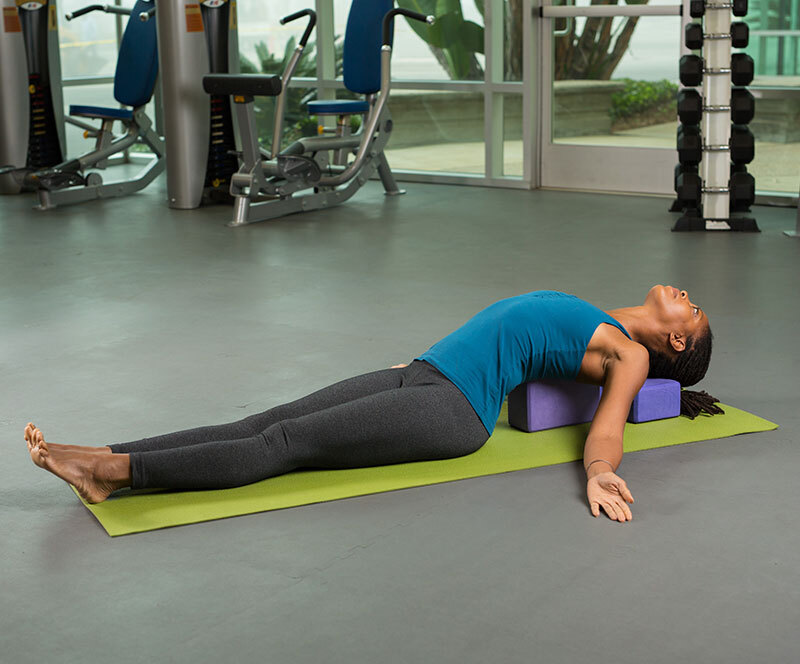
Yoga blocks are versatile tools that enhance your practice by modifying poses for greater accessibility and support. They allow you to achieve proper alignment, deepen stretches, and target specific areas of the body, such as wrists, hips, and shoulders, safely and effectively. By understanding the various ways blocks can be incorporated, you can tailor your practice to meet your individual needs and capabilities.Blocks can be used to elevate the hands, feet, or hips, creating a more supportive and comfortable position.
This is particularly beneficial for individuals with limited mobility, injuries, or those seeking a deeper stretch. They are a valuable asset for beginners and experienced practitioners alike, offering a means to adapt postures and gain a more profound understanding of their body mechanics.
Modifying Poses for Accessibility
Yoga blocks provide a supportive bridge between the practitioner and the pose. They allow adjustments for various physical limitations, making poses more accessible and comfortable. For example, in a forward fold, placing blocks beneath the hands can reduce strain on the wrists and lower back, enabling individuals with limited flexibility to still experience the benefits of the stretch.
Similarly, in seated poses, blocks can elevate the hips, creating a more upright and stable position for individuals with tight hamstrings or lower back issues.
Supporting Different Body Parts
Blocks offer targeted support for different body parts, facilitating proper alignment and minimizing discomfort. They can provide crucial support for wrists, enabling a more stable and pain-free practice in poses like downward-facing dog or forearm stand. For hips, blocks can help maintain proper alignment in poses such as warrior poses or seated twists. Elevated hips can also alleviate pressure on the knees and lower back.
In shoulder-opening poses, blocks provide a secure platform to rest the forearms, creating a deeper stretch and promoting stability.
Assisting in Achieving Proper Alignment
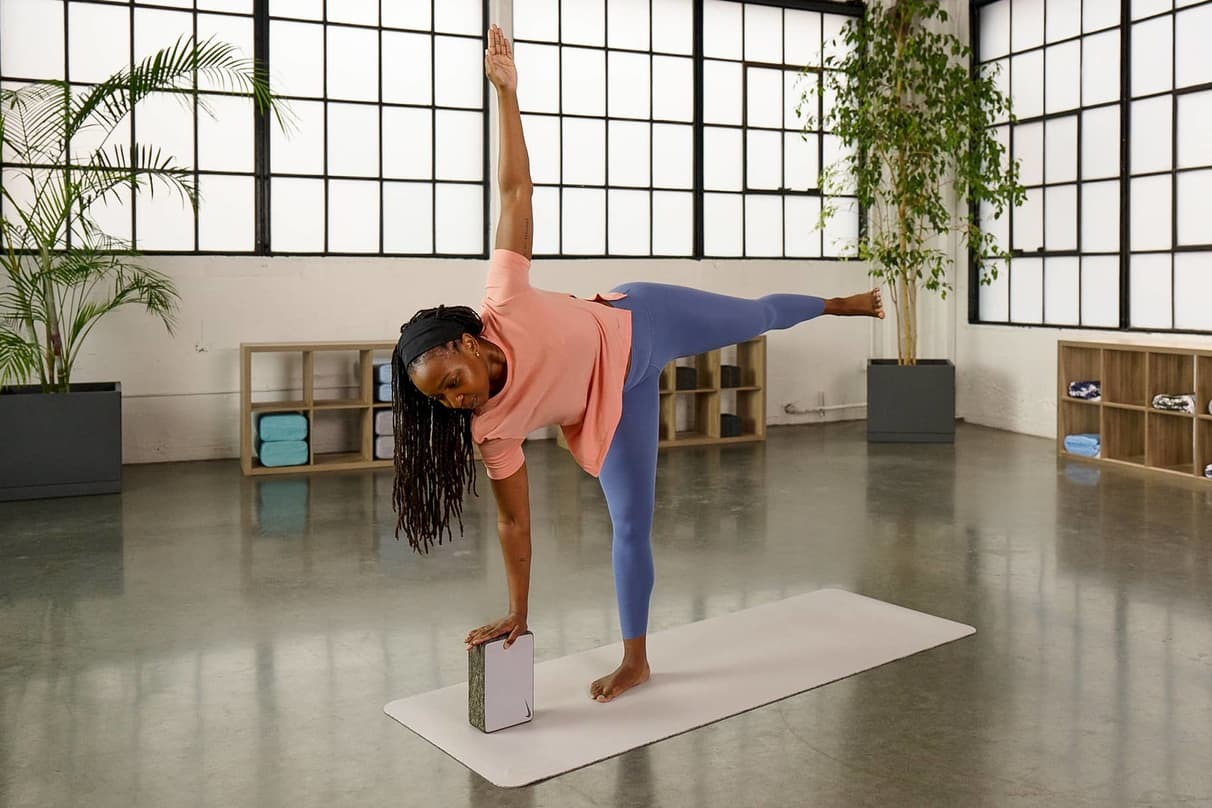
Blocks are essential tools for achieving proper alignment in yoga poses. By strategically placing blocks, you can ensure your body parts are in the correct position, promoting optimal benefits and minimizing the risk of injury. For instance, in triangle pose, placing a block beneath the hand on the lower side helps maintain a straight line from the standing leg to the extended arm, ensuring proper alignment of the spine and hips.
This precise alignment not only enhances the stretch but also promotes stability and prevents unnecessary strain.
Deepening Stretches
Blocks are instrumental in deepening stretches by increasing the range of motion. They provide a supportive platform to extend limbs further, enhancing the stretch in a safe and controlled manner. For instance, in a chest opener like a prayer pose with blocks between the palms, you can deepen the stretch by moving the blocks further away from the body.
This controlled progression allows you to experience the stretch without compromising proper alignment or risking injury.
Table: Poses with and without Blocks
| Pose | Without Blocks | With Blocks | Adjustment |
|---|---|---|---|
| Forward Fold | May strain wrists and lower back | Blocks under hands, providing wrist support | Reduces strain on wrists and back, increases comfort and accessibility |
| Triangle Pose | May lead to misalignment of spine and hips | Block under lower hand, for proper alignment | Maintains a straight line from the standing leg to the extended arm, ensuring alignment |
| Seated Spinal Twist | May strain the hips or back | Blocks under hips for support | Elevates hips for a more stable and comfortable twist, preventing strain on lower back and hips |
Common Yoga Poses and Block Applications
Yoga blocks are invaluable tools for enhancing the experience and safety of various poses. They offer support and adjustments, enabling practitioners to deepen their connection with the postures while mitigating potential strain or discomfort. By strategically incorporating blocks, practitioners can achieve a greater range of motion, improve alignment, and gain a deeper understanding of their body’s capabilities.
Seated Forward Bends
Blocks provide support for seated forward bends, such as Paschimottanasana, when the hamstrings are tight or the spine is inflexible. Placing blocks beneath the hips can elevate the pelvis, allowing the spine to lengthen and the chest to expand more fully during the forward fold. This helps to prevent rounding of the back and encourages a deeper stretch in the hamstrings without forcing the body into an unnatural position.
By carefully positioning the blocks, the practitioner can feel the stretch in the hamstrings and lower back while maintaining a neutral spine.
Standing Poses
Blocks are useful in standing poses like Warrior II to enhance alignment and balance. Placing a block on the inner thigh, for example, can provide support and stability for the leg, ensuring proper alignment and preventing the pelvis from tilting. This support is especially beneficial for individuals with limited mobility or those working on refining their balance and posture.
This allows for a deeper engagement of the muscles, leading to a more profound stretch and a stronger connection with the pose.
Block Applications in Various Poses
Understanding how to use blocks effectively across a range of poses can greatly enhance the practice. The following table Artikels five common poses and suggests how blocks can be incorporated to support and modify the postures:
| Pose | Block Application |
|---|---|
| Seated Forward Bend (Paschimottanasana) | Place blocks under the hips to elevate the pelvis, allowing for a deeper stretch in the hamstrings. |
| Warrior II | Place a block on the inner thigh of the supporting leg for stability and proper alignment. |
| Triangle Pose | Place a block on the outside of the extended arm to support the body’s weight, aiding in the stretch. |
| Tree Pose | Place a block on the inner thigh to stabilize the standing leg and maintain balance. |
| Downward-Facing Dog | Place blocks under the hands to adjust the height of the forearms for a more accessible stretch. |
Arm Balances
Blocks are helpful in arm balances like forearm stand. Using blocks can support the hands, enabling the practitioner to gradually build strength and stability before attempting the full arm balance. Positioning blocks beneath the shoulders or forearms can assist with proper alignment and minimize strain on the wrists and shoulders. This support allows the practitioner to focus on the core engagement and body alignment needed for the balance, promoting gradual progression.
Backbends
Blocks are also valuable in backbends such as Wheel Pose. Positioning blocks beneath the shoulders in a backbend can provide support and elevate the hips, allowing for a deeper opening of the chest and spine. This enables a gradual approach to the backbend, mitigating any strain on the lower back. This gradual support helps build the strength and flexibility required for the backbend while maintaining safety.
Block Selection and Placement
Choosing the right yoga block and placing it strategically is crucial for achieving optimal support and alignment in your practice. Proper block selection and placement minimizes strain on your body and maximizes the benefits of each pose. Consider the block’s size, material, and comfort when selecting it. Proper placement will also help you achieve the desired stretch or support without compromising your posture.
Factors to Consider When Choosing a Block
Selecting the appropriate yoga block involves careful consideration of several factors. The size of the block directly impacts the support it provides. A smaller block is suitable for delicate stretches, while a larger block offers more stability for deeper poses. Material choice also plays a significant role. Blocks made of sturdy, non-slip materials, such as cork or foam, are ideal for preventing slippage and ensuring secure support.
Consider your comfort level when selecting a block. A block that feels comfortable in your hand and against your body will encourage a more relaxed and mindful practice.
Importance of Proper Block Placement
Optimal block placement is essential for achieving the desired alignment and support in your yoga poses. Incorrect placement can lead to discomfort, misalignment, and potentially injury. Understanding the ideal placement for different poses is key to maximizing the benefits of using blocks. Positioning the block correctly will enhance your posture and support your body in the most effective manner.
Comparing Different Block Heights
Different block heights offer varying levels of support, influencing the depth and intensity of a pose. A lower block provides minimal elevation, suitable for subtle adjustments or preliminary support. A medium-height block offers a more substantial lift, beneficial for intermediate poses that require deeper stretches. A higher block is best for advanced poses, where greater elevation is needed to support your body weight or to facilitate deeper stretches.
Step-by-Step Procedure for Adjusting Block Position
Adjusting the block’s position in a pose involves a mindful and methodical approach. First, assess the desired support needed in the pose. Second, place the block strategically in relation to the body part needing support. Third, gently adjust the block’s position until you find a comfortable and supportive alignment. Fourth, maintain awareness of your body’s alignment while holding the pose.
Lastly, breathe deeply and maintain a steady posture.
Optimal Block Placement for Various Poses
This table Artikels optimal block placement for three common yoga poses, emphasizing support and alignment:
| Pose | Block Placement Description | Rationale |
|---|---|---|
| Downward-Facing Dog | Place a block under your hands, approximately shoulder-width apart, to elevate your hands for wrist support. The block height should be adjusted to accommodate your body’s needs. | Elevating your hands reduces wrist strain, promoting a neutral wrist position. |
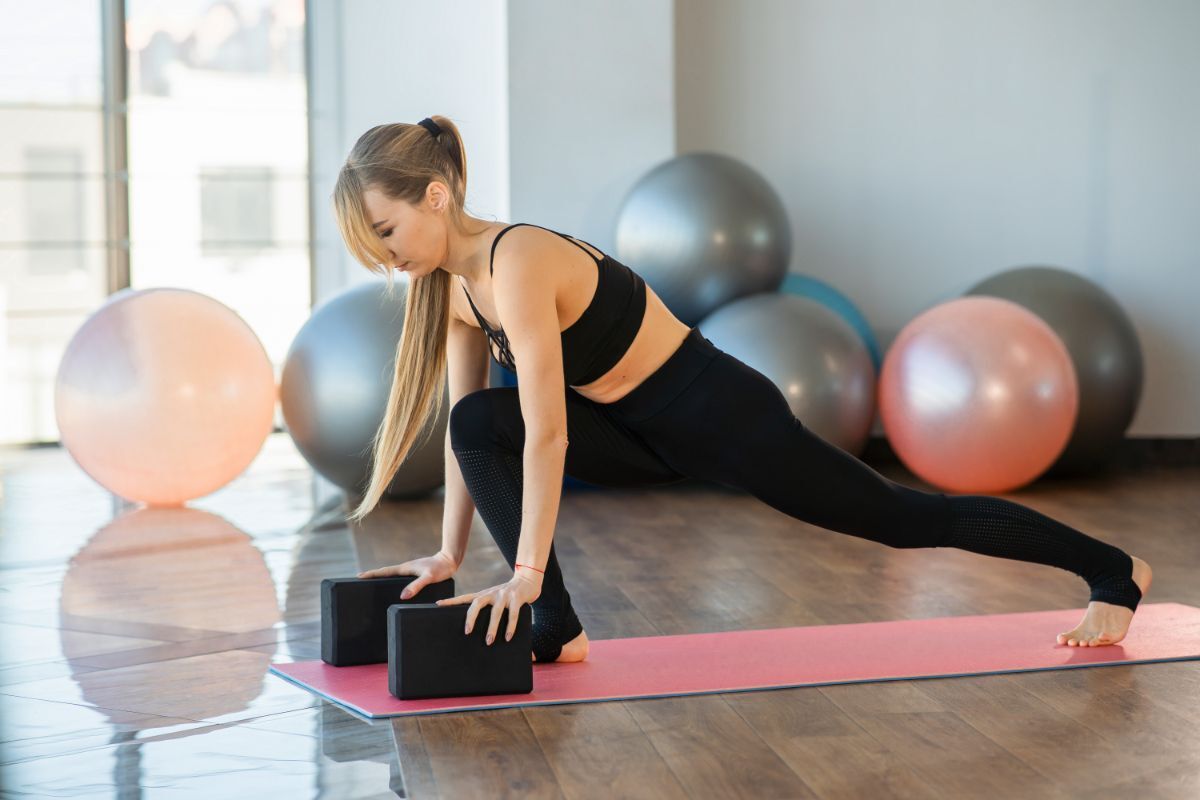
| Low Lunge | Place a block under your hands, positioned under your front thigh, to elevate your hips for a deeper stretch. The block height should correspond to the desired depth of the stretch. | Elevating your hips increases the stretch in the front of your hip and thigh. |
| Seated Forward Fold | Place a block under your thighs, to elevate your thighs for a more comfortable forward fold. The block height should match your hip flexibility. | Elevating the thighs allows for a deeper stretch in the hamstrings, reducing strain on the lower back. |
Safety Considerations
Proper use of yoga blocks is crucial for maximizing benefits and minimizing risks. Understanding potential hazards and implementing safe practices are essential for a positive and injury-free yoga experience. By recognizing common mistakes and employing appropriate precautions, you can enhance your safety and deepen your understanding of block usage.
Potential Risks of Improper Block Usage
Improper block placement can lead to a variety of injuries. These include, but are not limited to, strains, sprains, and joint pain. Insufficient support from blocks can cause imbalances, leading to falls or further discomfort. Incorrect block height can exacerbate existing injuries or cause new ones, particularly in the back, knees, or wrists. A lack of awareness of the block’s limitations and how to safely adjust during a pose can result in unnecessary pressure or strain on joints.
Safe Block Placement to Prevent Injuries
Ensuring proper block placement is vital for injury prevention. Carefully consider the position of the block in relation to your body’s alignment and the demands of the pose. A block that is too low or too high will not provide adequate support and may lead to injuries. Always ensure the block is stable and won’t shift during the pose.
For example, in a seated forward fold, a block placed too close to the hips may not offer sufficient support for the spine, while a block positioned too far away may cause discomfort in the knees.
Common Mistakes to Avoid When Using Blocks
Several common mistakes can compromise safety and effectiveness when using yoga blocks. Forgetting to check the stability of the block before engaging a pose is a significant error. Another is using blocks without understanding the pose’s requirements, leading to inappropriate support and potentially harmful pressure on joints. Furthermore, attempting to force a pose into a block-supported position without considering proper alignment can lead to injury.
Incorrect block height, leading to uneven weight distribution, is another crucial error. For instance, if a block is placed too low in a warrior pose, it can cause strain on the knee joints, while a block positioned too high may hinder the ability to fully engage the pose.
Adjusting Block Position During a Pose
Adapting the block position during a pose is a necessary skill. Be mindful of how your body responds to the block’s support. If you experience discomfort, adjust the block’s height or position accordingly. For example, in a low lunge, you may need to reposition the block for your front knee, especially as you deepen the stretch. Listen to your body and make necessary adjustments throughout the pose to maintain safety and comfort.
Precautions When Using Yoga Blocks
- Always ensure the surface the block is placed on is stable and free from any obstacles that could cause it to shift.
- Assess your body’s needs and adjust the block’s height or position to provide adequate support without compromising alignment or creating unnecessary pressure.
- Never force a pose into a supported position. If you feel strain or discomfort, stop and adjust the block’s placement.
- Ensure that you understand the specific pose and the way it interacts with the block to avoid potential injuries.
- Check the block’s stability before engaging the pose. Ensure it is firmly placed on the floor and won’t move during the exercise.
Illustrative Examples of Potential Injuries
| Potential Injury | Description | Example |
|---|---|---|
| Wrist Strain | Overuse or incorrect positioning of the hands on blocks can lead to wrist strain. | Holding a supported handstand with blocks too close to the body can cause undue wrist pressure. |
| Knee Pain | Improper block height in poses like low lunge can put undue stress on the knees. | Incorrect block height in a low lunge can force the knee beyond its natural range of motion, leading to pain. |
| Back Strain | Blocks that are too low or too high can lead to an unnatural curvature of the spine, causing back pain. | Using a block in a backbend without adjusting its height can lead to strain on the lower back. |
Illustrative Examples
Yoga blocks offer versatile support, enhancing the benefits and safety of various poses. By strategically placing blocks, practitioners can deepen stretches, improve alignment, and modify postures to suit their individual needs and limitations. This section provides illustrative examples of how yoga blocks can be used in different poses.
Seated Forward Bend with a Block
This variation of the seated forward bend utilizes a block to support the forehead or chest, alleviating strain on the neck and upper back. A block placed under the forehead or chest allows for a deeper stretch in the hamstrings and back while maintaining a comfortable posture. Proper placement is key. Positioning the block at the appropriate height enables the spine to maintain a natural curve, reducing stress on the lumbar region.
Warrior II Pose with a Block
Utilizing a block in Warrior II pose can offer support for the extended arm, improving stability and allowing for a more focused stretch in the hips and thighs. By placing the block on the inner thigh, the practitioner can maintain a straight line from the knee to the ankle, promoting correct alignment. This ensures the integrity of the pose, reducing the risk of injury.
Supported Backbend with a Block
A block placed under the chest during a supported backbend helps to gently open the chest and shoulders, reducing the strain on the spine. The block’s support allows for a deeper backbend while maintaining a safe and controlled range of motion. This modification is particularly beneficial for those with limited flexibility or who are new to backbending.
Handstands with Blocks
Blocks can be invaluable aids in handstand practice. They offer support and stability, aiding in the development of strength and balance. Blocks placed strategically near the hands provide a stable platform for the feet, assisting in maintaining a balanced handstand position. This is particularly helpful in the initial stages of learning the handstand.
Restorative Pose Using Blocks: Supported Reclined Butterfly
This restorative pose utilizes blocks to support the knees and spine, promoting deep relaxation and releasing tension in the hips and lower back.
- Step 1: Begin by sitting on the floor with the soles of the feet together. Place a block under each knee for support.
- Step 2: Lie back on your back, allowing your knees to fall open. If your hips are feeling tight, place another block under your hips for extra support.
- Step 3: Extend your arms out to your sides, palms facing up. Allow your body to completely relax and release tension in the shoulders and neck.
- Step 4: Close your eyes and focus on your breath. Stay in this pose for 5-10 minutes, allowing yourself to deeply relax and unwind.
Advanced Applications
Yoga blocks, beyond basic support, offer sophisticated applications in more challenging poses. Their versatility extends to advanced postures, allowing practitioners to deepen their practice while maintaining safety and proper alignment. This section explores the use of blocks in inversion poses, arm balances, backbends, restorative practices, and spinal mobility, catering to different body types.Advanced practitioners can utilize blocks to enhance their practice and explore more challenging postures.
This section explores how blocks can be utilized in various ways to augment the benefits of different poses.
Advanced Inversion Poses
Blocks play a critical role in inversion poses like headstand and shoulder stand. They can be used to adjust the body’s positioning for optimal support and alignment. This allows for a more controlled and safer practice, enabling practitioners to experience the full benefits of the pose without the risk of injury. Using blocks allows for gradual progression into more advanced variations of inversion poses.
- Headstand (Salamba Sirsasana): Blocks positioned under the shoulders or hips can adjust the body’s alignment, enabling a more stable and comfortable headstand. This can be especially helpful for those with shorter torsos or those who are new to headstands, allowing for gradual progression into more challenging variations.
- Shoulder Stand (Sarvangasana): Blocks placed under the hips in shoulder stand can provide support and alleviate strain on the neck and shoulders. This can be particularly helpful for individuals with tight shoulders or those seeking a more restorative experience in the pose.
Arm Balances and Backbends
Blocks can be strategically positioned to assist in arm balances and backbends, offering support and stability. By using blocks as leverage points, practitioners can engage their core muscles more effectively, increasing the effectiveness of the pose while promoting proper alignment.
- Arm Balances (e.g., Forearm Stand): Blocks placed strategically beneath the hands in forearm stand can provide a stable platform for the hands, enhancing the balance and engagement of the core. This gradual progression can be used to ensure proper alignment and reduce strain on the wrists and shoulders.
- Backbends (e.g., Wheel Pose): Blocks can support the hands and wrists in backbends like Wheel Pose, offering a controlled and safe entry point for those new to this posture. This support allows practitioners to focus on the proper alignment of the spine and hips.
Restorative Poses and Relaxation
Blocks can be instrumental in restorative poses, facilitating relaxation and releasing tension. The gentle support provided by blocks allows practitioners to deepen the stretch in the muscles, promoting relaxation and recovery. This can be particularly beneficial for those with limited flexibility or those seeking a gentler approach to yoga.
- Supported Reclined Spinal Twist: Blocks placed under the knees in a reclined spinal twist provide a gentle support, allowing the practitioner to relax deeper into the stretch. This gentle support can facilitate the release of tension in the lower back and hips.
- Supported Savasana: Blocks positioned under the knees or head in Savasana (corpse pose) can provide extra support, promoting a more comfortable and restful experience. This support can help those with postural issues or physical limitations achieve a deeper state of relaxation.
Spinal Mobility
Blocks can be utilized to support and enhance spinal mobility in various poses. This support allows for a more focused stretch of the spinal muscles, promoting flexibility and range of motion.
- Forward Folds: Blocks placed under the hands in forward folds can help lengthen the spine, improving spinal flexibility. This is especially helpful for those with tight hamstrings or limited flexibility.
- Seated Spinal Twists: Blocks positioned behind the knees in seated spinal twists can provide support and enhance the stretch on the spine, promoting spinal mobility.
Block Selection and Placement for Different Body Types
The choice and placement of blocks can be adapted to individual body types. Tall individuals may require taller blocks, while shorter individuals may find that standard-sized blocks are suitable. Flexibility and stiffness also influence the optimal block placement.
| Body Type | Block Considerations |
|---|---|
| Tall | Use taller blocks to maintain alignment in poses like forward folds or inversions. |
| Short | Standard blocks are often sufficient. |
| Flexible | Blocks can be used to deepen stretches. |
| Stiff | Blocks can support alignment and provide support to increase range of motion. |
Last Recap
In conclusion, yoga blocks offer a powerful tool for enhancing your yoga practice. This guide has provided a thorough overview of their usage, from basic applications to advanced techniques. By understanding the different types of blocks, their optimal placement, and the specific benefits for different poses, you can confidently integrate them into your routine and experience a more supportive, effective, and enjoyable yoga practice.