Finding the right yoga teacher is a crucial step towards a fulfilling and effective yoga practice. This guide provides a comprehensive framework for identifying a teacher who aligns with your individual needs and goals. It explores various aspects, from understanding your personal preferences to evaluating the class environment and making an informed decision.
This journey begins with self-reflection, understanding different yoga styles and your aspirations for your practice. It then progresses through researching potential teachers, assessing their qualities, evaluating the class environment, and ultimately making a confident choice. Ultimately, this guide empowers you to find a yoga teacher that supports your personal growth and well-being.
Understanding Your Needs and Goals
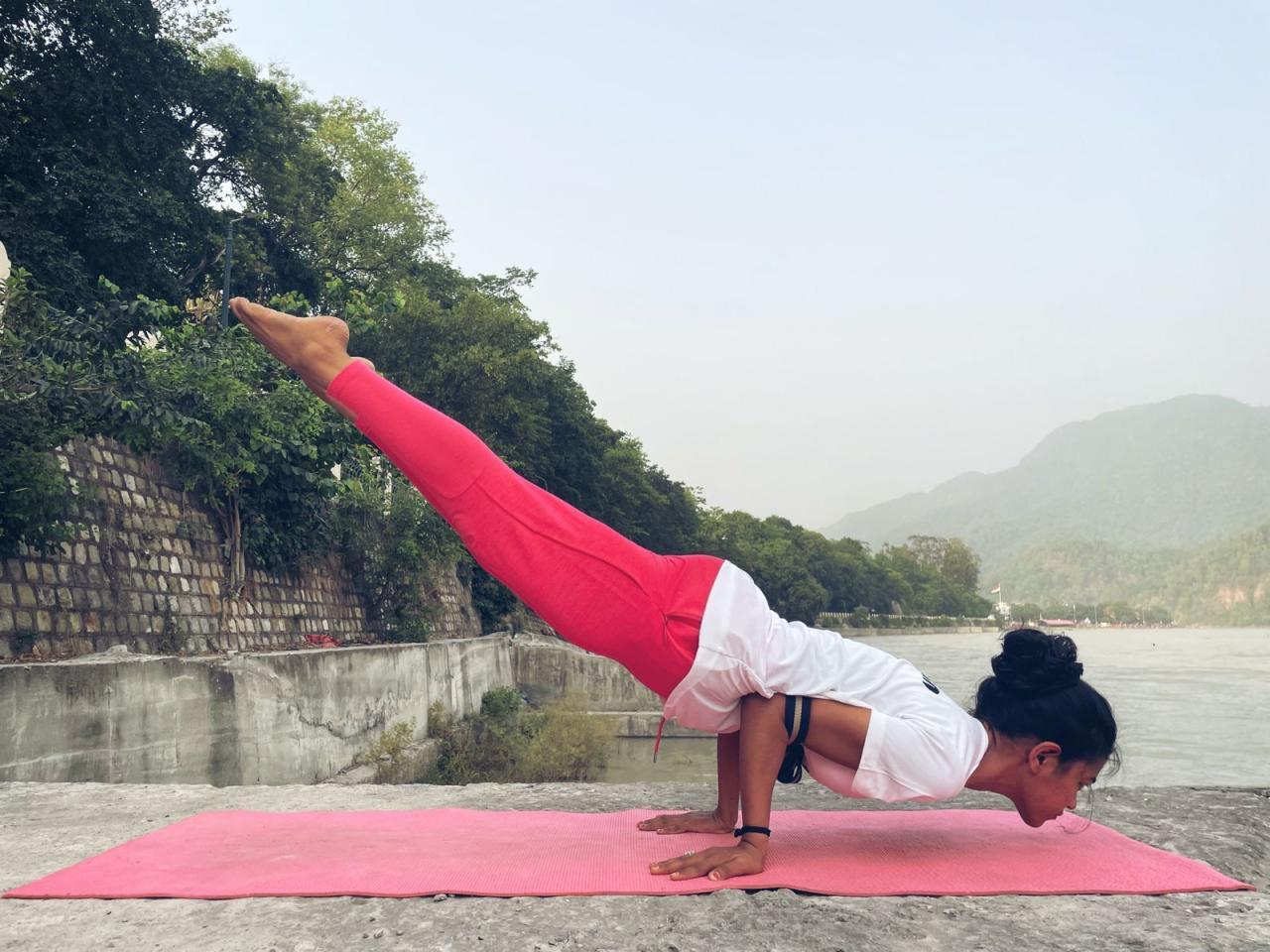
Finding the right yoga teacher requires a clear understanding of your personal needs and goals. This involves recognizing the various yoga styles and their characteristics, defining your desired outcomes, and identifying your personal preferences. By understanding these elements, you can effectively communicate your expectations to a yoga instructor, leading to a more fulfilling and productive yoga practice.Yoga offers a diverse range of styles, each with unique characteristics that cater to different needs and preferences.
This understanding is crucial in selecting a suitable practice.
Yoga Styles and Their Characteristics
Various yoga styles cater to different needs and goals. Understanding these styles helps in choosing a practice that resonates with your preferences. Hatha yoga, for instance, emphasizes foundational postures and breathing techniques, suitable for beginners seeking a gentle introduction to the practice. Vinyasa yoga, on the other hand, blends postures with flowing transitions, creating a dynamic and energizing experience. Yin yoga, a slower-paced style, focuses on holding poses for extended periods, targeting deep connective tissues.
Each style fosters different physical and mental benefits.
Yoga Goals and Their Benefits
Yoga can be used to achieve a multitude of personal goals. These goals often influence the choice of style and teacher. Some common yoga goals include improved flexibility, increased strength, stress relief, and mindfulness. Identifying your specific goals will help you find a practice that effectively addresses your needs.
Identifying Your Personal Yoga Needs and Preferences
To determine the ideal yoga style and goals, self-reflection is key. Consider your current physical abilities, experience level, and personal preferences. Think about the desired outcomes of your yoga practice. Are you seeking flexibility, strength, stress relief, or mindfulness? Consider what kind of atmosphere and instruction style best suits your personality and learning style.
Questionnaire to Determine Ideal Yoga Style and Goals
This questionnaire is designed to assist you in identifying your personal needs and preferences for a yoga practice. Answering these questions honestly will help you choose the best yoga style and teacher.
| Question | Possible Answers |
|---|---|
| What is your current physical condition? | Beginner, Intermediate, Advanced |
| What are your primary yoga goals? | Flexibility, Strength, Stress Relief, Mindfulness, Others (please specify) |
| What is your experience level with yoga? | Beginner, Intermediate, Advanced |
| What is your preferred pace of practice? | Slow and Steady, Dynamic and Flowing, Others (please specify) |
| What kind of atmosphere do you prefer? | Quiet and Reflective, Energetic and Engaging, Others (please specify) |
| What is your desired outcome from your yoga practice? | Improved Posture, Increased Energy Levels, Anxiety Management, Others (please specify) |
Examples of Specific Yoga Goals
Specific examples of yoga goals can help clarify your intentions. Improving posture, increasing energy levels, and managing anxiety are common goals achievable through consistent yoga practice. For instance, a person seeking to improve posture might benefit from Hatha or restorative yoga. An individual aiming to boost energy levels could find Vinyasa or Power yoga more suitable. Someone seeking to manage anxiety might find Yin or mindfulness-based yoga beneficial.
These examples highlight the diverse applications of yoga.
Researching Potential Teachers
Finding the right yoga teacher is a crucial step in your yoga journey. A qualified and supportive instructor can significantly enhance your practice and help you achieve your goals. Thorough research and careful consideration are key to making an informed decision.Understanding your needs and goals, as discussed previously, will guide your search. By knowing what you want to gain from your practice, you can identify a teacher whose style and philosophy align with your aspirations.
This process is more than just choosing a name; it’s about selecting a mentor who will inspire and support you on your path.
Methods for Finding Yoga Teachers
Various methods can help you locate qualified yoga teachers in your area. Local community centers, health clubs, and studios often host classes taught by experienced instructors. Networking with friends and acquaintances who practice yoga can also lead you to recommendable teachers. Online directories and social media platforms are valuable tools for expanding your search beyond your immediate circle.
Online Resources for Finding Yoga Teachers
Numerous online resources provide comprehensive listings of yoga teachers and studios. Websites specializing in yoga directories offer searchable databases, allowing you to filter by location, style, and experience. Social media platforms, such as Facebook groups or Instagram accounts dedicated to yoga, can connect you with local teachers and their class schedules. These platforms often feature testimonials and reviews, providing valuable insights into the teacher’s style and approach.
Evaluating Teacher Qualifications and Experience
Evaluating a teacher’s qualifications and experience is essential for ensuring a safe and effective practice. Look for certifications from reputable yoga organizations. Consider the teacher’s years of experience and any specialized training in areas like anatomy, physiology, or specific styles of yoga. A teacher with demonstrable experience in working with diverse students can be beneficial. Seek out teachers who have completed advanced training or certifications in specialized areas like prenatal or therapeutic yoga.
Factors to Consider When Choosing a Teacher
Choosing a yoga teacher involves more than just qualifications. Consider the teacher’s teaching style and how it aligns with your learning preferences. Do you prefer a structured, dynamic class or a more gentle, restorative session? A teacher’s philosophy and approach to yoga also matter. Do their values resonate with your own?
Ultimately, the teacher-student connection is vital. A warm, supportive, and encouraging personality can create a positive learning environment.
Comparing and Contrasting Teaching Styles
Different teaching styles cater to various needs and preferences. A traditional Hatha yoga class often focuses on alignment and foundational postures. Vinyasa flow sequences emphasize fluidity and dynamic movement. Restorative yoga promotes relaxation and stress reduction. Yin yoga targets deep connective tissues.
Consider your personal goals and preferences when selecting a teaching style that suits you. A teacher who blends different styles might also be a suitable option.
Assessing Teacher Qualities

Choosing the right yoga teacher is crucial for a positive and enriching experience. Beyond understanding your needs and researching potential teachers, carefully assessing their qualities is essential to ensure a suitable match. This process involves evaluating teaching style, communication, and key personal attributes that contribute to a supportive and effective learning environment.A successful yoga teacher cultivates a learning environment that resonates with each student.
This requires a nuanced understanding of individual needs and a dedication to creating a safe and inclusive space for practice. The ability to tailor instruction to different skill levels and preferences is a hallmark of effective teaching. Moreover, a teacher’s personal qualities significantly impact the learning experience.
Evaluating Teaching Style and Approach
A teacher’s approach to instruction significantly impacts the learning experience. Consider how the teacher demonstrates knowledge of the poses and principles of yoga. Does the teacher provide clear explanations, and does their approach allow for adjustments and modifications to suit various physical abilities and needs? Observation of the teacher’s method will reveal the style and philosophy they emphasize, whether it is a more restorative, vigorous, or holistic approach.
Assessing the teacher’s knowledge and methodology allows for alignment with your own learning preferences.
Importance of Communication and Interaction
Effective communication is paramount in a yoga class. Observe how the teacher interacts with students, providing encouragement, guidance, and personalized feedback. A teacher who actively listens and responds to students’ needs fosters a supportive and engaging learning environment. A teacher who communicates clearly and respectfully creates a positive and comfortable atmosphere. Consider the teacher’s ability to convey information effectively and patiently, ensuring clarity and understanding for all students.
Identifying Key Qualities in a Yoga Teacher
A good yoga teacher possesses a range of valuable qualities. Patience is essential for accommodating different learning styles and abilities. Empathy allows the teacher to connect with students on a deeper level, fostering a sense of community and understanding. Clarity in instruction is vital for students to grasp the concepts and techniques. A well-organized presentation and thoughtful explanations facilitate a comprehensive learning experience.
Look for teachers who demonstrate these qualities.
Checklist for Evaluating Teacher Suitability
- Clarity of Instruction: Does the teacher explain poses and concepts clearly?
- Patience and Adaptability: Does the teacher accommodate diverse needs and learning styles?
- Empathy and Support: Does the teacher create a supportive and inclusive environment?
- Appropriate Modifications: Does the teacher provide modifications and adjustments for different skill levels?
- Safety and Awareness: Does the teacher prioritize safety and encourage mindful practice?
A well-structured checklist, such as the one above, assists in identifying crucial aspects of a yoga teacher’s approach. This approach allows for a more objective evaluation process, ensuring a better match between the teacher and the student’s needs.
Questions to Ask During an Introductory Meeting
- Teaching Style: “Can you describe your teaching style and the philosophy of yoga that you emphasize?”
- Experience and Qualifications: “What is your background and experience in yoga, and what certifications do you hold?”
- Class Structure: “Can you provide details on the typical class structure, including warm-ups, poses, and cool-downs?”
- Student Interaction: “How do you interact with students, and what strategies do you use to ensure their safety and well-being?”
- Modifications and Adjustments: “How do you address different skill levels and physical limitations during class?”
These questions can help students gauge the teacher’s suitability and ensure a productive learning environment. Preparing these questions beforehand helps structure the interaction and allows students to gain insights into the teacher’s approach and philosophy.
Evaluating the Class Environment
Choosing the right yoga class extends beyond the teacher’s qualifications and your personal goals. A supportive and engaging environment plays a crucial role in your overall experience and the effectiveness of your practice. Consider the physical space, the energy of the class, and the structure of the session when evaluating potential classes.Understanding the nuances of the class environment allows you to identify a space where you feel comfortable, motivated, and empowered to progress in your practice.
This evaluation process is essential for a positive and productive yoga experience.
Different Yoga Class Environments
Various settings cater to different preferences. Studios provide a dedicated space with specialized equipment and often a structured atmosphere. Park classes offer a refreshing connection with nature, while online classes provide flexibility and accessibility. Each environment has its unique characteristics, impacting the overall class experience.
Assessing Class Atmosphere and Energy
The atmosphere of a yoga class significantly influences your practice. Observe the energy level of the students and the teacher’s approach. A positive and encouraging atmosphere fosters a sense of community and motivates participants. A harmonious and respectful environment promotes a safe space for all participants.
Evaluating Class Structure and Sequencing
The structure and sequencing of the class directly impact the flow and effectiveness of your practice. Note how the teacher guides the class through various poses, transitions, and breathwork techniques. A well-structured class often provides clear instructions and appropriate transitions between poses, ensuring a smooth progression. Pay attention to the sequencing and transitions; they should feel logical and beneficial to your body.
Importance of Class Size and Student Interaction
Class size impacts the level of individual attention you receive. Smaller classes allow for more personalized instruction, while larger classes may focus on broader guidance. Observe how the teacher manages the class and interacts with students. Look for a balance between individual attention and a sense of community. A supportive teacher encourages interaction while maintaining a safe and encouraging space for all students.
Identifying a Comfortable and Supportive Environment
A comfortable and supportive environment is essential for a positive yoga experience. Look for a space where you feel welcomed, respected, and encouraged to progress at your own pace. The teacher’s communication style and the overall atmosphere of the class should foster a sense of community and safety. Ultimately, a comfortable environment allows you to fully immerse yourself in your practice without feeling intimidated or judged.
Making Your Decision
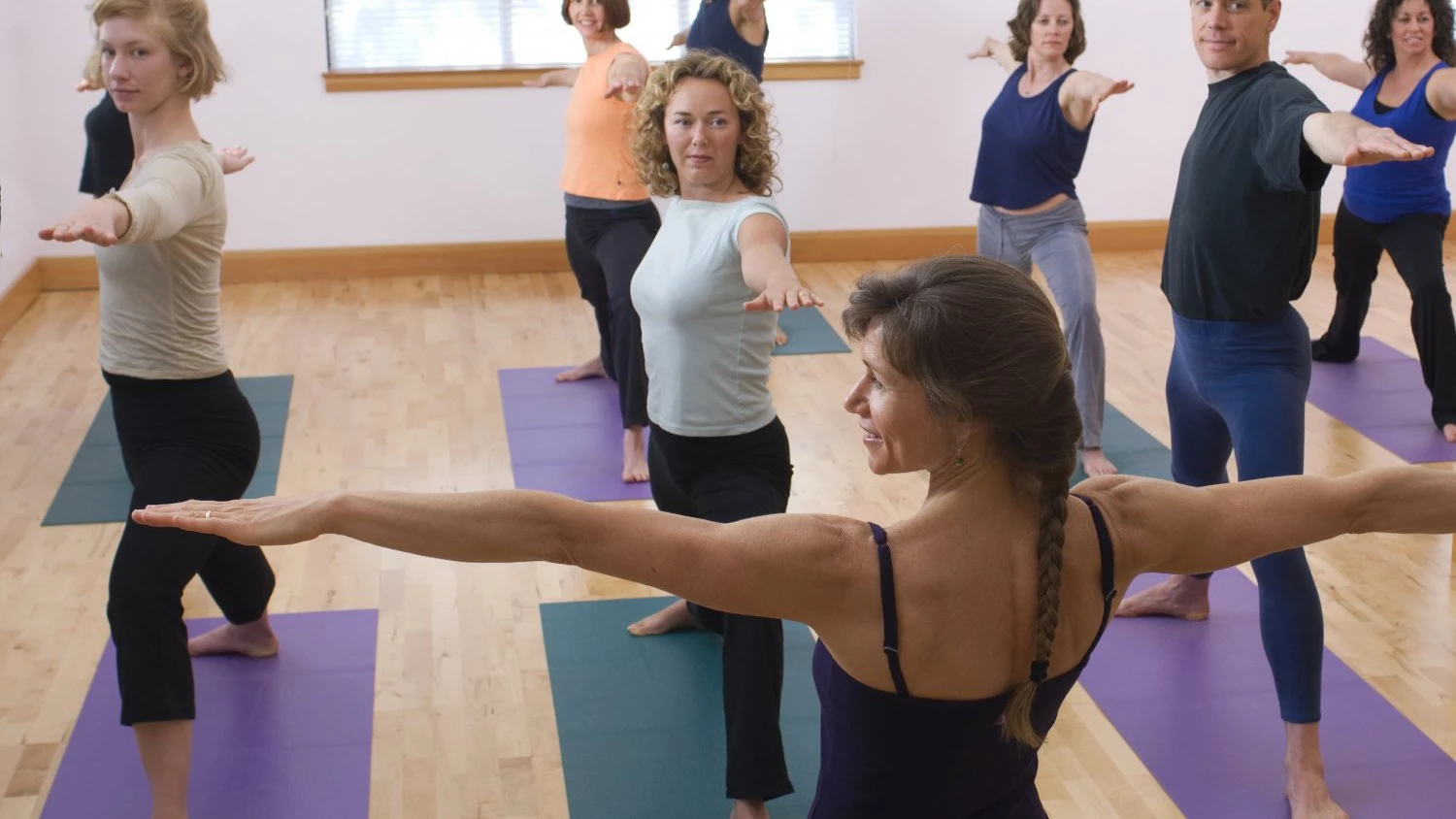
Choosing the right yoga teacher is a crucial step in your yoga journey. It’s about finding a teacher whose style, experience, and approach resonate with your individual needs and goals. This process involves careful consideration and a systematic approach to evaluate potential teachers.A well-structured evaluation process empowers you to make a confident and informed decision, leading to a more fulfilling and effective yoga practice.
This section Artikels the steps involved in making this important choice, emphasizing the significance of aligning your expectations with the characteristics of various instructors.
Considering Multiple Teachers
Evaluating multiple teachers allows for a more comprehensive comparison. Consider the different styles, approaches, and teaching philosophies offered. This multifaceted perspective helps you identify the teacher whose approach most closely aligns with your personal needs.
Ranking and Comparing Potential Teachers
Creating a system to rank and compare potential teachers is essential. A simple table can be a useful tool for this purpose. This structured method facilitates an objective evaluation, allowing you to compare instructors based on key criteria. Prioritize factors like experience, teaching style, class environment, and personal connection.
| Criteria | Teacher A | Teacher B | Teacher C |
|---|---|---|---|
| Experience (Years) | 5 | 8 | 3 |
| Teaching Style | Energetic, fast-paced | Relaxing, supportive | Detailed, anatomical focus |
| Class Environment | Friendly, encouraging | Quiet, meditative | Challenging, encouraging progression |
| Personal Connection | High | Medium | Low |
| Overall Rating | 4/5 | 4.5/5 | 3.5/5 |
Making a Confident and Informed Decision
Consider your initial impressions, the feedback from others, and the specific needs and goals you Artikeld. Combine these elements to form a clear and comprehensive picture of each teacher’s suitability. By systematically evaluating multiple teachers, you can make a well-informed choice that aligns with your individual needs and aspirations.
Handling Concerns and Doubts
It’s natural to have concerns or doubts when considering a new yoga teacher. Acknowledge these feelings. If concerns persist, seek additional information or speak with the teacher directly. Communicating your concerns can help you feel more comfortable and confident in your decision.
Questions to Ask Yourself Before Committing
Before committing to a specific teacher or class, take time to reflect on the following questions:
- Does this teacher’s style resonate with my personal preferences?
- Do I feel comfortable and supported in their class environment?
- Am I confident that this teacher can guide me towards my yoga goals?
- Do I feel a strong connection with the teacher’s energy and approach?
- Is the class schedule convenient for my lifestyle?
First Class Experience
A trial class is a crucial step in your yoga journey. It provides a tangible experience to gauge compatibility with a teacher and a class. A well-structured trial class allows you to assess the overall vibe and teaching style, helping you decide if it’s the right fit for your needs and preferences.A trial class is more than just a freebie; it’s a valuable opportunity to explore a new class, teacher, and practice.
Actively engaging with the class will help you determine if the energy and instruction align with your goals.
Importance of a Trial Class
Trial classes allow a prospective student to experience the environment and teaching style firsthand. This hands-on experience can help determine if the class’s pace, structure, and focus align with their needs and expectations. By experiencing a class, students can gauge the energy and overall atmosphere, allowing for a more informed decision.
Maximizing Your Trial Class Experience
To get the most out of a trial class, arrive a few minutes early to familiarize yourself with the studio space and the overall atmosphere. Pay attention to the class’s flow, the teacher’s communication style, and the energy level. Actively participate in the class and observe the interaction between the teacher and students.
What to Look For During the Trial Class
Several key aspects are worth considering during the trial class:
- Teacher’s Communication Style: Notice how the teacher explains poses, provides modifications, and encourages students. A clear and supportive communication style is vital for a positive learning experience.
- Class Energy: Observe the overall energy and atmosphere of the class. Is it encouraging, supportive, or competitive? A positive and supportive atmosphere can foster a sense of community and enhance the learning experience.
- Physical Adjustments: Pay attention to how the teacher adjusts the instructions and modifications to cater to different levels and abilities. A good teacher will offer guidance for both beginners and advanced practitioners, creating an inclusive environment.
- Alignment and Technique: A qualified yoga instructor will emphasize proper alignment in poses and provide clear cues for maintaining correct posture. This is crucial to avoid injury and maximize the benefits of the practice.
Questions to Ask Yourself After the First Class
Reflecting on the trial class is essential for making an informed decision. Consider these questions:
- Did the class feel challenging yet supportive?
- Did I feel understood and encouraged?
- Did the teacher’s approach resonate with my personal goals?
- Was the atmosphere conducive to learning and growth?
- Did I feel a sense of connection with the teacher and other students?
Identifying a Good Fit
A good fit is subjective, based on individual preferences. A class is considered a good fit if it meets the student’s needs, goals, and expectations. A suitable class should create a safe and supportive learning environment that promotes progress and enjoyment.
Long-Term Considerations
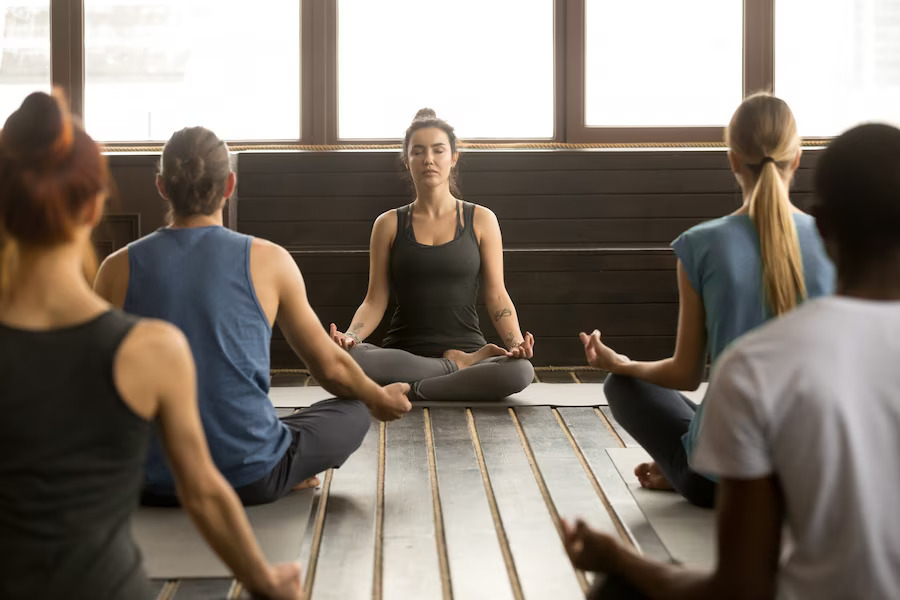
Finding the right yoga teacher is a crucial first step, but a lasting and beneficial practice requires ongoing evaluation and adaptation. This involves not only refining your technique but also fostering a supportive relationship with your instructor. Maintaining a consistent practice while adapting to your evolving needs is key to achieving long-term well-being.Understanding your evolving needs and goals, and adjusting your practice accordingly, are essential components of a successful and sustainable yoga journey.
This ongoing evaluation ensures your practice remains aligned with your personal growth and well-being.
Evaluating Your Practice and Teacher Continuously
Ongoing evaluation is vital to ensure your yoga practice remains relevant and beneficial. This involves regularly assessing your progress, identifying areas for improvement, and understanding how your practice affects your overall well-being. Similarly, evaluating your teacher’s approach, teaching style, and overall suitability is crucial for maintaining a fulfilling learning experience.
Adapting Your Practice as Your Needs Evolve
Life changes, and your yoga practice should adapt alongside you. As your physical abilities, personal goals, or lifestyle evolve, it’s essential to adjust your practice to accommodate these changes. This might involve modifying poses, exploring different styles of yoga, or incorporating restorative practices to address specific needs. Consider seeking guidance from your teacher regarding adjustments.
Communicating with Your Teacher About Progress and Concerns
Open communication with your yoga teacher is vital for a healthy and productive relationship. Sharing your progress, concerns, or any physical limitations you encounter is important. This allows your teacher to provide personalized guidance and ensure your practice remains safe and effective. Constructive feedback from your teacher can significantly impact your practice’s growth.
Maintaining a Healthy and Positive Relationship with Your Teacher
A positive relationship with your teacher can significantly enhance your yoga journey. Showing respect, being punctual, and actively participating in class creates a supportive environment. Communicating openly about your progress, concerns, and evolving needs fosters trust and mutual understanding. Expressing appreciation for the teacher’s guidance strengthens this bond.
Adjusting Your Practice Based on Evolving Needs
As your body changes, your needs will too. Regularly reassess your physical limitations and capabilities. Modifying poses to accommodate physical limitations, exploring different styles of yoga, or incorporating restorative practices are all effective strategies for adapting your practice. Consulting your physician or a physical therapist if you have any underlying health conditions or injuries is crucial. Your yoga practice should support your well-being, not exacerbate any existing issues.
Finding the Right Yoga Teacher
Choosing a yoga teacher is a significant decision, impacting your practice’s effectiveness and enjoyment. A suitable teacher fosters your growth, provides personalized guidance, and creates a supportive learning environment. This careful selection is crucial for achieving your yoga goals, whether it’s improving flexibility, building strength, or simply finding inner peace.
Visual Aid for Evaluating Yoga Teachers
Evaluating potential yoga teachers can be a multifaceted process. This table provides a structured approach to assessing various criteria, allowing you to make informed decisions based on your specific needs and preferences.
| Criteria | Description | Example | Importance |
|---|---|---|---|
| Teacher’s Qualifications and Experience | This encompasses the teacher’s training certifications, relevant experience, and demonstrated expertise. Look for recognized certifications from reputable yoga organizations. Consider the number of years they’ve been teaching and leading classes. | A teacher certified by Yoga Alliance with 5+ years of experience in teaching Vinyasa flow. | A qualified teacher possesses the knowledge and skills to guide you safely and effectively through your practice. Experience provides a deeper understanding of different student needs and potential challenges. |
| Teaching Style and Approach | Consider the teacher’s communication style, whether they cater to different levels, and how they adjust instruction to individual needs. Observe how they encourage participation and create a supportive atmosphere. | A teacher who clearly explains poses, offers modifications for beginners, and actively encourages questions. | A suitable teaching style ensures that you feel comfortable and supported in your practice, regardless of your skill level or experience. A teacher who caters to individual needs can maximize your learning and development. |
| Alignment and Safety Focus | A crucial aspect is the teacher’s emphasis on proper alignment and injury prevention. Notice whether they demonstrate correct posture and emphasize modifications for safety. A good teacher will correct students gently but firmly, avoiding harmful or incorrect alignment. | A teacher who demonstrates correct alignment in each pose and provides clear instructions on modifications for different body types. | Prioritizing safety and proper alignment is essential to prevent injuries and ensure a positive and productive practice. This is critical for long-term well-being and progress in your yoga journey. |
| Class Atmosphere and Energy | Evaluate the overall energy and atmosphere of the class. Is it supportive, welcoming, and encouraging? Does the teacher foster a sense of community? | A class where students feel comfortable sharing, asking questions, and supporting each other. The teacher is calm, encouraging, and creates a positive energy. | A positive and supportive environment can significantly enhance your practice experience. A nurturing atmosphere can foster a sense of belonging and motivate you to continue your practice. |
| Matching Your Goals and Needs | Consider your personal yoga goals (e.g., stress reduction, flexibility, strength). Does the teacher’s approach align with your goals? If you’re a beginner, look for teachers who tailor instruction to beginners. | A beginner seeking stress relief finding a restorative yoga class with a teacher who emphasizes relaxation techniques. | Matching your needs and goals ensures you are investing your time and energy in a practice that benefits you. This is crucial for maximizing the value and effectiveness of your yoga practice. |
Using this table, you can systematically evaluate potential teachers by noting their qualifications, teaching style, safety emphasis, and class atmosphere. Matching your personal goals with the teacher’s approach will help you find the best fit for your individual needs. Remember to consider your personal preferences and priorities to make an informed decision that best supports your yoga journey.
End of Discussion
In conclusion, finding the ideal yoga teacher is a personalized process requiring careful consideration of your individual needs and preferences. By understanding your goals, researching potential teachers, evaluating their qualities, assessing the class environment, and ultimately experiencing a trial class, you can make an informed decision that sets you up for a fulfilling yoga journey. Remember, the right teacher can significantly enhance your practice and overall well-being.