Embark on a journey to mastering the challenging yet rewarding headstand (Sirsasana). This comprehensive guide provides a structured approach to safely prepare for and practice this powerful asana, encompassing essential physical assessments, proper setup, and progressive training programs. Understanding the variations, benefits, and potential risks is paramount for a safe and enriching experience.
From foundational knowledge of the different Sirsasana variations to crucial alignment cues and progressive practice, this guide offers a roadmap for building a strong foundation in headstand. It emphasizes the importance of listening to your body, addressing potential limitations, and understanding the critical role of breathwork and mental focus.
Introduction to Headstand (Sirsasana)
Headstand, or Sirsasana, is a challenging yet rewarding yoga posture that cultivates strength, balance, and focus. It’s a foundational pose in many styles of yoga, offering a unique opportunity to invert the body and experience a different perspective. This posture demands careful preparation and practice to ensure safety and efficacy.Understanding the historical context, variations, benefits, and potential risks is crucial for a safe and informed practice.
This section provides a comprehensive overview of Sirsasana, aiding practitioners in making informed choices about their practice.
Historical Overview of Sirsasana
Sirsasana’s origins are deeply rooted in ancient yogic traditions. While precise dates and details are difficult to pinpoint, historical texts and archaeological findings suggest that variations of headstand practices have been part of yogic lineages for centuries. The practice was, and continues to be, viewed as a profound method for stimulating the body’s energy channels and promoting overall well-being.
Variations of Sirsasana
Sirsasana encompasses several variations, each offering unique challenges and benefits. These variations accommodate different levels of experience and physical capabilities.
- Supported Sirsasana: This variation involves using props like blocks, blankets, or a wall to support the body and reduce the demands on the neck and shoulders. This approach is particularly beneficial for beginners or those with physical limitations, as it allows for a gradual introduction to the inverted position and fosters a sense of security and stability. This support minimizes strain and promotes the development of proper alignment.
- Unsupported Sirsasana: This variation requires a greater degree of strength, balance, and flexibility. It places more emphasis on developing the core muscles, improving coordination, and fostering a sense of self-reliance in maintaining balance. Gradually progressing to unsupported Sirsasana is vital to develop the necessary strength and stability to prevent injuries.
- Sirsasana with Props: This approach uses props such as bolsters, blocks, and straps to modify the pose and address specific needs. For instance, a bolster placed beneath the shoulders can provide additional support and comfort, while straps can assist with maintaining balance and alignment. This tailored approach caters to various physical conditions and allows practitioners to focus on maintaining correct posture without excessive strain.
Fundamental Benefits and Potential Risks of Sirsasana
Sirsasana offers numerous potential benefits, including improved circulation, increased energy levels, and enhanced focus. It can also stimulate the brain and nervous system, potentially reducing stress and promoting mental clarity. However, it’s crucial to recognize that Sirsasana, like any challenging posture, carries potential risks if not practiced with proper technique and caution.
“The practice of Sirsasana, if approached mindfully and with proper guidance, can be a powerful tool for overall well-being.”
Potential risks include neck strain, headaches, and dizziness. Proper alignment, gradual progression, and consistent awareness are crucial for minimizing these risks.
Comparison of Sirsasana Variations
| Variation | Level of Difficulty | Benefits | Precautions |
|---|---|---|---|
| Supported Sirsasana | Beginner | Gradual introduction to inversion, improved balance, reduced strain | Requires proper support, ensure stability of props |
| Unsupported Sirsasana | Intermediate to Advanced | Enhanced strength, improved balance, increased flexibility, improved circulation | Requires strong neck, shoulder, and core muscles; gradual progression essential |
| Sirsasana with Props | Beginner to Advanced | Tailored support, addresses specific needs, reduced strain | Proper selection and positioning of props are crucial |
Assessing Physical Readiness

Prior to undertaking any inversion practice, including Sirsasana (headstand), a thorough physical assessment is crucial for ensuring safety and preventing injury. A comprehensive evaluation identifies potential limitations and allows for appropriate modifications or precautions. Understanding your body’s capabilities empowers you to practice safely and effectively.
Importance of a Thorough Physical Assessment
A comprehensive physical assessment before attempting Sirsasana is essential to identify any potential limitations or underlying conditions that might compromise safety. This assessment involves evaluating various anatomical areas and physiological factors. Neglecting this crucial step can lead to injuries such as neck strain, shoulder impingement, or wrist sprains. Thorough assessment provides valuable insight into your body’s readiness for the inversion.
Areas to Assess
Careful consideration of specific anatomical regions is vital for safe headstand practice. This assessment involves evaluating the neck, shoulders, wrists, spine, and blood pressure.
- Neck: Assess the range of motion, flexibility, and any signs of stiffness or pain in the cervical spine. Restricted movement or discomfort in the neck can significantly increase the risk of injury during headstand practice. Gentle neck stretches and range of motion exercises can help improve flexibility.
- Shoulders: Evaluate shoulder mobility, strength, and any existing conditions like impingement or instability. Adequate shoulder flexibility and strength are vital for maintaining proper alignment and stability during the headstand. Shoulder mobility exercises can be helpful in enhancing flexibility.
- Wrists: Assess wrist flexibility and strength, ensuring the wrists can support the weight of the head and shoulders without pain or discomfort. Wrist pain or instability can hinder the ability to maintain a stable headstand posture. Gentle wrist stretches can help improve flexibility and reduce risk.
- Spine: Evaluate spinal flexibility and alignment, paying particular attention to the cervical and thoracic regions. Spinal issues or limitations can create imbalances and increase the risk of injury. Gentle spinal stretches and alignment exercises can improve flexibility and stability.
- Blood Pressure: Monitor blood pressure before and after attempting Sirsasana, especially if you have pre-existing cardiovascular conditions. Headstands can affect blood pressure, and individuals with hypertension or hypotension should exercise caution. Regular monitoring of blood pressure before and after practice can assist in managing potential issues.
Common Physical Limitations
Certain physical limitations can significantly impact the safe practice of Sirsasana.
- Neck Injuries or Conditions: Past neck injuries, arthritis, or other conditions can compromise the safety and stability of headstand practice. Appropriate modifications or alternatives should be considered.
- Shoulder Injuries or Conditions: Shoulder impingement, instability, or past injuries can increase the risk of discomfort or injury during headstand practice. Shoulder mobility exercises and pain management strategies are recommended.
- Wrist Injuries or Conditions: Wrist injuries or conditions, such as arthritis or sprains, can hinder the ability to maintain a stable headstand posture. Strengthening and flexibility exercises are recommended.
- High Blood Pressure or Other Cardiovascular Issues: Individuals with high blood pressure or other cardiovascular conditions should consult their physician before attempting inversion practices. Modifications or alternatives should be considered.
- Spinal Issues: Individuals with spinal issues, such as herniated discs or scoliosis, should consult with a healthcare professional before attempting Sirsasana. Modifications or alternative poses may be necessary.
Physical Readiness Checklist for Sirsasana
This checklist aids in evaluating physical readiness for Sirsasana practice.
| Area | Assessment Criteria | Action |
|---|---|---|
| Neck | Pain, stiffness, limited range of motion | Consult a healthcare professional if needed. Modify or avoid the practice. |
| Shoulders | Pain, weakness, instability | Consult a healthcare professional. Strengthen and stretch shoulders. |
| Wrists | Pain, weakness, instability | Strengthen and stretch wrists. Modify or avoid the practice. |
| Spine | Pain, stiffness, limited range of motion | Consult a healthcare professional. Modify or avoid the practice. |
| Blood Pressure | Elevated or uncontrolled | Consult a healthcare professional. Avoid the practice. |
Safe Setup and Positioning
Proper setup and positioning are paramount for safe and effective Sirsasana practice. Ignoring these crucial elements can lead to injuries such as neck strain, shoulder pain, or even more serious complications. A well-executed setup ensures a stable base and proper alignment, maximizing the benefits of the pose while minimizing the risk of harm.Careful attention to alignment and the use of appropriate props are essential for building a strong foundation in Sirsasana.
This includes understanding the variations of the pose and the specific alignment cues for each. Using props correctly and ensuring a stable surface further enhances safety and facilitates a deeper connection with the body.
Supported Sirsasana Setup
Proper setup in supported Sirsasana significantly reduces the risk of injury and facilitates a more comfortable and effective practice. Using props like blocks or blankets creates a gentler entry into the pose, allowing for a gradual adjustment to the inverted position.
- Position a block or two beneath the shoulders, ensuring the block’s height aligns with the shoulder’s natural placement.
- Use blankets or folded towels to elevate the hips for additional support and comfort.
- Position the head and neck comfortably on the support, avoiding any strain or discomfort.
Unsupported Sirsasana Setup
Practicing unsupported Sirsasana requires a strong understanding of alignment to ensure stability and minimize the risk of injury. Maintaining the proper positioning is crucial for achieving a safe and effective practice.
- Establish a firm and stable base by positioning your feet firmly on the floor, knees bent, and maintaining a comfortable posture.
- Ensure a straight line from your head to your heels.
- Align your head and neck, avoiding any tension or strain.
- Engage your core muscles to maintain stability and prevent any unwanted movements.
Alignment Cues for Supported and Unsupported Sirsasana
Precise alignment is critical for a safe and effective Sirsasana practice, whether supported or unsupported. A table detailing alignment cues for different body parts helps visualize the desired positioning for both variations.
| Body Part | Supported Sirsasana | Unsupported Sirsasana |
|---|---|---|
| Head | Resting comfortably on the block, avoiding any strain. | Centered over the shoulders, balanced, and stable. |
| Neck | Relaxed and aligned with the spine, avoiding any tension. | Long and straight, extending from the shoulders to the head. |
| Shoulders | Aligned with the block placement, avoiding sinking or shrugging. | Firm and engaged, shoulder blades gently drawn down the back. |
| Arms | Placed firmly on the block, maintaining a straight line. | Firmly planted on the floor, palms flat, elbows straight. |
| Legs | Hips elevated and aligned, ensuring balance. | Active and engaged, aligned with the spine, strong and stable. |
| Core | Engaged and strong to maintain stability. | Engaged to maintain balance and stability. |
Importance of Props and Stable Surface
Props like blocks and blankets are crucial for modifying the pose to accommodate different body types and levels of experience. A stable surface is essential for preventing any slips or falls, thereby minimizing the risk of injury.
- Using blocks or blankets allows practitioners to gradually build strength and stability in the pose.
- A stable surface, such as a yoga mat or carpet, prevents accidents and provides a secure base for practicing.
- The right setup with props and a stable surface makes Sirsasana accessible to a wider range of practitioners.
Gradual Progression and Practice
Developing the strength and flexibility required for headstand (Sirsasana) necessitates a structured and gradual approach. Rushing into the final pose without proper preparation can lead to injury. This section details a progressive training program designed to build strength and confidence safely. A well-structured program is key to avoiding injury and maximizing the benefits of the asana.A key aspect of safe headstand practice is mindful progression.
This involves consistently building strength, flexibility, and awareness through preparatory poses. Listening to your body and adjusting the practice accordingly is crucial. Avoiding pushing through pain is paramount to preventing injury and fostering a healthy and sustainable practice.
Progressive Training Program
A well-structured program for building up to Sirsasana involves progressively challenging poses that build strength and flexibility. Start with easier poses, gradually increasing the intensity and duration of practice as your body adapts. Consistency is key to experiencing the benefits of this challenging pose. Each stage should be practiced for a comfortable duration before moving on to the next stage.
Preparatory Poses
A series of preparatory poses are essential for building the strength and flexibility needed for Sirsasana. These poses gradually engage the necessary muscles and improve the body’s alignment. Practicing these preparatory poses consistently is critical for preparing your body for the headstand.
- Downward-Facing Dog (Adho Mukha Svanasana): This pose strengthens the arms, wrists, and shoulders, while also stretching the hamstrings and calves. Hold for increasing durations, gradually lengthening the hold and increasing the stretch.
- Forearm Stand (Pincha Mayurasana): This pose strengthens the shoulders, forearms, and core, and improves balance. Starting with shorter holds and progressively increasing the duration of the pose is important.
- Supported Headstand (Sirsasana with Props): Utilizing props like blocks or blankets beneath the hips, this version helps you acclimate to the neck and shoulder position while building confidence and strength.
- Shoulderstand (Sarvangasana): This pose strengthens the shoulders, neck, and back. Holding this position for increasing durations builds endurance and helps prepare the body for the inverted position.
Sample Sequences
Specific sequences of preparatory poses can be integrated into a practice routine to efficiently prepare for Sirsasana. These sequences should be tailored to your individual needs and limitations, and should be practiced under the guidance of an experienced instructor.
- Begin with a few minutes of warm-up exercises like gentle stretches and sun salutations.
- Follow with a sequence of preparatory poses, such as Downward-Facing Dog, Forearm Stand, and Supported Headstand.
- Gradually increase the duration of the preparatory poses.
- Practice the poses that you are most comfortable with to ensure a proper progression.
- Finish with relaxation poses to cool down.
Importance of Listening to Your Body
Throughout the progression, it is essential to listen to your body and avoid pushing through pain. Discomfort should be a warning sign, indicating that you need to adjust your practice. Listen to your body and adjust your practice accordingly to avoid injury.
Modifications for Specific Limitations
Individuals with specific limitations, such as injuries or physical conditions, should adapt their practice accordingly. Consult with a healthcare professional or yoga instructor to determine suitable modifications.
| Preparatory Pose | Benefits Related to Sirsasana | Modifications for Specific Limitations |
|---|---|---|
| Downward-Facing Dog | Strengthens arms, wrists, and shoulders; stretches hamstrings and calves | Adjust hand placement on the mat, or use blocks under the hands for wrist support. |
| Forearm Stand | Strengthens shoulders, forearms, and core; improves balance | Use a wall for support, or modify by keeping the knees bent and elevated. |
| Supported Headstand | Familiarizes with neck and shoulder position | Adjust the height of the props to find the most comfortable alignment. |
| Shoulderstand | Strengthens shoulders, neck, and back | Keep the shoulders relaxed, and the neck aligned with the spine. |
Maintaining Proper Form During Practice

Mastering Sirsasana (headstand) requires consistent practice and meticulous attention to detail. Maintaining proper form is crucial not only for achieving a stable and comfortable pose but also for preventing potential injuries. This section will delve into common mistakes to avoid, potential risks, and detailed guidance on aligning the neck, shoulders, wrists, and spine for a safe and effective headstand practice.Understanding common errors and their corrective measures empowers practitioners to refine their technique and cultivate a safer and more rewarding experience.
By prioritizing proper form, practitioners can minimize the risk of injury and maximize the benefits of this powerful asana.
Common Mistakes to Avoid
Consistent practice of Sirsasana is essential for building strength and control. However, several common mistakes can impede progress and increase the risk of injury. These include:
- Incorrect positioning of the hands and forearms, leading to strain or discomfort in the wrists and shoulders.
- Inadequate engagement of core muscles, resulting in instability and potential loss of balance.
- Insufficient engagement of the shoulder girdle, leading to impingement or pain in the shoulders.
- Lack of awareness of spinal alignment, resulting in back strain or discomfort.
- Failure to maintain proper neck alignment, increasing pressure on the cervical spine and potentially leading to neck pain.
Potential Injuries and Prevention
Injuries during Sirsasana practice can range from minor discomfort to more serious conditions. Understanding potential risks and implementing preventative measures is crucial for a safe practice.
- Neck Injuries: Excessive pressure on the cervical spine due to improper neck alignment can lead to strain, pain, or even more serious injuries. Maintaining a neutral neck position and avoiding hyperextension or hyperflexion are crucial preventative measures.
- Shoulder Injuries: Improper shoulder positioning during headstand can lead to impingement, rotator cuff injuries, or other shoulder problems. Maintaining proper shoulder alignment and avoiding excessive pressure on the shoulders are critical.
- Wrist Injuries: Incorrect hand placement and forceful pressure on the wrists can cause pain, inflammation, or even sprains or fractures. Ensuring the wrists are properly aligned and supported is vital for preventing wrist injuries.
- Spinal Injuries: Poor spinal alignment can cause back strain or discomfort. Maintaining a straight spine and using core strength to support the body’s weight are crucial for spinal safety.
Maintaining Proper Neck, Shoulder, and Wrist Alignment
Precise alignment of the neck, shoulders, and wrists is essential for a safe and effective headstand.
- Neck Alignment: The neck should be in a neutral position, neither hyperextended nor hyperflexed. The head should be aligned directly over the shoulders, creating a straight line from the crown of the head to the heels.
- Shoulder Alignment: The shoulders should be actively engaged, and the shoulder blades should be drawn down and towards the spine, not rounding forward. Ensure the elbows are in line with the hands and wrists.
- Wrist Alignment: The wrists should be straight and in line with the forearms. Avoid any bending or twisting of the wrists, which can cause discomfort or injury.
Maintaining Proper Spinal Alignment
Maintaining a straight spine throughout the pose is critical for spinal health.
- Engage the core muscles to stabilize the spine and maintain its natural curve. A neutral spine position helps distribute weight evenly.
- Avoid arching or rounding the back, which can put undue stress on the spine. Proper spinal alignment promotes balance and prevents injury.
Summary of Common Mistakes and Corrections
| Common Mistake | Correction |
|---|---|
| Incorrect hand placement | Ensure hands are shoulder-width apart, directly under the shoulders. |
| Lack of core engagement | Actively engage the core muscles to stabilize the body. |
| Rounded shoulders | Draw shoulder blades down and toward the spine. |
| Hyperextended neck | Maintain a neutral neck position. |
| Uneven weight distribution | Ensure equal weight distribution on both forearms and hands. |
Contraindications and Precautions
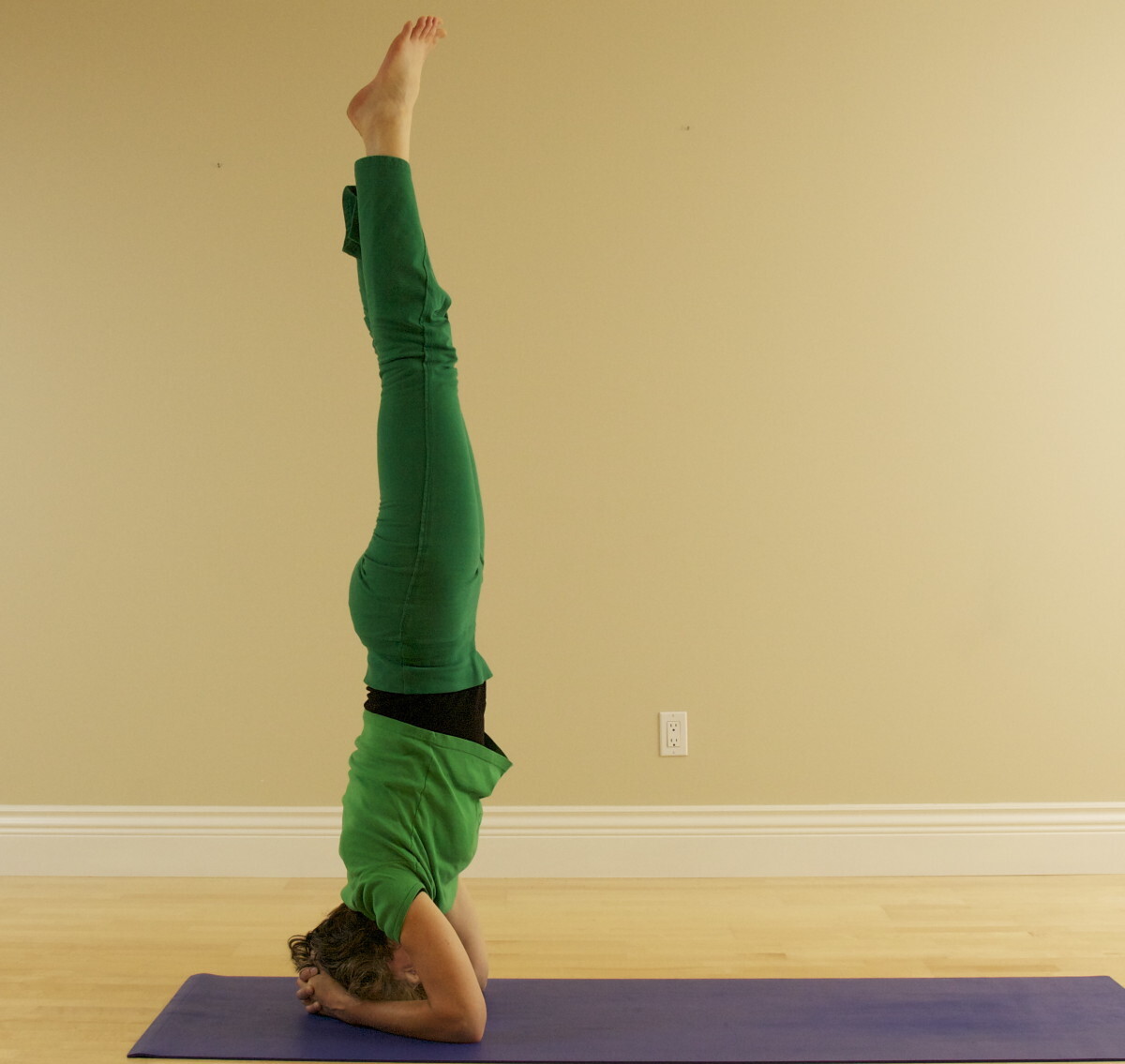
Safe practice of headstand (Sirsasana) requires careful consideration of individual health conditions. Understanding potential contraindications and precautions is crucial for injury prevention and ensuring a positive experience. This section details various factors that may influence the suitability of Sirsasana practice.Practicing any inversion, including headstand, should always be approached with caution and awareness of potential risks. Prioritizing safety and proper form is paramount, especially for those with pre-existing medical conditions.
Consulting with a healthcare professional before initiating or modifying a headstand practice is strongly recommended to assess individual suitability and establish safe guidelines.
Medical Conditions Contraindicating Sirsasana
Certain medical conditions can make headstand unsafe or even harmful. These conditions require careful evaluation and potentially modification or exclusion of headstand from the practice routine.
- High Blood Pressure: Uncontrolled high blood pressure can be exacerbated by the inversion of headstand. Increased pressure on the brain and head can negatively affect cardiovascular health. Consult a doctor before practicing inversions if blood pressure is not well-managed.
- Neck Injuries or Conditions: Pre-existing neck injuries, arthritis, or other conditions can make headstand a significant risk. The pressure on the neck during headstand can potentially worsen the condition. Consult a healthcare professional if neck pain, stiffness, or instability is present.
- Eye Conditions: Certain eye conditions, including glaucoma, can be affected by the changes in blood pressure and blood flow associated with inversion poses. Consult a doctor before practicing headstand if eye conditions are present.
- Pregnancy: Headstand is generally contraindicated during pregnancy. The increased pressure on the abdominal cavity and potential impact on the fetus should be considered. Alternative inversion poses might be considered after consulting with a healthcare provider.
- Head Injuries or Conditions: Individuals with a history of head trauma or other head-related conditions should avoid headstand. The pressure on the head and neck can exacerbate these conditions. Consult a physician before starting.
- Recent or Ongoing Neurological Conditions: Conditions affecting the nervous system or brain functions such as seizures, stroke, or multiple sclerosis should be evaluated carefully before attempting any inversion practice. The impact on blood flow and pressure could be significant.
Situations Requiring Caution or Avoidance
Certain situations require added caution or even avoidance of headstand practice. Proper judgment and understanding of individual limitations are essential.
- Medication Side Effects: Certain medications can affect blood pressure, circulation, or balance, making headstand potentially dangerous. Consult with a doctor if headstand practice may be affected by ongoing medications.
- Post-Surgical Recovery: Post-operative recovery periods may require restrictions on physical activity, including inversions. Consult with a physician before attempting any inversions during recovery.
- Recent Head Injury or Trauma: Any recent or ongoing head injury should be a strong contraindication for headstand practice. The potential for further damage or complications should be carefully evaluated by a medical professional.
- Severe Dizziness or Lightheadedness: If dizziness or lightheadedness is experienced during any inversion, including headstand, practice should be immediately discontinued. This could indicate a more serious underlying condition.
- Severe Headaches: Individuals experiencing persistent or severe headaches should avoid headstand practice. The inversion can exacerbate headaches. If headaches are present, consult with a doctor before practicing headstand.
Potential Adverse Effects and Management
While performed correctly, headstand poses a risk of certain adverse effects. Awareness and proper response are crucial.
- Headaches: Occasional headaches are common, but persistent or severe headaches during or after practice should be addressed by consulting a healthcare professional.
- Dizziness or Lightheadedness: Discontinue the practice if dizziness or lightheadedness occurs. Gradually return to a normal position to allow the body to adjust. Consult a doctor if symptoms persist.
- Neck Pain or Stiffness: If neck pain or stiffness is experienced, discontinue the practice and consult a doctor.
- Nausea or Vomiting: Discontinue the practice immediately if nausea or vomiting occurs. Seek immediate medical attention if symptoms persist.
- Eye Pressure: If eye pressure is experienced, discontinue the practice immediately. Consult a healthcare professional if symptoms persist.
Immediate Discontinuation Criteria
Certain situations demand immediate cessation of headstand practice. These are non-negotiable.
- Loss of Consciousness: Any loss of consciousness during headstand requires immediate discontinuation and medical attention.
- Severe Pain: Any sudden, intense, or persistent pain during the practice, particularly in the head, neck, or shoulders, demands immediate cessation and consultation with a medical professional.
- Difficulty Breathing: Difficulty breathing or shortness of breath should immediately stop the practice. Seek immediate medical help if symptoms continue.
- Significant Bleeding or Injury: Any bleeding or injury, particularly in the head or neck, requires immediate cessation and medical attention.
Breathing Techniques and Mental Focus
Proper breathing and mental focus are integral to a safe and rewarding Sirsasana practice. Conscious breath work can help regulate blood pressure, manage anxiety, and heighten awareness of sensations during the pose. Mental focus, in turn, enhances stability and control, minimizing the risk of injury.Breathing plays a critical role in Sirsasana, influencing blood flow to the brain and body.
Controlled, rhythmic inhalation and exhalation can aid in managing discomfort and dizziness, promoting a sense of calm and stability. Mindfulness of breath also helps to create a deeper connection with the body, fostering awareness of any subtle shifts in posture or sensations.
Role of Breathing in Sirsasana
Breathing deeply and rhythmically is essential during Sirsasana. In this inverted position, blood flow to the brain is naturally redirected. Slow, controlled breaths help to regulate this flow, promoting a sense of calm and reducing the likelihood of dizziness or lightheadedness. Conscious breathing allows for a more balanced and stable headstand.
Techniques for Focusing the Mind and Managing Anxiety
Mindfulness practices, such as focusing on the breath, can effectively manage anxiety and promote mental clarity. Techniques like centering exercises, visualization, and progressive muscle relaxation can further calm the nervous system. These practices allow for a more focused and controlled Sirsasana experience.
Managing Sensations of Discomfort and Dizziness
During Sirsasana, discomfort or dizziness might occur. If these sensations arise, gently lower yourself out of the pose. Observe the sensation, acknowledging it without judgment. Focus on your breath and slowly return to a comfortable position. Deep, slow breaths can often alleviate dizziness.
If dizziness persists, discontinue the practice and consult a healthcare professional.
Using Breath Awareness to Regulate Blood Pressure
Breathing exercises can help manage blood pressure fluctuations during Sirsasana. Diaphragmatic breathing, focusing on deep abdominal breaths, can promote a sense of relaxation and stability. This type of breathing aids in lowering blood pressure, promoting a more comfortable and controlled practice.
Breathing Techniques Table
Practicing various breathing techniques before, during, and after Sirsasana can enhance the overall experience. Consistent practice will improve your ability to manage potential discomfort and maintain a sense of calm.
| Breathing Technique | Before Sirsasana | During Sirsasana | After Sirsasana |
|---|---|---|---|
| Diaphragmatic Breathing | 5-10 minutes of deep abdominal breaths. | Maintain rhythmic, slow breaths, focusing on the abdomen. | 5-10 minutes of slow, deep breaths. |
| Alternate Nostril Breathing (Nadi Shodhana) | 3-5 minutes to calm the mind. | If feeling lightheaded, try a few rounds of this breathing exercise. | 3-5 minutes to promote relaxation. |
| Box Breathing | 3-5 rounds of inhaling, holding, exhaling, and holding, to ground and focus. | Incorporate box breathing during moments of discomfort. | 3-5 rounds to help transition back to normal breathing. |
Deepening the Practice
Consistent practice is crucial for mastering Sirsasana, allowing for the gradual development of strength, balance, and mental focus. Regular practice, even in short sessions, builds the necessary muscle memory and awareness needed for safe and proficient execution. This, in turn, leads to greater comfort and confidence in the pose.
Importance of Consistent Practice
Regular practice, even in short durations, is essential for building muscle memory, strength, and balance. Consistent effort fosters a deeper understanding of the body’s mechanics and allows for a gradual improvement in both physical and mental aspects of the posture. This can help prevent injuries and allow for a more refined and nuanced practice. Consistency also fosters a greater sense of body awareness, enabling practitioners to better assess their own limits and capabilities.
Advanced Variations and Techniques
Beyond the foundational Sirsasana, several advanced variations offer further challenges and benefits. These include variations such as the supported headstand with blocks or bolsters under the shoulders, the shoulder stand variation (Sarvangasana), and variations with legs in different positions (e.g., legs extended, legs bent). These variations often involve more complexity and require greater strength, balance, and flexibility.
Progressive Increase in Hold Time
Increasing the hold time in Sirsasana should be approached gradually and cautiously. Start with short holds (e.g., 5-10 seconds) and progressively increase the duration over time. Listen to your body’s signals and do not push beyond your limits. A good guideline is to increase the hold time by increments of 5-10 seconds every few sessions. Be mindful of any discomfort or sensations that may arise.
Consider using a timer to track your progress.
Refining Balance and Stability
Maintaining balance and stability in Sirsasana is key to safe and effective practice. Focus on aligning the head, neck, and spine to maintain a neutral position. Engage the core muscles to support the body weight and stabilize the posture. Visualizing a vertical line running through the body can help with alignment and balance. Practicing in front of a mirror can provide valuable feedback on posture.
Consider practicing on a soft surface, such as a yoga mat or blanket, to enhance comfort and safety.
Flowchart of Sirsasana Variations Progression
| Stage | Variation | Description | Progression Tips |
|---|---|---|---|
| Beginner | Basic Sirsasana | Head on the floor, hands supporting the shoulders. | Focus on alignment and breath. Hold for short durations (5-10 seconds). |
| Intermediate | Supported Sirsasana | Blocks or bolsters under shoulders. | Gradually decrease support as balance improves. Increase hold times. |
| Intermediate/Advanced | Sirsasana with Legs Bent | Legs bent and drawn towards the torso. | Maintain a strong core engagement and stable shoulders. |
| Advanced | Sirsasana with Legs Extended | Legs extended straight up. | Focus on balance and core strength. Increase hold time. |
Final Thoughts

In conclusion, mastering Sirsasana requires careful preparation, progressive practice, and a deep understanding of your body’s limitations. This guide has equipped you with the knowledge and tools to safely embark on this journey. Remember to prioritize safety, listen to your body, and celebrate each step forward. Consistent practice, combined with a keen awareness of proper alignment and breathwork, will ultimately lead to a deeper connection with yourself and a more fulfilling yoga practice.