Lower back pain affects millions worldwide, often hindering daily activities and quality of life. This comprehensive guide explores how gentle yoga poses can effectively alleviate lower back pain. From understanding the underlying causes to mastering specific poses, this resource provides a practical and safe approach to managing discomfort and achieving lasting relief.
We’ll delve into the science behind gentle yoga, exploring its unique benefits for lower back health. We’ll also offer practical advice on incorporating these techniques into your daily routine, ensuring a sustainable approach to pain management.
Introduction to Lower Back Pain and Gentle Yoga

Lower back pain is a prevalent condition affecting individuals of all ages and backgrounds. It can range from mild discomfort to debilitating agony, significantly impacting daily life and activities. Understanding the potential causes and exploring effective management strategies is crucial for alleviating suffering and promoting well-being. Gentle yoga, with its focus on mindful movement and controlled postures, offers a promising avenue for managing lower back pain.Gentle yoga postures, carefully selected and executed, can help strengthen the muscles supporting the spine, improve flexibility, and reduce pain.
This approach, emphasizing controlled movements and mindful breathing, can be particularly beneficial for individuals experiencing lower back pain, as it minimizes the risk of exacerbating existing conditions. Importantly, before embarking on any new exercise program, it is essential to consult a healthcare professional for proper evaluation and guidance. This consultation ensures the chosen exercises align with individual needs and limitations, minimizing potential risks and maximizing benefits.
Common Causes of Lower Back Pain
Lower back pain can stem from various factors, including muscle strains, ligament sprains, and underlying medical conditions. Age, lifestyle choices, and pre-existing health issues can all play a role in the development and persistence of lower back pain. Understanding the potential causes is essential for developing effective strategies for pain management.
Benefits of Gentle Yoga for Lower Back Pain
Gentle yoga offers a multitude of benefits for managing lower back pain. The controlled movements and mindful breathing techniques help to strengthen core muscles, improving spinal stability. Increased flexibility and range of motion can alleviate stiffness and discomfort. Furthermore, the emphasis on mindful awareness can help reduce stress and anxiety, both of which can contribute to lower back pain.
Importance of Professional Consultation
Before initiating any new exercise program, including gentle yoga, it is crucial to consult with a healthcare professional. A medical evaluation can identify underlying causes of lower back pain and rule out any serious conditions. This consultation is vital to ensure the chosen exercises are safe and appropriate for the individual’s specific needs and physical limitations.
Types of Lower Back Pain and Potential Causes
| Type of Lower Back Pain | Potential Causes |
|---|---|
| Muscle Strain | Overexertion, improper lifting techniques, sudden movements, repetitive stress on muscles, poor posture. |
| Ligament Sprain | Sudden twisting or bending movements, falls, trauma, or forceful impact on the lower back. |
| Herniated Disc | Degenerative disc disease, trauma, improper lifting, prolonged sitting, or repetitive bending and lifting. |
| Spondylosis | Degenerative changes in the spine, such as osteoarthritis, leading to bone spurs and joint stiffness. |
| Sciatica | Irritation or compression of the sciatic nerve, often due to a herniated disc, spinal stenosis, or piriformis syndrome. |
Proper diagnosis and treatment by a healthcare professional are essential for managing lower back pain effectively.
Understanding Gentle Yoga Poses for Lower Back Relief
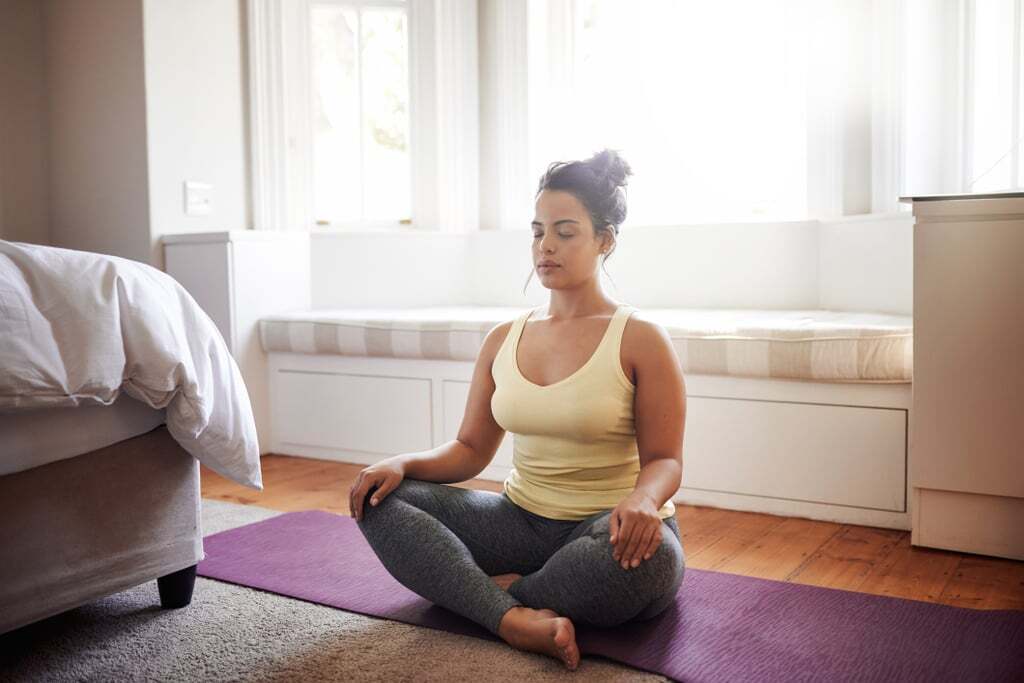
Gentle yoga offers a safe and effective approach to alleviate lower back pain by focusing on mindful movement and proper alignment. By engaging specific muscles and gently stretching the spine, these poses can help improve flexibility, reduce stiffness, and promote overall well-being. The key is to listen to your body and avoid pushing through pain. Each pose should be held for a comfortable duration, and modifications should be made as needed.Proper alignment in gentle yoga poses is crucial for maximizing the benefits and minimizing the risk of injury.
Maintaining correct posture ensures that the spine is supported and the muscles surrounding it are engaged in a healthy way. This support prevents undue stress on the lower back and promotes long-term spinal health.
Gentle Yoga Poses for Lower Back Pain Relief
Gentle yoga poses offer a variety of ways to address lower back pain. Careful selection and execution of these poses, along with proper breathing techniques, can provide substantial relief. These poses should be practiced with a focus on controlled movements and a mindful awareness of your body’s sensations.
- Child’s Pose (Balasana): This restorative pose gently stretches the hips, thighs, and ankles while providing a deep stretch to the lower back. By resting the forehead on the floor, the spine is lengthened, and the lower back is released. This pose helps relieve stress and tension, reducing pain and promoting relaxation. Key anatomical areas targeted include the hips, thighs, ankles, and the entire lower back.
Muscles involved include the psoas, hip flexors, and hamstrings. This pose is excellent for beginners and those experiencing mild to moderate lower back pain.
- Seated Forward Bend (Paschimottanasana): This pose gently stretches the hamstrings and lower back. By gently folding forward from a seated position, the spine is lengthened and the muscles of the back are stretched. The key anatomical areas targeted include the hamstrings, lower back, and spinal erectors. Muscles involved include the hamstrings, erector spinae, and the rectus abdominis. This pose is beneficial for improving flexibility and alleviating mild to moderate back pain.
- Cobra Pose (Bhujangasana): This pose gently stretches the chest, shoulders, and abdomen while gently engaging the back muscles. By lying on your stomach and lifting your chest off the floor, the spine is gently arched, providing a stretch to the lower back. Key anatomical areas targeted include the chest, shoulders, abdomen, and the lower back. Muscles involved include the back extensors, and the abdominal muscles.
This pose is beneficial for strengthening the back and improving posture, which indirectly supports the lower back.
- Supine Twist (Supta Matsyendrasana): This pose gently stretches the spine and relieves tension in the lower back. By lying on your back and twisting your torso, the spine is rotated, releasing tension in the lower back and promoting flexibility. Key anatomical areas targeted include the spine, lower back, and hips. Muscles involved include the spinal muscles, obliques, and hip flexors. This pose is particularly helpful for relieving mild to moderate lower back pain, and for improving digestion.
Comparing Effectiveness of Gentle Yoga Poses
While all these gentle yoga poses can be beneficial for lower back pain, their effectiveness may vary depending on the individual and the specific type of pain.
| Pose | Effectiveness (Mild/Moderate Pain) | Effectiveness (Severe Pain) | Muscles Targeted |
|---|---|---|---|
| Child’s Pose | High | Moderate | Hips, thighs, ankles, lower back |
| Seated Forward Bend | Moderate | Low | Hamstrings, lower back, spinal erectors |
| Cobra Pose | Moderate | Low | Back extensors, abdominal muscles |
| Supine Twist | High | Moderate | Spine, lower back, hips |
This table provides a general comparison. Individual experiences may differ. Consulting a healthcare professional is essential for accurate diagnosis and personalized recommendations.
Practical Application and Modifications

Applying gentle yoga poses for lower back pain requires a thoughtful approach, considering individual needs and limitations. Proper execution, combined with mindful modifications, maximizes the benefits and minimizes the risk of exacerbating pain. This section details the practical application of these poses, offering modifications for various levels of flexibility, strength, and pre-existing conditions.
Proper Execution of Poses
Effective execution of each pose is crucial for achieving the desired benefits while avoiding injury. Aligning the spine and maintaining a neutral posture are essential components. Focus on controlled movements, avoiding sudden or forceful actions. Breathing deeply and consciously throughout each pose enhances the overall experience and helps to promote relaxation. A consistent, mindful approach is key to experiencing the full potential of these exercises.
Modifications for Different Levels
Individuals with varying levels of flexibility, strength, and experience can adapt these poses to suit their needs. Modifications allow individuals to safely progress through the poses, gradually increasing the challenge as their body adapts. A crucial element is listening to one’s body; stopping if any pain is felt is paramount.
Beginner Modifications
For beginners, modifications often involve simplifying the pose’s structure or using props like blankets, blocks, or straps. These props provide support and stability, facilitating a more comfortable and effective practice. Using props helps to reduce strain on the lower back and allows practitioners to maintain proper alignment, which is essential for safe and effective execution. Reduced ranges of motion are also considered a part of beginner modifications.
Intermediate Modifications
Intermediate practitioners can gradually increase the intensity by holding poses for longer durations or incorporating deeper stretches. Gradually increasing the intensity helps to build strength and flexibility while challenging the body in a controlled manner. They can also explore variations within a pose that challenge their balance and core engagement.
Advanced Modifications
Advanced practitioners may explore more challenging variations, including deeper stretches or more complex sequences. These modifications might involve holding poses for longer durations, increasing the range of motion, or adding challenging transitions. Advanced modifications aim to deepen the stretch and enhance the overall flexibility of the lower back.
Creating a Daily Routine
A consistent daily routine is vital for reaping the benefits of gentle yoga for lower back pain. Consistency allows the body to gradually adapt to the poses, building strength and flexibility over time. Start with a short practice, focusing on 2-3 poses initially, and gradually increase the duration and complexity as your body strengthens. Maintaining a schedule will help establish a sustainable practice.
Step-by-Step Guide for Daily Practice
- Warm-up with gentle movements, such as arm circles and leg swings, for 5-10 minutes.
- Begin with a seated spinal twist, holding for 5-8 breaths.
- Next, practice a child’s pose, holding for 5-8 breaths.
- Follow with a gentle forward bend, holding for 5-8 breaths.
- Finish with a few minutes of relaxation, lying on your back with your knees bent.
Table of Modifications
| Pose | Beginner | Intermediate | Advanced |
|---|---|---|---|
| Seated Spinal Twist | Use a blanket for support. | Hold for 8-10 breaths. | Twist further with a deeper stretch. |
| Child’s Pose | Place a bolster under your chest for support. | Hold for 10-12 breaths. | Extend arms further for a deeper stretch. |
| Forward Bend | Keep knees bent to lessen the stretch. | Hold for 10-12 breaths. | Incorporate a gentle rock from side to side. |
Breathing Techniques and Relaxation
Breathing techniques and relaxation exercises are integral components of a comprehensive approach to managing lower back pain. These practices can help reduce muscle tension, promote a sense of calm, and improve overall well-being. By incorporating mindful breathing and relaxation strategies into your gentle yoga routine, you can enhance the effectiveness of your poses and create a more profound sense of relief.Deep, conscious breathing plays a crucial role in mitigating lower back pain.
When we breathe deeply, we regulate our nervous system, promoting relaxation and reducing the body’s stress response. This, in turn, can alleviate muscle tension and spasms, which are often contributing factors to lower back discomfort. Furthermore, controlled breathing helps to improve circulation and oxygen flow throughout the body, aiding in tissue repair and recovery.
Deep Breathing Exercises
Deep breathing exercises are an effective way to calm the nervous system and promote relaxation, leading to reduced lower back pain. These exercises can be easily integrated into your gentle yoga practice and performed anytime, anywhere. Regular practice can significantly enhance the benefits of your yoga routine.
- Diaphragmatic Breathing: This technique focuses on engaging the diaphragm, the primary muscle responsible for breathing. Place one hand on your chest and the other on your abdomen. Inhale deeply through your nose, feeling your abdomen rise as your diaphragm expands. Exhale slowly through your mouth, allowing your abdomen to fall. Repeat this process several times, focusing on the sensation of the breath moving through your body.
- Belly Breathing: Similar to diaphragmatic breathing, belly breathing involves consciously expanding the abdomen during inhalation. Lie on your back with knees bent and feet flat on the floor. Place one hand on your abdomen. Inhale deeply through your nose, feeling your abdomen rise. Exhale slowly through your mouth, allowing your abdomen to fall.
Pay attention to the gentle movement of your abdomen with each breath.
- Box Breathing: This technique involves inhaling for a count of four, holding the breath for a count of four, exhaling for a count of four, and holding the breath again for a count of four. This rhythmic pattern can help to regulate the nervous system and promote relaxation. Begin by counting slowly and progressively increase the count as you become more comfortable with the exercise.
Progressive Muscle Relaxation
Progressive muscle relaxation (PMR) is a technique that involves systematically tensing and releasing different muscle groups in the body. By consciously tensing and releasing muscle groups, individuals can identify and release physical tension that may be contributing to lower back pain. This can lead to significant improvements in relaxation and pain management.
- Systematic Muscle Tensing and Releasing: Start by tensing a specific muscle group, such as your toes, for a few seconds. Hold the tension, then release and notice the feeling of relaxation. Continue tensing and releasing other muscle groups in your body, such as your calves, thighs, buttocks, and back muscles. Pay attention to the sensations of tension and relaxation in each muscle group.
Repeat this process multiple times. Focus on the feeling of releasing the tension and noticing the relaxation that follows.
Breathing Technique Comparison
| Breathing Technique | Potential Benefits for Lower Back Pain Relief |
|---|---|
| Diaphragmatic Breathing | Reduces muscle tension, promotes relaxation, improves circulation. |
| Belly Breathing | Increases oxygen intake, calms the nervous system, enhances relaxation. |
| Box Breathing | Regulates the nervous system, reduces anxiety, improves focus and concentration. |
Safety Precautions and Considerations
Practicing gentle yoga for lower back pain requires a mindful approach. Understanding potential risks and proactively mitigating them is crucial to a safe and effective practice. Prioritizing your body’s signals and adjusting your routine accordingly ensures a positive experience and prevents worsening your condition.Careful attention to proper form, consistent listening to your body, and proactive measures to prevent exacerbating pain are essential for a successful and safe yoga journey for lower back pain relief.
Common Mistakes to Avoid
Improper alignment and forceful movements are frequent pitfalls in gentle yoga for lower back pain. Failure to listen to your body’s signals and pushing through discomfort can lead to injury. Overstretching or holding poses for extended periods without proper preparation can also exacerbate pain. Maintaining awareness of your body’s limits and adapting poses accordingly is key to a safe and effective practice.
Avoid positions that put undue pressure on the lower back, such as deep twists or forward bends performed without proper support or preparation.
Importance of Listening to Your Body
Your body provides crucial feedback during yoga practice. Pay close attention to sensations in your lower back, and modify poses or rest if you experience any pain or discomfort. Don’t hesitate to stop a pose if it causes sharp or persistent pain. Chronic pain is a signal that something is not right. Pushing through discomfort can worsen the issue.
Trust your body’s wisdom and adjust your practice accordingly. For instance, if a forward bend aggravates your lower back pain, you might choose to perform a modified version or omit the pose altogether.
Preventing Exacerbation of Lower Back Pain
Maintaining a consistent and gradual progression in your practice is vital to avoid exacerbating lower back pain. Start with shorter sessions and gradually increase the duration as your body adapts. Prior to each session, warm-up with gentle stretches and light cardio to prepare your muscles. Ensure proper hydration before, during, and after your practice. Adequate hydration helps with flexibility and reduces the risk of injury.
Consider consulting with a healthcare professional or qualified yoga instructor to develop a personalized routine that suits your specific needs and limitations.
Table of Potential Risks and Mitigation Strategies
| Potential Risk | Mitigation Strategy |
|---|---|
| Improper spinal alignment | Use props like blocks or blankets to support your body and maintain proper spinal alignment. Seek guidance from a qualified instructor to refine your posture. |
| Overstretching | Gradually increase the intensity and duration of stretches. Focus on maintaining a comfortable range of motion and listen to your body’s signals. Avoid forceful or bouncing movements. |
| Holding poses too long | Begin with shorter hold times and gradually increase them as your flexibility improves. Listen to your body and release the pose if you experience discomfort. |
| Insufficient warm-up | Include a 5-10 minute warm-up routine before each session. Incorporate gentle cardio and dynamic stretches to prepare your muscles. |
| Dehydration | Drink plenty of water before, during, and after your practice. Proper hydration is essential for flexibility and injury prevention. |
| Ignoring pain signals | Stop the pose immediately if you experience sharp or persistent pain. Listen to your body and modify or avoid poses that trigger discomfort. |
Incorporating Gentle Yoga into a Lifestyle

Cultivating a sustainable yoga practice is key to experiencing long-term lower back pain relief. By weaving gentle yoga into your daily routine, you can build strength, flexibility, and resilience in your back, making it more resistant to pain and discomfort. This approach fosters a holistic well-being, empowering you to manage your pain effectively and maintain a proactive approach to your health.A consistent yoga practice, integrated seamlessly into your daily life, can become an integral part of your wellness routine.
This mindful approach promotes self-awareness and cultivates a positive relationship with your body, leading to better overall health and reduced pain.
Creating a Sustainable Yoga Practice Routine
Establishing a consistent yoga practice requires mindful planning and commitment. Consistency is crucial for achieving lasting results and integrating yoga into your lifestyle. Start by scheduling dedicated time slots in your weekly calendar, treating these sessions as important appointments with yourself.
- Begin with short sessions: Commence with 10-15 minute sessions, gradually increasing the duration as your comfort and tolerance improve. Consistency is paramount, even short sessions contribute to your progress.
- Incorporate rest days: Rest days are essential for muscle recovery and injury prevention. Plan for at least one full rest day per week to allow your body to rejuvenate.
- Adjust to your schedule: If your daily schedule is unpredictable, aim for consistency in your yoga practice by utilizing time slots when you’re most likely to be available. Be adaptable and flexible, and don’t be discouraged if a session is missed occasionally.
Integrating Gentle Yoga into Daily Activities
Integrating gentle yoga into daily activities can seamlessly incorporate movement and mindfulness into your routine. This approach can make yoga an enjoyable and accessible part of your life, not just a separate activity.
- Incorporate stretches during breaks: Short stretches, like gentle spinal twists or neck rolls, can be incorporated into your work breaks or commutes. These small movements can significantly contribute to lower back health.
- Use yoga poses for everyday tasks: Incorporate poses like cat-cow stretches while waiting in line or seated stretches while reading. This makes the practice more accessible and integrated into daily life.
- Mindful movements during chores: Incorporate gentle movements during chores like vacuuming or gardening, paying attention to your posture and breathing. These small actions can add up over time.
Importance of Consistency and Patience
Patience and persistence are essential components of achieving lower back pain relief through gentle yoga. Immediate results are not guaranteed, but a consistent practice will lead to noticeable improvements over time.
“Consistency is key to long-term health benefits. A daily practice, even if short, cultivates a healthier relationship with your body and reduces pain over time.”
The journey to pain relief is a process that requires patience and self-compassion.
Weekly Schedule Template for Gentle Yoga Sessions
This template provides a framework for incorporating gentle yoga into your weekly routine. Adjust the duration and specific poses to fit your individual needs and preferences.
| Day | Time | Activity |
|---|---|---|
| Monday | 6:00 AM | 15-minute Gentle Yoga Flow focusing on spinal mobility and core strength. |
| Tuesday | 12:00 PM | 10-minute seated stretches and breathing exercises during lunch break. |
| Wednesday | 6:00 PM | 20-minute Gentle Yoga Sequence focusing on back stretches and relaxation. |
| Thursday | 12:00 PM | 10-minute seated stretches and breathing exercises during lunch break. |
| Friday | 6:00 PM | 20-minute Gentle Yoga Sequence focusing on back stretches and relaxation. |
| Saturday | 9:00 AM | 30-minute Gentle Yoga Session incorporating poses for flexibility and relaxation. |
| Sunday | Rest | Rest day for muscle recovery and rejuvenation. |
Illustrative Examples of Gentle Yoga Poses
.webp "The Body Method — How to Alleviate Knee Pain and Improve Mobility")
Gentle yoga poses can significantly alleviate lower back pain by gently stretching and strengthening the muscles supporting the spine. These poses, when practiced correctly, promote better posture, reduce stiffness, and encourage relaxation, all of which contribute to a healthier back.
Child’s Pose (Balasana)
This pose is exceptionally beneficial for relieving lower back pain due to its gentle spinal flexion and relaxation of the back muscles.
Child’s pose is a restorative pose that gently stretches the hips, thighs, and ankles, while also calming the mind and promoting relaxation. To perform this pose, begin by kneeling on the floor with your knees wider than hip-width apart and your feet together behind you. Gently fold forward, resting your forehead on the floor or a block, and extending your arms forward or alongside your body.
Hold the pose for several breaths, focusing on your breath and the sensation of release in your back. This pose helps release tension in the lower back and promotes a sense of calm.
Anatomical Alignment: The spine is gently curved, hips are relaxed, and the shoulders are drawn away from the ears. The arms are either extended forward or alongside the body. The forehead rests comfortably on the floor or a block.
Benefits for Lower Back Pain: Child’s pose gently stretches the muscles of the lower back, relieving tension and promoting relaxation. It also helps to improve spinal mobility and reduce stiffness. The pose is particularly helpful for those experiencing lower back pain due to stress or prolonged sitting.
Seated Forward Bend (Paschimottanasana)
This pose gently stretches the hamstrings and lower back, promoting flexibility and releasing tension.
Seated forward bend is a simple yet effective pose for stretching the hamstrings and spine. Begin by sitting on the floor with your legs extended straight out in front of you. Inhale deeply and lengthen your spine. Exhale and gently fold forward from your hips, keeping your spine as straight as possible. Reach for your toes, ankles, or shins, depending on your flexibility.
Hold the pose for several breaths, focusing on your breath and the stretch in your hamstrings and lower back. This pose is beneficial for those experiencing tightness in the lower back and hamstrings.
Anatomical Alignment: The spine is lengthened before bending forward, and the back is kept as straight as possible throughout the stretch. The shoulders are relaxed, and the chest is open. Hands should be reaching towards the feet, ankles or shins.
Benefits for Lower Back Pain: Seated forward bend gently stretches the hamstrings and lower back, promoting flexibility and releasing tension. It can help to alleviate stiffness and promote better posture.
Cat-Cow Pose (Bitilasana Marjaryasana)
This gentle flowing pose gently mobilizes the spine, improving flexibility and promoting spinal health.
Cat-cow pose is a dynamic pose that warms the spine and improves flexibility. Start on your hands and knees, with your wrists directly under your shoulders and your knees directly under your hips. Inhale and drop your belly towards the floor, lifting your chest and tailbone, looking up. This is the cow pose. Exhale and round your spine upwards, tucking your chin to your chest.
This is the cat pose. Flow smoothly between these two poses, coordinating your breath with the movement. Repeat for several breaths, feeling the stretch in your spine.
Anatomical Alignment: The spine should be rounded and arched in both positions, and the movement should be smooth and controlled. The shoulders are relaxed, and the core is engaged.
Benefits for Lower Back Pain: Cat-cow pose gently stretches and strengthens the muscles around the spine, improving flexibility and promoting spinal health. This movement helps to improve posture and reduce stiffness, which can alleviate lower back pain.
Conclusion
In conclusion, this guide provides a structured approach to managing lower back pain through gentle yoga. By understanding the underlying causes, mastering appropriate poses, and incorporating essential breathing techniques, you can create a personalized routine for lasting relief. Remember to listen to your body and consult a healthcare professional before starting any new exercise program. This journey towards pain-free living begins with knowledge, commitment, and consistency.