Child’s Pose (Balasana) is a foundational yoga posture renowned for its calming and restorative qualities. This comprehensive guide delves into the nuances of safely entering, maintaining, and exiting this pose, offering modifications for various levels of flexibility and specific needs. We’ll explore essential alignment cues, practical tips, and common mistakes to help you achieve a deep stretch and relaxation while practicing this valuable pose.
From understanding the basic posture and its benefits to mastering safe entry and exit techniques, this guide will empower you to practice Child’s Pose with confidence and precision. Learn how to effectively modify the pose for your individual needs, ensuring a safe and comfortable experience, no matter your current level of flexibility.
Introduction to Child’s Pose (Balasana)
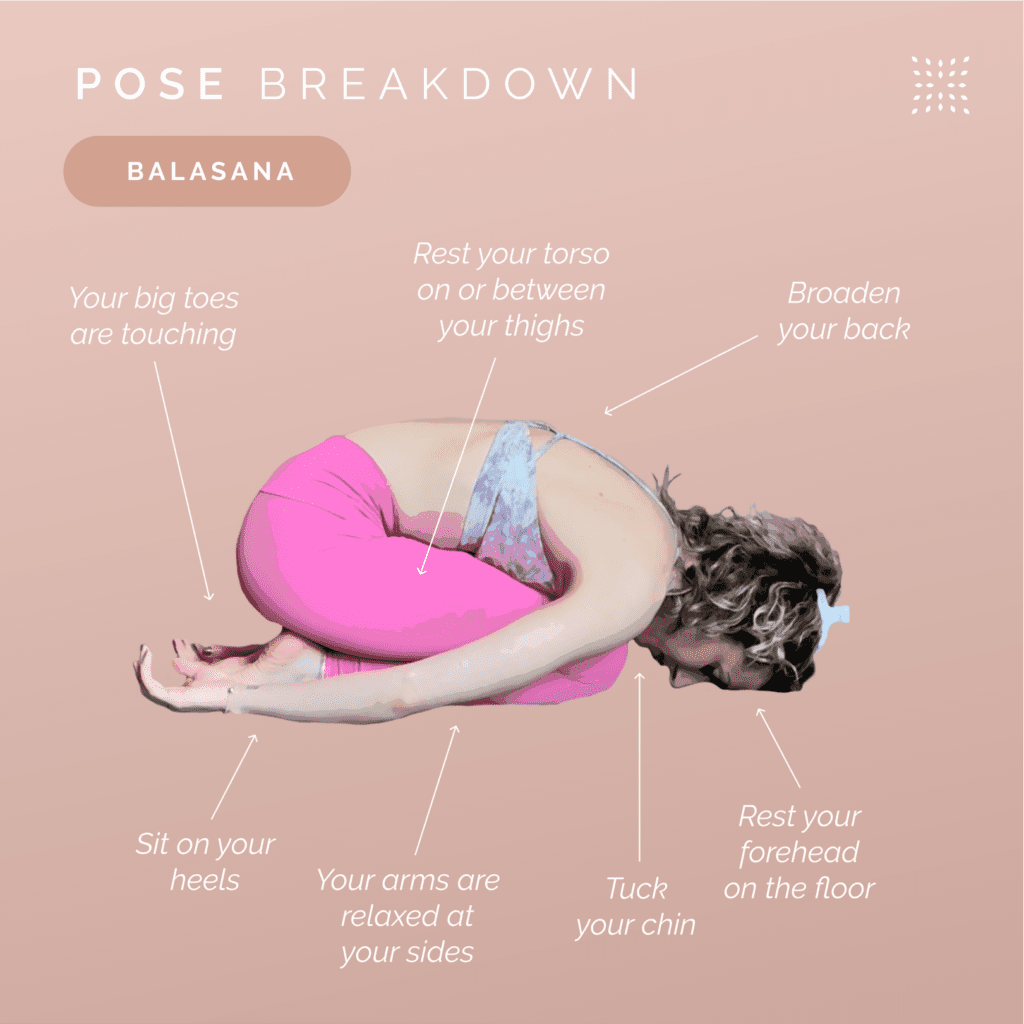
Child’s Pose, or Balasana in Sanskrit, is a foundational yoga posture known for its restorative and calming qualities. It’s a gentle, yet deeply beneficial pose suitable for all levels, from beginners to experienced practitioners. This pose offers a chance to release tension in the back, hips, and shoulders, while promoting relaxation and a sense of calm.The basic posture involves folding forward from the hips, resting the torso on the thighs, and extending the arms alongside the body or reaching forward.
Proper alignment ensures comfort and maximizes the pose’s benefits. The gentle stretch and release in this pose help to alleviate stress, promote flexibility, and enhance overall well-being.
Basic Posture and Alignment
This pose fosters a sense of grounding and tranquility. The core of the practice lies in maintaining a relaxed yet engaged posture. The hips should be in line with the knees, and the knees should be hip-width apart. The torso should rest comfortably on the thighs, with the forehead resting on the floor or a support like a folded blanket.
Arms should extend alongside the body, palms facing up, or reach forward, gently resting the hands on the floor or interlocked. The spine should be lengthened, and the shoulders relaxed.
Benefits of Practicing Child’s Pose
Child’s Pose offers a plethora of benefits, both physical and mental. The gentle stretch of the hips, thighs, and ankles promotes flexibility and reduces stiffness. It also provides a soothing effect on the nervous system, promoting relaxation and reducing stress and anxiety. The pose can be particularly helpful in relieving back pain and promoting a sense of calm and centeredness.
Alignment Considerations
A well-aligned Child’s Pose is key to experiencing its benefits fully. The following table highlights key alignment points, along with common mistakes to avoid.
| Body Part | Alignment | Common Mistakes |
|---|---|---|
| Hips | Hips should be in line with knees. Ensure that the hips are not elevated or dropping too low. | Dropping hips too low, leading to strain on the lower back. Elevating one hip higher than the other, potentially creating imbalances. |
| Knees | Knees should be hip-width apart. Ensure they are not too wide or too close together. | Knees too wide, causing strain on the inner thighs. Knees too close, limiting hip opening and stretch. |
| Torso | Torso should rest comfortably on the thighs, and the chest should be soft and relaxed. | Pushing the chest forward or rounding the back too much. Restricting the natural curve of the spine. |
| Arms | Arms should extend alongside the body or reach forward, palms facing up or resting gently on the floor. | Pulling arms too far forward, creating strain on the shoulders. Not relaxing the shoulders. |
| Forehead | Forehead should rest on the floor or a support. | Holding the forehead too high, potentially causing neck strain. |
Safe Entry Techniques
Entering Child’s Pose (Balasana) safely and effectively is crucial for maximizing its benefits and minimizing the risk of injury. Proper technique ensures that the pose is accessible and beneficial for individuals of varying flexibility levels. Understanding the modifications and the strategic use of props is essential for a comfortable and safe practice.A gradual and mindful approach to entering Child’s Pose from a standing position allows the body to adjust and prepare for the stretch.
This approach helps prevent strain and discomfort. By paying attention to the alignment of the body and using props strategically, individuals can tailor the pose to their specific needs and capabilities.
Step-by-Step Guide for Entering Child’s Pose
This structured approach facilitates a safe and controlled transition into Child’s Pose, optimizing the benefits while mitigating potential risks. Understanding the sequence of movements is vital for a safe and comfortable experience.
| Step | Action | Body Part Focus | Modifications |
|---|---|---|---|
| 1 | From a standing position, step your feet together and gently bend forward at your hips. | Hips, back, and spine | If you have tight hamstrings, place a block or blanket under your hips to provide support and reduce strain. |
| 2 | Keeping your spine straight, slowly lower your torso towards your thighs. | Spine, core, and hips | Individuals with tight hips can use a block or rolled-up blanket beneath their hips for support and comfort. |
| 3 | Bring your forehead to the floor, or rest it on a block or folded blanket for added support. | Neck, shoulders, and head | For individuals with neck pain, keep a gentle curve in the neck and avoid straining the neck. Consider using a rolled-up blanket under the forehead to further elevate it. |
| 4 | Extend your arms alongside your body, or rest them alongside your thighs. | Shoulders, arms, and upper back | If you have shoulder issues, keep your arms alongside your thighs or gently rest your hands under your shoulders. |
| 5 | Relax your shoulders and allow your hips to sink towards your heels. | Hips, shoulders, and lower back | If your hips are not reaching your heels, use a folded blanket or a bolster under your hips and thighs to provide support and promote relaxation. |
Prop Utilization for Entry and Support
Using props effectively enhances the safety and accessibility of Child’s Pose, catering to diverse needs and body types. This ensures a comfortable and supportive practice for all individuals.Using props like blankets, blocks, and bolsters can make the pose more accessible, allowing individuals to experience the benefits without undue strain.
- Blankets: Folding a blanket and placing it under the hips or knees can create extra cushioning and support, effectively mitigating discomfort and enhancing the pose’s accessibility for those with tightness in the hips or knees.
- Blocks: Blocks can be strategically placed beneath the forehead, knees, or hips to adjust the depth and support of the stretch. This allows for a more personalized and effective practice for different flexibility levels.
- Bolsters: A bolster can be used to support the upper body, creating a gentle elevation that reduces strain on the neck and shoulders. It can provide added support and comfort to the pose, making it more accessible for those with physical limitations.
Maintaining the Pose Correctly
Maintaining the correct alignment and posture in Child’s Pose (Balasana) is crucial for maximizing its benefits and minimizing the risk of discomfort or injury. Proper positioning of the body parts, combined with mindful breathing, ensures a safe and restorative experience. This section details the key aspects of maintaining the pose correctly.Correct alignment in Child’s Pose fosters a sense of groundedness and relaxation, encouraging the release of tension in the hips, back, and shoulders.
This, in turn, promotes a deeper sense of well-being and allows for greater exploration of the pose’s therapeutic potential.
Arm and Hand Positioning
Proper arm placement in Child’s Pose directly impacts the overall posture and comfort level. The arms are typically extended alongside the body, either straight or gently curved. The palms are usually facing up or down, depending on individual preference and comfort. Maintaining this position ensures a balanced distribution of weight and support for the upper body. This alignment also allows for the shoulders to relax and release any accumulated tension.
Hip and Thigh Positioning
The positioning of the hips and thighs plays a significant role in achieving a comfortable and beneficial Child’s Pose. The thighs should be drawn towards the floor, allowing for a gentle stretch along the inner thighs and groin. The knees should be slightly wider than hip-width apart, depending on individual anatomy and flexibility. Ensuring this proper positioning helps to create a stable base for the body, preventing any undue strain or pressure.
A deep stretch is also achieved by bringing the hips as close to the heels as possible.
Forehead and Chest Positioning
The forehead and chest play a vital role in the overall alignment and comfort in Child’s Pose. The forehead should rest gently on the floor or a rolled-up blanket, allowing for a release of tension in the neck and upper back. A relaxed chest position encourages a sense of openness and ease, allowing the breath to flow freely.
This position should not be forced; a slight inclination towards the floor is sufficient.
Relaxed and Even Breathing
Maintaining a relaxed and even breath is paramount in Child’s Pose. Slow, deep breaths help to calm the nervous system, further promoting relaxation and well-being. Consciously focusing on the breath helps to anchor the body in the present moment, minimizing distractions and enhancing the overall therapeutic experience. Regular and deep breaths are important to fully benefit from the pose’s calming and restorative effects.
Finding and Maintaining Comfort
Discovering and maintaining comfort in Child’s Pose is a personal journey. A rolled-up blanket or a folded towel placed under the forehead can provide additional support and comfort for those with sensitive foreheads. Using a bolster or pillow under the hips can also facilitate a deeper stretch and relieve any pressure points. Adjusting the position of the arms or legs can also be beneficial for finding an individual’s optimal comfort level.
Experimenting with these variations can help to find what works best for each practitioner.
Key Elements for Maintaining the Posture
| Body Area | Description | Benefits | Common Problems |
|---|---|---|---|
| Arms | Extended alongside the body, palms facing up or down. | Balanced weight distribution, shoulder relaxation. | Arms too high, tense shoulders. |
| Hips and Thighs | Thighs drawn towards the floor, knees slightly wider than hip-width. | Gentle stretch along inner thighs and groin, stable base. | Hips elevated, limited stretch. |
| Forehead and Chest | Forehead resting gently on the floor or support, relaxed chest. | Neck and upper back relaxation, open chest. | Forehead forced, tense chest. |
| Breath | Slow, deep, and even. | Calming nervous system, enhanced relaxation. | Shallow or erratic breathing. |
Safe Exit Techniques
Exiting Child’s Pose (Balasana) safely involves a gradual release of the stretch, avoiding sudden movements that could strain muscles or joints. Proper technique ensures a smooth transition back to a comfortable standing position, minimizing the risk of injury. Remembering to listen to your body and adjust the process as needed is crucial for a safe and effective exit.
Gradual Release of the Stretch
To prevent any sudden movements or jarring sensations, it’s vital to slowly release the stretch in Child’s Pose. This involves gently unwinding the muscles and joints, allowing the body to adjust gradually. Start by lengthening the spine, drawing the abdominal muscles in and lifting the chest slightly. This subtle movement creates space and prepares the body for the next steps.
Maintaining a conscious awareness of your body’s sensations is paramount during this process. Avoid forceful or abrupt movements, and always focus on a controlled, gentle release.
Transitioning to a Standing Position
Several methods can be employed to transition smoothly from Child’s Pose back to a standing position. One method involves rolling onto your side, using your hands to support your body as you come up to a seated position. From there, you can gently push off the floor and stand up, ensuring your body weight is distributed evenly. Another method involves bringing your knees towards your chest, then gently pushing up and back into a tabletop position, and from there, step or crawl your hands forward to a standing position.
Choosing the method that feels most comfortable and supportive to your body is key.
Using Props During the Exit
Props such as blankets or blocks can be extremely helpful in making the exit from Child’s Pose more comfortable and supportive. A folded blanket placed under your hips or knees can provide cushioning and support, reducing any strain or discomfort during the transition. A block positioned beneath your forehead or chest can help maintain a gentle stretch and support the neck and shoulders during the release.
The key is to choose the props that align with your specific needs and comfort level, ensuring they are strategically positioned to maximize support and ease the transition.
Step-by-Step Exit Guide
| Step | Action | Important Considerations |
|---|---|---|
| 1 | Gently lengthen the spine and lift the chest slightly. | Focus on maintaining a controlled, slow movement. |
| 2 | Inhale and bring your knees slightly closer to your chest. | Ensure your hips are not lifted excessively, and keep your back straight. |
| 3 | Exhale and bring one arm forward, and then the other. | Feel the stretch releasing gradually. Avoid any jerky movements. |
| 4 | Push up to a tabletop position, and use your hands to push yourself up to a seated position. | If using props, ensure they are positioned appropriately. |
| 5 | Gently push off the floor to stand up. | Keep your weight distributed evenly, and avoid any sudden movements. |
Modifications and Variations

Child’s Pose (Balasana) offers numerous modifications and variations to cater to diverse needs and enhance its benefits. These adaptations allow individuals with injuries, limitations, or those seeking deeper stretches to safely and effectively experience the pose’s advantages. Understanding these adjustments is crucial for a mindful and personalized yoga practice.
Modifications for Injuries and Limitations
Modifications are essential for accommodating individuals with specific physical limitations or injuries. These adjustments modify the pose’s intensity and alignment to prevent exacerbating existing conditions. By altering the pose’s components, practitioners can experience the benefits of Child’s Pose without compromising their well-being.
- Knee Issues: For individuals with knee pain or discomfort, placing a rolled-up blanket or bolster under the knees can effectively alleviate pressure and support the joints. This modification reduces stress on the knees and promotes comfort during the practice. For instance, if a practitioner experiences knee pain during the pose, utilizing a rolled-up blanket can alleviate the discomfort and maintain the practice’s benefits.
- Shoulder Issues: If shoulder mobility is limited, placing a rolled-up blanket or towel under the shoulders can effectively ease tension and support the upper body. This modification ensures the shoulders are supported, preventing discomfort and optimizing the pose’s benefits. In cases of shoulder impingement, the use of props provides support and helps prevent pain.
- Back Pain: Individuals with back pain can benefit from modifications that lessen spinal compression. Positioning a blanket or bolster under the torso, and keeping the spine in a neutral position, can provide significant relief. By strategically placing the prop, the practitioner can experience the calming effects of the pose without exacerbating back pain.
- Wrist Pain: If wrists are sensitive or injured, consider extending the arms forward, parallel to the floor, or placing them alongside the body. This modification ensures that the wrists are not subjected to undue stress and discomfort. Alternatively, placing the forearms flat on the floor with palms facing up can reduce wrist strain.
Variations for Enhanced Benefits
Beyond modifications for specific limitations, variations allow for deeper exploration of Child’s Pose, enhancing flexibility, relaxation, and spinal mobility.
- Extended Child’s Pose: Reaching the arms forward and extending the arms further away from the body creates a deeper stretch in the shoulders, back, and hips. This variation can promote better spinal mobility and relaxation. Practitioners may find this variation particularly helpful in improving shoulder and upper back flexibility.
- Child’s Pose with Knees Apart: Widening the knees apart can increase the stretch in the inner thighs and groin. This variation is beneficial for improving flexibility in the hips and groin area. By widening the knee separation, practitioners can experience a deeper stretch in the inner thighs.
- Child’s Pose with Arms Overhead: Lifting the arms overhead and extending them further can deepen the stretch in the shoulders and upper back. This variation encourages relaxation and enhances spinal mobility. For instance, individuals experiencing tightness in the shoulders can find this variation beneficial in relieving tension.
Comparison of Modifications
| Modification | Description | Suitable for |
|---|---|---|
| Knee Support | Placing a rolled-up blanket or bolster under the knees. | Individuals with knee pain, discomfort, or limited mobility. |
| Shoulder Support | Placing a rolled-up blanket or towel under the shoulders. | Individuals with limited shoulder mobility or discomfort. |
| Torso Support | Placing a blanket or bolster under the torso. | Individuals with back pain or seeking deeper relaxation. |
| Arm Modification | Extending arms forward, parallel to the floor, or alongside the body. | Individuals with wrist pain or injury. |
Use of Props in Modifications
Props are crucial tools in modifying Child’s Pose. They provide support and comfort, allowing practitioners to safely and effectively experience the benefits of the pose. For instance, a rolled-up blanket or bolster can support the knees, shoulders, or torso, thereby reducing pressure on sensitive areas. The careful selection and placement of props are key to a successful and comfortable practice.
Common Mistakes and How to Avoid Them
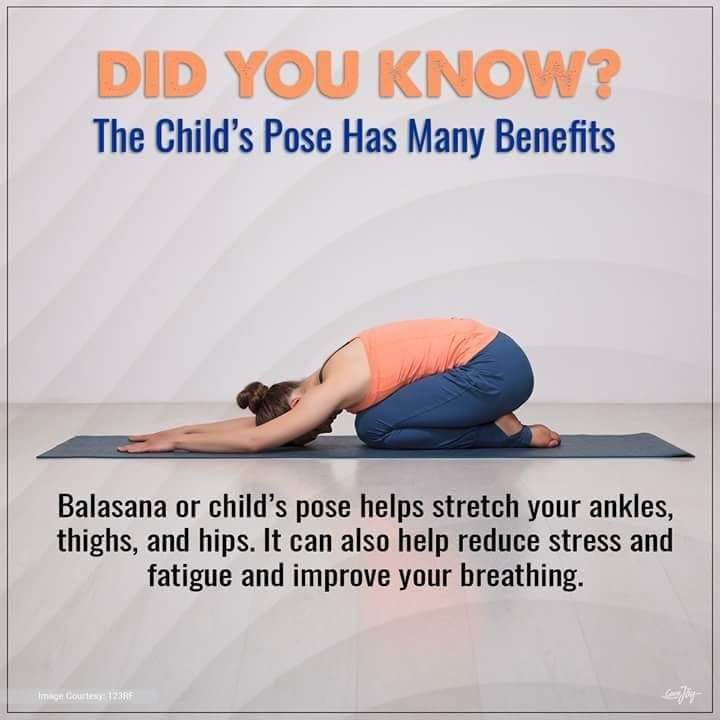
Practicing Child’s Pose (Balasana) safely and effectively involves understanding potential pitfalls. Identifying and correcting these common errors can significantly enhance your practice, promoting both physical comfort and deeper relaxation. This section highlights these typical mistakes, providing clear explanations and corrective measures.
Common Entry Mistakes
Entering Child’s Pose improperly can lead to strain in the hips, knees, or lower back. Understanding the correct alignment from the start is crucial.
- Rounding the back too sharply before settling into the pose. This can put unnecessary pressure on the lower back. Correctly, the spine should lengthen as you gently fold forward.
- Pushing the hips too high or too low in relation to the heels. This misalignment can affect the distribution of weight and lead to discomfort. The hips should rest comfortably towards the heels, ensuring even weight distribution.
- Not maintaining a neutral spine. If the spine is not aligned, it can cause strain and restrict the full benefits of the pose. Maintain a gentle curve in the spine, avoiding excessive rounding or straightening.
Common Posture Mistakes
Maintaining the pose requires proper alignment to achieve its intended benefits. Maintaining a relaxed yet engaged posture is key.
- Failing to keep the hips in line with the knees. This can lead to uneven weight distribution, discomfort, and potential injury. Ensure that the hips are relaxed and aligned with the knees, creating a balanced posture.
- Not distributing weight evenly across both sides of the body. This can lead to asymmetry in the pose and potential strain on one side. Actively engage the muscles on both sides of the body, distributing weight evenly across the body.
- Allowing the chest to collapse. This can restrict the breath and hinder relaxation. Keep the chest open and lifted, allowing for a full breath and promoting a sense of ease.
Common Exit Mistakes
Exiting Child’s Pose improperly can lead to abrupt movements and potential injury. A smooth and controlled exit is essential.
- Rushing the movement out of the pose. A hasty exit can lead to muscle strain and discomfort. Slowly and gently bring yourself back to a seated position.
- Pulling or jerking the arms. Avoid any sudden or forceful movements. Gently release the arms and slowly straighten the spine.
- Forgetting to maintain a neutral spine. A sudden shift in the spine during the exit can lead to pain or strain. Maintain a neutral spine throughout the movement.
Mistakes Table
| Mistake | Correction |
|---|---|
| Rounding the back too sharply during entry | Lengthen the spine as you fold forward, maintaining a gentle curve. |
| Pushing the hips too high or low | Relax the hips and position them towards the heels, ensuring even weight distribution. |
| Uneven weight distribution | Actively engage the muscles on both sides of the body, ensuring even weight across the body. |
| Chest collapsing | Keep the chest open and lifted, allowing for full breath and relaxation. |
| Rushing the exit | Slowly and gently bring yourself back to a seated position. |
| Pulling or jerking the arms | Gently release the arms and straighten the spine slowly. |
| Losing spinal alignment during exit | Maintain a neutral spine throughout the exit movement. |
Precautions and Considerations
Child’s Pose, while generally a safe and restorative posture, does have certain precautions and considerations. Understanding these factors allows practitioners to modify the pose or avoid it altogether in specific situations, ensuring a positive and injury-free practice. Careful attention to individual needs and limitations is crucial for maximizing the benefits of this pose while minimizing potential risks.Proper modifications and awareness of contraindications are essential to adapt the pose to individual needs and circumstances.
This involves understanding potential risks, identifying situations where the pose might be unsuitable, and knowing how to modify the posture to address specific needs or conditions.
Potential Risks and Contraindications
Certain individuals may find Child’s Pose challenging or even unsuitable due to pre-existing conditions. These factors should be carefully considered before practicing the pose.
- High Blood Pressure: In some cases, the lowered blood pressure position of child’s pose might be problematic for individuals with high blood pressure. If experiencing dizziness or discomfort, the pose should be modified or avoided.
- Neck Injuries: Individuals with neck injuries should exercise caution in child’s pose. The extended neck position might exacerbate pain or discomfort. Modifications, such as placing a rolled-up blanket under the forehead, might help alleviate this.
- Eye Conditions: People with certain eye conditions may find pressure on the eyes uncomfortable or unsuitable in Child’s Pose. Adjusting the position, or avoiding the pose entirely, is essential for their well-being.
- Pregnancy: During pregnancy, the growing belly and shifting center of gravity can make certain poses, including Child’s Pose, less comfortable. Adjustments and alternatives should be considered. A healthcare provider’s advice is crucial for safe exercise during pregnancy.
- Recent Surgery or Injuries: Individuals who have recently undergone surgery or have injuries in the lower back, hips, or knees should avoid Child’s Pose, or practice with caution and under the guidance of a healthcare professional.
- Hernia: Individuals with hernias should avoid Child’s Pose due to the potential pressure on the abdomen. Consult a medical professional before engaging in any exercise.
Modifying Child’s Pose for Specific Needs
Adapting Child’s Pose to accommodate individual needs and limitations is crucial.
- Back Pain: If experiencing back pain, modify the pose by placing a bolster or folded blanket beneath the hips to reduce the pressure on the lower back. This helps maintain a comfortable spinal curve.
- Shoulder or Neck Issues: Individuals with shoulder or neck issues can modify Child’s Pose by extending their arms out to the sides, keeping them relaxed, or by supporting the forehead on a folded blanket or pillow to avoid strain.
- Pregnancy: During pregnancy, a bolster under the belly or knees can provide additional support and comfort. A variation with the knees wider than hip-width apart can help accommodate the growing belly. Consult a healthcare provider before modifying the pose during pregnancy.
Situations Where Child’s Pose Might Not Be Suitable
Certain situations may make Child’s Pose less beneficial or even contraindicated.
- Recent abdominal surgery or hernias: In these situations, the pressure on the abdomen can be problematic. Consult with a medical professional before engaging in any exercise.
- Acute Injuries: If experiencing acute pain in the lower back, hips, or knees, Child’s Pose might not be appropriate. Listen to your body and avoid the pose until the pain subsides.
Illustrations and Visual Aids
Visual aids are crucial for effectively demonstrating the nuances of Child’s Pose (Balasana). Illustrations provide a clear and concise representation of proper alignment, entry techniques, and safe exits, making the learning process more accessible and understandable. They serve as a valuable reference point, enabling practitioners to visualize and replicate the postures correctly.
Proper Posture Illustration
A well-executed illustration of Child’s Pose will depict the practitioner seated on their heels with their big toes touching. The knees are positioned wide apart, ideally touching or close to each other. The torso is gently folded forward, resting on the thighs. The forehead should be gently placed on the floor or a folded blanket for comfort.
The arms are extended forward, palms facing up, alongside the body or slightly ahead, with the shoulders relaxed and the upper back pressed against the thighs. The illustration should emphasize the natural curvature of the spine and the relaxation of the entire body. The overall impression should be one of deep relaxation and stretch, particularly in the hips and lower back.
A gentle smile or calm expression on the face can further convey the relaxed state of the pose.
Safe Entry Technique Illustration
A clear illustration of a safe entry technique should depict a gradual approach. The practitioner should start in a kneeling position, feet together or slightly apart, with the knees hip-width apart. The practitioner should then gently fold forward, placing their hands on the floor in front of them. This illustration should show a progressive lowering of the torso towards the thighs, maintaining a straight back until the forehead touches the floor.
The illustration should highlight the importance of maintaining a controlled and steady movement, avoiding any sudden or jarring movements. The knees should be kept as close to the hips as possible during the entire entry process.
Safe Exit Technique Illustration
The illustration for a safe exit from Child’s Pose should clearly demonstrate a gradual and controlled process. The practitioner should start with their forehead on the floor and their arms extended alongside the body. The illustration should progressively show the practitioner lifting their torso slightly, keeping their back straight, and using their arms to support the movement. The illustration should showcase the gentle and controlled lifting of the torso and the gradual straightening of the spine.
The practitioner should then slowly bring their knees together and return to a kneeling position, maintaining a stable and mindful approach to the exit.
Final Thoughts
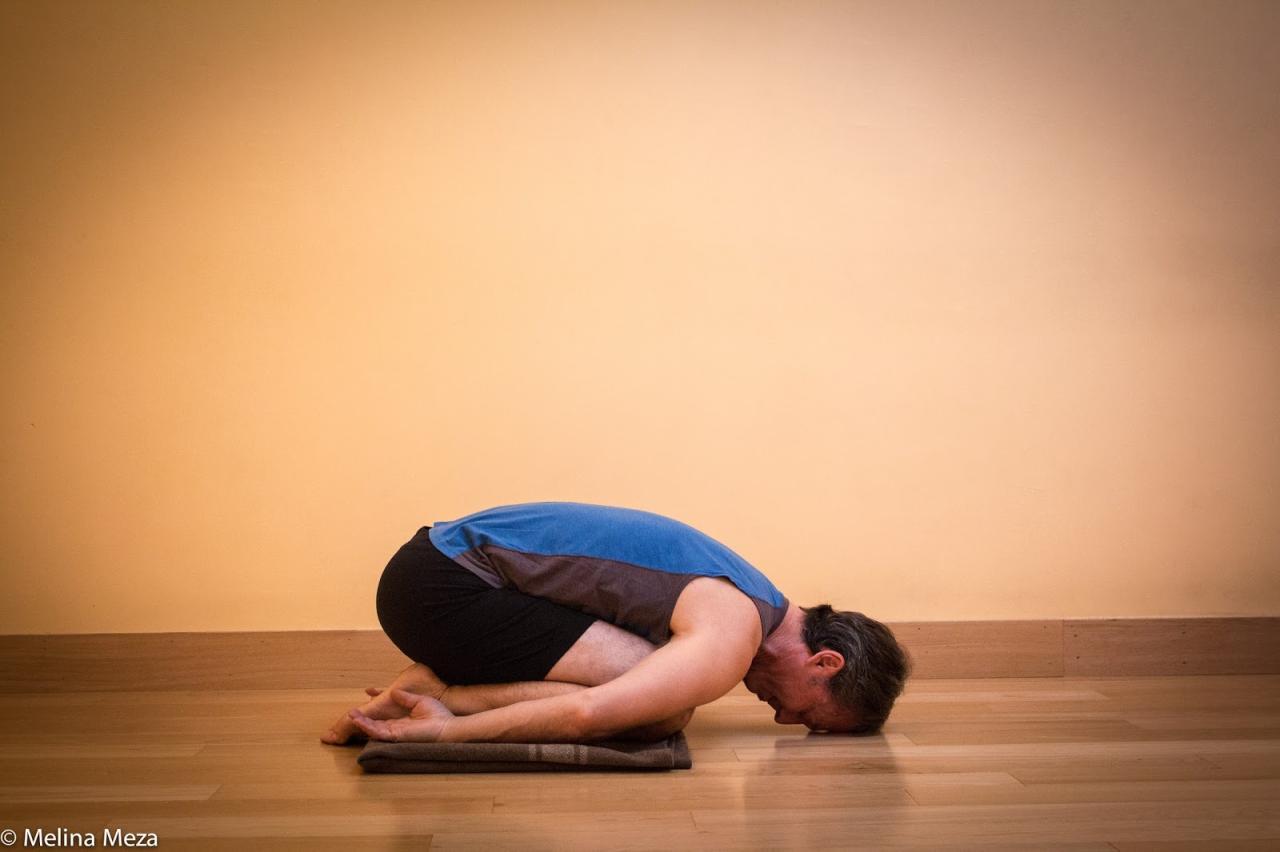
In conclusion, mastering Child’s Pose involves understanding its proper alignment, safe entry and exit techniques, and crucial modifications. By diligently following the detailed steps and insights provided in this guide, you can reap the numerous benefits of this restorative pose while minimizing the risk of injury. Remember to listen to your body, and always prioritize safety in your practice.