Unlock the secrets of balance and stability with our comprehensive guide on How to Hold Tree Pose (Vrikshasana). This ancient yoga posture, known as Vrikshasana, offers a wealth of benefits beyond improved balance, including enhanced body awareness and a deeper connection to your inner strength. Discover the fundamentals, techniques, and safety considerations to master this powerful pose, transforming your practice and well-being.
This in-depth guide will walk you through the key elements of Tree Pose, from understanding its anatomical alignment and variations to developing balance and maintaining proper posture. We will explore methods for improving balance, grounding, and focus, along with safety precautions and modifications for different body types and experience levels. Detailed imagery and step-by-step instructions will solidify your understanding and provide a clear path to success.
Understanding Tree Pose (Vrikshasana) Fundamentals
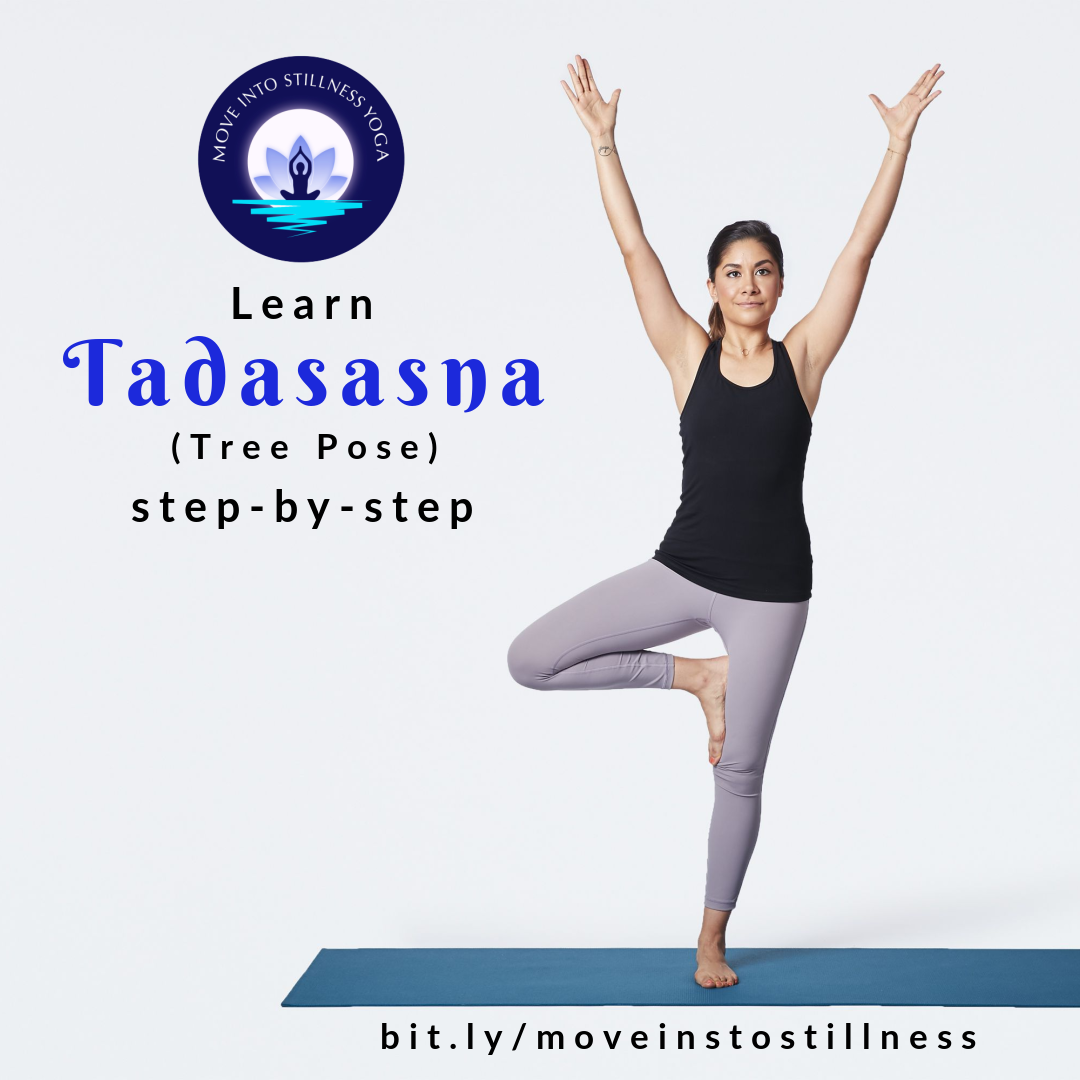
Tree Pose, or Vrikshasana, is a foundational standing posture in yoga, renowned for its ability to enhance balance and stability. It offers a multitude of benefits, making it a valuable practice for individuals of all levels. By understanding the fundamentals of this pose, practitioners can cultivate a deeper connection with their body and reap its numerous advantages.Practicing Vrikshasana strengthens the body’s core, improving overall balance and coordination.
This enhanced balance translates into a more stable and grounded sense of self, promoting confidence in daily activities. It also enhances proprioception, the body’s awareness of its position in space, leading to a more mindful and connected movement experience.
Benefits of Practicing Vrikshasana
Vrikshasana offers a wide range of benefits, including improved balance, increased stability, and enhanced focus. It also strengthens the legs, ankles, and core, contributing to overall body awareness and mindfulness. The pose promotes grounding and stability, which can positively impact emotional well-being.
Anatomical Alignment in Vrikshasana
Correct alignment in Vrikshasana is crucial for maximizing its benefits and minimizing the risk of injury. The feet, knees, hips, and spine play pivotal roles in achieving a stable and balanced posture.
- Feet: The base of support is essential. The standing foot should be firmly planted on the ground, with the heel pressing into the floor. The toes can point slightly outward, but maintaining a stable base is paramount.
- Knees: The knee of the supporting leg should be aligned directly over the ankle. Avoid collapsing the knee inward or outward.
- Hips: The hips should remain level, avoiding tilting to one side. This ensures even weight distribution.
- Spine: Maintain a natural spinal alignment, lengthening the spine from the base of the tailbone to the crown of the head. Avoid rounding or arching the back. A straight spine helps maintain balance and stability.
Variations of Vrikshasana
Different variations of Vrikshasana cater to diverse levels of experience and physical limitations. These adaptations ensure accessibility and safety for all practitioners.
- Beginner Variation: For beginners, placing the sole of the supporting foot on the inner thigh, instead of the inner calf, provides a more stable base and reduces the challenge.
- Intermediate Variation: Gradually progress to placing the sole of the supporting foot on the inner calf, ensuring the foot is actively engaged and providing a deeper stretch.
- Advanced Variation: For those with greater balance and flexibility, the sole of the supporting foot can be placed higher on the inner thigh, or even on the hip, while maintaining a steady and grounded posture.
Hand and Arm Placement
The positioning of the hands and arms in Vrikshasana complements the posture and aids in maintaining balance.
- The hands can be placed together in front of the chest, or in prayer position, or even resting on the hips. The arms can be extended overhead, but this is typically reserved for more advanced practitioners.
Common Mistakes and Alignment Guide
| Body Part | Alignment | Common Mistakes to Avoid |
|---|---|---|
| Feet | Firmly planted on the ground, heel pressing into the floor | Weight shifting, placing the foot on the inner calf or higher |
| Knees | Aligned directly over the ankle | Collapsing inward or outward |
| Hips | Level, avoiding tilting | Tilting to one side, compromising balance |
| Spine | Lengthened, natural alignment | Rounding or arching the back |
| Hands and Arms | Relaxed, stable, in front of the chest or on the hips | Unnecessary tension or rigidity in the arms |
Developing Balance for Tree Pose
Mastering Tree Pose (Vrikshasana) hinges significantly on developing robust balance. This involves a multifaceted approach encompassing both physical and mental strategies. Effective balance training requires a conscious effort to integrate body awareness, core strength, and a focused mind. By understanding these interconnected elements, practitioners can progressively enhance their stability and comfort within the pose.
Core Engagement and Grounding
Core engagement plays a crucial role in Tree Pose balance. A strong core acts as a stabilizing foundation, providing support and connecting the upper and lower body. Simultaneously, grounding is essential; this involves directing energy downward into the supporting leg and the earth beneath. Imagine a deep root system anchoring the tree to the ground. This feeling of connection fosters stability and allows for a more secure posture.
Stable Base and Foot Placement
Creating a stable base is paramount. Proper foot placement directly influences balance. The supporting foot should be firmly planted on the floor, with the sole flat and evenly distributed pressure across the entire foot. This creates a wider base of support, enhancing stability. Experiment with different foot placements to discover what feels most secure and comfortable.
Balance Enhancing Warm-up Exercises
Incorporating balance-enhancing exercises into a warm-up routine can significantly improve stability. Simple exercises such as standing on one leg while brushing your toes, heel raises, and gentle swaying from side to side can prepare the body for the demands of Tree Pose. These activities gradually build strength and proprioception, which are essential for maintaining balance.
Utilizing Gaze and Focus
Gaze and focus are powerful tools for improving stability in Tree Pose. Maintaining a steady gaze on a single point, such as a specific spot on the wall or a fixed object in front of you, helps to center the mind and body. This focused attention reduces distractions and promotes a sense of grounding, enhancing stability. Avoid looking around, as this will destabilize your posture.
Progression from Beginner to Advanced Levels
- Beginner Level: Begin by standing with your feet together. Bring one foot to the inner thigh of the other leg, ensuring your knee points outwards. Keep your core engaged and maintain a stable gaze. Hold for 30 seconds, repeat on the other side.
- Intermediate Level: Gradually increase the duration of the hold to 1 minute. Practice balancing with your hands on your hips or placed on the ground. As you gain confidence, explore slightly lifting your arms overhead, maintaining a steady posture.
- Advanced Level: Try balancing with your hands lifted to the sides or overhead. Practice holding the pose for longer periods. Experiment with closing your eyes, while maintaining balance and a stable posture. Focus on maintaining the core engagement and grounding. Consider advanced variations by bringing your palms together at your heart center, or placing one hand on your heart and the other on your lower belly.
Maintaining Proper Posture and Body Awareness
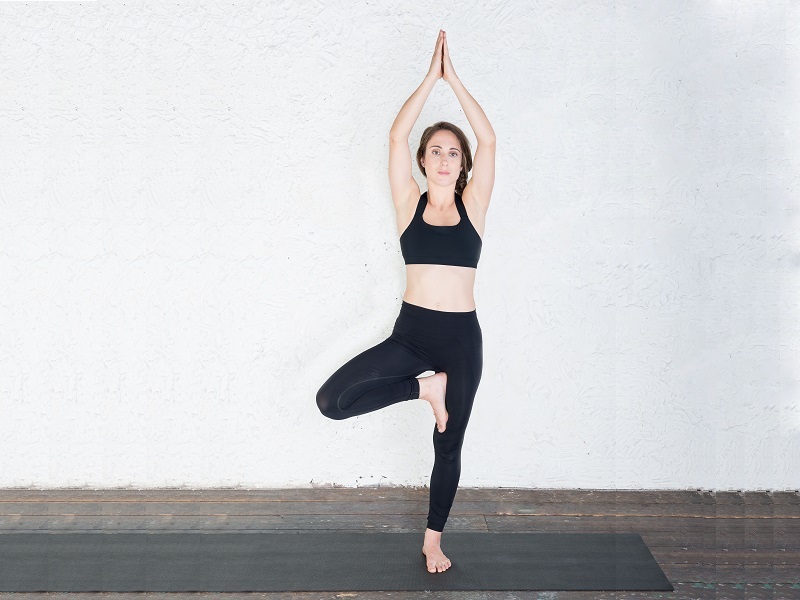
Maintaining a stable and balanced Tree Pose (Vrikshasana) relies significantly on proper posture and body awareness. This involves more than just placing one foot on the other leg; it requires a mindful engagement of the entire body. A strong foundation in posture allows for better balance, reduces strain, and enhances the overall experience of the pose.
Importance of a Tall Spine
A tall spine is crucial for maintaining balance and aligning the body’s energy. It creates a vertical line of stability, allowing gravity to be distributed evenly. This vertical alignment aids in distributing weight effectively through the legs and feet, making the pose more sustainable. Maintaining a lengthened spine also promotes a sense of grounding and connection to the earth, which further enhances balance.
Engaging Leg and Core Muscles
Engaging the muscles of the legs and core is essential for stability in Tree Pose. Activating the quadriceps, hamstrings, and calf muscles of the supporting leg provides a strong base. Simultaneously, engaging the core muscles, including the abdominal and back muscles, creates a strong internal support system. This integrated muscular engagement aids in countering the forces of gravity and maintaining equilibrium.
Relaxed and Engaged Upper Body
A relaxed and engaged upper body is vital for a balanced Tree Pose. Relaxation in the shoulders and upper back prevents unnecessary tension and allows for a natural extension of the spine. Simultaneously, engaging the shoulder blades and upper back muscles creates a sense of stability and prevents the body from swaying. This balanced engagement fosters a calm and centered state, improving the overall experience of the pose.
Adjustments for Different Body Types
Individuals possess varying body types and limitations. Therefore, modifications are essential to accommodate these differences and ensure a safe and effective practice. For example, individuals with shorter legs may need to place the foot lower on the thigh or calf, while those with longer legs may find it more comfortable to place the foot higher on the thigh.
Adjustments also depend on the flexibility and mobility of the hips and ankles.
Using Breath to Support Balance and Posture
Breath plays a significant role in maintaining balance and posture during Tree Pose. Conscious and controlled breathing helps regulate the nervous system, promoting a sense of calm and focus. Deep, slow breaths center the mind and body, improving the ability to maintain balance and awareness. Incorporating the breath into the practice allows for a more mindful and effective experience.
Modifications for Different Body Types
| Body Type | Modifications |
|---|---|
| Shorter Legs | Place the foot lower on the thigh or calf. |
| Longer Legs | Place the foot higher on the thigh. |
| Limited Hip Flexibility | Use a chair or wall for support if needed. Modify the placement of the supporting leg. |
| Limited Ankle Mobility | Ensure the foot is placed firmly on the leg, avoiding any strain or discomfort. |
| Stiffness in Upper Body | Avoid excessive tension in the shoulders and upper back. Engage shoulder blades gently. |
Safety Considerations and Modifications
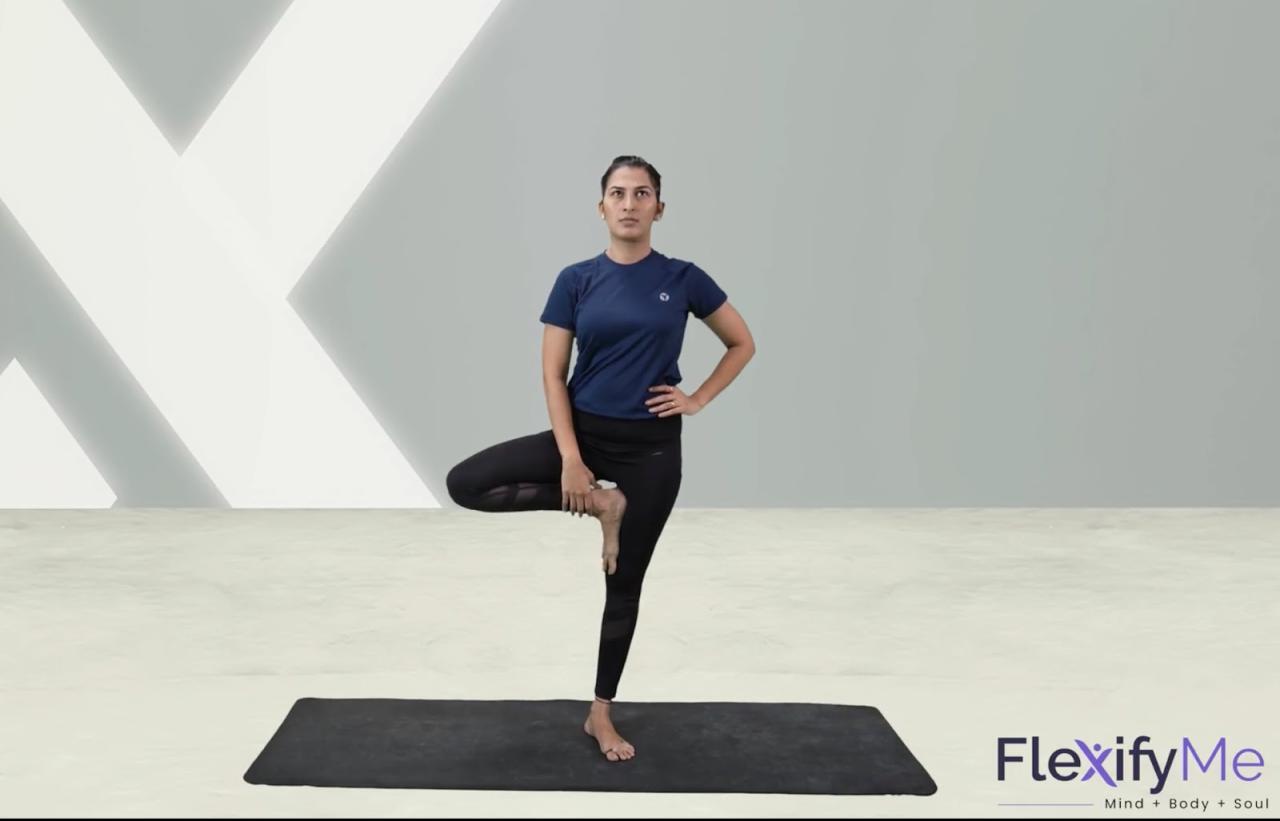
Practicing Tree Pose (Vrikshasana) can be a rewarding experience for improving balance and stability. However, like any yoga posture, it’s crucial to approach it with awareness of potential risks and modifications to ensure safety and avoid injuries. Understanding the appropriate precautions and adjustments tailored to individual needs is essential for a positive and injury-free practice.
Potential Risks and Precautions
Proper alignment and awareness are key to preventing injuries during Tree Pose. Improper placement of the standing leg or the supporting hand can strain joints and muscles. Maintaining a stable base and focusing on breath coordination are essential precautions. Over-stretching or forcing the pose can also lead to discomfort or injury. It’s vital to listen to your body and not push beyond your current limitations.
Modifications for Injuries or Physical Limitations
Modifications are crucial for adapting the pose to individual needs. Individuals with injuries or physical limitations may need adjustments to avoid exacerbating existing problems. For example, someone with knee pain might need to modify the placement of the standing leg or use a support. Those with back issues might need to adjust the spine alignment or use a wall for support.
Consult with a healthcare professional or experienced yoga instructor for personalized modifications.
Adaptations for Different Levels of Experience
Tree Pose can be modified for beginners and advanced practitioners. Beginners might start by placing the foot closer to the inner thigh or calf, holding onto a wall or chair for support, or practicing with a wider stance. As balance improves, the foot can be placed higher on the inner thigh. Advanced practitioners can explore variations like closing the eyes or extending the arms overhead.
Important to listen to your body and adjust the pose based on your level of experience.
Warm-up and Cool-down Exercises
Proper warm-up and cool-down exercises are essential before and after Tree Pose practice. A dynamic warm-up, including gentle leg swings and hip circles, prepares the muscles and joints for the pose. A static cool-down, holding stretches like hamstring and quad stretches, helps the body recover and prevents stiffness. Consistent warm-up and cool-down routines help reduce the risk of muscle strains and sprains.
Common Injuries and Prevention
- Knee Injuries: Ensure the knee of the supporting leg is directly aligned with the ankle. Avoid forcing the knee past the ankle. Using a support, such as a chair or wall, can help stabilize the knee. Proper alignment is crucial. Knee pain can also be a sign of underlying issues, such as patellofemoral pain syndrome or osteoarthritis, so consult a healthcare professional if necessary.
- Ankle Sprains: Maintaining a stable base and avoiding over-rotation of the ankle is vital. Ensure the standing leg is firmly planted, avoiding twisting movements. If you experience pain or instability, immediately stop the practice. Gradual progression and proper technique can significantly reduce the risk of ankle sprains.
- Back Pain: Maintain a neutral spine throughout the pose. Avoid arching or rounding the back excessively. Focus on engaging the core muscles to support the spine. Proper alignment is crucial for back pain prevention.
These modifications and precautions will help you practice Tree Pose safely and effectively, allowing you to reap the benefits of this beneficial yoga posture. Remember to listen to your body and adjust the pose based on your individual needs.
Illustrative Examples and Imagery
Visual aids are crucial for understanding and practicing Tree Pose (Vrikshasana). Clear demonstrations and examples, along with visual representations of proper alignment, modifications, and common mistakes, significantly enhance the learning process and help practitioners refine their technique. This section provides detailed visual representations of various aspects of the pose.
Proper Alignment in Tree Pose
Understanding the proper alignment of each body part in Tree Pose is fundamental to achieving balance, stability, and a deeper connection with the pose. This involves a mindful awareness of your body’s position in relation to gravity and the ground.
- Feet: The base foot should be firmly planted on the floor, with the toes pointing straight forward. The heel should be pressing down firmly to ensure a stable base. The weight should be distributed evenly across the entire foot.
- Standing Leg: The standing leg should be straight, with the knee slightly bent, and the inner thigh or shin pressing against the inner side of the standing leg. This positioning ensures a balanced and secure base for the upper body.
- Core Engagement: The core muscles should be engaged and pulled in to stabilize the spine and provide a firm foundation for the upper body.
- Hips: The hips should be squared and facing forward, avoiding any twisting or tilting. Maintaining a neutral pelvic position is vital for balance and posture.
- Spine: The spine should be elongated and aligned, maintaining its natural curve. Avoid rounding the back or arching it excessively.
- Chest and Shoulders: The chest should be open and lifted, shoulders relaxed and down away from the ears. Avoid hunching the shoulders or allowing them to rise towards the neck.
- Arms and Hands: The arms can be placed in various positions, such as resting on the floor, on the thighs, or raised above the head. In Tree Pose, the arms are often positioned in a relaxed and natural way that supports the body’s alignment and balance. The hands can be placed at the hips or the heart center, as well.
- Head: The head should be aligned with the spine, avoiding tilting or turning it excessively.
Modifications for Tree Pose
Modifications are essential for individuals with varying levels of flexibility, balance, and physical limitations. These adjustments help in safely and effectively engaging with the pose.
- Using a Wall or Chair: For individuals who struggle with balance, placing a hand on a wall or chair for support can be helpful. This modification allows practitioners to focus on maintaining proper alignment and body awareness without the added pressure of maintaining balance.
- Standing Leg Variation: The standing leg can be bent at the knee, with the foot resting on the inner thigh. This variation helps to gradually build strength and balance in the pose.
- Knee Placement: If a practitioner is not able to bring the foot to the inner thigh, they can place the foot on the calf muscle of the standing leg. This allows for gradual progression toward the full pose.
- Arm Placement: The arms can be placed in various positions, such as resting on the floor, on the thighs, or raised above the head. In Tree Pose, the arms are often positioned in a relaxed and natural way that supports the body’s alignment and balance.
Levels of Balance and Stability
Tree Pose can be adapted to various levels of balance and stability. Practitioners can gradually increase the challenge by reducing support and focusing on maintaining equilibrium.
- Beginner: Practitioners can begin by placing the sole of one foot on the inner thigh of the other leg, keeping the hand on a wall or chair for support. This helps build awareness of alignment and balance.
- Intermediate: Gradually remove support and focus on keeping the foot on the inner thigh or calf. The hands can be placed on the hips, or raised above the head. Maintaining a stable core is crucial at this level.
- Advanced: Advanced practitioners can try placing the foot higher up the inner thigh, closer to the groin. This is a more challenging variation that requires significant core strength and balance.
Common Mistakes to Avoid
Understanding common mistakes can prevent injuries and improve the effectiveness of Tree Pose practice.
- Leaning: Avoid leaning excessively into the pose. Focus on maintaining a straight spine and balanced posture.
- Twisting: Avoid twisting the hips or torso. Maintain a neutral spine and square hips.
- Pulling on the standing leg: Avoid pulling on the standing leg or forcing the balance. Instead, focus on engagement and alignment.
- Uneven Weight Distribution: Ensure that the weight is evenly distributed throughout the standing leg and the base foot.
- Forcing the pose: Do not force the foot to go higher up the leg if it causes pain or discomfort. Focus on gradual progression and proper alignment.
Complete Tree Pose Practice Sequence
A complete Tree Pose practice sequence should emphasize safety and gradual progression.
- Starting Position: Stand with feet together, grounding yourself in the present moment, and taking a few deep breaths to center yourself.
- Moving into the Pose: Gently shift weight onto one leg, bringing the opposite foot to the inner thigh or calf. Keep your core engaged and spine straight. Ensure that the standing leg is stable and grounded.
- Maintaining the Pose: Extend your arms up, or place them on your hips, or at your heart center, maintaining a stable posture. Gaze at a fixed point to enhance balance. Hold the pose for 30 seconds to 1 minute, breathing deeply and focusing on maintaining proper alignment.
- Releasing the Pose: Slowly release the pose by bringing the foot back to the ground, gently returning to the standing position. Take a few breaths to recover.
- Repeat: Repeat on the other side, ensuring that you practice with awareness and respect for your body.
Closure
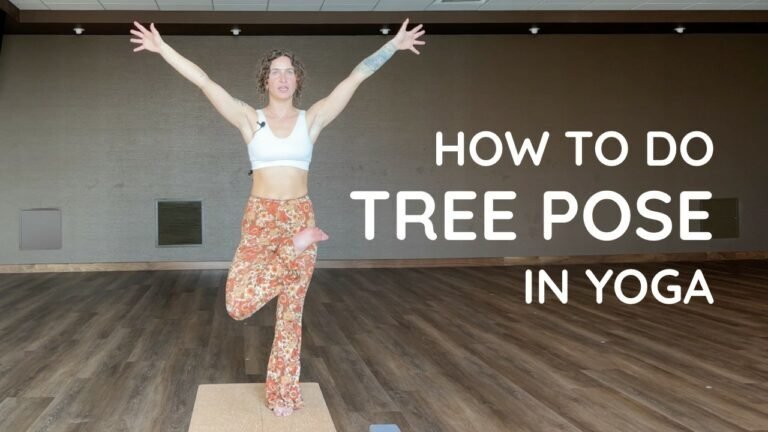
In conclusion, mastering Tree Pose (Vrikshasana) is a journey of self-discovery and empowerment. This guide has provided a comprehensive understanding of the pose, from its fundamental principles to advanced techniques and safety considerations. By incorporating the principles Artikeld here, you can cultivate greater balance, body awareness, and overall well-being. Remember to practice mindfully, listen to your body, and progress gradually to achieve optimal results.
Embrace the transformative power of this profound yoga posture.