Embark on a transformative yoga journey, free from common pitfalls. This comprehensive guide meticulously details how to avoid the most frequent errors made by beginners, ensuring a safe and effective practice. From understanding proper alignment to mastering breathing techniques, we’ll equip you with the knowledge to optimize your yoga experience.
This guide covers crucial aspects like common beginner mistakes, alignment and posture, breathing techniques, modifications and adaptations, practicing mindfully, seeking guidance, using props effectively, and illustrating common mistakes. Each section provides detailed explanations, examples, and visual aids to help you grasp the concepts quickly and easily.
Understanding Common Beginner Mistakes
Yoga, a practice aimed at enhancing physical and mental well-being, can be challenging for beginners. Mastering the postures and understanding proper alignment is crucial to avoid injury and maximize the benefits. Common errors, often stemming from a lack of understanding or proper guidance, can hinder progress and lead to discomfort. This section will delve into five frequent mistakes, exploring their underlying physiological reasons and potential consequences.
Five Most Prevalent Yoga Mistakes by Beginners
Understanding the most common mistakes beginners make in yoga is vital for achieving a safe and effective practice. These errors, often subtle, can impact the effectiveness and enjoyment of the practice. By identifying these common pitfalls, beginners can work toward better alignment and posture, maximizing the benefits and minimizing the risks.
- Incorrect Spinal Alignment: Beginners often fail to maintain a neutral spine throughout various poses. This can result from a lack of awareness or difficulty in isolating the core muscles. Poor spinal alignment can lead to strain on the back, neck, and shoulders, potentially resulting in chronic pain and discomfort. Proper spinal alignment involves engaging the core muscles, maintaining a natural curve in the spine, and avoiding excessive arching or rounding.
- Insufficient Breath Control: Many beginners neglect the importance of controlled breathing during yoga practice. This often leads to shallow breathing, which can restrict oxygen flow to the muscles, reducing the effectiveness of the poses and potentially leading to dizziness or lightheadedness. Holding the breath during a challenging pose can also negatively impact the body’s natural oxygen-carbon dioxide exchange, causing tension and pain.
- Overstretching/Pushing Limits: Enthusiasm for yoga can sometimes lead to overstretching, particularly in poses that are new or unfamiliar. Pushing the body beyond its current flexibility limits can cause muscle strains, tears, or joint injuries. This often leads to a decrease in enthusiasm and can deter beginners from continuing their practice. Gradual stretching and listening to the body’s signals are essential for safe progress.
- Ignoring Body Awareness: Lack of awareness of one’s body limits and limitations is another prevalent issue. Beginners may struggle to understand the subtle cues their body sends. This can lead to inappropriate alignment and improper engagement of muscles, potentially causing injuries. Mindful awareness and a gradual progression in poses, while listening to the body’s signals, are crucial to avoid injury.
- Inadequate Warm-up/Cool-down: Many beginners skip or underestimate the importance of proper warm-up and cool-down routines. Without a warm-up, muscles are not prepared for the demands of stretching, increasing the risk of injury. Skipping cool-down routines can leave the body in a tense state, potentially affecting recovery and long-term flexibility. A thorough warm-up and cool-down routine can significantly reduce the risk of injuries and improve the overall yoga experience.
Comparing Correct and Incorrect Alignment
This table illustrates the difference between proper and improper alignment in two common yoga poses.
| Pose | Incorrect Alignment | Correct Alignment | Physiological Reason for Incorrect Alignment | Potential Negative Consequences |
|---|---|---|---|---|
| Downward-Facing Dog | Arched back, sagging shoulders, and tight hamstrings. | Neutral spine, shoulders relaxed, and hamstrings engaged. | Lack of core engagement and insufficient hamstring flexibility. | Back pain, shoulder impingement, and possible hamstring strains. |
| Warrior II | Bent knees, uneven hips, and collapsed chest. | Stable knees, aligned hips, and lifted chest. | Lack of leg strength and core stability. | Knee pain, hip misalignment, and difficulty maintaining balance. |
Alignment and Posture
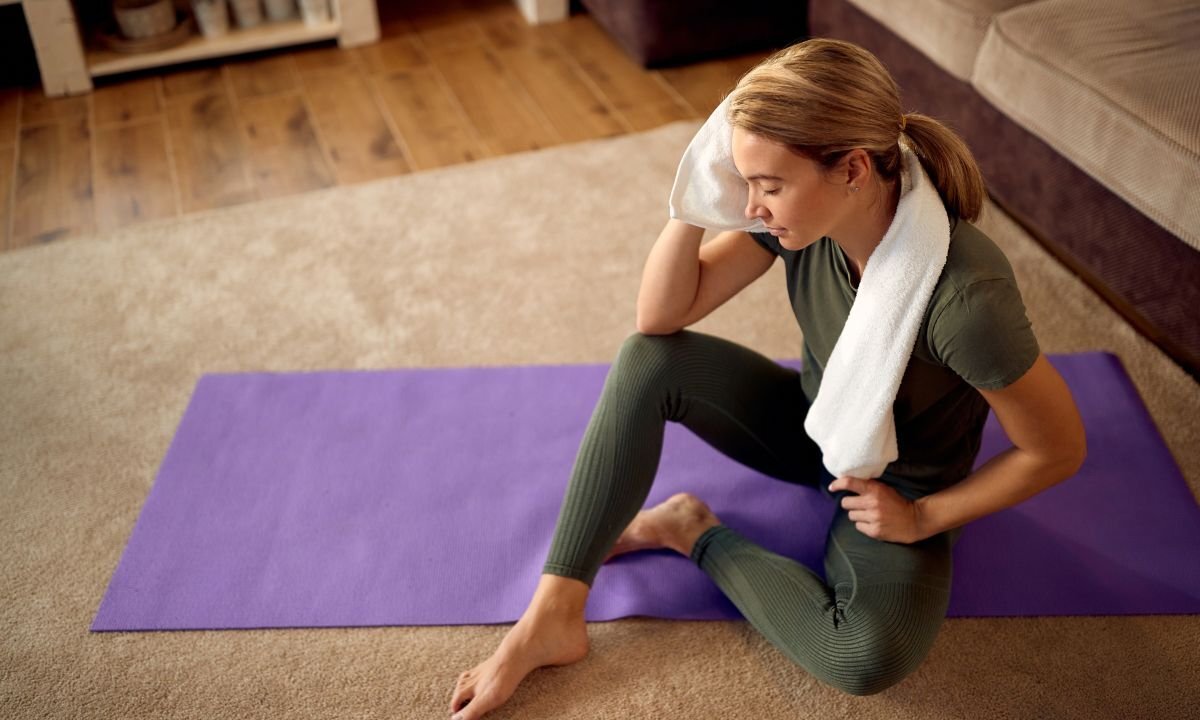
Proper alignment and posture are fundamental to a safe and effective yoga practice. Maintaining correct posture throughout various poses enhances the benefits of the practice while minimizing the risk of injury. It also improves the overall experience by increasing the feeling of well-being and efficiency. Understanding the principles of alignment is key to progressing in your yoga journey.Maintaining proper spinal alignment during yoga is crucial for overall well-being and avoiding injuries.
A correctly aligned spine supports healthy posture, promotes efficient energy flow, and allows for deeper stretches and greater range of motion. Correct spinal alignment also aids in the proper engagement of core muscles, which are essential for stability and balance in various poses.
Standing Pose Alignment
Correct posture in standing poses, such as Tadasana (Mountain Pose) and Virabhadrasana (Warrior Pose), is achieved by engaging the core muscles and distributing weight evenly on both feet. The spine should be long and straight, not rounded or slumped. The shoulders should be relaxed and down, away from the ears. The gaze should be directed forward, maintaining a natural neck alignment.
The pelvis should be gently tucked under, creating a neutral spine.
Seated Pose Alignment
In seated poses like Sukhasana (Easy Pose) and Padmasana (Lotus Pose), maintaining proper posture involves creating a neutral spine, ensuring that the back is neither rounded nor arched. The hips should be grounded and aligned with the knees, and the spine should be extended upwards. The shoulders should be relaxed, and the chest lifted. The head should be centered over the shoulders.
Yoga Pose Alignment Table
| Pose | Alignment Points |
|---|---|
| Tadasana (Mountain Pose) | Feet hip-width apart, weight evenly distributed, spine long and straight, shoulders relaxed, gaze forward, core engaged. |
| Virabhadrasana I (Warrior I) | Front foot angled forward, back foot slightly rotated, hips square to the front, spine extended, shoulders relaxed, core engaged. |
| Trikonasana (Triangle Pose) | Extend the spine, shoulder aligned with hip, and keep your hips square, core engaged. Extend the arms out in line with the shoulders, keep the palms facing down. |
| Sukhasana (Easy Pose) | Sit with legs crossed, spine straight, shoulders relaxed, core engaged, and chest lifted. |
| Malasana (Garland Pose) | Keep the spine straight, hips down, and core engaged. |
Core Engagement in Yoga Poses
Engaging the core muscles is vital in yoga. The core acts as a stabilizer, supporting the spine and maintaining balance during various poses. A strong core also enhances the depth of stretches and prevents injuries. Engaging the core involves drawing the belly button towards the spine, engaging the abdominal muscles, and maintaining a stable posture.
Identifying and Correcting Postural Misalignments
Common postural misalignments in yoga include rounded shoulders, slumped posture, and uneven weight distribution. These misalignments can lead to pain and discomfort. To correct these, focus on proper alignment cues, engage the core muscles, and gradually adjust your body into the correct position. Consider seeking guidance from a qualified yoga instructor to identify specific areas for improvement.
Breathing Techniques
Proper breathing is fundamental to a safe and effective yoga practice. It not only oxygenates the body but also calms the mind, allowing for deeper connection with the postures and a more mindful experience. Effective breathing techniques are crucial for building strength, endurance, and overall well-being. Incorrect breathing can lead to discomfort and limit the benefits of the practice.Breathing, in yoga, is not just about inhaling and exhaling.
It’s a conscious and controlled process that integrates with movement and intention. Different breathing techniques are employed to achieve specific physical and mental outcomes. Understanding these techniques and practicing them correctly can greatly enhance your yoga journey.
Fundamental Breathing Techniques
Breathing techniques in yoga are not merely about inhaling and exhaling; they are vital for both physical and mental well-being. Understanding the nuances of different techniques allows practitioners to tailor their approach to specific needs and goals. The fundamental techniques form the bedrock for more advanced practices.
- Ujjayi Breath: This technique, often called the “victorious breath,” involves gently constricting the back of the throat, creating a soft, ocean-like sound with each breath. This creates a sense of internal warmth and focus. It is commonly used throughout a yoga sequence to maintain focus and rhythm.
- Dirga Breath (or Three-Part Breath): This involves expanding the abdomen, chest, and then the collarbones with each inhale, and reversing the process with each exhale. This technique promotes relaxation and calmness, often employed during periods of rest or transition between poses.
- Bhramari Breath (Bee Breath): This involves placing the hands on the ears, gently closing the ears with the fingertips, and then creating a humming sound with the breath. This technique is known for its calming effect, reducing stress and promoting mental clarity.
Impact of Improper Breathing
Improper breathing during yoga can hinder progress in several ways. For instance, shallow breathing can lead to reduced oxygen intake, resulting in fatigue and difficulty maintaining postures. Holding the breath, or not exhaling properly during certain postures, can lead to dizziness, pain, and even injuries. Additionally, uncontrolled breathing patterns can create mental tension and distract from the practice’s focus.
Practicing Proper Breathing
For beginners, focusing on the rhythm and depth of each breath is essential. Begin by finding a comfortable seated position. Close your eyes gently and bring your attention to the sensation of your breath entering and leaving your body. Notice the rise and fall of your chest or abdomen with each inhale and exhale. Gradually lengthen the duration of each breath, ensuring a smooth and controlled transition between inhalations and exhalations.
Mindful Breathing and Well-being
Mindful breathing plays a crucial role in yoga’s overall benefits. Consciously focusing on the breath allows practitioners to connect with their bodies and minds on a deeper level. It fosters a sense of calm and presence, reducing stress and promoting mental clarity. Regular practice can lead to improved focus, emotional regulation, and a greater sense of overall well-being.
Through mindful breathing, practitioners gain a greater awareness of their physical and mental state.
Comparison of Breathing Techniques
| Breathing Technique | Description | Benefits |
|---|---|---|
| Ujjayi Breath | Gentle constriction of the throat creates a soft, ocean-like sound. | Focus, rhythm, internal warmth, and increased awareness. |
| Dirga Breath | Involves expanding the abdomen, chest, and collarbones with each inhale and exhale. | Relaxation, calmness, and enhanced awareness of the breath. |
| Bhramari Breath | Humming sound produced by gently closing the ears with fingertips. | Calming, stress reduction, and mental clarity. |
Modifications and Adaptations
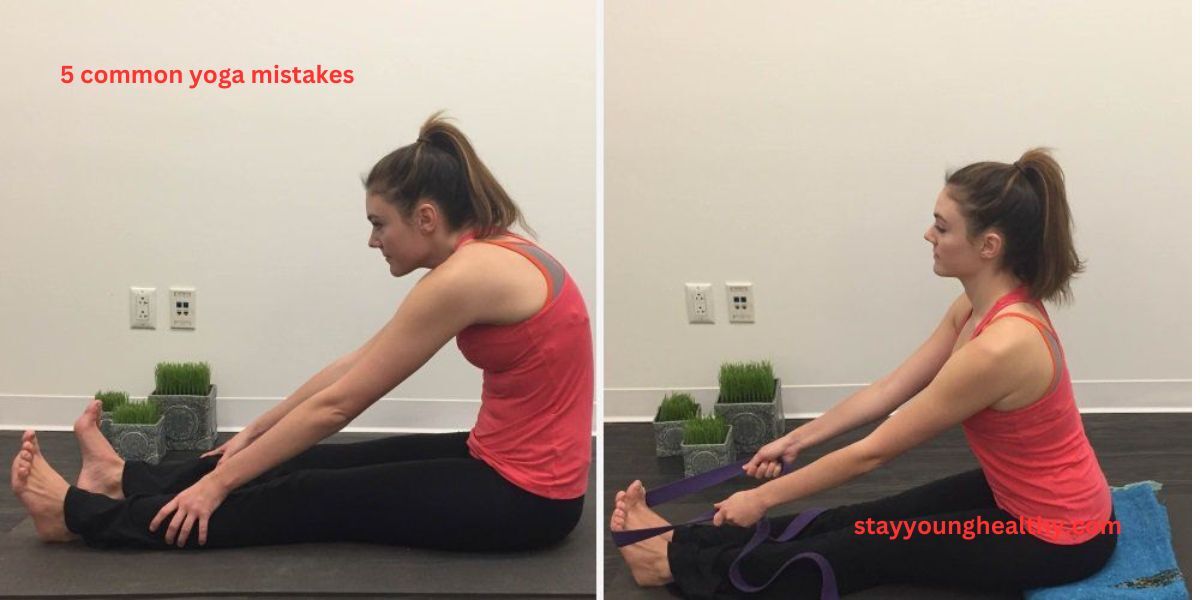
Embarking on a yoga journey often involves adapting poses to suit individual needs and limitations. This section will explore how modifications and adaptations can enhance your yoga practice, regardless of your body type or prior experience. Understanding the importance of listening to your body and not pushing beyond its limits is crucial for injury prevention and a fulfilling practice.Effective yoga practice acknowledges the unique characteristics of each individual.
Modifications and adaptations are essential tools for beginners, allowing them to safely explore the world of yoga. These adjustments empower individuals to experience the benefits of yoga without compromising their well-being or risking injury.
Body Types and Potential Challenges
Different body types can present varying challenges in yoga. For example, individuals with shorter limbs might find certain poses more difficult to achieve than those with longer limbs. Those with tight hips or shoulders might experience restricted movement. Furthermore, individuals with different levels of flexibility and strength will encounter different degrees of ease or difficulty in various poses.
Recognizing these potential challenges is the first step in understanding how to modify poses effectively.
Importance of Modifications and Adaptations for Beginners
Modifications and adaptations are fundamental for beginners. They allow for safe exploration of yoga postures without straining or injuring the body. By gradually introducing modifications, beginners can build strength, flexibility, and confidence while mitigating the risk of discomfort or pain. This careful approach sets a strong foundation for a sustainable and rewarding yoga practice.
Table of Common Yoga Poses with Suggested Modifications
| Yoga Pose | Modification for Limited Flexibility | Modification for Limited Strength | Modification for Injuries (e.g., Knee Pain) |
|---|---|---|---|
| Downward-Facing Dog | Place knees on the floor | Use blocks under hands for support | Perform Child’s Pose or supported Downward-Facing Dog on blocks |
| Warrior II | Adjust stance width to suit needs | Use a chair or wall for balance support | Modify stance or use a chair for balance |
| Triangle Pose | Use blocks or straps to lengthen arms | Use a chair for support | Modify the forward bend, keeping the knee slightly bent |
| Cobra Pose | Perform on knees | Use blocks under chest for support | Avoid the pose if causing pain; try a gentle spinal stretch instead. |
Modifying Poses for Injuries or Limitations
Modifying poses for injuries or limitations is crucial to prevent exacerbating existing conditions. For instance, if you have a knee injury, a modified version of a pose that puts pressure on the knee might be recommended. If you have back pain, you should avoid postures that put undue strain on the back. Consult with a healthcare professional or qualified yoga instructor for personalized advice on adapting poses to suit specific needs.
Modifications often involve adjusting the position of the body parts, using props like blocks, straps, or blankets, or performing the pose in a different variation.
Listening to Your Body
Listening to your body is paramount in yoga. It’s vital to recognize and respect your body’s signals. Pain is a crucial indicator that you should not push yourself beyond your limits. Pay attention to any discomfort, and adjust the pose accordingly. A consistent practice that prioritizes your body’s comfort and safety is crucial for long-term success.
This means not forcing a pose beyond its limitations and respecting any pain signals.
Practicing Mindfully
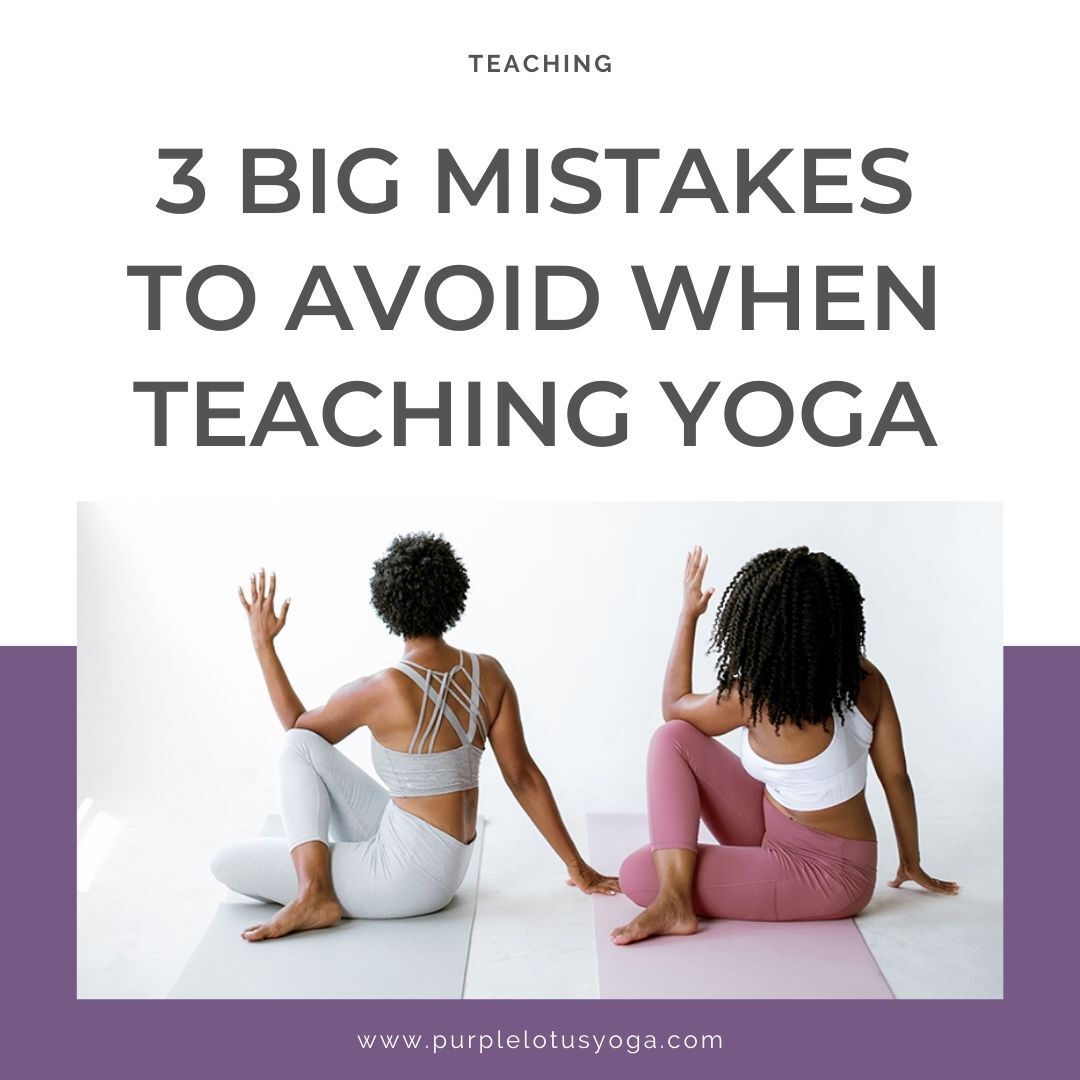
Mindfulness plays a crucial role in a successful yoga practice. It allows practitioners to connect with their bodies, breath, and intentions, leading to a deeper understanding of their limitations and capabilities. This awareness is vital in preventing common mistakes and promoting a more enriching and fulfilling experience. By cultivating mindfulness, practitioners can move through poses with greater precision and grace, while also fostering a sense of inner peace and well-being.A key aspect of mindful yoga practice is the ability to focus on the present moment.
This involves paying attention to the sensations in your body, the rhythm of your breath, and the subtle shifts in your posture without judgment or distraction. This mindful engagement prevents the mind from wandering, reducing the likelihood of overlooking important cues and making mistakes. It fosters a deeper connection with the practice, transforming it from a physical activity into a meditative experience.
Focusing on the Present Moment
To focus on the present moment during yoga, practitioners can utilize various techniques. One method is to bring awareness to each inhale and exhale. By consciously observing the sensation of the breath entering and leaving the body, the mind is anchored in the present. Another effective approach is to pay close attention to the sensations within the body during each pose.
This includes noticing the subtle pressure on muscles, the stretch in joints, and the overall alignment of the body. Through focused awareness, the mind becomes less reactive to thoughts and distractions.
Avoiding Distractions and Maintaining Concentration
Distractions are inevitable in daily life, but they can significantly impact the quality of a yoga practice. Practitioners can employ techniques to minimize distractions. For example, setting aside a dedicated space for practice and creating a calm atmosphere can minimize external stimuli. Furthermore, focusing on a specific point, like the tip of the nose or a spot on the wall, can help anchor the mind.
Consistent practice cultivates mental discipline, allowing the mind to remain focused on the present moment more readily.
Observing Body Responses
Observing your body’s responses during each pose is crucial. This includes noticing any pain, discomfort, or unusual sensations. Acknowledging these responses without judgment allows you to modify your practice accordingly. For example, if a pose triggers pain in the knee, adjusting the alignment or using props can prevent injury and promote safety. This awareness is not only crucial for injury prevention but also for gaining a deeper understanding of your body’s limitations and potential.
Through mindful observation, you can tailor your practice to suit your individual needs and progress safely.
Mindful Practices for Yoga
| Practice | Description | Benefits |
|---|---|---|
| Mindful Breathing | Consciously focusing on the rhythm and sensation of each breath. | Reduces stress, calms the mind, and enhances body awareness. |
| Body Scan Meditation | Systematically bringing awareness to different parts of the body, noticing sensations without judgment. | Promotes relaxation, reduces tension, and enhances body awareness. |
| Guided Meditation | Following a guided audio or video to focus attention and cultivate mindfulness. | Provides structure and support for cultivating mindfulness, especially for beginners. |
| Mindful Movement | Paying attention to the sensations and movements during the yoga practice. | Enhances body awareness, promotes greater precision in poses, and cultivates mindful movement patterns. |
Seeking Guidance and Support
Embarking on a yoga journey can be incredibly rewarding, but navigating the practice effectively requires more than just enthusiasm. Seeking guidance and support from experienced practitioners can significantly enhance your understanding, safety, and overall experience. A structured approach, combined with a supportive community, can make a world of difference in your yoga journey.Understanding the importance of guidance and support is crucial for developing a strong foundation in yoga.
A qualified teacher can offer tailored instruction, ensuring proper alignment and preventing injuries. Learning from experienced practitioners fosters a deeper comprehension of the practice, leading to more effective and satisfying sessions. A supportive community provides encouragement and accountability, fostering a sense of belonging and shared progress.
Importance of Experienced Teachers
Experienced yoga teachers possess a wealth of knowledge and practical experience. They can provide personalized guidance, ensuring proper alignment and preventing potential injuries. They can offer modifications and adaptations based on individual needs and limitations, allowing for safe and effective practice for all levels. Furthermore, they can share insights into the philosophy and history of yoga, enriching the practice beyond the physical aspect.
Learning from experienced teachers is essential for progressing safely and effectively in your yoga journey.
Benefits of Joining a Yoga Class or Community
Joining a yoga class or community offers numerous benefits. A structured class environment provides a supportive setting to learn and practice alongside others. Sharing the experience with like-minded individuals creates a sense of camaraderie and encouragement. Regular classes foster consistency, a crucial element in developing a regular practice. This communal approach often allows for deeper engagement with the practice.
Importance of Regular and Consistent Practice
Consistent practice is key to reaping the full benefits of yoga. Regular sessions allow for the development of strength, flexibility, and balance. The regularity builds a deeper connection with your body and mind, fostering self-awareness. Over time, consistent practice enhances physical well-being and promotes mental clarity. It is essential to establish a routine that works for your lifestyle and stick to it as much as possible.
Tips for Finding a Qualified and Supportive Yoga Teacher
Finding a qualified and supportive yoga teacher requires careful consideration. Look for teachers with relevant certifications and experience. Attend introductory classes or workshops to assess the teaching style and observe the teacher’s interaction with students. Check for references and testimonials from past students. Communicate your needs and concerns openly and honestly with potential teachers.
Look for a teacher who inspires confidence and fosters a positive learning environment.
Value of Practicing with a Partner or Friend
Practicing yoga with a partner or friend can enhance the experience and motivation. A partner can provide support and encouragement during challenging poses. Mutual accountability can motivate both practitioners to maintain consistency. Practicing with a friend or partner fosters a supportive environment, creating a fun and motivating experience. This dynamic also allows for shared learning and mutual support in a safe and encouraging environment.
Using Props Effectively
Props are invaluable tools for beginners in yoga, offering support, modification, and improved alignment. They can transform challenging poses into accessible and safe experiences, allowing practitioners to focus on the essential aspects of each posture. Proper use of props empowers beginners to progress confidently and develop a deeper understanding of their bodies and the principles of yoga.Understanding the diverse range of props and how to use them effectively is crucial for a safe and rewarding yoga practice.
This section delves into the practical applications of blocks, straps, and blankets, offering guidance on selecting the appropriate prop for various poses and ensuring optimal alignment.
Types of Yoga Props
Yoga props provide valuable support and modification options. Common props include blocks, straps, and blankets. Each prop offers unique advantages in assisting with alignment and comfort.
- Blocks: Rectangular blocks typically made of foam or wood, blocks come in varying heights. They offer support for hands, forearms, and feet, assisting in achieving proper alignment in poses like downward-facing dog, warrior poses, and seated forward bends. Blocks can also provide a gentle elevation for hands or feet, making certain poses accessible to individuals with limited flexibility or range of motion.
- Straps: Long, fabric straps are excellent for increasing flexibility and improving alignment. They aid in holding poses like standing forward bends, reaching for feet, and backbends. Straps can also support arm balances or provide gentle stretching in various postures.
- Blankets: Blankets, often used in combination with other props, offer support for the head, neck, and shoulders, providing comfort and stability during seated or supine poses. They can also be used as a cushion or bolster for additional support in postures like child’s pose or supported backbends.
Selecting Appropriate Props for Different Poses
Choosing the right prop is critical to achieving the desired benefits of a pose while maintaining safety and comfort. The selection process should consider the individual’s body type, flexibility, and the specific demands of each posture.
- Downward-Facing Dog: Blocks can be placed under the hands for support and proper alignment of the wrists and shoulders, ensuring a neutral spine and preventing strain. A blanket under the forehead may be useful for relieving pressure on the neck.
- Warrior II: Blocks can provide support for the hands and increase the stability of the posture. Straps can help extend the arms and maintain the alignment of the shoulders, ensuring proper engagement of the muscles.
- Seated Forward Bend: Blocks can be placed under the feet to support the legs and create a more accessible posture for individuals with limited flexibility. Straps can be used to help hold the feet or extend the arms, aiding in the extension of the spine.
Modifying Poses for Comfort and Safety
Using props strategically can make poses more accessible and safe. Modifying poses using props can help beginners progress in their practice and prevent injury.
- Supported Backbends: Blocks or blankets positioned beneath the lower back provide support and reduce strain, enabling a gradual exploration of backbends. This modification helps avoid premature arching and prevents discomfort or injury.
- Shoulder Stands: A bolster or blanket under the shoulders can provide support and reduce pressure, allowing beginners to safely experience the benefits of this posture. This modification supports the weight of the body, easing stress on the neck and shoulders.
- Standing Forward Bends: Straps can be used to hold the feet or assist in reaching the ground, providing support and guidance for proper alignment, preventing back strain, and enabling the development of flexibility.
Comparing and Contrasting Prop Usage
This table summarizes the uses of different props in various poses, highlighting their benefits and potential modifications.
| Pose | Block | Strap | Blanket |
|---|---|---|---|
| Downward-Facing Dog | Support hands, wrists, shoulders | Assist with alignment of arms and legs | Support forehead, reduce neck strain |
| Warrior II | Support hands, improve stability | Extend arms, maintain shoulder alignment | Support hips (optional) |
| Seated Forward Bend | Support feet, increase accessibility | Extend arms, support spine | Support hips, cushion back |
Common Mistakes Illustrated
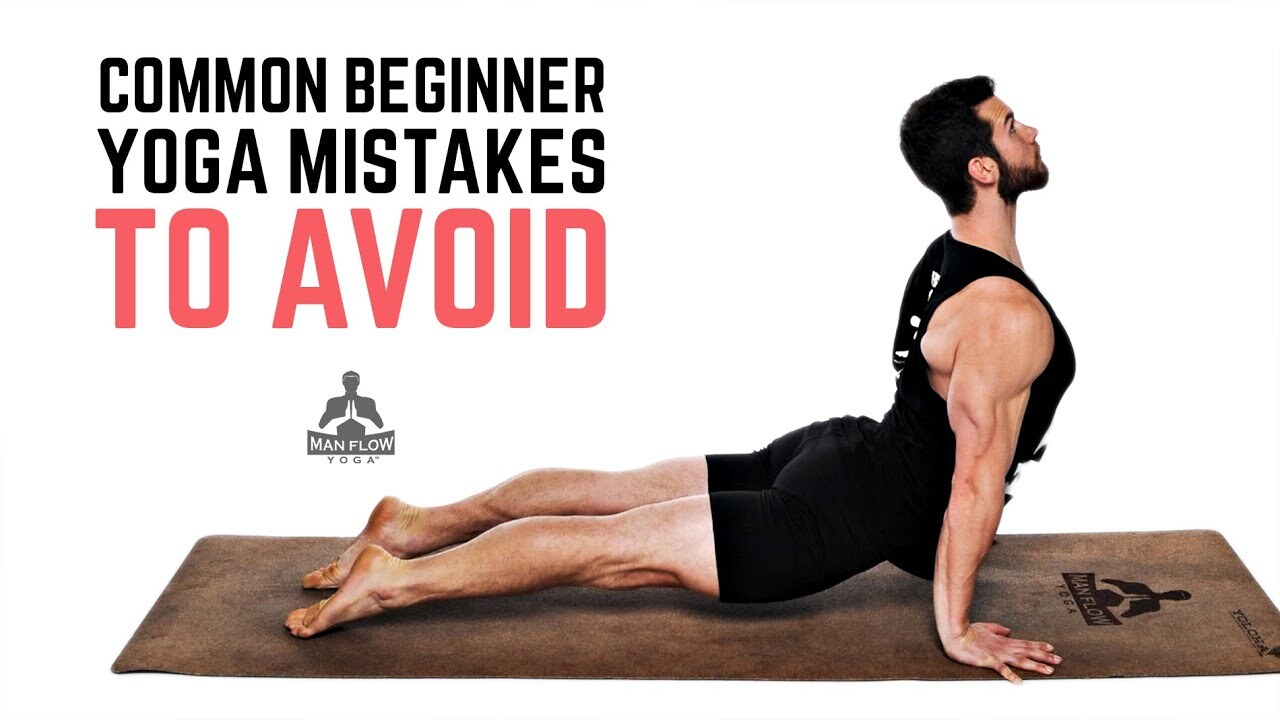
Understanding common mistakes is crucial for effective yoga practice. By recognizing and correcting these errors, you can optimize your postures, prevent injuries, and deepen your connection with your body and breath. This section provides visual aids to illustrate common mistakes and offers clear guidance on how to avoid them.Correcting these errors can lead to a safer, more effective, and more enjoyable yoga practice.
Understanding proper alignment is fundamental to reaping the full benefits of yoga.
Mountain Pose (Tadasana) Mistakes
Incorrect alignment in Tadasana can lead to imbalances and discomfort. Proper alignment in this foundational pose sets the stage for all subsequent postures. 
Incorrect Alignment Description: The illustration depicts a common mistake in Tadasana where the weight is unevenly distributed, the spine is rounded, and the shoulders are hunched. The gaze is directed downwards, and the legs are not fully engaged. This posture does not engage the core, leading to instability and potentially straining the lower back.
Correct Alignment: To avoid this, stand with feet together or hip-width apart, grounding through all four corners of the feet. Lengthen the spine, drawing the crown of the head towards the ceiling. Relax the shoulders, drawing them away from the ears. Engage the core muscles and lengthen the tailbone down towards the heels. Direct the gaze gently forward or slightly upwards.
This creates a sense of grounded stability and enhances spinal awareness.
Warrior II (Virabhadrasana II) Mistakes
In Warrior II, maintaining proper alignment is essential for maximizing the benefits of the posture and preventing strain on the knees and hips. 
Incorrect Alignment Description: The illustration shows a common error in Warrior II. The front knee is collapsing inward, the back leg is not straight, and the hips are not square to the front. The arms are not parallel to the floor, and the gaze is not focused on the front hand.
Correct Alignment: To avoid this, ensure the front knee tracks directly over the ankle. Keep the back leg straight, engaging the thigh muscles. Square the hips to the front, and maintain a parallel alignment between the arms and the floor. Extend the gaze towards the front hand. This alignment promotes stability, strength, and an opening in the chest and hips.
Triangle Pose (Trikonasana) Mistakes
Maintaining a balanced and aligned Triangle Pose is crucial for opening the hips, stretching the hamstrings, and improving spinal flexibility. 
Incorrect Alignment Description: The illustration highlights common errors in Triangle Pose, including the hips not being squared, the front knee bending, and the upper body collapsing. The gaze is not directed towards the top hand.
Correct Alignment: Avoid these errors by keeping the hips squared to the front. Extend the front knee and ensure it is in alignment with the ankle. Extend the upper body towards the front, keeping the spine long and engaging the core. Direct the gaze towards the top hand. This creates a deeper stretch in the hamstrings and promotes a balanced posture.
Common Mistakes Summary
| Pose | Mistake | Solution | Illustration |
|---|---|---|---|
| Mountain Pose | Uneven weight distribution, rounded spine, hunched shoulders | Ground through all four corners of feet, lengthen spine, relax shoulders, engage core | Mountain Pose Incorrect Alignment |
| Warrior II | Collapsing front knee, back leg not straight, hips not squared | Front knee over ankle, back leg straight, hips squared, arms parallel | Warrior II Incorrect Alignment |
| Triangle Pose | Hips not squared, front knee bending, upper body collapsing | Hips squared, front knee straight, upper body extended, gaze at top hand | Triangle Pose Incorrect Alignment |
Last Point
By understanding and meticulously avoiding these common errors, beginners can embark on a rewarding and safe yoga journey. This guide provides a roadmap to correct alignment, proper breathing, mindful practice, and effective modifications, empowering you to unlock the full potential of your yoga practice. Remember, consistent practice and seeking guidance are key to achieving your goals.